Why Pregnancy Cravings Hit So Hard (and What They Say About Your Body)
By Teddyy Editorial Team | Last Updated: October 29, 2026

Pregnancy cravings are more common than one would think. UNICEF reported that up to 9 in 10 women can have pregnancy cravings. Some crave food items, and some cravings are a bit unusual.
Many expecting mothers start experiencing pregnancy cravings as early as the first trimester. The reason can be both physiological and psychological. Then there are cases of pica. A study published in Clinical Epidemiology and Global Health found that 220 out of 739 pregnant women, that is 29.7%, showed pica habits.
In this article, we are going to explore the common as well as the uncommon pregnancy cravings, what causes them, how pica plays an important role, healthy alternatives, and when we need to be more concerned.
What Causes Cravings: Hormones, Taste and Smell Changes, and Emotional Comfort
There is no single definitive explanation for pregnancy cravings. Several physical and emotional changes may contribute.
Hormonal Changes
Estrogen, progesterone and hCG rise significantly during pregnancy, particularly during the first trimester. These changes can affect the brain’s reward mechanisms, appetite, taste and sense of smell.
Changes in Taste and Smell
Pregnancy can make your senses more sensitive. Strong smells may suddenly become overwhelming, while familiar flavours can taste different. This may explain why you prefer particular foods while developing an aversion to others.
Increased Nutritional Needs
Your body has greater nutritional demands during pregnancy. Foods rich with folic acid, iron, calcium, protein, calories and other nutrients become particularly important as the pregnancy progresses. This may lead to cravings for certain food items.
Emotional and Cultural Factors
Pregnancy can come with stress, mood changes and a strong desire for comfort. Foods associated with childhood, home or familiar family traditions can become especially appealing.
Cultural habits and the idea of “eating for two” can also influence what and how much someone eats during pregnancy.
Blood Sugar Fluctuations
Changes in blood sugar can sometimes be associated with hunger and appetite. For some pregnant women, these fluctuations may influence when or what they crave.
Most Common Cravings (Sweets, Salty, Sour, Spicy) and Why
Pregnancy cravings can differ significantly among expecting mothers. Here are some common cravings:
| Craving | Common examples | Why it may appeal |
| Sweet | Chocolate, candy, cakes, pastries, ice cream | Sugary taste and comfort |
| Salty | Chips, crisps, peanuts, corn | Salty, crunchy flavour |
| Sour | Pickles, lemons, sour candies, pineapple | Tangy, fresh taste |
| Spicy | Spicy noodles, chilli, hot sauce, spicy foods | Strong flavour and appeal |
| Fresh | Apples, mangoes, oranges, berries | Sweetness and freshness |
| Protein-rich foods | Meat, eggs, poultry, fish | Commonly reported during pregnancy |
| Dairy | Milk, cheese, yoghurt, ice cream | Appealing taste and texture |
Unusual Cravings And Pica: Ice, Chalk, Clay, and The Link to Iron Deficiency
Not every pregnancy craving involves food. Some women develop pregnancy cravings for things that are unusual or not normally eaten together. For example, you might suddenly want pickle with ice cream or another combination that would have sounded strange before pregnancy.
Pica is different. It refers to craving and consuming substances that have little or no nutritional value. During pregnancy, these cravings can include:
- Ice
- Chalk
- Clay
- Dirt
- Sand
- Soap
- Ashes
- Toothpaste
- Charcoal
- Stones
- Plaster
Why Does Pica Happen During Pregnancy?
The exact cause of pica is not known. However, there may be a connection between pica and the need for iron foods for pregnancy in anaemia.
Unusual cravings indicate the need for iron rich foods for pregnancy. Frequent cravings for non-food substances are worth discussing with your healthcare provider so that your nutritional status can be reviewed.
Healthy Swaps That Satisfy Cravings Without Overdoing Sugar or Salt
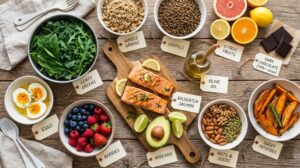
You do not have to completely ignore your cravings. A better approach is to find alternatives that give you the flavour, texture or comfort you are looking for while keeping an overall balanced diet for pregnant women.
| Type of craving | What you may crave | Healthier alternatives |
| Sweet cravings | Candy, cakes or sugary desserts | Try fresh fruit, yoghurt with berries, bananas, or apple slices with peanut butter.
For an ice cream craving, blend frozen fruit until smooth or have Greek yoghurt with fruit and a little honey. |
| Salty cravings | Chips, salty snacks or fries | Choose air-popped popcorn, whole-grain crackers with hummus, roasted chickpeas or baked vegetables.
Baked sweet potato fries are another option. |
| Carb cravings | White bread, pastries or refined carbohydrates | Try whole-wheat toast, oatmeal, quinoa or other whole-grain options.
You can also make homemade pizza with whole-wheat bread, bell peppers, onions and a moderate amount of cheese. |
| Chocolate cravings | Milk chocolate bars or sugary chocolate desserts | Try dark chocolate with a high cocoa content, paired with nuts or strawberries.
You can also add a few dark chocolate chips to a trail mix containing nuts and seeds. |
| Protein-rich food cravings | Meat, eggs, poultry or fish | These can be part of a balanced pregnancy diet when properly prepared.
Plant-based alternatives include lentils, chickpeas, beans, tofu, tempeh, quinoa and seeds. |
| Fatty or greasy food cravings | Fried chicken, fried snacks or creamy dips | Grill, bake or roast chicken, fish or vegetables instead of frying them.
Use Greek yoghurt as a base for a creamy dip and add seasonings for flavour. |
| Soda and sugary drink cravings | Fizzy drinks, sweetened coffee or sugary beverages | Try water infused with lemon, lime or berries.
Decaf coffee with a little milk or caffeine-free options such as ginger tea may also work. Keep total caffeine intake below 200 mg a day during pregnancy. |
| Spicy food cravings | Spicy snacks or heavily fried foods | Try grilled chicken or fish seasoned with spices, or salsa served with whole-grain tortilla chips. |
When Cravings are a Red Flag (Non-Food Items, Extreme Aversions)
The following can be reasons for concern:
Pica Habits
Craving chalk, clay, dirt, soap, ashes or other non-food substances may be a sign of pica. These pregnancy cravings should not be ignored, even if the urge feels strong. Non-food items may contain harmful substances or interfere with nutrient absorption.
Frequent Ice Cravings and Possible Iron Deficiency
Chewing ice regularly can also damage tooth enamel and cause tooth sensitivity. Learn about foods high in iron for pregnancy from your healthcare provider, who can determine whether your iron levels need to be checked.
When Food Aversions Affect Your Diet
Occasional food aversions are common. However, if they make it difficult to eat enough or maintain a varied diet, speak to your healthcare provider. They can help you find manageable food options and address any concerns about your nutritional intake.
Wrapping Up
If you crave non-food substances, avoid consuming them and tell your healthcare provider. They can review your diet, assess possible nutritional deficiencies and recommend appropriate next steps. If food aversions are making it difficult to eat, ask for guidance rather than feeling pressured to force yourself to tolerate foods that trigger discomfort.
Pregnancy comes with plenty of changes. Along the way, having everyday essentials ready, such as Teddyy Easy Diaper Pants, can take one small task off your list once your baby arrives.
Frequently Asked Questions
Are cravings an early sign of pregnancy?
Food cravings are normal in pregnancy; however, they do not confirm pregnancy. Take a test ot contact your healthcare provider to confirm.
Do cravings predict the baby’s gender?
No. Pregnancy cravings do not have any connection to the baby’s gender.
Why do I crave ice during pregnancy?
Ice cravings during pregnancy can be connected to iron deficiency. However, do not assume. Talk to your doctor if you experience excessive cravings and ask about suitable foods that contain iron for pregnancy.
Is it okay to give in to cravings every time?
Enjoying the food you like is generally fine, provided they are safe food items.
When do pregnancy cravings start and stop?
Pregnancy cravings can start in the first trimester and continue till the third trimester. However, it varies from one woman to another.
What is pica, and when should I tell my doctor?
Pica involves craving to eat non-food substances, like chalk and clay. Talk to your doctor if you have these cravings, as some substances can be harmful to you.