
Free Healthcare Services for Pregnant Women in India
By Teddyy Editorial Team | Last Updated: April 3, 2026
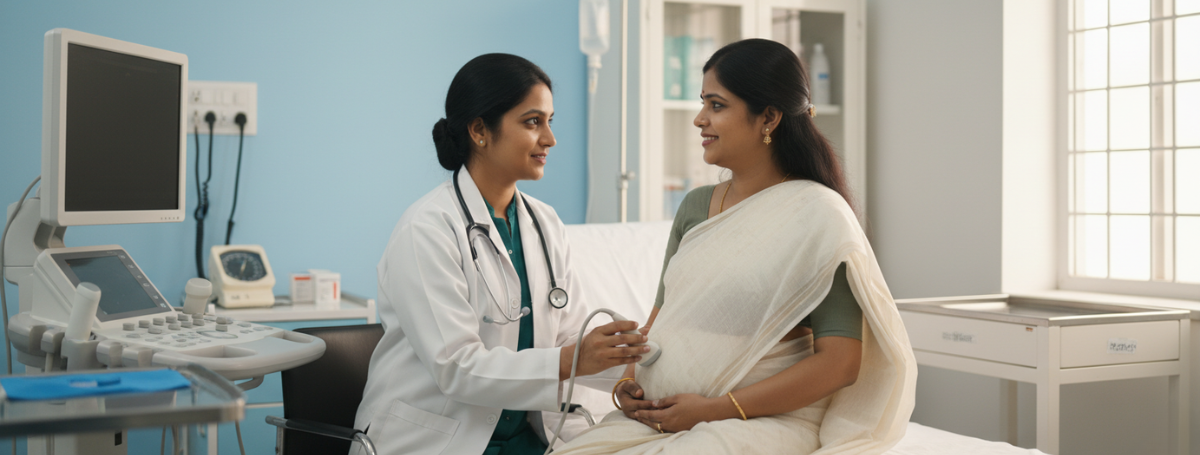
Pregnancy is beautiful, but it also comes with thousands of small worries. Doctor visits, medicines, nutrition, and delivery planning are part of it. However, they can also be expensive. You may have wondered whether there are government healthcare services for pregnant women that can help in this situation. The good news is that there are. There are several schemes that help you receive proper care without worrying about finances. They are focused on your health, your baby’s safety, and making sure pregnancy and childbirth do not become a burden.
This guide explains the key schemes, their benefits, and how you can access them. You will know what support is available for you because you deserve all the help you can get when you are expecting.
Free ANC (Antenatal Care) Check-ups at PHC / CHC
Regular health check-ups are not optional during pregnancy because they are essential. These visits help doctors track your baby’s development and detect any complications early.
You can receive free antenatal care (ANC) check-ups at nearby Primary Health Centres (PHC) and Community Health Centres (CHC) under various government schemes.
Under the National Health Mission, you can receive basic pregnancy check-ups without paying for consultations. When you visit a government health centre, you can get:
- Routine pregnancy check-ups
- Blood pressure monitoring
- Weight tracking
- Blood and urine tests
- Ultrasound referrals, if required
- Advice on nutrition and safe pregnancy practices
These visits are more important during the first and third trimesters. Most government programmes encourage at least four ANC visits during pregnancy to monitor you and your baby.
Your local ASHA worker or Anganwadi worker will usually help schedule these check-ups if you are enrolled in a pregnant woman yojana. They also remind you when it’s time for your next visit.
Free Medicines and Iron-Folic Acid Under NHM
One of the most common issues during pregnancy in India is anaemia. It can lead to fatigue, complications during delivery, and low birth weight in babies.
Many government schemes for pregnant women provide free essential medicines and supplements through public healthcare facilities to prevent this problem.
Under the National Health Mission, you can receive:
- Iron–Folic Acid (IFA) tablets
- Calcium supplements
- Basic pregnancy medicines
- Deworming tablets in later trimesters
- Tetanus vaccination support
These supplements help maintain healthy haemoglobin levels, which are important for your baby’s development.
Healthcare workers distribute these medicines during your antenatal visits or through Anganwadi centres when you register under a pregnancy sarkari yojana.
Many mothers skip supplements, assuming they will have to pay for them, but the truth is that these medicines are free under several pregnant women government schemes.
All you need to do is register your pregnancy early at a government facility.
Free Transport – Janani Express Yojana
Another big concern is how to reach the hospital during labour if you live in rural or semi-urban areas.
Transport assistance under government maternity schemes can be extremely helpful in such cases.
Pregnant women can receive free transport service to government hospitals for delivery through the Janani Express service and the Janani Shishu Suraksha Karyakram (JSSK).
You get the following services under these schemes:
- Free transport from home to hospital during labour
- Referral transport if you need to be shifted to another facility
- Free drop back home after delivery
You can call a designated ambulance service or inform your ASHA worker in many states when labour begins.
This pregnancy sarkari yojana eliminates the hassles of arranging a vehicle at the last minute.
Free Nutritious Food Under JSSK
Your nutrition during pregnancy directly affects your baby’s growth. But maintaining a balanced diet every day is not easy when costs add up.
Therefore, some government schemes for pregnant women also include free nutritional support. Pregnant mothers admitted to government hospitals for delivery get free meals under the Janani Shishu Suraksha Karyakram during their hospital stay.
These meals help with recovery and provide essential nutrients after childbirth.
In addition, many pregnant women government schemes also work alongside Anganwadi centres to provide:
- Take-home ration packages
- Protein-rich food supplements
- Counselling for mothers about nutrition
These benefits provide additional nutritional support if you are finding it difficult to maintain a balanced diet during pregnancy.
Post-Delivery Care and Vaccination Benefits
The support does not stop once your baby arrives. The weeks after delivery are just as important for both of you.
Many government schemes for pregnant ladies continue providing healthcare benefits even after childbirth.
Under programs linked with the National Health Mission, you can receive free postnatal care services such as:
- Health check-ups for the mother
- Monitoring for post-delivery complications
- Breastfeeding guidance
- Health check-ups for your newborn baby
Your baby becomes eligible for free vaccinations under the Universal Immunisation Programme. These vaccines protect against serious diseases like:
- Polio
- Hepatitis B
- Tuberculosis (BCG)
- Diphtheria
- Measles
Healthcare workers visit your home or call you to the nearest health centre to give vaccinations on time.
Your baby can start life with proper medical protection through pregnant women government schemes.
Why Register Early for Pregnancy Schemes
Many mothers miss out on benefits simply because they register late. It is best to register your pregnancy as early as possible at your nearest government health centre.
Early registration helps you receive:
- Timely antenatal check-ups
- Nutritional supplements
- Scheme eligibility documentation
- Transport and delivery support
Early monitoring avoids complications so that you and your baby are safe.
These government schemes support you through every stage of pregnancy, delivery, and motherhood.
Conclusion
Between doctor visits, supplements, and planning for delivery, pregnancy can quickly start to feel like a long checklist. But the truth is, a lot of this support is already built into the system through various government schemes for pregnant women. From free check-ups to hospital care and post-delivery support, these services exist to make the journey a little easier and a lot more manageable.
And while the system takes care of the medical side of things, having dependable everyday support at home matters just as much. Thoughtful choices, like keeping essentials such as Teddyy Diapers ready, can help you stay focused on what truly matters during this phase.
You May Also Like




Frequently Asked Questions
What free check-ups are available for pregnant women in India?
You can receive free antenatal check-ups at government hospitals and health centres. These include blood tests, blood pressure monitoring, weight checks, iron supplements, and pregnancy health consultations, all available under various government schemes for pregnant women.
Is free transport available to reach the hospital during delivery?
Yes, several Sarkari yojana programs for pregnancy provide free ambulance or transport services to take you from your home to a government hospital during labour and to drop you back after delivery.
What food and nutrition support is given to pregnant women in hospitals?
Pregnant mothers admitted for delivery receive free meals during their stay through Janani Shishu Suraksha Karyakram. Some pregnant women’s yojana programs also offer nutritional supplements through Anganwadi centres.
Are vaccines free for pregnant women under government schemes?
Vaccines like tetanus are provided free during pregnancy, and your baby receives free immunisation after birth through national vaccination programs supported by government schemes for pregnant women.
What postnatal care is available after delivery under government schemes?
You can get free health check-ups, breastfeeding advice, newborn monitoring, and assistance with vaccinations. These services are provided through various government programs at government hospitals and health centres.