
Filter by Month

By Nobel Hygiene Team | Last Updated: April 30, 2026

One Stop Pregnancy Guide – Your Month-by-Month Journey

Brought to you by Teddyy Baby Diapers

Your Pregnancy Journey — What to Expect

You feel… a little off. Maybe your period is late, or you’re more tired than usual, or some craving keeps hitting you out of nowhere. You grab a pregnancy test, almost hoping it’s nothing, almost afraid of what it might show.

It’s two pink lines. The pressure squeezing your chest loosens just enough for tears to escape. “We’re pregnant,” you whisper, and your husband pulls you close to share this moment in gleeful disbelief.

Then almost immediately, your mind does a 180. Will I be a good mother? Will my baby be safe? Am I ready for this? And before you can think of the next question, the news is out, the family group chat pings, and advice comes crashing in from every direction. Every call comes with a rule, every message with a warning, a “must-do,” and a “don’t ever.” Some of it makes sense. Most of it just overwhelms you.

“Omg! Do you want a boy or a girl?”

“Have you thought of a name yet?”

“Now you have to eat for two people.”

“Call a pandit, just in case.”

“Your life is going to change forever.”

Okay, take a deep breath with us, mumma. Your life is going to change. But you don’t have to figure it all out alone. That’s why we have created this pregnancy guide: to be by your side from those first flutters of the settling period to the chaos of the delivery room. We’re here to remind you—you’ve got this, mumma.

Our pregnancy guide is curated specifically to contain all the information you need!

  • Month-by-month insights to keep an eye on the little one way before the delivery.
  • Symptoms explained so you know what’s normal and when you need doctor intervention.
  • Self-care tips because it’s not only about the baby.
  • Checklists & reminders for doctor visits and nutrition.
  • Easy-to-read-and-save charts and infographics.

Explore Your Pregnancy Month by Month

Each Month Section Comes With:

  • Changes to expect
  • Updates on the baby’s growth
  • What’s happening in your body
  • Practical care tips

Quick Reads & Resources

  • Checklist Corner: Doctor visits, tests, supplements
  • Healthy Eating During Pregnancy—What to eat and what to avoid
  • Managing Common Symptoms—From morning sickness to swollen feet
  • Emotional Wellbeing – Coping with mood swings and stress

Start your journey here: Select your current pregnancy month and explore what’s happening inside your body and how you can prepare better.

👉 Explore what’s next: Month 1 Pregnancy Guide

Pregnancy by Trimester: A Quick Overview

Pregnancy is divided into three trimesters, each roughly twelve weeks long, and each bringing its own set of changes for you and your baby. Knowing what to expect in each stage helps you plan appointments, eat right, and notice anything that feels off early.

First Trimester (Weeks 1–12)

The first trimester is when your baby's organs, spine, and tiny heartbeat begin to form. You might notice early signs like a missed period, sore breasts, frequent trips to the bathroom, food aversions, and morning sickness that can strike at any hour. Fatigue is common — your body is working hard even when it doesn't look like it. This is the window to start folic acid supplements (if you haven't already), book your first antenatal visit, and get baseline tests like blood group, haemoglobin, thyroid, and a dating scan.

Second Trimester (Weeks 13–27)

Most women describe the second trimester as the easiest stretch. Morning sickness usually fades, your energy returns, and a visible bump starts to show. Between weeks 16 and 22 you'll likely feel the first flutter of movement — the "quickening" first-time mums often describe as bubbles or a light tap. This is also when the anomaly scan (around week 20) checks the baby's organs and growth. Appetite picks up, so focus on iron, calcium, and protein rather than empty calories.

Third Trimester (Weeks 28–40)

The final stretch is about growth and preparation. Your baby gains fat, practises breathing movements, and turns head-down in most cases. You may experience back pain, swollen feet, heartburn, Braxton Hicks contractions, and broken sleep. Antenatal visits shift to every two weeks and then weekly after week 36. Pack your hospital bag by week 34, finalise your birth plan with your doctor, and keep a list of danger signs close at hand — reduced foetal movement, severe headaches, or sudden swelling all deserve a same-day call.

Nutrition, Movement & Wellness Essentials

What you eat, how you move, and how you rest all shape your pregnancy. The goal isn't perfection — it's building a steady routine you can stick with through all nine months.

Key Nutrients for Every Trimester

Folic acid (400–800 mcg daily) lowers the risk of neural tube defects and matters most in the first trimester. Iron supports the extra blood your body is making; leafy greens, dates, jaggery, and prescribed supplements help you meet the higher target. Calcium and vitamin D build your baby's bones — include milk, curd, paneer, ragi, and safe sun exposure. Protein needs rise in the second and third trimesters; dals, eggs, chicken, fish (low-mercury varieties), and paneer cover the basics. Omega-3s from walnuts, flaxseeds, and oily fish support brain development. Ask your doctor about a DHA supplement if your diet is low in fish.

Foods to Avoid

Skip raw or undercooked meat, eggs, and seafood, unpasteurised milk and cheese, high-mercury fish like king mackerel and swordfish, deli meats, and sprouts that haven't been cooked. Limit caffeine to about 200 mg a day — roughly one strong cup of coffee. Avoid alcohol completely. Traditional advice around papaya, pineapple, and certain herbs is cautious rather than proven, but it's worth discussing with your doctor if any are staples in your diet.

Safe Exercise During Pregnancy

Moderate activity like brisk walking, prenatal yoga, swimming, and stationary cycling is safe for most healthy pregnancies and actually helps with sleep, mood, back pain, and labour endurance. Aim for around 150 minutes a week, split across most days. Skip contact sports, hot yoga, scuba diving, and anything with a fall risk. Stop and call your doctor if you notice bleeding, dizziness, chest pain, calf swelling, or leaking fluid. If you were not active before pregnancy, start slow and get your doctor's clearance first.

Sleep, Stress & Mental Health

Sleeping on your left side from the second trimester improves blood flow to the baby; a pillow under your bump and between your knees helps. Vivid dreams, frequent waking, and needing to pee at 3 a.m. are all normal. Stress, anxiety, and low mood are more common than people talk about — one in seven women experiences antenatal or postpartum depression. If sadness, worry, or intrusive thoughts last more than two weeks, speak to your obstetrician or a mental health professional. Asking for help is a strength, not a shortcoming.

Preparing for Delivery & the First Days with Your Newborn

The last few weeks can feel equal parts exciting and overwhelming. A little planning goes a long way toward a calmer birth and first week at home.

Your Hospital Bag Checklist

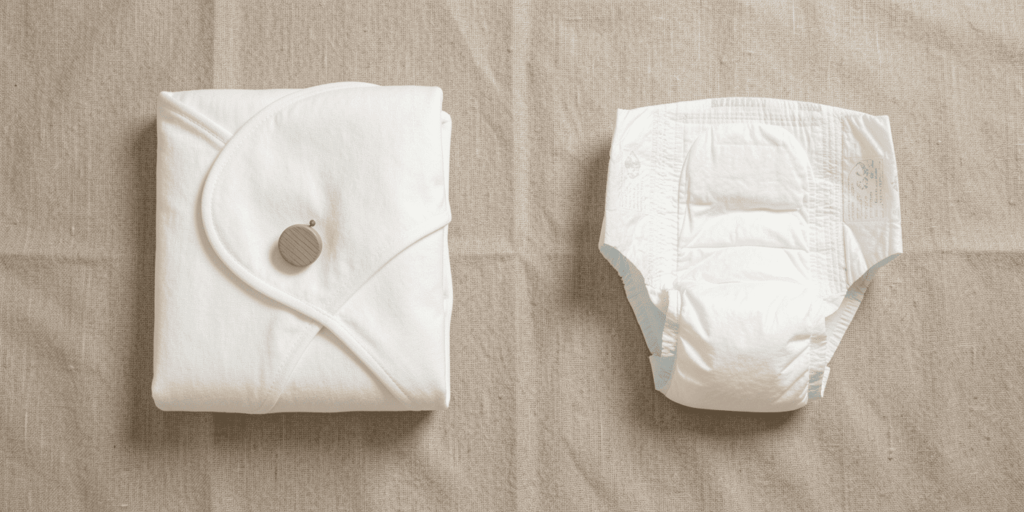
Pack by week 34. For you: ID, insurance papers, maternity file, loose nightwear with front-opening buttons, cotton underwear, maternity pads, nursing bras, toiletries, slippers, and a going-home outfit one size larger than pre-pregnancy. For the baby: 4–6 sets of vests and onesies, receiving blankets, mittens and booties, a soft cap, newborn-size diapers, cotton nappies, and a car-seat or secure cradle for the ride home. Keep a charger, snacks, and a phone list of close family in the side pocket.

Signs of Labour

True labour contractions get longer, stronger, and closer together, and don't stop when you change position or walk. A "bloody show" — a small amount of pink or brown mucus — can appear days or hours before labour. Your water breaking can be a sudden gush or a steady trickle. Call your hospital if contractions are five minutes apart, lasting 60 seconds, for at least an hour (the 5-1-1 rule), or immediately if you notice heavy bleeding, reduced foetal movement, or greenish fluid.

The Fourth Trimester: Your First 12 Weeks Postpartum

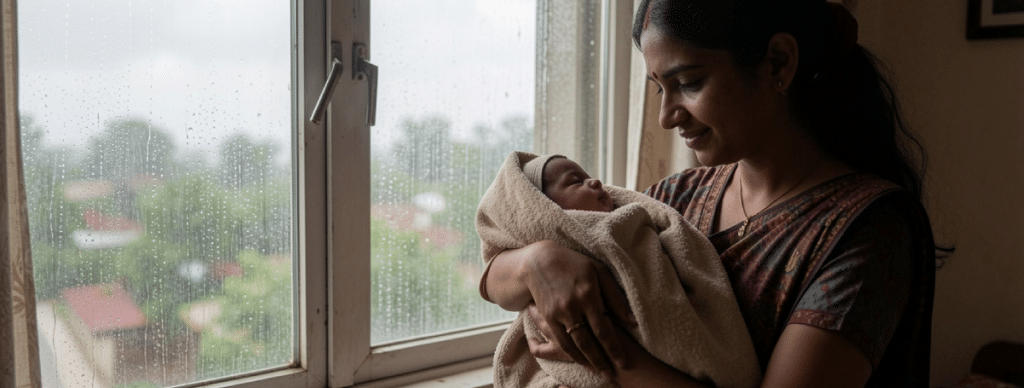
Delivery is the start of a new recovery phase, not the finish line. Expect bleeding (lochia) for 4–6 weeks, sore breasts as milk comes in, night sweats, and emotional waves. Accept help, eat warm and iron-rich meals, hydrate, and sleep when the baby sleeps — it sounds cliché because it works. Your six-week check-up covers your recovery, contraception, and emotional wellbeing. If you feel persistently flat, tearful, or disconnected from your baby, tell your doctor — postpartum depression is common and very treatable.

Frequently Asked Questions

When should I take a pregnancy test?

For the most accurate result, take a home pregnancy test after your missed period. If your cycle is irregular, wait at least three weeks after you think conception may have occurred. Blood tests at a lab can confirm pregnancy earlier if needed.

How many prenatal visits do I need during pregnancy?

Most healthy pregnancies include one visit every four weeks until week 28, every two weeks from week 28 to 36, and weekly after that. High-risk pregnancies may need more frequent check-ups as advised by your doctor.

When will I feel my baby's first kicks?

First movements, called quickening, usually happen between 16 and 22 weeks. First-time mothers often feel them closer to 20 weeks, while women who have been pregnant before may notice them a little earlier.

Which foods should I avoid during pregnancy?

Avoid raw or undercooked meat, eggs and seafood, unpasteurised dairy, high-mercury fish, deli meats, excessive caffeine, and alcohol. Wash all fruits and vegetables thoroughly and check with your doctor about any foods you're unsure of.

Is exercise safe during pregnancy?

Moderate exercise such as walking, prenatal yoga, and swimming is generally safe and beneficial for most pregnancies. Always check with your doctor before starting a new routine, especially if you have any complications or were not active before pregnancy.

What are the early signs of labour?

Common signs include regular contractions that get stronger and closer together, a bloody show, lower back pain, and your water breaking. Contact your doctor when contractions are five minutes apart, last 60 seconds each, and continue for an hour.