Wet Wipes vs Cloth Wipes vs Water: Which Is Safest for Your Baby?
By Teddyy Editorial Team | Last Updated: July 27, 2026
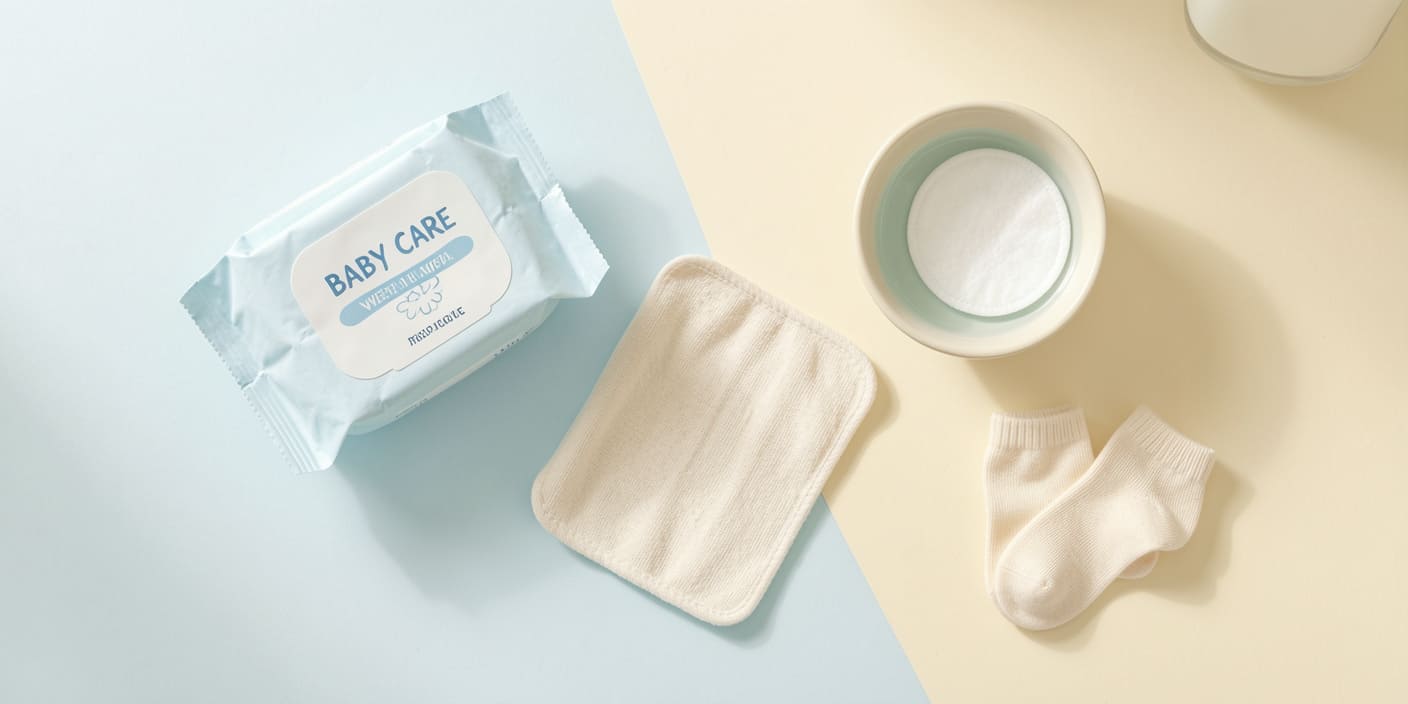
Every family has a diaper-cleaning opinion ready before the baby is even born.
Your mother may say, “Use cotton and warm water.”
Your sister-in-law may say, “Please keep wet wipes, you will thank me later.”
And the nurse at the hospital may simply say, “Whatever you use, keep the area clean and dry.”
Then the baby comes home, and the theory quietly leaves the room. Because at 3 a.m., when the baby has pooped again, the water bowl is cold, and you are changing a diaper with half-open eyes, you understand why parents keep more than one option ready.
So, which is safest: plain water, cloth wipes, or newborn wet wipes?
The honest answer is this: all three can be safe. All three can also cause trouble if used carelessly. Baby skin does not like rough wiping, strong perfume, alcohol-based products, dampness, or delayed diaper changes.
Wet Wipes for Babies: Ingredients, Safety & When to Use Them
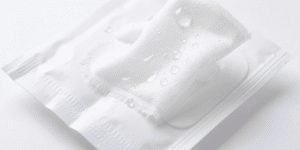
Newborn wet wipes are not just a travel product. They become useful in the middle of the night, during vaccination visits, on train journeys, in cars, at weddings, and during those poop changes where one cotton ball clearly has no chance.
But newborn skin is not ready for harsh products. A wipe that smells too strong may feel “fresh” to adults, but it is not always the best choice for a baby’s diaper area.
When buying newborn wet wipes, check these things first:
- no alcohol
- no strong fragrance
- soft sheet
- enough moisture to clean without rubbing
- mild formula
- pack that closes properly
Parents often search for the best wet wipes for their newborn, but the best wipe is not the one with the fanciest pack. It is the one that cleans without leaving the baby’s skin red, dry, sticky, or irritated.
Cloth Wipes: How to Use, Clean & Maintain Them Hygienically
Cloth wipes feel very natural in Indian homes. A soft cotton piece, warm water, and a gentle hand. Simple. No packet. No smell. No ingredient list. And yes, clothes can be very gentle. But only when it is clean.
A damp cloth lying near the changing area is not safer just because it is cotton. A cloth wipe that was rinsed quickly and reused is not hygienic. A half-dried wipe folded into a box during the monsoon can become a problem for the baby’s skin.
If you want to use cloth wipes, keep the routine strict:
- One cloth for one change
- Separate stack only for diaper cleaning
- Rinse poop stains quickly
- Wash with mild detergent
- Dry fully before storing
- Keep used wipes away from clean baby clothes
Plain Water Cleaning: Is It Enough for a Newborn’s Diaper Area?
For a pee-only diaper, plain water is usually enough. Warm water and soft cotton can clean gently without adding anything extra to the skin. This is why many parents prefer water in the first few weeks, especially if the baby’s skin looks sensitive.
But poop is different. Newborn poop can be sticky. It can sit in the folds near the thighs and around the bottom. If you clean too quickly, some of it may remain there, and that can irritate the skin later.
This is also why many parents look for water wipes for newborns. They want something close to plain water but easier to carry outside. That makes sense for hospital visits, travel, and night changes.
Skin Safety Comparison: Which Option Is Gentlest on Baby Skin?
The gentlest method is the one that cleans properly without scratching, drying or irritating the skin. Plain water is usually the softest choice for very sensitive skin days. Cloth wipes can be gentle if they are soft, clean and fully dry before storage. Wet wipes are convenient and safe when they are mild, alcohol-free and fragrance-free.
The real skin trouble usually comes from:
- Rubbing too hard
- Leaving the skin damp
- Delayed diaper changes
- Tight diapers
- Strong fragrance
- Alcohol-based wipes
- Poorly washed cloth wipes
- Not cleaning poop properly.
So, for the best wipes for sensitive skin, do not only read the front label. Check how the skin of your baby reacts to them.
Cost & Convenience: Wet Wipes vs Cloth Wipes vs Water in Indian Homes
A practical Indian-home routine may look like this:
| Cleaning option | Best time to use it | Cost factor |
| Plain water | When you are at home, the diaper is only wet, or baby’s skin looks slightly red | Lowest cost |
| Cloth wipes | When you can wash, dry, and store them hygienically | One-time cloth cost, plus washing effort |
| Newborn wet wipes | During travel, night changes, messy poop clean-ups, hospital visits, or quick changes | Recurring monthly cost |
What Indian Paediatricians & Dermatologists Actually Recommend
Indian baby-skin guidance does not say parents must completely avoid wet wipes. It says the diaper area should stay clean, dry, and free from rubbing. The Indian Academy of Pediatrics recommends frequent diaper changes and says mild baby wipes may be used, but they should be free from fragrance and alcohol.
For the first few weeks, many Indian paediatricians still prefer the simple home method: wipe with a wet cloth or cotton ball, then pat dry with a clean dry cloth. This is especially useful for newborns because their skin is still adjusting during the first 4 weeks.
For poop cleaning, Indian neonatal guidance says baby wipes can be used to remove faecal matter, provided they are properly formulated for newborn skin, skin barrier function, and skin pH. It also recommends superabsorbent diapers because they help keep urine and stool away from the skin.
In short, Indian doctors are not against wipes. They are against harsh, perfumed, alcohol-based wipes and careless cleaning. For everyday care, gentle cleaning and dry skin matter more than choosing one method forever.
So, What Should Parents Actually Do?
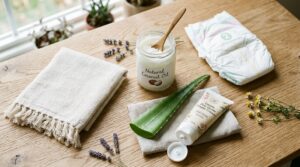
Keep all three. Not because you need more choices, but because a baby’s routine changes every day. Use plain water and cotton for gentle changes at home. Use cloth wipes when you have the time to wash, dry, and store them properly. Keep newborn wet wipes by the bed and in your diaper bag for quick clean-ups when you need them most.
In those first few weeks, simple is best. A newborn only needs gentle cleaning, frequent diaper changes, and completely dry skin before the next diaper goes on.
For night-time changes, travel, and unexpected messes, Teddyy Wet Wipes are an easy water-wipe option to keep within reach.
Frequently Asked Questions
Are store-bought wet wipes safe for daily use on a newborn’s diaper area?
Yes, they can be safe if they are made for baby skin and are free from alcohol and strong fragrance. If the baby’s skin becomes red or dry after using a wipe, stop using it for a few days and switch to water and soft cotton.
How do I wash and sanitise cloth wipes to make them hygienic for repeated use?
Rinse poop-stained cloth first. Wash them with mild detergent, dry them fully in sunlight when possible, and store them only when they are completely dry. Do not reuse damp cloth wipes.
Is plain water alone sufficient to clean a baby’s bottom after a poop diaper change?
For a small mess, yes. For sticky poop, water may need help from cotton, a soft cloth, or a gentle newborn wipe. The folds near the thighs and bottom should be cleaned properly without rubbing hard.
Which cleaning method is least likely to cause diaper rash or skin irritation in Indian babies?
Plain water with soft cotton is often the gentlest when the skin is sensitive. Alcohol-free and fragrance-free newborn wet wipes are also suitable for many babies. Delayed changes, rough wiping, tight diapers, and damp skin usually cause more trouble.
What is the monthly cost difference between using wet wipes, cloth wipes and water in India?
Water costs the least. Cloth wipes need a small one-time purchase but require washing and drying. Wet wipes cost more because they are disposable, so many parents use them mainly for travel, night changes, and poop clean-ups.
What do Indian paediatricians recommend for cleaning a newborn during the first 4 weeks?
For the first few weeks, water and soft cotton are a safe home routine. Mild newborn wet wipes can be kept for convenience, especially for travel, night changes, and poop cleaning. The main rule is to clean gently and keep the diaper area dry.