
Baby Wipes Ingredients Decoded: What’s Safe and What to Avoid
By Teddyy Editorial Team | Last Updated: July 18, 2026
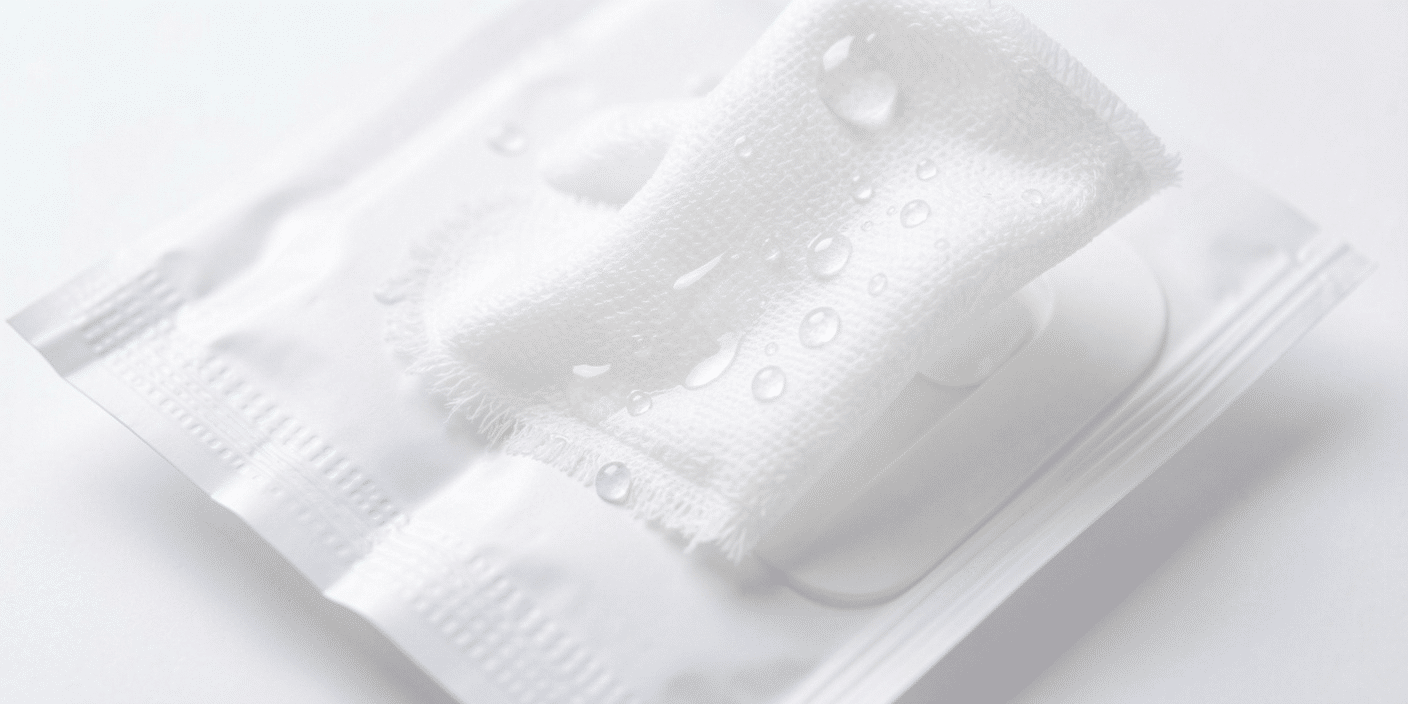
Baby skin is up to 30% thinner than adult skin, which means it absorbs more of what it comes into contact with. Baby wipes are used multiple times every day — during diaper changes, after feeding, and to clean hands and face. When something is used that frequently, it makes sense to take a closer look at what’s in it.
Most parents pick up a pack of baby wipes based on packaging or habit, without much thought about the ingredient list. But ingredient labels on baby wipes can sometimes include chemicals that are worth knowing about — especially for newborns and babies with sensitive skin.
This guide breaks down the most common baby wipe ingredients, explains which ones to be cautious about, and helps you understand what to look for the next time you’re choosing wipes for your baby.
Harmful Chemicals to Avoid in Baby Wipes
Not every ingredient found in baby wipes is harmful, but some are worth paying attention to — particularly if your baby has sensitive or reactive skin. Here are a few commonly discussed ones:
Alcohol
Alcohol has antibacterial properties, which is why it appears in some wipe formulations. However, with repeated use, it can dry out delicate skin. For daily diaper changes — where wipes are used multiple times — this is worth keeping in mind.
Artificial Fragrance
Synthetic fragrances are one of the more common causes of skin irritation in baby products. A wipe may smell pleasant, but the chemicals used to create that scent can trigger reactions in sensitive skin. Fragrance-free options are generally considered safer for babies, especially newborns.
Parabens
Parabens are preservatives used to extend the shelf life of products. They appear in a range of personal care items, including some baby wipes. Many parents now prefer paraben-free products, and there are plenty of options available that use alternative preservation methods.
PHMB (Polyhexamethylene Biguanide)
PHMB is effective against bacteria and is used in some wipes as a preservative. However, it can be harsh on sensitive skin and is considered a potential skin sensitiser. Parents of newborns or babies prone to irritation may prefer wipes that use gentler alternatives.
Safe & Skin-Friendly Ingredients to Look For
When choosing baby wipes, simpler is often better. Water-based, plant-derived, and fragrance-free formulations tend to be gentler on baby skin. Here’s what to look for:
Safe Ingredients Checklist
| Category | Safe Ingredients to Look For |
|---|---|
| Preservatives | Vitamin E, Sodium Benzoate, Potassium Sorbate |
| Cleansing Agents | Coco-glucoside, Decyl Glucoside |
| Moisturisers | Aloe Vera, Shea Butter, Almond Oil |
| Solvents | Water-based |
| Fragrance | Fragrance-free or natural extracts |
Why Water-Based Wipes Are Popular
Water-based wipes take a simpler approach — less residue, fewer additives, and a shorter ingredient list. Wipes with 99% water formulations tend to be gentler and are often recommended for newborns. Two ingredients commonly found in gentler wipes are:
- Aloe Vera — helps cool irritated skin and adds hydration
- Vitamin E — supports the skin barrier, acts as an antioxidant, and helps maintain moisture balance
Reading Baby Wipe Labels: A Parent’s Guide
Baby wipe labels can seem more complicated than they are. A few simple habits can help you make a more informed choice at the store.
Check the Ingredient List
An extremely long ingredient list is worth checking carefully. While not every ingredient is harmful, many parents prefer simpler formulations — fewer ingredients mean fewer things that could potentially irritate sensitive skin.
“Unscented” Is Not the Same as “Fragrance-Free”
“Unscented” products may still contain masking chemicals that neutralise odour without adding fragrance — but those masking agents can still irritate skin. “Fragrance-free” means no added fragrance of any kind has been used. For babies with sensitive skin, fragrance-free is the better choice.
Look for Safety Labels
Some wipes carry labels that offer reassurance about their formulation. Common ones include:
- Dermatologically tested
- Hypoallergenic
- Paraben-free
- Alcohol-free
These labels don’t guarantee a product is perfect for every baby, but they do indicate the manufacturer has taken steps to reduce potential irritants.
Wipes for Newborns vs Older Babies
A newborn’s skin and an older baby’s skin have different needs. Here’s what to note when choosing wipes for each stage:
For Newborns
Newborn skin is especially delicate. Fragrance-free, alcohol-free, and 99% water wipes with minimal ingredients are generally recommended. The goal at this stage is to clean gently without introducing unnecessary chemicals to sensitive, developing skin.
For Older Babies
As babies grow, they tend to have messier diaper changes, which may call for wipes with stronger cleaning ability and more durability. Thicker wipes can also reduce the number used per change. While ingredient awareness is still important, the skin tends to be slightly less reactive than in the newborn stage.
Eco-Friendly & Biodegradable Wipes: Are They Also Safe
Eco-friendly and biodegradable wipes have become more widely available. Many use plant-based fibres, simpler formulations, and fewer plastic components — which is a positive shift for environmental reasons.
However, “eco-friendly” doesn’t automatically mean gentler for baby skin. It’s still worth checking for fragrance, preservatives, alcohol content, and the overall length of the ingredient list. The safest baby wipes are those that balance gentle ingredients, minimal additives, and reliable cleaning — whether or not they carry an eco label.
DIY Baby Wipes: Safe Homemade Alternatives
Some parents choose to make baby wipes at home as a way to reduce unnecessary ingredients and have full control over what touches their baby’s skin. DIY wipes are typically made using:
- Soft cloth or cotton wipes
- Water-based cleaning solutions
The biggest advantage of homemade wipes is ingredient control. However, homemade wipes do require proper hygiene and careful storage. Without preservatives, they spoil faster than packaged wipes. For parents who want a middle ground, simple water-based baby wipes offer a balance between convenience and ingredient safety.
Wrapping Up
Most parents want baby products that fit naturally into daily life, don’t irritate their baby’s skin, and feel safe to use repeatedly. Over time, the right wipes stop demanding attention — the routine just becomes smoother.
If you’re looking for guidance on which products are well-suited for newborns specifically, our guide to the best diaper wipes for newborns covers options that are gentle, comfortable for baby’s skin, and easy to trust every day.
Looking for wipes that are biodegradable and antibacterial, made from plant-based materials? Check out Teddyy baby wipes — designed to be gentle on baby skin and kind to the environment.