
Cloth Diapers vs Disposable Diapers in 2026: Cost, Convenience & Environment
By Teddyy Editorial Team | Last Updated: July 7, 2026
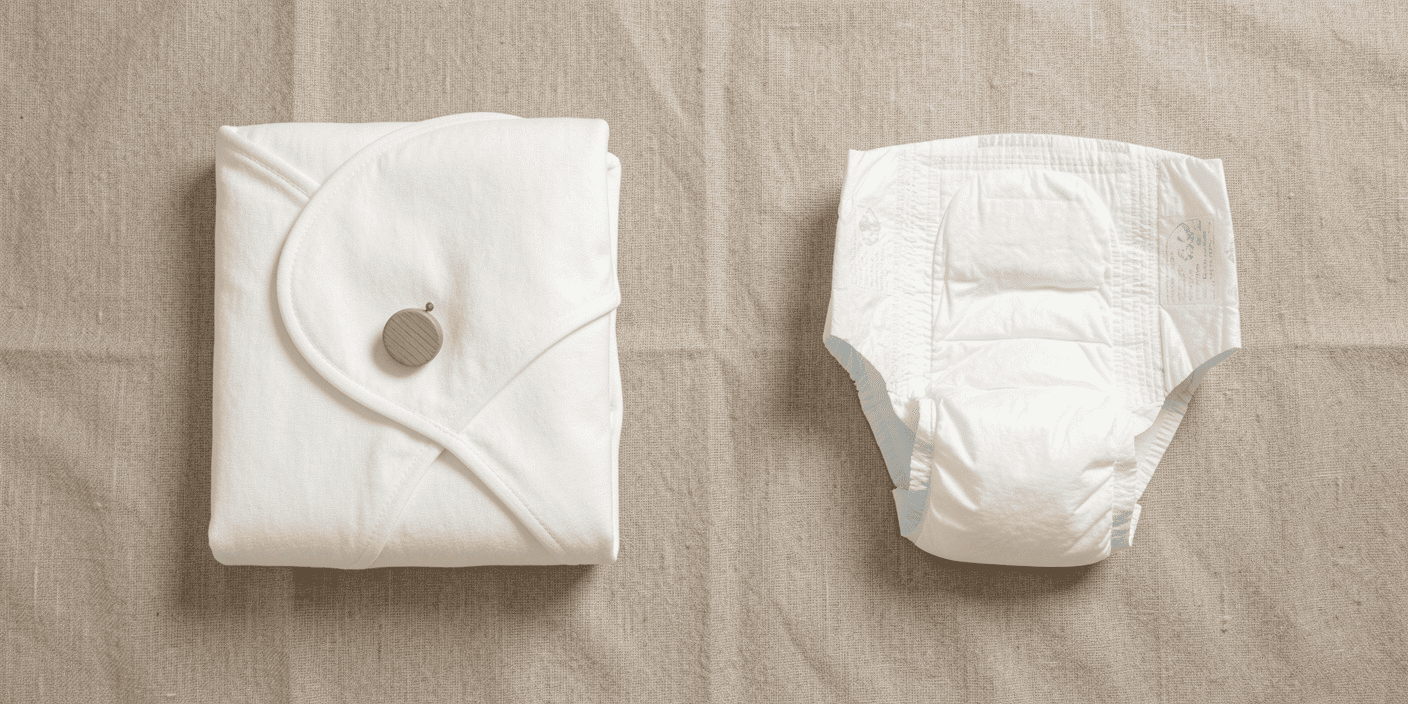
An average baby may go through nearly 5,000 diapers before toilet training. It is around the second month of parenting that most Indian families face the same dilemma: Should you switch to reusable clothes diapers or continue with disposables?
One promises lower waste and long-term savings. The other promises dry nights, easier travel, and less laundry. The cost of one is obvious since you are buying it, but the other might just have some hidden costs. Add advice from grandparents, parenting groups, and Instagram reels, and the decision starts feeling bigger than it should.
The truth is simpler. Both options work well in different situations. Another important fact to remember is that many Indian parents do not stick to just one type. They mix and match depending on the weather, routine, and convenience. If you are wondering how you can make the right decision between clothes diapers and disposable ones, this read is for you!
True Cost Comparison: Cloth vs Disposable Over 2 Years
At first glance, disposable diapers seem cheaper. You buy one packet at a time, so the spending feels manageable.
But diaper costs build up quickly over two years. An average baby uses around 6 diapers per day and roughly 4400 diapers in 2 years.
If one disposable diaper costs around ₹15 on average:
| Expense | Estimated Cost |
|---|---|
| Disposable diapers for 2 years | ₹66,000 |
| Cloth diaper set (20 diapers) | ₹16,000 |
| Washing costs over 2 years | ₹12,000 |
| Total cloth diaper cost | ₹28,000 |
Estimated Savings with Clothes Diapers
Using non disposable diapers can save around ₹38,000 over two years. However, cloth diapers require:
- Regular washing
- Drying space
- Planning during travel and the monsoon
That trade-off matters for many parents.
Environmental Impact of Disposable Diapers in India
Disposable diapers create a significant amount of waste. Every used diaper goes into the bin and stays in the landfill for years. For eco-conscious parents, this is usually the biggest concern.
Why Clothes Diapers Appeal to Environment-Conscious Families
Reusable cloth diapers:
- Reduce household waste
- Can be reused for years
- Often work for a second child too
Many parents also resell used clothes diapers through parenting groups.
Cloth Diapers Are Not Completely Effort-Free
They still consume:
- Water
- Detergent
- Electricity
In Indian cities with long monsoons, drying can become difficult. Families in Mumbai, Kolkata, and Kerala often need a larger rotation of diapers because fabrics take longer to dry. Dry-climate cities like Delhi and Jaipur are usually more cloth-diaper-friendly.
Convenience Factor: Which Is Easier for Indian Parents
Convenience depends heavily on your lifestyle.
Disposable Diapers Win for Busy Days
Disposable diapers are easier when:
- Travelling
- Managing night-time changes
- Stepping out for long hours
- Handling daycare routines
You simply change, roll, and throw away. That matters a lot for sleep-deprived parents. Their biggest advantage is overnight absorbency. Many can comfortably handle 10-12 hours at night.
Cloth Diapers Need More Routine
Reusable cloth diapers work best when:
- Someone is at home regularly
- A washing machine is available
- Laundry loads are manageable
Parents need to store used diapers, wash them every 2-3 days, and dry them completely before reuse. Without a washing machine, the process can become exhausting.
Skin Health: Which is Better for Baby’s Skin
Skin comfort depends less on marketing claims and more on:
- Breathability
- Moisture
- How frequently diapers are changed
Paediatricians generally recommend changing diapers:
- Every 3 to 4 hours during the day
- Every 6 hours at night
Teddyy Premium Diaper Pants stay leak-free up to 6 hours, which makes nights easier.
Why Some Parents Prefer Cloth Diapers
Cloth washable diapers use breathable fabrics like cotton, bamboo blends, and flannel
These materials allow better airflow. They are often preferred for:
- Babies with sensitive skin
- Eczema-prone babies
Disposable Diapers Can Still Work Well
High-quality disposable diapers offer:
- Excellent absorbency
- Better overnight dryness
- Fewer leaks
But during peak summer, especially in 40°C heat, prolonged use without changing can increase rash risk. The key is frequent diaper changes, regardless of diaper type.
That said, antibacterial, breathable diapers with super-absorption quality, like Teddy Diapers, can be easier on the baby’s skin. With the wetness indicator, you will know exactly when to change the diapers and prevent any rashes.
Hybrid Diapers: The Middle Ground Option
Most Indian families eventually create their own system.
A common approach looks like this:
| Situation | Preferred Option |
|---|---|
| Daytime at home | Clothes diapers |
| Night-time | Disposable diapers |
| Travel | Disposable diapers |
| Short naps | Cloth diapers |
| Weddings or outings | Disposable diapers |
This hybrid method balances:
- Convenience
- Lower costs
- Reduced waste
- Easier night-time care
For many working parents, this becomes the most practical setup.
Daycare & Cloth Diapers: What You Need to Know
Daycare is where many parents switch partially or fully to disposable diapers. Why? Because disposables are:
- Easier for caregivers
- Quicker to change
- Simpler to dispose of
Some daycares may not accept reusable clothes diapers due to:
- Storage issues
- Washing requirements
Many parents continue using clothes diapers at home and switch to disposables outside.
Wrapping Up
The answer to the cloth diapers vs disposable diapers debate is not the same for everyone. The better option depends on your city, your routine, your budget, your baby’s skin, and how much laundry you can realistically handle.
Choose clothes diapers if:
- You have a washing machine.
- You want long-term savings.
- You live in a dry climate.
- Reducing waste matters to you.
Choose disposable diapers if:
- Convenience matters most.
- You travel often.
- Both parents work long hours.
- You live in a humid city.
Choose both if you want practicality without fully committing to one system. That is what many Indian parents end up doing anyway. You just have to find the right options for your little one.