Signs Your Baby Needs the Next Diaper Size: 7 Telltale Indicators
By Teddyy Editorial Team | Last Updated: July 7, 2026
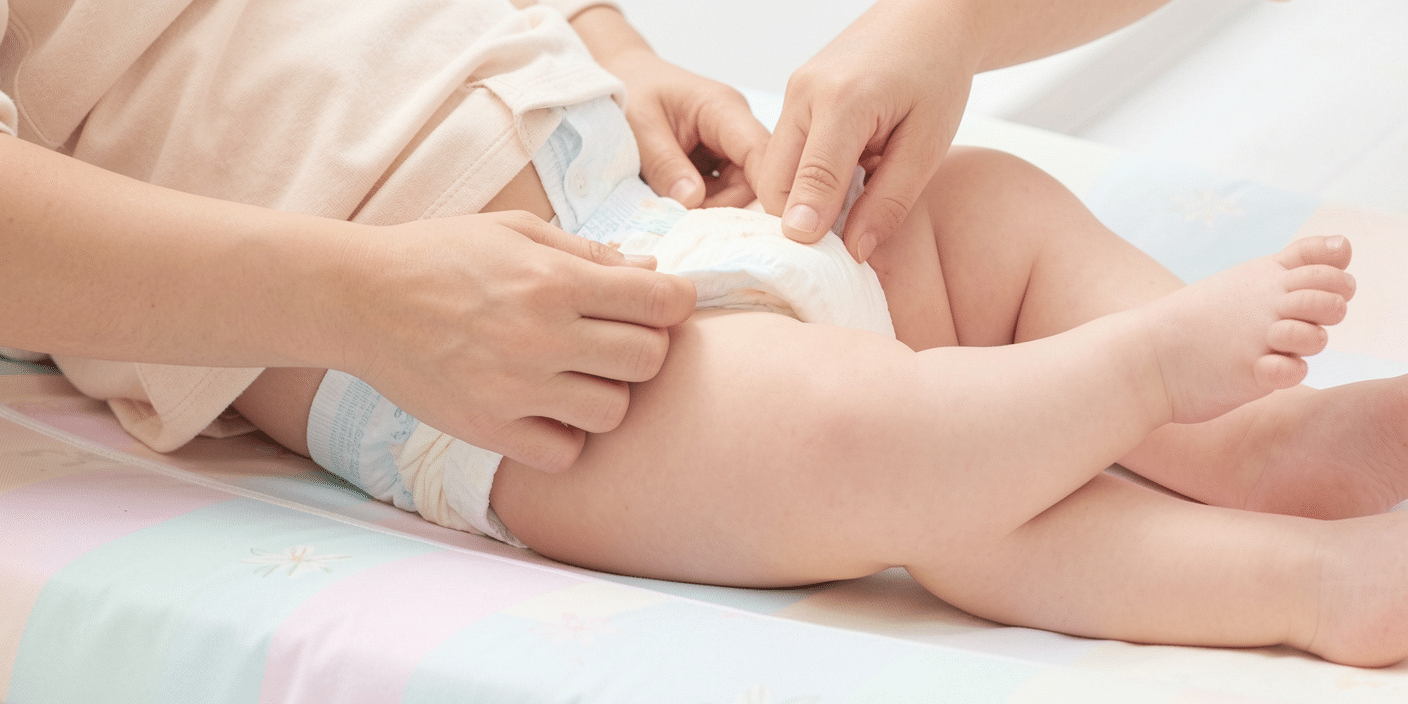
Every parent has that one moment. You pick up the baby after a nap, and somehow the diaper leaked onto the bedsheet, clothes, pillow, maybe even you. Then starts the investigation at home. “Did we put the diaper size wrong?” “Was it too full?” “Should we change the brand?” Sometimes the answer is much simpler. The diaper has become too small. Babies grow quietly. One day they move differently, chafe around the legs, sleep differently, or start wriggling during every diaper change. These are all signs your baby has outgrown the current diaper size.
Physical Signs of a Too-Small Diaper
Most babies show physical signs first before parents realise the fit has changed. During diaper changes or bath time, these things become easier to notice.
Common signs include:
- Deep red marks near the thighs
- Tight waistband lines staying on the skin for too long
- Diaper looking too low from the back
- Tape stretching more than earlier
- Frequent side leakage despite proper fitting
- Baby looking uncomfortable right after peeing
- Diaper feeling unusually tight while lifting or carrying the baby
These marks and signs point to a diaper that has stopped fitting the baby’s body shape more easily.
Behavioural Signs Baby Needs a Size Change
Babies obviously cannot tell parents the diaper feels tight, but they react in other ways.
Sometimes babies suddenly become cranky during diaper changes. Some start pulling at the diaper area repeatedly. Others sleep badly after peeing because the fit feels uncomfortable once the diaper gets heavy.
Parents often notice things like:
- Crying more during diaper changes
- Restless sleep at night
- Pulling or scratching near the waistband
- Fussiness after urinating
- Refusing to lie still during changes
A tight infant diaper often feels heavier and more restrictive after use.
Frequency of Leaks as a Size Indicator
One random leak is normal. Frequent leakage usually means something has changed. When the diaper becomes too small, absorbency gets affected because the fit becomes tighter around the body. Liquid does not spread evenly inside the diaper anymore.
Parents commonly notice:
- Side leaks near the thighs
- Nighttime leakage has increased suddenly
- Wet clothes after naps
- Blowouts happening frequently
Weight Thresholds: When the Numbers Tell You to Move Up
Simple weight checks at home help a lot.
Things parents usually follow:
- Check baby’s weight every few weeks
- Compare the weight with the diaper pack guidance
- Move up a size near the upper weight limit
- Observe the thigh and waist fit together
- Don’t wait for constant leakage before sizing up
The smallest diaper size usually works only during the newborn stage before babies quickly move into the next size category.
Diaper Fit Check Routine for Parents
Most parents check feeding and sleeping routines properly, but diaper fitting gets ignored till problems begin.
A quick diaper fit check every week or two makes things easier.
Parents can look for:
- Comfortable waistband placement
- No deep skin marks
- Proper coverage at the back
- Easy tape fastening
- Secure fit near the legs without gaps
Even small fit changes become noticeable once parents start checking regularly.
Sizing Up Gradually vs. All at Once
Many parents try adjusting to the smaller diaper size for a few extra weeks just to finish old stock. This often backfires. The body changes, and the diaper no longer fits the way it should.
Moving up one size is usually better than stretching the current size. Key things to remember:
- Sizing up doesn’t mean wasting old stock completely
- Overlap periods work for some families if the size is borderline
- Trial packs help before bulk buying
Finding the correct balance matters more than forcing a smaller fit.
Wrapping Up
Babies change sizes faster than parents expect sometimes. Tight marks, repeated leaks, cranky diaper changes, or uncomfortable sleep often point toward the same thing. The diaper fit needs an upgrade. Parents can check different infant diaper options, tape diapers, pants diapers, and baby care products at Teddyy Diaper according to their baby’s growth and comfort needs.