
Colds in Babies: Causes, Symptoms, Tips and Remedies
By Teddyy Editorial Team | Last Updated: July 20, 2026
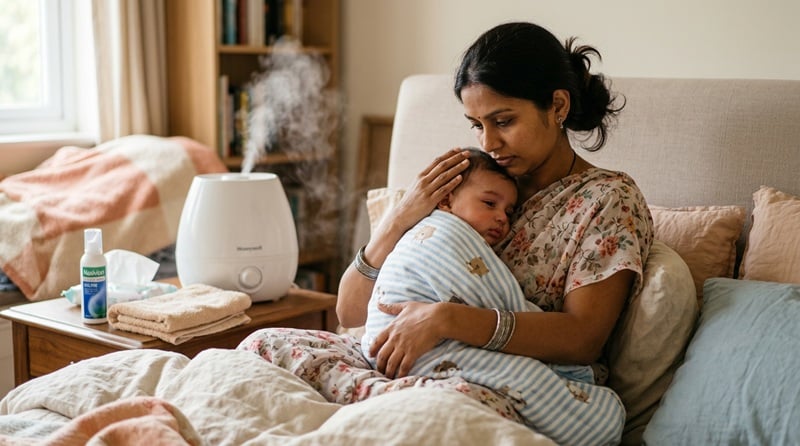
Dealing with colds in babies can be worrying for new parents, especially during the first year. Babies are more susceptible to the common cold because their immune systems are still developing. Understanding the causes, symptoms, and safe remedies for colds in babies helps parents respond quickly and keep their little ones comfortable. In this guide, we cover everything you need to know about managing colds in babies effectively.
Key Takeaways
- Little noses get lots of cold.
- A healthy baby can catch almost 8 to 10 colds a year, in their first two years.
- We’ve all had colds and can probably rattle off the standard symptoms of cold from the top of our heads.
- Yes, babies can get colds even during summertime! This is because the set of viruses that cause colds during the summers are different.
- So, your baby has a cold, and you find yourself searching, “how to cure a cold fast overnight”? Well, when a baby has a cold, their body is learning to protect itself and the best assistance you can offer is comfort during the process.
Common Colds In Babies: One In A List Of Many Firsts
Little noses get lots of cold. There are plenty of ‘baby firsts’ to look forward to, from their first smile to their first step. But you know what’s not on the list? Their first cold.
No matter how protective you were of your little one, it’s very easy for babies to catch colds and infections in their first two years of birth. Especially if they are in a day care or have siblings and family members that bring germs home.
And though these baby colds are totally manageable – most of the time, the sniffles and sneezes can be really tough on their loving parents – you. So here we are to teach you what causes common colds, how to prevent and treat them and just deal with the harsh weather better.
What Causes Colds In Babies
A healthy baby can catch almost 8 to 10 colds a year, in their first two years. This is because your baby’s immunity system still isn’t strong enough to fight the 100 or so viruses that cause colds.
The cold viruses spread through the air when someone who’s sick coughs or sneezes. They can also land on surfaces such as toys and tables. When babies touch these surfaces and put their hands in their mouth – they give the cold viruses the red-carpet VIP treatment.
What Are the Signs Of Baby Cold
We’ve all had colds and can probably rattle off the standard symptoms of cold from the top of our heads. Baby cold symptoms aren’t much different, here are a few:
- Stuffy and runny nose
- Sneezing and coughing
- Fever
- Irritability
- Reduced appetite
- Trouble sleeping
- Vomiting and diarrhea
Colds usually go away within a week or so, but you should contact your doctor if:
- The cold doesn’t go away even after 10 days.
- Your baby has a problem breathing.
- Your baby has a fever above 100.4°.
- Your baby isn’t eating or drinking anything.
Baby Summer Colds
Yes, babies can get colds even during summertime! This is because the set of viruses that cause colds during the summers are different. The treatment and prevention, however, remain the same.
What Are the Best Tips For Treating Baby’s Cold
So, your baby has a cold, and you find yourself searching, “how to cure a cold fast overnight”? Well, when a baby has a cold, their body is learning to protect itself and the best assistance you can offer is comfort during the process. To help your little one feel better, you can always use these home remedies for cold and cough for babies:
- Unblock their stuffy nose.
- Elevate their bed to make sleeping easier.
- Humidify the air to help their stuffy nose and breathe better.
- Just let them rest.
How to Prevent Colds in Babies
Prevention is always better than cure when it comes to colds in babies. Washing hands before handling your baby, keeping sick visitors away, and ensuring proper ventilation in the nursery are simple steps that make a big difference. Breastfeeding also provides antibodies that help protect against colds in babies during their first months of life.
If your baby does catch a cold, monitor their temperature and fluid intake closely. Most colds in babies resolve within 7 to 10 days without medical intervention. However, if symptoms worsen or your baby develops a high fever, consult your pediatrician immediately.
Expert Resources on Colds in Babies
For trusted medical guidance on managing colds in babies, refer to these expert resources: the American Academy of Pediatrics (AAP) provides comprehensive guidelines, the World Health Organization (WHO) offers global newborn health recommendations, and HealthyChildren.org has parent-friendly advice on treating infant colds safely.
Related Articles You May Find Helpful
- Self Care Tips for New Mums
- Taking Care of Yourself After Birth
- Diaper Rash: Causes, Symptoms and Remedies
- How to Change a Baby’s Diaper
How a Cold Differs From the Flu in Babies
Common cold: gradual onset, mild fever (often under 100°F), runny or stuffy nose, mild cough, sneezing, slight fussiness — usually lasts 7-10 days. Flu: sudden onset, higher fever (101-104°F), severe body aches, extreme fatigue, dry persistent cough, sometimes vomiting or diarrhoea — lasts 7-14 days and needs closer monitoring. Babies under 6 months with any flu-like symptoms should be seen by a pediatrician promptly. RSV and bronchiolitis can mimic colds initially but cause wheezing or chest retractions.
Stage-by-Stage Cold Timeline (What to Expect Each Day)
Day 1-2: scratchy throat, mild stuffy nose, slight fussiness. Day 3-5: peak symptoms — heaviest congestion, thick mucus, possible low-grade fever, poor sleep. Day 6-7: mucus changes from clear to yellow-green (this is normal recovery, not infection getting worse). Day 8-10: gradual improvement, energy returns. If symptoms worsen after day 5, fever reappears after going away, or breathing becomes laboured at any stage, contact your doctor — these can signal secondary infections like ear infection or pneumonia.
Comfort Care That Actually Helps
Saline nasal drops + bulb syringe before each feed and bedtime, cool-mist humidifier in the room overnight, slight head elevation during naps using a wedge under the mattress (never inside the crib), and steamy bathroom sit-ins for 10-15 minutes loosen mucus. Keep up regular feeds in smaller, more frequent portions. For babies over 12 months, a teaspoon of warm honey before bed can ease cough naturally. Skip rubs with menthol or strong-smelling balms on babies under 2 years.
Medications: What Is Safe and What to Avoid
Paracetamol (after consulting your pediatrician) for fever above 100.4°F or visible discomfort — never aspirin in children due to Reye’s syndrome risk. Avoid all over-the-counter cough and cold syrups for babies under 4 years; major safety bodies have flagged them as ineffective and dangerous. No decongestants, antihistamines, or codeine for infants. If your doctor prescribes anything specific, follow exact dosing by weight, not age. Antibiotics do not work on cold viruses and should not be requested.
How to Keep the Rest of the Family Healthy
Wash hands often with soap and water, especially before handling the baby and after wiping noses. Disinfect frequently touched surfaces — toys, doorknobs, remote controls, mobile phones. Sneeze and cough into a tissue or your elbow, not your hand. Sick caregivers should wear a mask if close contact is unavoidable. Avoid kissing the baby on the face or hands. Keep a separate towel and washcloth for the sick baby and wash them in hot water daily.
Red Flags: When to Take Your Baby to the Doctor
Take your baby to the pediatrician immediately if they are under 3 months and show any cold symptoms, have a fever above 100.4°F, breathe fast (over 60 breaths per minute) or with chest retractions, refuse feeds for over 8 hours, have fewer wet diapers than usual, develop wheezing, blue lips, persistent vomiting, ear pulling with crying, or a cough lasting beyond 14 days. These can signal RSV, ear infection, pneumonia, or bronchiolitis — all of which need urgent care.
Learn more in this guide on how and when to treat your baby’s fever.
Frequently Asked Questions
How to prevent baby’s colds?
Unfortunately, you can’t prevent every cold, especially during flu season. But you sure can lower your baby’s risk of catching cold with these tips:
- Ask anyone who’s sick needs to stay away from your baby.
- Keep your baby away from crowded places where there can be lots of germs.
- Wash your hands often. Someone wants to play with your baby? Ask them to wash their hands too.
- Clean your baby’s toys often.
- Don’t let anyone use your baby’s utensils, towels, soap, etc.
- Don’t let anyone smoke near your baby.
Now take it easy on yourself, mama and papa! Your baby may be the one with the cold, but we know it’s hard on you too. Hopefully, this blog has told you something about how to get relief from cold for baby. And remember, what your baby needs most during times of cold is their mummy and daddy.
Have more doubts or some tips for fellow parents? Write them down below!
How do you treat a cold in a baby?
When a baby has a cold, their body is learning to fight the viruses that cause cold. And the best course of action is to let their body do its thing and offer comfort to your baby throughout the process. To comfort them, you can:
- Unblock their stuffy nose.
- Elevate their bed to make sleeping easier.
- Humidify the air to help their stuffy nose and breathe better.
- Just let them rest.
When should you worry about a baby’s cold?
You should worry about a baby’s cold if:
- The cold doesn’t go away in 10 days.
- The baby has fever over 100.4°.
- The baby has problems breathing.
- The baby isn’t eating or drinking anything.
How do I know if baby has a cold?
A baby has a cold when you notice these symptoms:
- Runny or stuffy nose
- Coughing and sneezing
- Fever
- Fatigue and irritability
- Reduced appetite