First-Time Parent Diaper Guide: Everything You Need Before Baby Arrives
By Teddyy Editorial Team | Last Updated: July 13, 2026
Every expectant parent gets advice from all sides. One person will tell you how to feed the baby, another will tell you how to wrap the baby, and someone else will defi
Every expectant parent gets advice from all sides. One person will tell you how to feed the baby, another will tell you how to wrap the baby, and someone else will definitely have an opinion on sleep, massage, bathing, and even which old cotton clothes to keep ready. But nothing really prepares you for that silent 3:00 AM moment when your newborn has a blowout that makes it to the swaddle, the clothes and somehow the bedsheet too.
That’s when newborn diapers stop being a small item on your shopping list and become part of your daily survival kit. For new parents, a good diaper routine can make those early weeks less messy and a little more manageable.
At Teddyy Diaper, parents can buy newborn diapers, tape diapers, diaper pants, wet wipes, changing mats and nappy pads for their baby based on weight, age and comfort needs.
How to Build Your Diaper Stash Before Baby Arrives
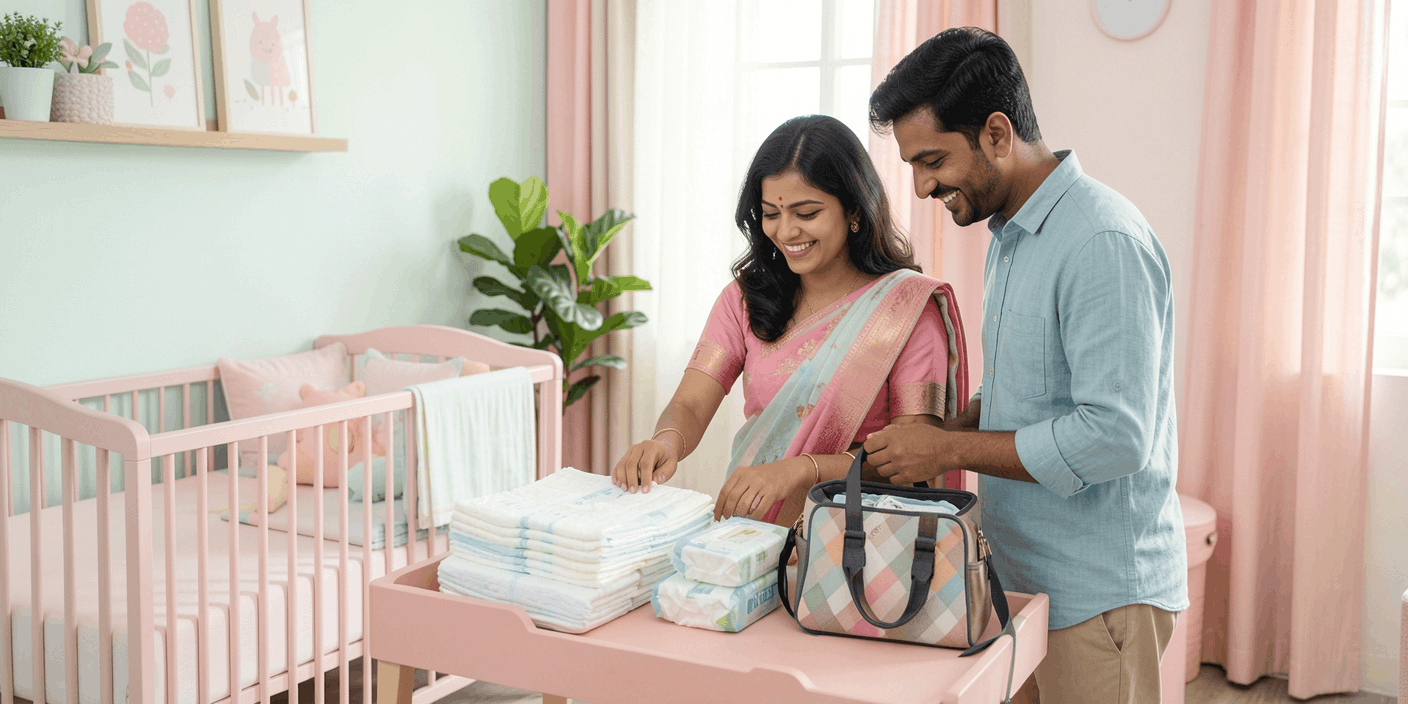
Newborns grow quickly. A resourceful diaper stash helps you keep up with their growth. It generally involves all the essentials:
-
- 2–3 packs of newborn diapers
- 1 small backup pack of the next size
- Newborn diaper wipes
- Diaper changing pad
- Disposable bags for used diapers
- Rash cream
- Soft cotton cloths
- One small nighttime diaper basket
- One travel-ready infant diaper bag essentials
Newborn Diaper Basics: What No One Tells First-Time Parents
First surprise? You will often change the newborn’s diaper. This means certain diaper basics need to be on your fingertips before the little one arrives. First off, newborn diapers are of two types:
Tape-Style Diapers
Open-style diapers that come with adjustable adhesives, tape-style diapers are suitable for newborns since they tend to soil themselves often. The tabs on tape-style diapers ensure that the diapers fit the baby without making them uncomfortable. They can be unfastened multiple times and protect the healing umbilical cord.
Pant-Style Diapers
Pant-style diapers are perfect companions as your baby grows and becomes more active. As the name suggests, they can be worn like underwear and come with a stretchy, elastic band for maximum comfort. Some of these diapers also come with disposal tapes that make it easy to roll them up after usage.
Key Features to Look For in Baby Diapers
Keep an eye out for these features when committing to a brand or newborn diaper set.
Gentle Material
A baby’s skin is, by far, the most sensitive. Newborn diapers made from a gentle material interact delicately with their skin and keep them comfortable. The outcome is a cooing little infant and not an agitated, bawling one.
High Absorbency
A must-have feature in newborn diapers, high absorbency ensures that the diaper can keep up with your newborn baby’s frequent urination. High-quality diapers come with wetness indicators that tell parents when a change is due.
Wiggle Room
As your newborn grows, each day is a new opportunity for them to learn movements. A good diaper aids in this growth. It provides plenty of wiggle room through a breathable design and soft diaper cushioning.
Setting Up a Diaper Changing Station at Home
A diaper changing station does not need to look like a Pinterest nursery. In many Indian homes, space is limited, and the changing corner may be on the bed, floor, or a small table. What matters is safety and reach.
Decide on a Setup
Choose a spot that is:
- Easy to clean
- Away from direct fan blast
- Safe enough that the baby cannot roll off
- Comfortable for the parent’s back
Keep Supplies Handy
The diaper stash for your newborn is merely a part of the diaper changing station. Keeping additional hygiene and baby care items handy means ensuring your baby’s absolute well-being. Include these supplies, too:
- Baby lotion
- Baby hair brush and cream
- Pacifiers
- Booger picker
- Nail clippers
- Burp clothes
- Small toys
Many first-time parents maintain a portable diaper changing station along with a backpack for newborn infants. As long as you have on-the-go necessities in the kit, you’re prepared for a quick change anywhere.
Understanding Diaper Absorbency: Day vs Night Needs
Daytime and nighttime diaper needs are different. During the day, parents may need to change diapers more often. At night, babies may sleep longer stretches, and the diaper needs better absorbency.
| Situation | What Parents Usually Need |
| Daytime at home | Frequent changing, soft fit, easy fastening |
| Long naps | Better absorption for 2–3 hours |
| Night sleep | Longer dryness and leak control |
| Travel | Comfort plus absorbency |
| Humid weather | Breathable fit and frequent checks |
Diaper Rash 101: Prevention Before It Starts
Diaper rash can make a calm baby restless. Usually, it is caused by:
-
Irritation or Allergies
A baby’s skin constantly makes contact with pee, poo, and sweat. It also interacts with a variety of soaps, wipes, and diaper materials around the clock. These may irritate their skin and potentially lead to allergies and skin rashes.
-
Infection
Your baby’s pee and poo impact their skin’s pH levels, even if it’s not visible to you right away. This makes way for bacterial and fungal growth. The outcome is rashes and infections.
- Early Detection
The good thing is that many early rashes can be prevented with simple habits. The NHS recommends changing wet or dirty nappies as soon as possible to keep the baby’s skin clean and dry. Look out for these signs for early detection:
- Redness or soreness
- Skin peeling
- Blisters or open sores
- Red bumps oozing fluid
- Discomfort in your baby when they are in diapers
- A Prevention-first Routine
Apply these tips to make sure your baby does not develop rashes and stays joyful around the clock:
- Change poop diapers quickly.
- Clean your baby’s bottom gently in warm water from time to time
- Pat the area dry before putting on a fresh diaper.
- Use breathable diapers that enable enough air passage
- Give a little diaper-free time when possible.
- Use rash cream as a barrier when needed or advised.
First-Time Parent: Diaper Mistakes and How to Avoid Them
Every new parent makes small diaper mistakes. That is normal. The trick is catching them early.
-
Skipping the Two-Finger Rule
Need to ensure you’ve got the right-sized diaper for your newborn? Simply put it on your baby and slide two fingers into the waistband. As long as you’re able to do that comfortably, you can rest assured that your baby is comfortable. In contrast, when you sideline the two-finger rule, your baby ends up with an uncomfortable fit and skin irritation.
-
Putting on a Hurried Diaper on Damp Skin
The life of a first-time parent is hectic. You’re always carrying sleep debt, and resting becomes a foreign concept. While the tiring nature of being a parent for the first time is understandable, putting on a hurried diaper even when your baby’s skin is damp can lead to rashes and infection. Let their skin air dry for 5 minutes before putting on a new diaper.
-
Not Preparing Your Baby Before Changing Their Diaper
Just as you need a heads-up before surprise plans to get things in order, your baby needs one before a diaper change. Give them a toy or a trinket to fidget with before you start getting them out of their exhausted diaper. Play with them for a bit. It helps ease them into the process and keeps their restlessness to a minimum.
Wrapping Up
Newborn care feels less scary when the diaper basics are ready before the baby arrives. Start with a small stash of newborn diapers, keep wipes and a changing pad close, set up a simple changing station, and pack one infant diaper bag before the due date.
As your baby grows, keep checking their weight, fit, leaks, and comfort. At Teddyy, we make it easy for parents to find newborn diapers, tape diapers, diaper pants, wet wipes, changing mats, and nappy pads according to their baby’s size, changing routine, and comfort needs.
Frequently Asked Questions
How many newborn diapers should I stock up on before my due date?
Start with 2–3 packs of newborn diapers and one small pack of the next size. This keeps you prepared without overstocking. Babies grow at different speeds, so buying too many of one size can lead to unused diapers later.
What is meconium, and how does it affect my newborn diaper changing routine?
Meconium is your baby’s first poo. It is usually sticky and greenish-black, and it may appear during birth or within the first 48 hours. You may need gentle cleaning, extra patience, and more frequent diaper checks in the first few days.
What are the must-have items for a diaper changing station in a small Indian home?
Keep newborn diapers, wipes, a diaper changing pad, a soft towel, rash cream, extra clothes, disposal bags, and hand sanitiser in one basket. You do not need a large nursery. A clean, safe corner of the bed or floor can work well.
How do I know if my newborn’s diaper is wet when it does not feel heavy?
In the early days, a wet diaper may not always feel bulky. A wetness indicator can help parents check more easily. You can also touch the outer layer gently, check the baby’s fussiness, and follow a regular change routine.
Is diaper rash cream necessary from day one or only after a rash appears?
Many parents keep rash cream ready from day one, but it does not always need to be used at every change. Public Health Scotland suggests using nappy cream when the baby’s skin is red or sore.
What are the most common first-time parent diaper mistakes, and how do I avoid them?
The most common mistakes are buying too many diapers in one size, fastening diapers too tightly, delaying changes, forgetting wipes while travelling, and ignoring early leaks. Avoid them by checking fit, weight, wetness, and baby comfort regularly.