
Nurturing Your Skin Post-Pregnancy: Dealing with Stretch Marks
By Teddyy Editorial Team | Last Updated: April 23, 2026
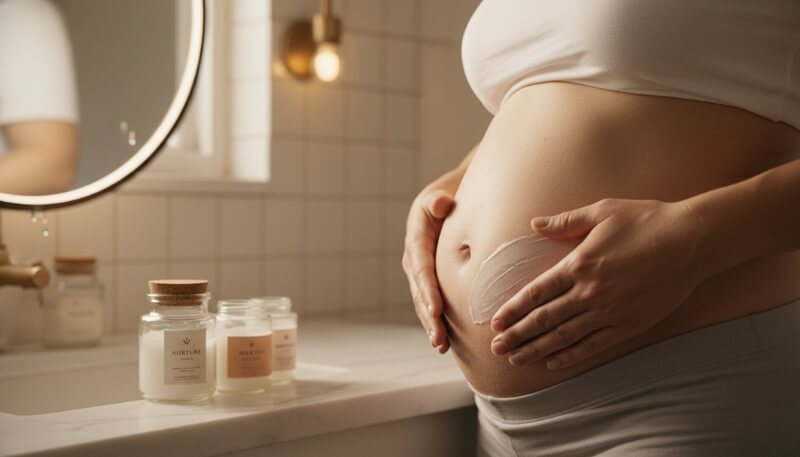
“Don’t hide your scars, your stretch marks,
your laugh lines, your calloused hands.
They are your life story.
They tell the story of your one
amazing, awful, beautiful life
written in the curves and lines of
extraordinary, miraculous, beautiful you.
— A poem by L.R. Knost
As mothers, it’s natural to have mixed emotions about the physical reminders of our journey into motherhood. This poem serves as a reminder to love your body in all its forms, to never touch your body with shame or embarrassment.
It’s understandable to desire to regain your pre-pregnancy body. It might take you a little while to truly see the beauty and miracle your body is capable of and love it for it, but you will get there sooner or later.
Before we begin let’s make one thing clear, we’re not here to give you quick fixes and leave you with empty promises. Instead we hope reading this small piece will bring you just a little closer to how your body deserves to be loved.
What Are Stretch Marks
Stretch marks are a type of scar that develop when your body grows faster than your skin can keep up with. This results in small tears in the elastic fibers just underneath the skin, resulting in stretch marks.
Stretch marks can appear as pink, purple, red, or brown streaks or lines across the skin. And due to the rapid weight gain during pregnancy, nearly 9 in every 10 women will get pregnancy stretch marks on their belly, breasts, buttocks, hips, or thighs.
Can You Get Stretch Marks Even after Pregnancy
Yes, while stretch marks are incredibly common during pregnancy, they can also appear after pregnancy. For instance, when your mammary glands start producing breastmilk the skin on the breasts stretches to accommodate the enlarged milk ducts which can sometimes create stretch marks on the breasts.
Natural hormonal changes that follow childbirth can also increase your risk of developing stretch marks.
Also read: permanent body changes after pregnancy.
Stretch Marks can Sometimes be Itchy as They Heal
While the itchiness of the stretch marks can be mild and easily bearable, any severe itchiness and discomfort should be discussed with your doctor. Even though it’s rare, it could be a rash that forms on stretch marks.
Also read: how pregnancy changes your body.
Do Stretch Marks Go Away
Since stretch marks are scars, like any scar, they are permanent.
We have some good news too – most people find that their stretch marks do fade away naturally and become less noticeable over time. While you may not be able to get rid of them completely, there are certain things you can do to improve the appearance of stretch marks on your skin.
Also read: tips to reduce belly after pregnancy.
Here’s how to fade the appearance of stretch marks after pregnancy
It’s easier to treat at their early stage than when they are older, so, try to start your treatment early after childbirth if you can. Of course, with your doctor’s approval.
Here are a few options that answer the question “How to reduce stretch marks after delivery?”
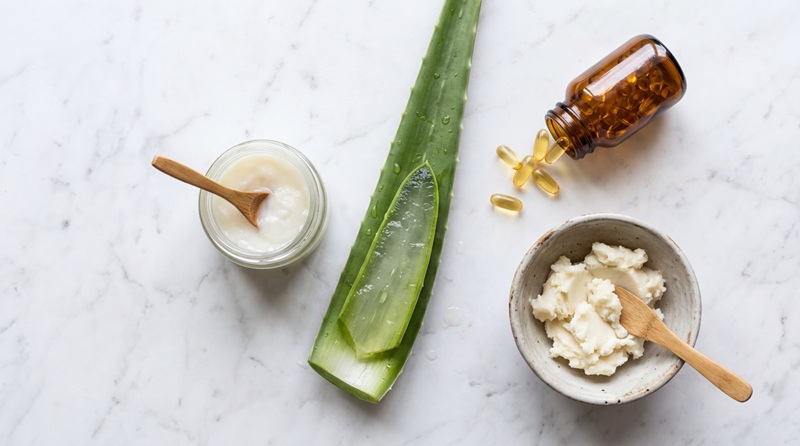
Moisturize Your Skin
There are many self-titled best stretch marks removal cream after delivery – be wary of them as there’s no scientific evidence that these stretch marks cream after delivery work.
You might also get suggestions to use lemon juice, castor oil, aloe vera, or egg whites to treat stretch marks. However, these too are not guaranteed to work. People think they work only because stretch marks become less visible and fade away naturally on their own over time – even without any outside help.
However, according to some recent studies, stretch marks removal cream with hyaluronic acid and tretinoin may help improve the appearance of early stretch marks. But tretinoin isn’t typically safe to use during pregnancy or breastfeeding, so do speak with your doctor before using any stretch marks removal cream.
With that said, keeping your skin moisturized may be one of your best bets to lighten your stretch marks! Keep yourself well hydrated and use moisturizer daily for weeks after childbirth and massage the product into the stretch marks for the best benefits. Moisturizing your skin may also help improve any itching you may feel.
Laser Therapy
Numerous studies have suggested that laser therapy might be one of the most effective treatments for the removal of stretch marks. Laser therapy works by using light to reach deep into your skin’s layers to repair and regenerate skin cells, resulting in smoother skin with improved color and texture similar to the surrounding skin.
Micro-Needling
Micro needling uses fine needles to puncture the skin with an aim of repairing the skin as they heal. Combining it with laser therapy can improve the texture of your skin by thickening your skin’s layers and making the stretch marks less noticeable.
While it may take a while, stretch marks do fade over time – even though it may take years in some cases, but they do. But if you’re unhappy with your appearance and would like a permanent or quick solution, talk with your doctor and they can refer you to a dermatologist.
But in your journey called motherhood, how can we help you? There’s a very important way that we can – by making a better diaper for your baby so that you can have more time for yourself. Teddyy baby diapers are one of the best newborn diapers for sensitive skin, and your child’s best friend when it comes to diapers.
If you want to ask us questions about motherhood, looking after your child or just need someone who listens, we’re here for you and our comments section is all yours.
How long do stretch marks take to fade
Fresh stretch marks usually start out red, purple, or dark brown and are called striae rubrae. Over the next 6 to 12 months they slowly mature into striae albae, which are silvery white, slightly sunken lines. Most stretch marks fade noticeably during this first year postpartum but rarely vanish completely on their own. Consistent moisturizing, sun protection, and treatments started during the early red phase tend to give the best results, as the skin is still actively remodeling collagen during this window.
Best ingredients to look for in a stretch mark cream
Skip the marketing claims and check the ingredient list instead. Hyaluronic acid plumps the skin and may improve the appearance of newer marks. Centella asiatica, also called Gotu Kola, has small studies suggesting it boosts collagen and helps prevent new stretch marks. Retinol can fade fresh red marks but is not safe while breastfeeding, so save it for after weaning. Cocoa butter and shea butter mainly hydrate the skin, which keeps it elastic and comfortable but does not erase existing marks. Always patch test before applying anything new.
Foods that support skin healing after pregnancy
What you eat shows up on your skin. Foods rich in vitamin C like oranges, guava, and bell peppers help your body build collagen, which is the protein that gives skin its bounce. Zinc from pumpkin seeds, lentils, and chickpeas supports tissue repair. Omega-3 fats from walnuts, flaxseed, and oily fish keep skin supple. Stay well hydrated and aim for 8 to 10 glasses of water a day, especially if you are breastfeeding. A balanced postpartum diet does more for your skin from the inside than most creams do from the outside.
When to see a dermatologist about stretch marks
Most stretch marks are a cosmetic concern and not a medical one, but a dermatologist visit makes sense if the marks are itchy and inflamed for weeks, if they appear suddenly without weight gain or pregnancy, or if they cover a very large area and are bothering you emotionally. A skin specialist can recommend in-office treatments like fractional laser, microneedling with radiofrequency, or prescription tretinoin once you have stopped breastfeeding. Setting realistic expectations matters, even the best treatments improve appearance by 30 to 50 percent rather than removing marks completely.
References & Sources
- World Health Organization (WHO). Maternal and Newborn Health. who.int
- Indian Council of Medical Research (ICMR). National Guidelines for Maternal Care. icmr.gov.in
- American Academy of Pediatrics (AAP). Caring for Your Baby. aap.org
- Indian Academy of Pediatrics (IAP). Child Health Guidelines. iapindia.org
- National Library of Medicine. Diaper Dermatitis. pubmed.ncbi.nlm.nih.gov
- National Institute of Nutrition (NIN). Dietary Guidelines for Indians. nin.res.in
You May Also Like




Frequently Asked Questions
How to remove stretch marks after delivery fast?
Removing stretch marks completely is challenging, but there are treatments and remedies that can help reduce their appearance. Some options include topical creams or oils containing ingredients like tretinoin, retinol, or hyaluronic acid, which may promote skin elasticity. Other treatments such as laser therapy, and micro needling can also be effective in minimizing stretch marks. Consult with a dermatologist or your doctor to determine the best course of action for you.
How do stretch marks form?
Stretch marks occur when the skin stretches or shrinks rapidly, causing the fibers underneath the skin to break and result in visible lines on the skin. They commonly occur during pregnancy due to the rapid increase in the size of the abdomen but can also develop during periods of growth or weight gain.
Any special advice for people with sensitive skin to avoid these marks?
If you have sensitive skin, it’s important to take extra care to keep your skin hydrated and maintain its elasticity. Use gentle, fragrance-free moisturizers or oils to keep your skin well-moisturized and supple. Additionally, maintaining a healthy lifestyle, including a balanced diet and regular exercise, can help promote overall skin health and avoid stretch marks during pregnancy.
Is the scar and stretch marks removal permanent?
While treatments and products can help reduce the appearance of scars and stretch marks, complete removal is often not possible. These marks can fade over time and become less noticeable, but they may not disappear entirely. It’s important to consult a healthcare professional to discuss the potential outcomes of different treatment options.