
Understanding the Importance of Vaccination During Pregnancy
By Teddyy Editorial Team | Last Updated: June 25, 2026
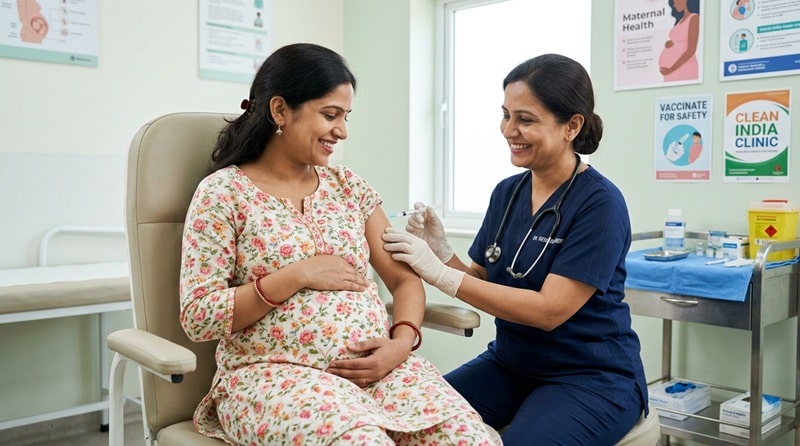
Vaccination during pregnancy plays a vital role in protecting both the mother and the developing baby from serious infections.
Vaccination in pregnancy plays a critical role in protecting both the mother and the developing baby from serious infections. Getting the right vaccines at the right time during pregnancy helps build immunity that passes to your baby, offering protection in the first few months of life. Understanding which vaccines are safe and recommended during pregnancy is essential for every expecting mother.
Pregnancy comes with a lot of responsibilities. It could become overwhelming to track your prenatal care. Amidst all this, expecting women forget to get vaccinated during pregnancy. The fact is, most women don’t even know that they need these vaccines. Or those who do, believe it could harm the baby. We are here to bust that myth. Vaccination during pregnancy is not only safe but also recommended to prevent any unwanted infections. In this article, we will talk about all the vaccinations required during pregnancy and when you should get them.
Key Takeaways
- During pregnancy, vaccination is mainly done to prevent any infections that the mother or the foetus may contract.
- This National Immunisation Schedule (NIS) pregnancy vaccination chart is followed in India.
- The vaccines already mentioned in the pregnancy vaccination chart above are safe to be given during pregnancy.
- As mentioned earlier, live vaccines pose a threat to the baby’s development.
- COVID-19 vaccination is considered a safe vaccination in pregnancy.
What is Vaccination in Pregnancy
During pregnancy, vaccination is mainly done to prevent any infections that the mother or the foetus may contract. This is to ensure a healthy and safe pregnancy for you and to ensure good development for your baby.
Avoiding any risk to the foetus is essential. Hence, only a few vaccines are approved as safe for pregnant women. If you are unsure about which vaccines might be contraindicated in pregnancy, it is always advisable to reach out to your doctor.
Pregnancy Vaccination Chart
This National Immunisation Schedule (NIS) pregnancy vaccination chart is followed in India.
Also read: 5 Weeks of Pregnancy: Milestones, Symptoms and Tips.
| Vaccine | When To Administer? | Dosage |
| TT-1 | Early weeks of pregnancy | 0.5 ml |
| TT-2 | 4 weeks after TT-1 Vaccine | 0.5 ml |
| TT Booster | If the person had received 2 TT doses during a pregnancy
within the last 3 years* |
0.5 ml |
*TT-2 or Booster doses to be given before 36 weeks of pregnancy. However, these can be given even if more than 36 weeks have passed. For a woman who has not received any Tetanus Toxoid (TT) vaccine (Vaccine taken to prevent infection from Clostridium tetani bacteria that enter the body through cuts, wounds, bites, and burns) doses previously, it can be administered to her in labour.
What Vaccinations are Safe During Pregnancy
The vaccines already mentioned in the pregnancy vaccination chart above are safe to be given during pregnancy. Besides, COVID vaccine and flu shot (Influenza – inactivated) are safe for pregnant women but consult your doctor before getting any COVID vaccine.
Which Vaccinations are to be Taken before Pregnancy
If you have been planning your pregnancy, make sure to take the following vaccinations before pregnancy:
- MMR (Measles, Mumps, Rubella) Vaccine – This is a live-attenuated vaccine, which means it contains weakened forms of measles, mumps, and rubella viruses. This causes a minor and harmless infection when administered, so it must be administered at least a month prior to the planned pregnancy.
- Varicella (Chickenpox) Vaccine – If you have not had chickenpox in your childhood and have not been vaccinated for it, taking this vaccine before pregnancy is a must.
- Hepatitis A Vaccine – Only if you are at high risk of Hepatitis A must the vaccination be taken before your pregnancy.
- Hepatitis B Vaccine – If you fear the risk of Hepatitis B, then the vaccination must be taken before your pregnancy.
- HPV (Human Papillomavirus) Vaccine – This vaccine is advised for women up to the age of 26 before pregnancy.
Ensure to take them before pregnancy as advised and follow the vaccination during pregnancy schedule promptly once your pregnancy is confirmed.
Which Vaccines are not Recommended During Pregnancy
As mentioned earlier, live vaccines pose a threat to the baby’s development. Hence, they come under vaccines contraindicated in pregnancy.
Avoid the following vaccines when you are pregnant:
- MMR (Measles, Mumps, Rubella) Vaccine
- HPV (Human Papillomavirus) Vaccine
- Varicella (Chickenpox) Vaccine
- Live Attenuated Influenza Vaccine (LAIV)
- Yellow Fever Vaccine – This live vaccine is only given in circumstances when the mother is at high risk of the virus
- Influenza (LAIV)
- BCG
- Zoster
Note: Whenever you have any doubts regarding vaccination during pregnancy, reach out to your doctor immediately before making a decision.
Can You get a COVID-19 VVaccine with Other Vaccines
COVID-19 vaccination is considered a safe vaccination in pregnancy. It is also safe to take prior to pregnancy, after delivery, and while breastfeeding. You can take a COVID-19 vaccine with other vaccines as well.
Which Vaccines Are Recommended in Indian Pregnancy
Indian Academy of Pediatrics and FOGSI recommend two non-negotiable vaccines during pregnancy: Tetanus-Diphtheria (Td or Tdap) — two doses spaced 4 weeks apart, ideally between 16-36 weeks, with a booster in subsequent pregnancies after 3 years; and the influenza (flu) shot — a single inactivated dose at any trimester, especially during October-March flu season. Tdap also protects newborns against whooping cough in their first months. Both are widely available at government hospitals and most private clinics.
Vaccines to Strictly Avoid While Pregnant
Live attenuated vaccines are not safe during pregnancy because they carry a small theoretical risk to the fetus. These include MMR (measles-mumps-rubella), varicella (chickenpox), live nasal flu spray, BCG, oral polio, yellow fever (unless travel-essential), and HPV. If you need any of these, get them at least 4 weeks before trying to conceive or wait until after delivery. Most can also be given safely during breastfeeding postpartum.
How Maternal Vaccines Protect Your Newborn
Antibodies from a vaccinated mother cross the placenta during pregnancy and continue through breast milk after birth, giving your baby protection during the most vulnerable first months — long before they can receive their own shots. This passive immunity is why Tdap timing in the third trimester is so important: it specifically protects against whooping cough, which can be fatal in newborns. Flu antibodies similarly cut newborn flu hospitalisation rates by up to 70%.
Side Effects to Expect and What Is Normal
Mild soreness, redness, or swelling at the injection site for 1-2 days, low-grade fever under 100°F, mild fatigue, and slight body ache are all normal and resolve quickly. Apply a cold compress for soreness, rest, and use paracetamol (after consulting your doctor) for fever or discomfort. Allergic reactions, persistent high fever above 102°F, severe swelling, breathing difficulty, or any concerning symptom warrants immediate medical attention but are extremely rare.
Common Myths That Stop Women From Getting Vaccinated
“Vaccines harm the baby” — modern recommended pregnancy vaccines have decades of safety data showing they protect, not harm. “I don’t need flu shot if I am healthy” — pregnancy weakens immunity and flu in pregnancy can cause preterm labour. “Tetanus shot during pregnancy is unnecessary if I had it before” — boosters are needed because immunity wanes; one dose this pregnancy still protects your baby. Talk to your OB about your specific history and concerns rather than skipping based on rumours.
What to Discuss at Your Next Antenatal Visit
Bring a list of any vaccines you received in the past 12 months, your past pregnancy vaccination history, any allergies (especially eggs for flu shot), current medications, and travel plans (some countries require yellow fever or other vaccines). Ask about COVID-19 booster timing if relevant, RSV vaccine availability for newborn protection, and any clinic-specific holds or concerns. Keep a written vaccine card and bring it to every visit.
Conclusion: Vaccination in Pregnancy is Essential
Navigating through your pregnancy may seem like a tough task, but you have your partner and your family to always support you. Check with your consulting doctor about your vaccination in pregnancy and make informed decisions to ensure the best health and care for you and your baby.
So, put away your worries and enjoy the excitement of motherhood and the joy it brings. Eat healthy and stay hydrated. Happy parenting.
More Articles on Vaccination in Pregnancy and Prenatal Care
Continue reading about pregnancy health:
- Pregnancy Precautions: A Comprehensive Guide
- Importance of Prenatal Vitamins During Pregnancy
- Pregnancy Diet Plan Month by Month
Consulting your healthcare provider about vaccination in pregnancy should be a priority during your prenatal visits. Your doctor can recommend the appropriate vaccines based on your medical history, gestational age, and any risk factors. Remember, vaccination in pregnancy is not just about your health — it is about giving your baby the best possible start in life.
Trusted Resources on Vaccination in Pregnancy
For evidence-based information on vaccination in pregnancy, refer to these authoritative sources: American College of Obstetricians and Gynecologists (ACOG), World Health Organization – Maternal Health, and HealthyChildren.org – Prenatal Care.
References & Sources
- World Health Organization (WHO). Maternal and Newborn Health. who.int
- Indian Council of Medical Research (ICMR). National Guidelines for Maternal Care. icmr.gov.in
- American Academy of Pediatrics (AAP). Caring for Your Baby. aap.org
- Indian Academy of Pediatrics (IAP). Child Health Guidelines. iapindia.org
- National Library of Medicine. Diaper Dermatitis. pubmed.ncbi.nlm.nih.gov
- National Institute of Nutrition (NIN). Dietary Guidelines for Indians. nin.res.in
- WHO/UNICEF. Immunization Schedule. who.int
Frequently Asked Questions
Which vaccines are given during the first pregnancy?
The vaccination during pregnancy schedule includes TT-1 and TT-2 for the first pregnancy.
How many TT injections are given during pregnancy?
Two injections, TT-1 and TT-2, are the recommended vaccination in pregnancy. A TT booster shot is given if the woman has received the prior two TT vaccinations for the previous pregnancy within the last 3 years.
What vaccines do you need during pregnancy?
Other than the TT vaccination during pregnancy, women must also get the COVID-19 vaccine and the Influenza (inactivated) vaccine if they haven’t already.
When is the first injection given in pregnancy?
The first injection from the vaccines for pregnant women is the TT-1, which is given in the early stages of the pregnancy.
What is the 3 in 1 vaccine for pregnancy?
The 3 in 1 vaccination in pregnancy is the Tdap vaccine. It protects against three diseases: pertussis, diphtheria, and tetanus.