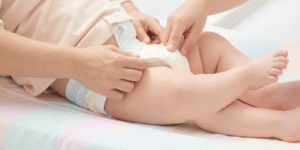
Monsoon Baby Care: Diapering Tips for India’s Rainy Season
By Teddyy Editorial Team | Last Updated: May 9, 2026
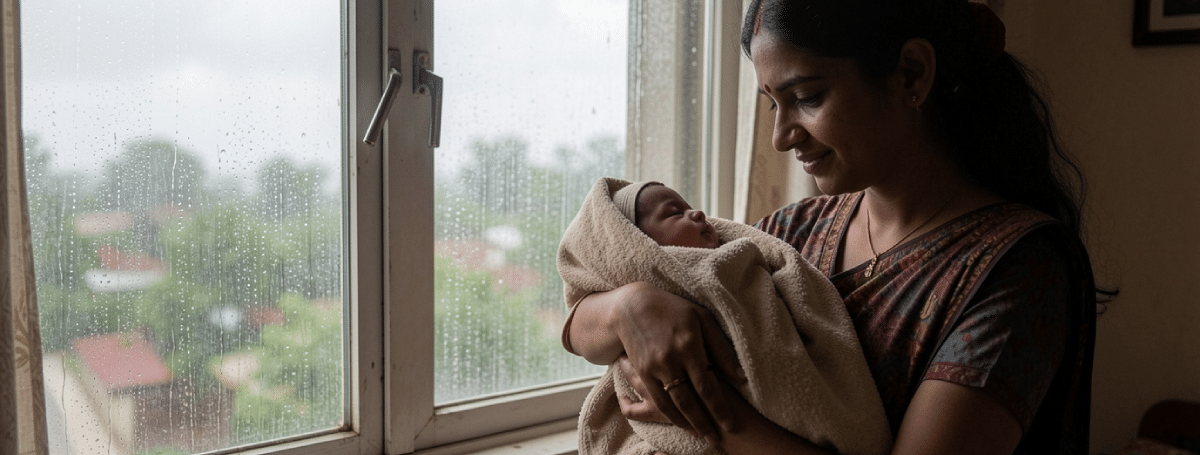
The rainy season is something many people look forward to all year. But when you have a baby, it brings a different set of everyday challenges. Clothes take longer to dry, the air feels damp, and even diapers can feel heavier than usual. In these conditions, infant diaper rash can become more common, making daily care a little more stressful.
While the monsoon brings relief from the heat, it also requires a few small adjustments to your routine. With the right approach, it becomes much easier to keep your baby comfortable throughout the season.
How Monsoon Humidity Affects Diaper Performance and Your Baby’s Skin
The air holds more moisture during the monsoon. Humidity can make the environment feel sticky and may affect how diapers perform. Even the best newborn diapers in India can struggle when the surrounding air is already damp because of the following reasons:
- Absorption may slow down because the environment is already humid
- Diapers may feel full faster, even without much urine
- Your baby’s skin may stay damp for longer, increasing friction and discomfort
Your baby’s skin becomes more vulnerable when it does not get enough time to stay dry. As a result, you may notice more cases of diaper rash in newborns or mild redness during this season.
The following tips can help keep your baby comfortable during the monsoon:
- Change diapers more frequently than usual
- Give your baby short periods of diaper-free time during the day
- Choose good diapers for newborns that are breathable and designed for Indian weather conditions
Teddyy diapers are designed with breathable materials and quick absorption, and can help keep your baby dry and comfortable even in humid conditions.
Your baby’s skin needs to breathe to stay healthy.
Fungal diaper rash in monsoon: what causes it and how to spot it
Fungal infections become more common because fungi thrive in warm and moist conditions during the monsoon. This is the exact environment inside the diaper on your baby’s skin.
Why it happens:
- Constant moisture is trapped inside the diaper
- Warmth and lack of airflow
- Delayed diaper changes
How to identify a fungal rash?
You may notice the following changes in your baby’s skin:
- Bright red rash that does not fade easily
- Small red spots around the main rash area
- Skin that looks slightly shiny or inflamed
- Your baby is more uncomfortable than usual
This is different from a regular infant diaper rash, but it also improves with basic care.
What can you do?
- Keep the area as dry as possible
- Change diapers immediately after soiling
- Let your baby go diaper-free for a few minutes after every change
- Use diapers that are extra soft and breathable
Get the rash checked by a paediatrician if it does not improve within 2–3 days. Sometimes, an antifungal cream is necessary to clear it completely.
Wet diaper disposal during monsoon: Hygiene tips that actually help
Improper disposal of diapers in the monsoon can lead to odour, germs, and even insects. This is about making things easier and cleaner at home.
Simple hygiene tips to follow:
- Wrap used diapers properly before discarding.
- Use a covered bin instead of an open one.
- Empty the bin at least once a day.
- Place the bin in a dry and ventilated area.
These steps may seem small at first, but they are necessary if space is limited in your home. You will create a much cleaner environment for your baby in this way.
Storing diapers and wipes during high humidity
Monsoon can quietly damage fresh diapers, too. Humidity can make a diaper feel slightly damp and less fluffy.
Why does storage matter?
- Diapers can absorb moisture from the air.
- Wipes may become too wet or develop an odour.
- Damp storage can damage the diaper.
How can you store them better?
- Keep diapers in a cool, dry cupboard.
- Avoid storing them near windows or damp walls.
- Use airtight containers if the humidity is high in your area.
- Always seal the pack properly after use.
Storing the diaper properly can help the best newborn diapers in India perform as they should.
Cloth diapers in monsoon: what you should know
Cloth diapers can be challenging to manage during the monsoon. They dry slowly, which leads to most issues.
Common problems include:
- Damp cloth diapers take longer to dry
- Risk of mould or mildew
- Slight smell if not dried properly
What works better?
- Wash immediately after use
- Dry them in well-ventilated indoor spaces
- Use a fan to speed up drying
- Sun-dry them whenever sunlight is available
- Completely dry them before reuse
You can also switch to disposable ones if drying becomes too difficult.
Extra care tips to prevent newborn bum rash during monsoon
Sometimes, a combination of small habits can protect your baby’s skin. So, here are a few gentle reminders for you.
- Always pat dry after cleaning; never rub
- Use a soft cloth or cotton instead of rough wipes
- Apply a thin protective layer of rash cream if needed
- Avoid tight diapers that trap moisture
- Check the diaper area more frequently
Choosing the right diaper during monsoon
Some diapers work with the weather, and that is what you need during the monsoon to make your baby feel comfortable.
Look for the following things:
- High absorbency
- Breathable material
- Soft inner lining
- Moisture-lock technology
Conclusion
Monsoon can bring extra challenges when you are already trying to figure things out for your baby. Everything may feel fine one day, and the next, you may have to deal with unexpected rashes or damp diapers.
However, things become much easier to manage once you understand how humidity affects your baby’s skin. A few small adjustments, proper diaper storage, and choosing the right products can go a long way in helping you prepare for the season.
These simple tips are meant to make your days smoother and keep your baby more comfortable throughout the monsoon.
Frequently Asked Questions
Why does my baby get more rashes during the monsoon season?
Monsoon humidity keeps your baby’s skin damp for longer, which increases friction. It is the perfect environment for fungal growth and may cause diaper rash in newborns.
How do you prevent fungal rash in the diaper area during the rainy season?
Keep the area dry, change diapers more frequently and give diaper-free time to your baby. Using breathable diapers also helps. These steps will reduce the buildup of moisture.
How should you store diapers and wipes during the monsoon?
Store them in a cool, dry place, away from damp walls or windows. Always reseal packs tightly or use airtight containers to prevent moisture exposure.
Are cloth diapers practical to use during the Indian monsoon?
You can use them, but drying becomes challenging. You will need proper ventilation, washing, and occasional sun exposure to prevent dampness and mould.
What antifungal cream is safe to use on a baby's diaper area?
It is best to use antifungal creams only after consulting your paediatrician if the infant’s diaper rash does not improve within a few days.