10 Surprising Uses of Baby Wipes Beyond Diaper Changes
By Teddyy Editorial Team | Last Updated: July 6, 2026
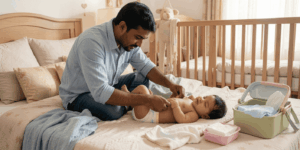
A pack of newborn wet wipes usually comes home for one job: diaper changes. Then slowly, parents realise it helps in many other moments too. Milk drips on your kurta just when guests arrive. The high chair turns sticky after one banana. You are outside, there is no washbasin nearby, and that small pack of wipes in the diaper bag suddenly becomes useful.
For many parents, the best wipes for newborns are the ones that feel gentle on baby skin but still help during quick clean-ups, food mess and travel hygiene. But wipes still have limits. They cannot replace bathing, sterilising, proper oral care or first aid. The trick is knowing where they work well and where parents should be careful.
Baby Wipes as a Household Cleaning Hack: What Surfaces They Work On
For quick everyday mess, newborn wet wipes can be very useful. They work well on smooth, wipeable surfaces where the mess is light and fresh.
Use them for quick cleaning on:
- High-chair arms and outer tray edges
- Changing mats and changing-table corners
- Stroller handles
- Car-seat sides and cup holders
- Plastic toys that are not battery-operated
- Baby bag corners
- Dusty chair handles
- Small food marks on washable floors
- Crayon or pencil marks on some painted or plastic surfaces
- Dust on artificial plants or washable decor items
Even the best wipes for infants do not replace proper washing, sanitising or disinfecting. A high-chair tray used for meals should still be cleaned properly with soap and water. A surface touched by vomit, poop, raw food, or illness needs proper disinfecting, not just a baby wipe.
Also, avoid using baby wipes on leather, unfinished wood, delicate fabric, phone screens, TV screens, laptop screens or anything that may get damaged by moisture.
For germs, food safety and sickness-related cleaning, bring out soap, water and a proper surface-safe disinfectant.
Baby Wipes for Moms: Postpartum Skin & Hygiene Uses
New mothers also end up using baby wipes. Not always for the baby. They help with sweaty underarms, milk spills, sticky hands after breastfeeding, quick clean-ups before visitors arrive, or wiping the breast area after leakage when water is not nearby.
But be careful with postpartum perineal care. After delivery, especially if there are stitches, swelling or tears, do not casually use baby wipes on the perineal area. Cambridge University Hospitals advises avoiding soap or wipes on the perineum after childbirth because they may irritate the area.
Use warm water as advised by your doctor or nurse. Keep wipes for outer, non-wounded skin only. If there is burning, stitches, unusual discharge or pain, do not experiment. Ask your doctor.
Travel Hacks: How Baby Wipes Replace Multiple Toiletries on the Go
One pack of wipes can replace several small items during short outings. Not permanently, but practically.
Use baby wipes for:
- Cleaning baby’s hands before snacks
- Wiping a pacifier case from the outside
- Cleaning milk drips from clothes
- Freshening your hands after a diaper change
- Wiping the changing mat
- Cleaning sandal dust from the baby’s feet
- Removing food from stroller handles
For travel, especially train journeys, clinic visits, weddings, road trips and airport waits, wipes are almost non-negotiable. A pack of the best wet wipes for newborns in the diaper bag can save you from hunting for clean water every hour.
But still carry water. wipes water may sound like wipes can replace water, but they cannot. Wipes help when water is unavailable. At home, plain water and a soft cloth are still useful for many clean-ups.
Pet Care Uses of Baby Wipes: Safe or Not?
Many parents do this without thinking much. The baby wipes are already in the bag. The dog comes back from a walk with dusty paws. The cat has something stuck on the fur. One quick wipe feels harmless. But baby wipes are made for babies, not pets.
Pet skin is different from human skin. Human skin is more acidic, while pet skin is usually closer to neutral. Because of this difference, products made for human skin may irritate pets, especially if they contain alcohol, artificial fragrance, preservatives or ingredients that may be unsafe if the pet licks them later.
So, for regular pet cleaning, pet wipes are the safer choice. They are usually made keeping animal skin, fur, licking behaviour and pH balance in mind. Many pet wipes also include soothing ingredients such as aloe vera or Vitamin E, but still, the label should always say pet-safe.
Use baby wipes only as an emergency option, not a pet-care habit. For example, if your pet has a little mud on the paw and you have no pet wipe nearby, you may use an unscented, alcohol-free baby wipe lightly on the paws. After that, dry the area and make sure the pet does not keep licking it.
Baby Wipes in First Aid: Wound Cleaning & Minor Skin Irritations
Baby wipes are not first-aid wipes. If your toddler falls and gets a small graze, use clean running water to rinse the wound. NHS advice for cuts and grazes recommends cleaning the wound under running tap water and patting it dry before covering it with a sterile dressing.
A baby wipe can help remove mud from the skin around the wound if there is no water immediately available. But do not scrub the open cut with a regular baby wipe. It is not sterile, and it may sting or irritate.
Use wipes for:
- Dirt around the wound
- Sticky hands before applying a plaster
- Cleaning the parent’s hands if soap is not nearby
- Wiping dust from knees before proper washing
For bleeding, swelling, deep cuts, animal bites or wounds with dirt stuck inside, get medical help.
Conclusion
Newborn wet wipes can do much more than diaper duty. They help with sticky fingers, travel mess, high-chair clean-ups, milk spills and quick parent hygiene. But they have limits. Do not use them inside the mouth, on open wounds, as a disinfectant, or for postpartum stitches.
Used sensibly, Teddyy Wet Wipes can become one of those small everyday products that quietly save the day again and again.
FAQs
1. Can I use baby wipes to clean my baby’s face and around the eyes safely?
You can use gentle baby wipes on cheeks, chin and around the mouth, but avoid wiping directly around the eyes. For the eye area, use clean, damp cotton or a soft cloth.
2. Are baby wipes safe to use on household surfaces like high chairs and changing tables?
Yes, they can remove light mess from high chairs, changing tables, stroller handles and baby bags. They are not a replacement for proper disinfecting after illness, poop spills or food contamination.
3. Can new mothers use baby wipes for postpartum perineal care?
Not for stitches, tears or sore perineal skin unless your doctor says so. Postpartum perineal care usually needs gentle warm-water cleaning. Wipes may irritate healing skin.
4. Is it safe to use baby wipes on a baby’s gums before teeth appear?
No, regular baby wipes should not be used inside the mouth unless labelled oral-safe. Use clean, damp gauze or a soft cloth to wipe gums gently.
5. Can I use baby wipes to clean my pet’s paws or fur?
Pet wipes are safer because they are made for animal skin and licking behaviour. In an emergency, an unscented, alcohol-free baby wipe may be used lightly on paws, but avoid eyes, ears and irritated skin.
6. Are baby wipes effective enough to clean minor cuts or grazes on toddlers?
Use clean running water for cuts and grazes. Baby wipes can clean dirt around the wound, but they should not replace proper wound rinsing or sterile dressing.