
Comprehensive Guide to Breast Pain During Pregnancy: Causes and Care
By Teddyy Editorial Team | Last Updated: April 23, 2026
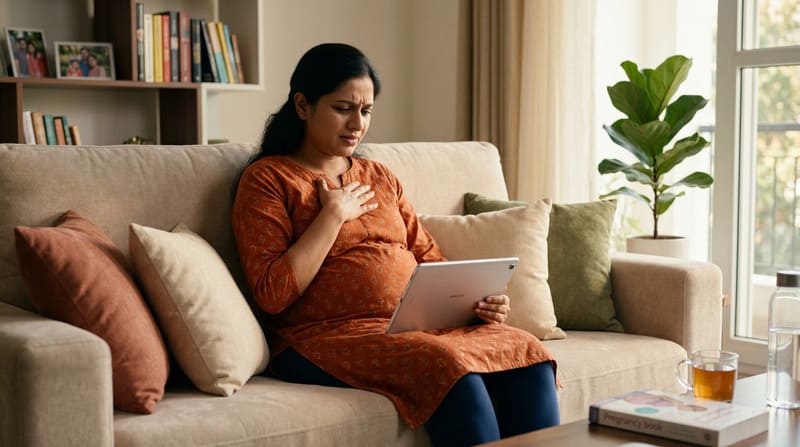
Breast pain and tenderness are among the earliest signs many women notice in the first trimester of pregnancy. These changes are caused by hormonal fluctuations that prepare the body for breastfeeding. Understanding breast changes during pregnancy is important, as it helps expectant mothers feel more confident and prepared for the physical and emotional shifts ahead.
Pregnant women often experience swelling, soreness, and increased sensitivity in their breasts. These symptoms can vary in intensity and duration from person to person.
It’s important to remember that these symptoms are considered pregnancy normal, and most women will experience some degree of breast discomfort as their bodies adjust to pregnancy.
Other symptoms such as morning sickness, fatigue, and mood swings are also common in early pregnancy and may occur alongside breast changes.
Key Takeaways
- Pregnancy is a remarkable journey that brings about a host of changes in a woman’s body, many of which can be felt even in the earliest weeks.
- Pregnancy breast pain is a common experience, and understanding the causes can help you feel more at ease:.
- Breast changes during pregnancy are normal as your body prepares for the beautiful journey of motherhood.
Introduction to Pregnancy Symptoms
Pregnancy is a remarkable journey that brings about a host of changes in a woman’s body, many of which can be felt even in the earliest weeks. For many women, one of the first and most noticeable pregnancy symptoms is breast tenderness. This common symptom often appears before a missed period and can be accompanied by sore breasts, a tingling sensation in the breast area, and even mild nipple discharge. These changes are largely due to hormonal fluctuations that prepare your body for the months ahead.
As early pregnancy progresses, your hormone levels shift dramatically, leading to increased blood flow and the growth of milk ducts and mammary glands. This can cause your breasts to feel sore, heavy, or even swollen. Some expectant mothers may notice their breast tissue becoming more sensitive, making even light touches uncomfortable. It’s not unusual for breasts to grow in size, and for the skin to feel stretched or tight as the body prepares to produce milk.
While breast pain during pregnancy is completely normal and experienced by many women, the intensity can vary. Some may feel only mild discomfort, while others experience severe pain, especially during the first trimester. Simple measures like wearing a supportive bra, using warm compresses, or taking doctor-approved pain relievers can help relieve breast pain and make daily life more comfortable.
It’s important to remember that while breast pain and breast tenderness are common signs of pregnancy, persistent or severe pain should not be ignored. If you notice unusual symptoms such as significant nipple discharge, pain in only one breast, or changes that concern you, it’s wise to seek medical attention. A healthcare professional can provide an accurate diagnosis and ensure there are no underlying issues, such as breast cancer or complications related to previous breast surgery.
Alongside breast changes, many women experience other pregnancy symptoms like morning sickness, fatigue, and mood swings. These can be managed with the support of a healthcare provider, who can offer advice on how to relieve tension, manage pain, and maintain your overall well-being as your pregnancy proceeds.
Every woman’s experience with pregnancy is unique, and what works for one person may not work for another. By understanding the common signs and symptoms—like breast pain, breast tenderness, and breast growth—you can better navigate the changes in your body and take steps to relieve discomfort. Always consult your healthcare provider for personalized guidance and to ensure a healthy, comfortable pregnancy journey.
IS BREAST PAIN AN EARLY SIGN OF PREGNANCY?
Have you noticed your breasts feeling more tender or sore than usual? If you’re experiencing this, you might be wondering if it’s an early sign of pregnancy.
Well, simply put, yes, breast pain can be an early sign of pregnancy, and it often appears in the early weeks due to hormonal changes. Here’s how you can recognize it:
- Tenderness and Sensitivity: Your breasts might feel unusually tender or sensitive to touch, more than what you experience with PMS.
- Fullness and Heaviness: You may notice a feeling of fullness or heaviness as your breasts begin to change early in pregnancy.
- Aching or Throbbing: The pain may feel like a dull ache or throbbing sensation, often in the first few weeks after conception.
So, what kind of breast pain indicates pregnancy? It’s typically a combination of these symptoms—tender, swollen, and achy breasts—that can signal you might be expecting. Remember, every woman’s experience is unique, but these are common early signs.
Pregnancy Breast Pain Causes
Pregnancy breast pain is a common experience, and understanding the causes can help you feel more at ease:
- Hormonal Changes: During pregnancy, your body produces more oestrogen and progesterone. These hormones cause breast changes during pregnancy, leading to tenderness and discomfort.
- Increased Blood Flow: Your body boosts blood flow to your breasts, preparing them for breastfeeding. This extra circulation can contribute to breast tenderness during pregnancy.
- Breast Tissue Growth: As your breasts prepare for milk production, the tissue grows, making them feel fuller and more sensitive. This growth can lead to breast pain pregnancy symptoms.
- Milk Duct Development: Your milk ducts start to expand and develop, which can cause a stretching sensation and soreness.
These changes are all signs that your body is beautifully adapting to support your growing baby.
Breast Changes by Trimester
Breast changes during pregnancy are normal as your body prepares for the beautiful journey of motherhood. Here’s what you can expect in each trimester:
First Trimester
- Breast Tenderness: One of the earliest signs of pregnancy is breast tenderness. Your breasts may feel sore, sensitive, or tingly due to the surge in hormones. Even slight touches or a bra can feel uncomfortable.
- Fullness and Swelling: You might notice your breasts feeling fuller and heavier. This is your body’s way of preparing for milk production, even though it’s still early in the process.
- Darkening of Areolas: Your areolas—the area around your nipples—might start to darken. This change is your body’s way of making them more visible to your baby after birth.
Second Trimester
- Less Tenderness: As your body adjusts to the hormonal changes, breast tenderness during pregnancy often eases up. You might find some relief from the discomfort you felt in the first trimester.
- Growth and Stretch Marks: Your breasts continue to grow, sometimes rapidly. This growth can cause stretch marks, which may appear as pink or purple streaks on your skin.
- Visible Veins: The increased blood flow to your breasts can make your veins more visible, especially if you have fair skin. This is completely normal and part of the changes your body is undergoing.
Third Trimester
- Leaking Colostrum: You may notice a yellowish fluid called colostrum leaking from your nipples. This is your body’s first milk, packed with nutrients your baby will need in the early days.
- Continued Growth and Sensitivity: Your breasts might feel heavier, larger, and more sensitive as they prepare for breastfeeding. You may also experience breast pain and pregnancy symptoms due to the additional weight and pressure.
Remember, every woman’s experience with breast changes in pregnancy is unique. Embrace these changes as signs that your body is doing something amazing.
TREATMENTS FOR BREAST PAIN DURING PREGNANCY
Managing breast pain during pregnancy can make you feel more comfortable as your body adjusts. Here are some helpful treatments:
- Wear a Supportive Bra: A well-fitted bra can provide extra support and reduce breast tenderness during pregnancy. Consider wearing a soft, non-underwire bra, especially while sleeping. Nursing bras are also a comfortable option as they adapt to your changing breast size and provide gentle support.
- Apply Warm or Cold Compresses: Depending on what feels better, warm or cold compresses can soothe breast pain and pregnancy symptoms. They help reduce swelling and ease discomfort.
- Stay Hydrated: Drinking plenty of water can help minimize swelling associated with breast changes during pregnancy.
- Gentle Massage: Lightly massaging your breasts can improve blood circulation and relieve some soreness.
Choose Comfortable Clothing: Opt for loose, breathable clothing to avoid additional pressure on your sensitive breasts.
When Does Breast Pain Start in Pregnancy
Breast tenderness is one of the earliest pregnancy signs — many women feel it as early as week one to two after conception, even before a missed period. The pain peaks during the first trimester when hormone levels rise sharply, then often eases in the second trimester as the body adjusts. Some women experience renewed soreness in the third trimester as the breasts prepare for milk production. The intensity varies widely from a mild ache to sharp, shooting pains.
What Does Pregnancy Breast Pain Feel Like
Most women describe it as a heavy, full feeling with extra sensitivity to touch. Common sensations include tingling around the nipples, sharp shooting pain when bumped, dull ache that worsens at night, soreness that radiates to the underarm, and itchy stretching skin as the breasts grow. The areolas may darken and small bumps (Montgomery glands) become more prominent. These changes are normal — your body is preparing milk-making tissue.
Quick Relief Tips for Sore Pregnancy Breasts
Wear a well-fitted maternity bra with wider straps and no underwire — get refitted every 4 to 6 weeks as size changes. Use a soft cotton sleep bra at night for gentle support. Apply a warm compress for 10 minutes before showering to ease tightness, then a cool compress after for soothing. Skip caffeine, which can worsen breast tenderness. Sleep on your side with a pillow between your arms to take pressure off the chest. Choose loose, breathable cotton tops over tight synthetic fabrics.
When to See a Doctor About Breast Pain
Most pregnancy breast pain is normal, but call your doctor if you notice a hard lump that does not move, redness or warmth in one specific area (could be mastitis or infection), nipple discharge with blood, fever with breast pain, or one breast becoming much larger and harder than the other. Sudden severe pain in one breast also needs evaluation. Routine breast self-checks are still important during pregnancy — your provider can guide you on safe technique.
Bra Fitting Tips for Each Trimester
First trimester: invest in two soft maternity bras one size larger than your pre-pregnancy size. Second trimester: switch to seamless wireless bras with adjustable straps and a multi-hook back closure. Third trimester: add nursing bras (one cup size larger than your second-trimester fit) so they work for breastfeeding too. Avoid push-up styles and underwire throughout pregnancy — they restrict tissue growth and can block milk ducts. Hand wash bras to extend their fit.
Foods That May Reduce Breast Tenderness
Reduce salt intake to limit fluid retention, which makes breasts feel heavier. Cut back on caffeine (coffee, tea, chocolate, cola). Add foods rich in vitamin E (almonds, sunflower seeds, leafy greens) and vitamin B6 (banana, chickpeas, potatoes) — both are linked to reduced breast tenderness. Stay well-hydrated with 2.5 to 3 litres of water daily. Include omega-3 sources like walnuts and flaxseeds for their natural anti-inflammatory effect.
Is Breast Pain a Sign of Twins
More intense breast tenderness can sometimes accompany twin pregnancies because hormone levels rise faster and higher. However, breast pain alone is not a reliable sign of twins. Other clues — measuring large for dates, very strong nausea, or detecting two heartbeats on a Doppler scan — combined with an early ultrasound, give the actual answer. If your pain feels unusually severe or your bump is growing fast, mention it at your next prenatal appointment.
Prepping Your Breasts for Breastfeeding
You do not need to “toughen up” your nipples — that old advice can cause damage. Skip soap on the nipples during showers (it strips natural oils); plain water is enough. After about 36 weeks, gentle hand expression of colostrum (only if your doctor approves) can help build confidence for early feeds. Talk to a lactation consultant before delivery if you have flat or inverted nipples — they can suggest safe techniques. Have nursing bras and lanolin cream ready in your hospital bag.
Conclusion
Remember, these breast changes in pregnancy are absolutely normal and temporary. Taking care of yourself will help you feel more at ease as your pregnancy progresses.
References & Sources
- World Health Organization (WHO). Maternal and Newborn Health. who.int
- Indian Council of Medical Research (ICMR). National Guidelines for Maternal Care. icmr.gov.in
- American Academy of Pediatrics (AAP). Caring for Your Baby. aap.org
- Indian Academy of Pediatrics (IAP). Child Health Guidelines. iapindia.org
- National Library of Medicine. Diaper Dermatitis. pubmed.ncbi.nlm.nih.gov
- National Institute of Nutrition (NIN). Dietary Guidelines for Indians. nin.res.in
- AAP. Safe Sleep Recommendations. aap.org/safe-sleep
You May Also Like




Frequently Asked Questions
How long does breast pain last in pregnancy?
Breast pain during pregnancy usually lasts throughout the first trimester but can continue into the second or third trimester. It eases as your body adjusts to hormonal changes.
How to relieve breast pain during pregnancy?
To relieve breast pain, wear a supportive bra, apply warm/cold compresses, and stay hydrated. Gentle massages or switching to looser clothing can also bring comfort.
What kind of breast pain is pregnancy?
Pregnancy breast pain feels like tenderness, heaviness, or aching. Your breasts may also feel fuller and more sensitive due to hormonal changes, especially in the early weeks.
Why is my breast aching?
Your breast pain is likely due to hormonal changes that prepare your body for breastfeeding. It’s a natural, although uncomfortable, part of the journey into motherhood.