
First Trimester Nutrition: 1 to 3 Month Pregnancy Diet Chart
By Teddyy Editorial Team | Last Updated: April 6, 2026
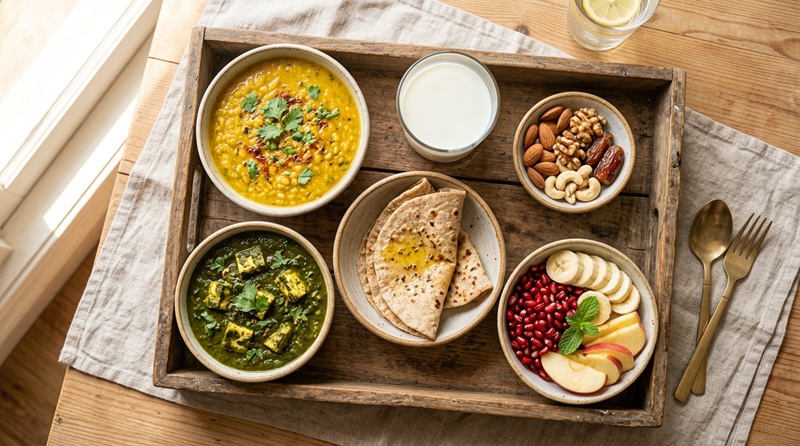
Still getting used to the morning sickness and not sure what you can eat and what not to eat? Don’t worry! We’re here to help. Eating the right foods is essential for your baby’s development and your well-being. In this guide, you’ll get a simple and nutritious 3 month pregnancy diet chart, tips for managing nausea, and healthy snacking options.
Key Takeaways
- Your baby’s brain, spinal cord, and vital organs begin forming in the first trimester — making proper nutrition critical from the very first month.
- Folic acid (400–600 mcg daily), iron (27 mg daily), and calcium (1000 mg daily) are the three most important nutrients to prioritise during weeks 1 to 12.
- A well-planned 7-day pregnancy diet chart that includes Indian meals like dal, roti, poha, upma, and fresh fruits can meet most of your nutritional needs.
- Eating small, frequent meals every 2–3 hours helps manage morning sickness and keeps blood sugar stable.
- Avoid raw or undercooked meats, unpasteurised dairy, high-mercury fish, excess caffeine, and alcohol throughout the first trimester.
- Stay hydrated with 8–12 glasses of fluid daily, including water, coconut water, buttermilk, and herbal teas.
First Trimester Pregnancy Food Chart
Choosing what to eat and what not to eat can be confusing during the first few months of pregnancy. Here’s a 1 to 3 month pregnancy diet chart you can use as a guide.
| Pre-Breakfast Snack | Morning/Evening Breakfast | Lunch | Dinner |
|---|---|---|---|
| Day 1 | |||
| Banana Milkshake | Wheat dosa with Tomato sabzi, Ginger Tea | Rice with vegetable curry | Roti with veggies |
| Day 2 | |||
| Homemade fruit juice with pomegranate, guava, or oranges | Moongdal chilla with pudina/coconut chutney, Til ke Laddu | Chapati with veggies | Dosa with sambhar |
| Day 3 | |||
| A glass of turmeric milk | Veggie-rich upma, Dry Fruits | Pulao with raita | Parathas |
| with chutney | |||
| Day 4 | |||
| 8-12 pieces of mixed dry fruits (cashews, almonds, raisins) | Parathas with chutney, Lemon Tea | Rasam rice with papad | Ragi roti with veggies |
| Day 5 | |||
| Carrot juice | Veggie-rich poha, Sweet Potato | Lemon rice with raita | Dosa with sambhar |
| Day 6 | |||
| Ginger tea | Moongdal chilla with pudina/coconut chutney, Mixed Fruits | Chapati with veggies | Veggie-rich poha |
| Day 7 | |||
| A bowl of mixed fruits (apple, papaya, pomegranate) | Idli with sambhar, Herbal Tea | Rajma rice with cucumber raita | Roti with palak paneer |
Remember, your first month of pregnancy food chart need not continue to be your 2nd-month pregnancy food chart. Listen to your body and make changes in your diet accordingly in the 2nd and 3rd month pregnancy diet chart.
If you want a detailed 2 month and 3 month pregnancy food chart, you can find them below:
2nd month pregnancy food chart
3rd month pregnancy food chart
Month-by-Month Nutrition Guide for the First Trimester
While the overall dietary principles remain the same throughout the first trimester, each month has slightly different nutritional priorities based on your baby’s developmental stage.
1st Month Pregnancy Diet (Weeks 1–4)
During the first month, many women do not even realise they are pregnant. However, this is the time when the fertilised egg implants in the uterus and early cell division begins. Focus on folate-rich foods such as spinach, lentils (dal), and fortified cereals, as folate is critical for preventing neural tube defects. Eat light, easily digestible meals since hormonal changes may cause mild bloating and fatigue. Include whole grains, fresh fruits, and plenty of water in your daily routine. If you have been trying to conceive, starting a folic acid supplement even before confirmation is highly recommended.
2nd Month Pregnancy Diet (Weeks 5–8)
The second month is when morning sickness often kicks in, making it harder to eat full meals. Your baby’s heart, brain, and spinal cord are forming during this period, so nutrient-dense foods are essential even if you eat smaller quantities. Focus on easily tolerable foods like bananas, toast, rice, and ginger tea to manage nausea. Increase your intake of vitamin B6-rich foods such as chickpeas, potatoes, and sunflower seeds, as B6 can help reduce nausea. Continue with iron-rich foods to support your rising blood volume. Eat small, frequent meals every 2 to 3 hours rather than three large meals.
3rd Month Pregnancy Diet (Weeks 9–12)
By the third month, your baby’s organs are nearly fully formed and the risk of miscarriage begins to decrease. This is a good time to gradually expand your diet and focus on protein-rich foods for your baby’s tissue and muscle growth. Include eggs, paneer, lean chicken, fish, and legumes in your meals. Increase calcium intake through dairy products, ragi (finger millet), and sesame seeds, as your baby’s bones are beginning to harden. Add omega-3 rich foods like walnuts and flaxseeds for brain development. As nausea typically starts to ease by the end of the third month, this is a good time to reintroduce foods you may have been avoiding.
Breaking Down the Components of the 1 to 3 Month Pregnancy Diet Chart
Here’s a simple breakdown of what to include in your first 3 month pregnancy diet chart:
Folate-Rich Foods
Folate, or folic acid, is one of the most important nutrients during the first trimester. It plays a critical role in preventing neural tube defects such as spina bifida and anencephaly. The ICMR recommends at least 400 mcg of folic acid daily during early pregnancy. Eat plenty of leafy greens like spinach, kale, methi (fenugreek), and broccoli. Legumes such as lentils (masoor dal, moong dal), chickpeas, and rajma are also excellent sources. Other folate-rich foods include fortified breakfast cereals, oranges, avocados, and beetroot. Since folate is a water-soluble vitamin, try to eat these foods fresh or lightly cooked to retain maximum nutritional value.
Protein
Protein is essential for building your baby’s cells, tissues, and organs during the first trimester. It also supports the growth of your uterus and breast tissue. Aim for 60 to 75 grams of protein per day, as recommended by the National Institute of Nutrition (NIN). Include lean meats, poultry, fish (low-mercury varieties), eggs, and dairy products like milk, paneer, and curd in your meals. Plant-based proteins like tofu, lentils (dal), beans, chickpeas, and soy chunks are excellent alternatives for vegetarians. Nuts and seeds, especially almonds and pumpkin seeds, also contribute to your daily protein intake. Try to include a source of protein in every meal and snack to support steady growth and keep you feeling full.
Calcium
Calcium is vital for building your baby’s bones, teeth, heart, muscles, and nervous system. During pregnancy, your daily calcium requirement increases to about 1000 mg per day. Dairy products like milk, curd, paneer, and cheese are rich and easily absorbed sources of calcium. If you are lactose intolerant, opt for fortified plant-based milks (soy milk, almond milk), ragi (finger millet), sesame seeds (til), and leafy greens like broccoli and bok choy. Ragi porridge or ragi dosa are excellent Indian options that are naturally calcium-rich. It is important to pair your calcium intake with vitamin D (from sunlight or supplements) for proper absorption. Avoid taking calcium and iron supplements at the same time, as they can interfere with each other’s absorption — space them at least two hours apart.
Iron
Iron is crucial during pregnancy because your body needs to produce significantly more blood to supply oxygen to your growing baby. The recommended iron intake during pregnancy is 27 mg per day. Iron deficiency can lead to anaemia, causing fatigue, breathlessness, and increased risk of preterm delivery. Include iron-rich foods such as lean red meat, poultry, fish, lentils, spinach, and jaggery (gud) in your diet. Plant-based iron (non-heme iron) is better absorbed when paired with vitamin C-rich foods — so try squeezing lemon over your dal or eating an orange after a spinach-based meal. Avoid drinking tea or coffee immediately after meals, as tannins in these beverages can reduce iron absorption by up to 50 percent.
Fruits and Vegetables
Fresh fruits and vegetables are the cornerstone of a healthy pregnancy diet, providing essential vitamins, minerals, antioxidants, and dietary fiber. During the first trimester, aim for at least 5 servings of fruits and vegetables daily. Colourful produce like berries, oranges, bell peppers, sweet potatoes, and tomatoes are especially rich in vitamin C, beta-carotene, and other antioxidants that support your immune system and your baby’s cell growth. Leafy greens such as spinach, kale, and methi provide iron, folate, and calcium in one go. Seasonal Indian fruits like guava, pomegranate, and amla (Indian gooseberry) are particularly nutritious. Fibre from fruits and vegetables also helps prevent constipation, a common first-trimester complaint. Wash all fruits and vegetables thoroughly before eating to remove pesticide residues and harmful bacteria.
Whole Grains
Whole grains like brown rice, oatmeal, whole wheat bread, ragi, bajra, and jowar provide sustained energy through complex carbohydrates, along with important nutrients like fiber, B vitamins, iron, and magnesium. Unlike refined grains (white rice, maida), whole grains release glucose slowly into your bloodstream, helping maintain stable energy levels and preventing blood sugar spikes. This is particularly helpful during the first trimester when fatigue is common. Start your day with options like whole wheat upma, oats porridge, or multigrain roti. Whole grains also provide dietary fiber that helps prevent constipation and supports healthy digestion during pregnancy.
Eating small, frequent meals built around these nutrient groups can help manage nausea and keep your energy levels stable throughout the day.
Foods to Avoid in the First Trimester
Knowing what not to eat during the first trimester is just as important as knowing what to eat. Certain foods can pose risks to your developing baby or increase the chance of foodborne illness during this vulnerable period.
High-Risk Foods to Stay Away From
- Raw or undercooked eggs: Uncooked eggs can contain Salmonella bacteria. Avoid raw egg-based preparations like homemade mayonnaise, mousse, or half-fried eggs. Always eat fully cooked eggs.
- Raw or undercooked meat and seafood: These may carry Toxoplasma, Listeria, or other harmful parasites. Ensure all meat and fish is cooked thoroughly before eating. Avoid sushi made with raw fish.
- Unpasteurised dairy products: Raw or unboiled milk and soft cheeses made from unpasteurised milk can harbour Listeria. Stick to pasteurised or boiled milk and paneer.
- High-mercury fish: Fish such as shark, swordfish, king mackerel, and tilefish contain high levels of mercury, which can affect your baby’s developing nervous system. Choose low-mercury options like salmon, sardines, or rohu instead.
- Excessive caffeine: Limit caffeine intake to less than 200 mg per day (about one small cup of coffee). High caffeine consumption has been linked to increased risk of miscarriage and low birth weight.
- Raw papaya and pineapple: Raw or unripe papaya contains latex which can trigger uterine contractions. While small amounts of ripe papaya and pineapple are generally considered safe, many doctors recommend avoiding them during the first trimester as a precaution.
- Processed and junk food: Packaged snacks, instant noodles, canned foods, and deep-fried items are high in sodium, preservatives, and unhealthy fats. They offer little nutritional value and can contribute to excessive weight gain and gestational complications.
- Alcohol: There is no known safe amount of alcohol during pregnancy. Alcohol consumption can lead to fetal alcohol spectrum disorders and developmental issues. It is best to avoid it entirely.
When in doubt about any food, consult your gynaecologist. It is always better to err on the side of caution during the first trimester when your baby’s organs are forming.
Managing Nausea and Food Aversions
Managing nausea and food aversions can be challenging during pregnancy. Try to include the following food in your first month of pregnancy diet chart to help you deal with nausea better.
- Try eating small, frequent meals throughout the day to keep your stomach settled.
- Bland foods like crackers, toast, and bananas can help ease nausea.
- Ginger tea or ginger candies might also provide relief.
- Stay hydrated by sipping water, herbal teas, or clear broths.
- If certain smells trigger nausea, avoid those foods and opt for cold meals, which have milder scents.
Remember, it’s okay if you can’t eat everything you planned. Focus on what you can tolerate, and be kind to yourself.
Healthy Snacking
Healthy snacking during pregnancy is not just about satisfying cravings — it plays a vital role in maintaining steady blood sugar levels, supporting your baby’s growth, and keeping your energy up between meals. During the first trimester, when nausea can make large meals difficult, small and frequent snacks become even more important.
Best Snack Options for the First Trimester
- Nuts and seeds: A handful of almonds, walnuts, or pumpkin seeds provides healthy fats, protein, and essential minerals like magnesium and zinc. Almonds are particularly rich in calcium and vitamin E.
- Fresh fruits: Apples, bananas, pomegranates, and berries are excellent choices. Bananas help with nausea and provide potassium, while berries are packed with antioxidants and vitamin C.
- Whole-grain crackers with cheese: This combination offers complex carbohydrates, protein, and calcium — a well-rounded snack that keeps you full longer.
- Yogurt with fruit: A bowl of plain yogurt topped with chopped fruit gives you probiotics for digestive health along with calcium and protein.
- Roasted chana or makhana: These traditional Indian snacks are light on the stomach, high in protein, and easy to carry for on-the-go munching.
- Hummus with vegetable sticks: Carrot, cucumber, and bell pepper sticks dipped in hummus give you fiber, vitamins, and plant-based protein.
Snacking Tips
Try to eat every 2 to 3 hours to prevent nausea caused by an empty stomach. Always keep a small snack in your bag when you step out. Avoid packaged chips, biscuits, and sugary snacks as they provide empty calories and can worsen bloating. Instead, focus on snacks that combine protein, fiber, and healthy fats — this combination keeps you satisfied and provides sustained energy throughout the day.
Hydration Matters
Staying hydrated is one of the most important things you can do during pregnancy, especially in the first trimester. Water plays a critical role in forming the amniotic fluid that surrounds your baby, carrying nutrients through your blood to the placenta, and supporting the increased blood volume that your body produces during pregnancy.
How Much Water Do You Need
During pregnancy, aim for about 8 to 12 glasses (2 to 3 litres) of fluids daily. This may vary depending on your activity level, climate, and whether you are experiencing vomiting due to morning sickness. If you are losing fluids through vomiting, you may need to increase your intake further.
Signs of Dehydration to Watch For
- Dark yellow urine instead of pale or clear
- Dry mouth, lips, or skin
- Frequent headaches or dizziness
- Feeling unusually tired or fatigued
- Reduced frequency of urination
Tips to Stay Hydrated
- If plain water is hard to drink, try adding a splash of lemon, a few mint leaves, or cucumber slices for natural flavour.
- Herbal teas like chamomile or ginger tea (in moderate amounts) can count toward your daily fluid intake.
- Coconut water is an excellent hydrating option that also provides natural electrolytes and potassium.
- Eating water-rich foods like watermelon, cucumbers, oranges, and muskmelon can boost your fluid intake naturally.
- Keep a water bottle with you at all times and take small sips throughout the day rather than drinking large amounts at once.
- Buttermilk (chaas) is a great hydrating drink that also aids digestion and keeps you cool.
Avoid sugary sodas, excessive caffeine, and packaged fruit juices as they can lead to unnecessary sugar intake and may worsen nausea. Remember, proper hydration can help reduce morning sickness, prevent constipation, lower the risk of urinary tract infections, and keep your energy levels stable.
Supplements and Vitamins
While a balanced diet is the foundation of a healthy pregnancy, prenatal supplements help fill nutritional gaps and ensure that both you and your baby receive adequate amounts of critical nutrients. Your healthcare provider will likely prescribe supplements early in your pregnancy, and it is important to take them regularly.
Essential Supplements During the First Trimester
- Folic acid (400–600 mcg daily): This is the most important supplement during the first trimester. Folic acid helps prevent neural tube defects such as spina bifida and supports the early development of your baby’s brain and spinal cord. The Indian Council of Medical Research (ICMR) recommends starting folic acid supplementation at least one month before conception and continuing through the first 12 weeks.
- Iron (27 mg daily): Iron supports the significant increase in blood volume during pregnancy and helps prevent anaemia, which can cause fatigue, weakness, and complications during delivery. Take iron supplements with a glass of orange juice or any vitamin C source to improve absorption.
- Calcium (1000 mg daily): Calcium is essential for building your baby’s bones, teeth, heart, muscles, and nerves. If you do not consume enough calcium, your body will draw it from your own bones, increasing your risk of osteoporosis later.
- Vitamin D (600 IU daily): Vitamin D helps your body absorb calcium effectively and supports immune function. Spend 15 to 20 minutes in morning sunlight and include vitamin D-rich foods like fortified milk and eggs in your diet.
- DHA/Omega-3 fatty acids (200–300 mg daily): DHA supports your baby’s brain and eye development. Good dietary sources include walnuts, flaxseeds, and fatty fish like salmon (ensure it is well-cooked).
Important Reminders About Supplements
Always consult your gynaecologist or healthcare provider before starting any supplement. Do not self-prescribe, as excessive amounts of certain vitamins (such as vitamin A) can be harmful during pregnancy. Take supplements at the time recommended by your doctor — some are best taken with food, while others work better on an empty stomach. Keep your supplements in a visible place so you do not forget to take them daily.
Conclusion
Remember, a balanced diet is key to a healthy pregnancy. Focus on nutrient-rich foods, stay hydrated, and listen to your body. Don’t stress over food aversions – do your best and be kind to yourself. You’re doing an amazing job nurturing your baby and yourself! Always consult your healthcare provider for personalized advice.
Teddyy Tip
Your first trimester is the foundation for everything ahead. While you are nourishing yourself with the right foods, it is also a great time to start a simple pregnancy journal. Tracking your meals, cravings, and how you feel each week can help you and your doctor spot patterns early. Small steps now make a big difference later.
References & Sources
- World Health Organization (WHO). Maternal Nutrition Guidelines. who.int
- Indian Council of Medical Research (ICMR). Dietary Guidelines for Indians – Recommended Dietary Allowances for Pregnant Women. icmr.gov.in
- American Academy of Pediatrics (AAP). Prenatal Nutrition and Fetal Development. aap.org
- Indian Academy of Pediatrics (IAP). Maternal Nutrition and Antenatal Care Guidelines. iapindia.org
- National Institute of Nutrition (NIN). Dietary Guidelines for Indians – Chapter on Nutrition During Pregnancy. nin.res.in
Read Next
You May Also Like




Frequently Asked Questions
Which fruit is best for pregnancy?
Bananas, apples, watermelons and oranges are great for pregnancy. They provide vitamin C, folate, and fibre, helping with hydration, immune support, and preventing neural tube defects.
What is the best food for 3 months pregnant?
Leafy greens like spinach are ideal. They offer essential nutrients like iron, calcium, and folate, supporting your baby’s growth and your health.
What should I eat in the first month of pregnancy?
Focus on folate-rich foods like lentils, fortified cereals, and leafy greens. These support early fetal development and reduce the risk of birth defects.
Which food to avoid in pregnancy?
Avoid raw or undercooked seafood, meats, and unpasteurised (unboiled) dairy. These can contain harmful bacteria or parasites that pose risks to you and your baby.v