
5 Road Tripping Essentials for a Safe Ride with Baby
By Teddyy Editorial Team | Last Updated: April 23, 2026
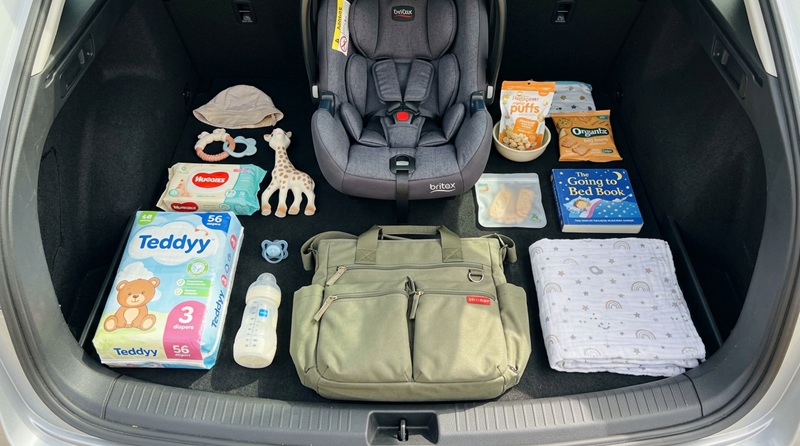
Travelling with a baby requires some essentials that make the journey safe and stress-free for both parent and child.
If you think road travel with your baby is impossible, let us jog your memory really quickly. Think about those long car rides you took with your parents as a child just to go to your nana-nani’s place every. single. year. Your parents have done it before you. It’s challenging, yes; but totally doable!
As a parent myself who has taken their child on 8-hours-long road trips to see their grandparents more times than we can count, even before their first birthday, we can assure you it’s totally doable. Just the first (and the second and third) trip will be a little hard.
Deciding what to pack on the other hand… now that’s intimidating. What if you forget to pack that toy your little one really likes and they make you go nuts for it the entire ride. Don’t worry, we’re here for you and we’re rooting for your success.
Also read: baby milestones in the first year.
Here are five road trip baby essentials that will make your road trip smooth, convenient, and most importantly, safe.
1. Baby Feeding Essentials
Be sure to pack all the necessary feeding essentials to keep your baby happy and full throughout the journey. Remember, a well-fed baby is a happy baby (a well-fed baby also sleeps a lot, less anxiety for you and longer trips without stops)! And also, remember this too, a hungry baby can ruin the fun road trip in minutes. Some feeding essentials:
- Formula, bottles, cleaner brush
- Burp bags (God, we used up a lot of them we first introduced our baby to solids! So, pack lots of them)
- Breast pump (if needed)
- Pacifiers
2. Diapering Station for Your Baby
Also read: formula feeding basics for new parents.
To make diaper changes a breeze, create a dedicated diapering station within your vehicle. Keep it organized with all the essentials you’ll need for diapering emergencies. Keep these things handy:
- Several diapers!
- Teddyy anti-bacterial wet wipes
- Changing pads (We can’t express how grateful we’re for changing pads. A poop-dirty car is stuff of our worst nightmares.)
- Rash cream
- Trash bags (Pack multiple rolls!)
- Hand sanitizer
3. Travel Emergency Kit for Baby
No baby essentials kit is complete without a travel emergency kit. Safety always comes first when you’re traveling with your baby. A well-stocked travel emergency kit can save the day in unforeseen circumstances. Prepare a kit that includes essential items such as:
- Thermometer
- Baby-safe bandages
- Antiseptic wipes
- Baby-safe antiseptic ointment
- Baby-safe pain reliever
- Dropper
- Any prescribed medications
4. Baby Clothing Essentials
Also read: caring for a premature baby.
The key here is to pick clothing for every weather you may encounter along the way. This is how the clothing essentials go:
- 2-3 outfits a day (or more, who knows?)
- Sun hats and sunglasses
- Long-sleeved shirts and pants made from UV-protected fabrics (Search it up, these UV-protected clothes can be a lifesaver.)
- Sweaters and lightweight jackets
- Socks and shoes
- Umbrella
- Swaddles and blankets
5. Car Seat Organizer
An essential to store other newborn baby essential items within arm’s reach. How do you just create a station for diapers!? Car seat organizers! These organizers typically come with multiple compartments and pockets, making it easy to store diapers, wipes, bottles, toys, and other necessities without making clutter.
8 Baby Essentials For Road Trips
As we mentioned before, the list of essentials can go on and on. But you can’t miss these on a road trip either:
Also read: how to relieve leg cramps during pregnancy.
- Baby car seat (Don’t even bother planning a long road trip without these)
- Sunshades for car windows
- Baby safety mirror to see the baby
- Baby carrier
- Ziploc bags (for dirty clothes)
- Snacks (Pro tip: Don’t introduce a new food during the road trip, trust us on this one)
- Baby’s favorite toys or books for entertainment
- A great attitude and tons of patience
That’s a wrap! One final piece of advice before we part: Start small. Start with smaller trips and work your way up to longer trips and baby outings so that your baby can gradually get used to traveling. A long trip for your baby’s first trip (or second or third for that matter) can deeply scare them of cars and traveling.
That’s it. Bon voyage and have a fantastic time on your road trip adventure!
How to Choose the Right Car Seat
A rear-facing infant car seat is non-negotiable for newborns and babies under one year or 9 kg. Check that the seat is ISO-certified, fits your car model, and installs snugly with no more than an inch of movement in any direction. The harness should lie flat with no twists, and the chest clip should sit at armpit level. Never pair a car seat with thick jackets or padded covers that compromise harness fit. Replace any seat involved in a crash, even if it looks fine from the outside.
Planning Driving Hours Around Baby’s Routine
Babies handle car rides best when trips are planned around their natural rhythm. Leaving at nap time lets them sleep through long stretches. Babies under six months should not stay in a car seat for more than two hours at a time, as prolonged sitting can restrict breathing. Plan a 15 to 20 minute break every two hours to take the baby out, stretch, feed, and do a diaper change. On very long routes, break the journey into two shorter days if possible.
Packing a Smart Diaper Changing Station
Keep a ready-to-grab diaper caddy at the top of your bag. Stock it with 10 to 12 diapers per day, a fresh pack of wipes, barrier cream, a portable changing mat, a small bag for soiled diapers, and one complete change of clothes. Pack extra muslin cloths that double as burp rags, sunshades, or quick mop-ups. A small bottle of hand sanitiser and a few resealable pouches make roadside changes less messy.
Feeding On the Road: What Actually Works
Never feed a baby while the car is moving — choking risk is serious. Pull over for every feed, even short ones. For breastfeeding moms, a nursing cover and a comfortable spot at rest stops work better than trying to feed in the car seat. For formula feeds, pre-measure powder into small containers and carry warm water in an insulated flask. For older babies on solids, pack mess-free options like banana, soft idli, or steamed sweet potato fingers in spill-proof containers.
Keeping Baby Entertained and Comfortable
Rotate a small set of car seat toys rather than handing them all at once — novelty keeps attention longer. Soft books, teethers, and crinkle toys work best for younger babies. Older babies enjoy suction-cup toys that stick to windows. A small mirror clipped to the rear headrest lets parents see the baby and reduces separation anxiety. Avoid hanging heavy toys that could become projectiles in a sudden brake. Keep the cabin temperature between 22 and 25°C and shield windows from direct sun.
Emergency Kit and First-Aid Must-Haves
Every road trip with a baby needs a small first-aid kit with baby paracetamol drops, a digital thermometer, saline nasal drops, diaper rash cream, and bandages. Add baby-safe insect repellent if travelling through rural routes. Keep your paediatrician’s number saved and note the nearest hospitals along your route before starting. Carry your baby’s vaccination record and any prescribed medicines. A compact cooler bag keeps medicines and breast milk at the right temperature.
Safety Rules Every Parent Should Know
Never leave a baby alone in a parked car, even for a minute — cabin temperatures can spike dangerously fast. Always place the car seat in the back seat, ideally in the middle. Airbags in the front passenger seat can seriously harm a rear-facing infant. Keep windows locked using the child safety feature. Avoid hanging loose items from the rearview mirror or headrest. Before driving, always check the harness tightness with the pinch test — you should not be able to pinch any slack at the shoulder strap.
Weather-Specific Road Trip Tips
Summer rides need reflective sunshades on windows, light cotton clothing, and extra water for the mother. Check the car seat surface before strapping the baby in — metal buckles can get hot. Winter calls for thin layers instead of bulky jackets, which compromise harness fit. Keep a warm blanket to tuck over the baby after fastening the harness. Monsoon travel needs a waterproof diaper bag, extra clothes, and patience for longer drive times on slippery roads.
References & Sources
- American Academy of Pediatrics (AAP). Caring for Your Baby. aap.org
- Indian Academy of Pediatrics (IAP). Child Health Guidelines. iapindia.org
- National Library of Medicine. Diaper Dermatitis. pubmed.ncbi.nlm.nih.gov
- National Institute of Nutrition (NIN). Dietary Guidelines for Indians. nin.res.in
- AAP. Safe Sleep Recommendations. aap.org/safe-sleep
You May Also Like




Frequently Asked Questions
What should a kid bring on a road trip?
Here are a few key items you should bring to a road trip with your kids:
- Entertainment: Bring their favourite toys, books, games, or electronic devices to keep them occupied and entertained.
- Comfort items: If your child has a special blanket, stuffed animal, or pillow they rely on for comfort, be sure to bring it along.
- Extra clothing: Pack extra clothing in case of spills, accidents, or changes in weather.
- Snacks and drinks: Pack a variety of healthy snacks and drinks to keep them fuelled and satisfied during the journey.
- Personal hygiene items: Don’t forget to include toothbrushes, toothpaste, and any other personal hygiene items your child needs.
How do you occupy kids on a road trip?
Here are a few strategies to keep kids occupied and entertained on a road trip:
- Play interactive games: Engage in classic car games like “I Spy,” word follow up, counting cows, etc.
- Play travel-friendly games: Pack small, portable games like travel-sized board games or card games such as UNO.
- Create a travel activity kit: Prepare a special activity kit with colouring books, stickers, markers, and puzzles to keep them engaged.
- Plan rest stops and sightseeing: Break up the trip by planning stops at interesting locations or landmarks along the way, allowing kids to stretch their legs and explore.
What are the safety tips for traveling with children?
When traveling with children, prioritize their safety with these tips:
- Use appropriate car seats or booster seats for young children based on their age, height, and weight.
- Ensure everyone in the vehicle is securely fastened with seat belts or appropriate restraints.
- Plan rest stops to allow children to stretch, use the restroom, and prevent fatigue.
- Pack a travel emergency kit with essential items like a first aid kit, medications, and emergency contact information.
- Never leave children unattended in a vehicle, especially in hot weather conditions.
How do I keep my child happy on a road trip?
Keeping your child happy during a road trip is important for a smooth journey. Here are some tips:
- Let them help choose destinations or activities along the route to build excitement.
- Bring their favourite toys, books, or comfort items to create a sense of familiarity.
- Take breaks at interesting places or scenic spots for them to explore and enjoy.
- Engage in fun and interactive car games or sing-alongs to make the trip more enjoyable.