How to dispose diaper pants?
By Teddyy Editorial Team | Last Updated: April 23, 2026
Knowing how to dispose diaper pants properly is essential for every parent. Whether you are at home, traveling, or in a public place, understanding how to dispose diaper pants the right way keeps your surroundings clean and hygienic. Many new parents wonder how to dispose diaper pants without creating a mess or spreading germs, and this guide covers everything you need to know.
[ez_toc]
No matter if you are on vacation, taking a trip to the mall with your baby or just chilling with your munchkin at home, your baby will be soiling diaper pants just the same. You might be accustomed to changing diaper pants by now, but do you know How to dispose diapers pants at home? If newborn diaper pants still contain human waste, it becomes extremely important to dispose of them correctly, or they might become a health hazard. Till date more than a hundred bacteria have been found in the human excreta, imagine another pandemic just because some diapers were not disposed as they should have been.
Key Takeaways
- Proper disposal of diaper pants is not just about cleanliness.
- At home, the best approach for how to dispose diaper pants involves a few simple steps.
- When you are out and about, knowing how to dispose diaper pants becomes even more important.
- For more guidance on baby hygiene and proper diaper disposal practices, refer to these trusted sources:
How to Dispose Diaper Pants Step by Step
- If there’s poop in the diaper, try emptying it in a toilet first. This will reduce the odour, bacterial growth and make the job of sanitation workers who empty the dustbins later a little easier. The fecal matter should not end up in landfills.
- If it’s possible, keep an entirely separate dust bin for diaper disposals and clean this bin frequently.
- Most tape style diapers have sticky tabs, use these to wrap the diaper tightly around itself and prevent any spillage from it.
- If you’re out, use an extra layer of newspaper to wrap the diaper.
- Carry a plastic bag with you, in case there are no garbage cans around to dispose the diapers into.
- Disposing pant style diapers is not too different. Follow these same steps to dispose pant style diapers, too, except step three.
- What not to do with used diapers? Burn them. Burning diapers can release dangerous gases as diapers contain plastic and dioxins, and often diapers do not burn in a single go and have to be lit again or buried after burning.
Always wash your hands and sanitize them thoroughly after disposing of a diaper. We don’t want any bacteria getting on your baby and spreading nasty infections. It’s best not to take any risks while handling a baby because their immune systems are not as strong yet, so, check your hygiene habits.
Why Knowing How to Dispose Diaper Pants Matters
Proper disposal of diaper pants is not just about cleanliness. It is about hygiene, environmental responsibility, and keeping your baby safe. When you know how to dispose diaper pants correctly, you reduce the risk of bacterial contamination and unpleasant odors in your home. Used diaper pants contain bacteria that can spread illness if not handled properly.
Learning how to dispose diaper pants also helps you be a considerate member of your community. Improperly discarded diapers can clog plumbing systems, attract pests, and create unsanitary conditions in public spaces.
What Are the Best Practices for How to Dispose Diaper Pants at Home
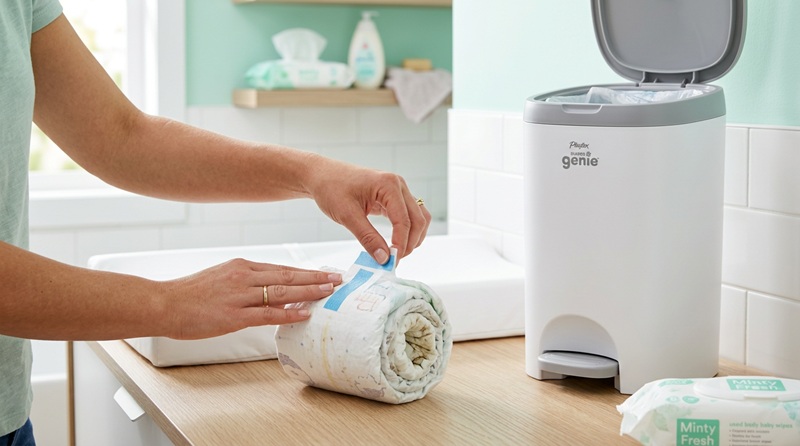
At home, the best approach for how to dispose diaper pants involves a few simple steps. First, roll up the used diaper pants tightly with the soiled side inward. Use the adhesive tabs or strips to secure the rolled diaper into a compact ball. Place it in a dedicated diaper disposal bin with a tight-fitting lid.
Consider investing in a diaper pail with odor-locking technology. These specially designed bins use scented liners or carbon filters to trap unpleasant smells. Empty the diaper pail regularly, ideally every day, to maintain a fresh-smelling nursery.
How to Dispose Diaper Pants When Traveling
When you are out and about, knowing how to dispose diaper pants becomes even more important. Always carry a supply of scented disposal bags in your diaper bag. After changing your baby, place the used diaper pants in a disposal bag, seal it tightly, and dispose of it in the nearest waste bin.
Never flush diaper pants down the toilet, even if they are labeled as flushable. They can cause serious plumbing blockages and damage sewage systems. If no waste bin is available, seal the diaper pants in a disposal bag and carry it until you find a proper disposal point.
Expert Resources on Baby Hygiene
For more guidance on baby hygiene and proper diaper disposal practices, refer to these trusted sources:
- American Academy of Pediatrics – Baby Care Guide
- World Health Organization – Newborn Health
- HealthyChildren.org – Baby Care and Hygiene
Related Articles
- How to Change a Baby’s Diaper
- Best Baby Diapers in India
- Diaper Rash – Causes, Symptoms and Remedies
- Self Care Tips for New Mums
Why Proper Diaper Disposal Matters More Than You Think
An average baby uses 6,000-8,000 disposable diapers before potty training. Improperly thrown diapers spread bacteria, attract pests, release strong odours, and can take 250-500 years to break down in landfills. They also expose sanitation workers to harmful pathogens like E. coli and rotavirus when not sealed properly. Disposing each diaper the right way protects your home, your community, and the people who handle waste downstream.
Step-by-Step: The Right Way to Dispose a Soiled Diaper
First, lay the baby on a clean surface and remove the diaper carefully. For solid waste, dump it into the toilet — this is the only part that should not go in the landfill. Roll the diaper inward so the soiled side is tucked inside, then fasten it tightly using its own tabs or stretch waist. Place it in a small biodegradable bag or wrap in newspaper, tie it shut, and drop into a covered bin lined with a separate liner. Wash your hands thoroughly afterward.
Diaper Disposal Bag vs Regular Plastic Bag
Scented diaper disposal bags lock in odours and contain leak-proof film, but most are made of regular plastic and add to landfill waste. Compostable cornstarch bags, biodegradable bin liners, or simply double-wrapped newspaper work well too. If you live in a flat with no separate dry-waste collection, dedicate a small lidded bin only for diapers and empty it every 24 hours to prevent odour build-up.
Cloth Diaper vs Disposable Diaper Disposal
Cloth diapers do not need to be thrown — they are washed and reused. After removing solid waste into the toilet, store soiled cloth diapers in a dry pail (no soaking) for up to 24-48 hours, then machine-wash on hot with a baby-safe detergent. Disposable diapers cannot be flushed, recycled in most Indian municipalities, or composted at home. They must go into the dry/non-recyclable waste stream — never into your wet/kitchen waste bin.
Eco-Friendly Alternatives Worth Considering
If diaper disposal feels overwhelming, consider mixing in cloth diapers for daytime use and disposables only for travel and overnight. Bamboo and plant-based diapers break down faster than standard polymer ones. Some Indian cities now offer pick-up services for soiled diapers along with sanitary waste — check with your local municipal corporation. Even small swaps reduce your household waste footprint without compromising convenience.
Common Diaper Disposal Mistakes to Avoid
Never flush even part of a disposable diaper — the super-absorbent polymer expands inside pipes and causes serious blockages. Do not throw used diapers loose into open garbage; they leak and attract flies. Avoid mixing diapers with wet kitchen waste — it makes the entire bag non-compostable and harder for waste workers to handle. Skip burning diapers at home; they release toxic fumes from plastic and chemical absorbents. Always seal, segregate, and dispose responsibly.
References & Sources
- American Academy of Pediatrics (AAP). Caring for Your Baby. aap.org
- Indian Academy of Pediatrics (IAP). Child Health Guidelines. iapindia.org
- National Library of Medicine. Diaper Dermatitis. pubmed.ncbi.nlm.nih.gov
- National Institute of Nutrition (NIN). Dietary Guidelines for Indians. nin.res.in
- AAP. Safe Sleep Recommendations. aap.org/safe-sleep