
Diaper Care Storage, Usage Tips & Common Mistakes Parents Make
By Teddyy Editorial Team | Last Updated: April 23, 2026
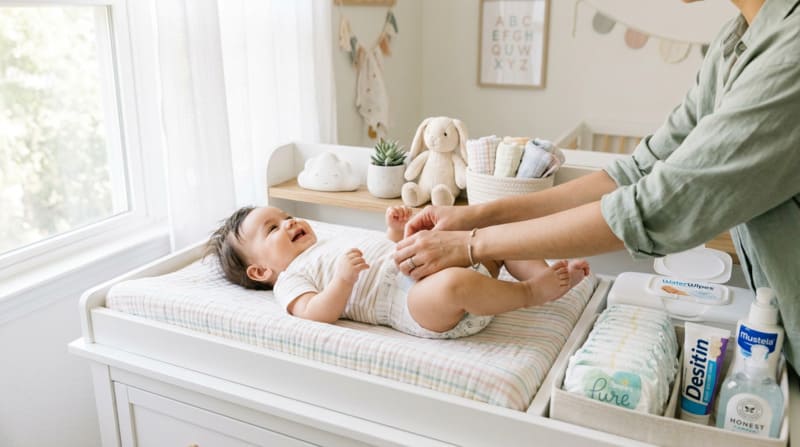
No one really prepares you for how diapers take over your day. From midnight changes to last-minute runs for extra packs, diaper care quickly becomes part of your daily routine. Yet, many parents feel unsure about the small details. Are diapers being stored the right way? How often should you change them? Can simple mistakes cause discomfort or rashes?
These questions are completely normal, especially in the early months. Diaper care is not just about putting a diaper on your baby and moving on. It directly affects their comfort, hygiene, and skin health. Once you understand how to store diapers properly, use them the right way, and avoid common mistakes, daily diapering become easier, safer, and far less stressful.
Key Takeaways
- Diaper storage is not usually the first thing parents think about when preparing to welcome a baby.
- Diapers have a shelf life.
- Rashes are common, but many cases are preventable with the right care.
- You are learning every day, so mistakes are part of the journey.
- Diaper-changing hygiene protects both you and your baby.
How to Store Baby Diapers Correctly
Diaper storage is not usually the first thing parents think about when preparing to welcome a baby. But how you store diapers can affect their performance. Proper diaper care starts with smart storage.
Always keep diapers in a cool and dry place, away from direct sunlight or moisture. Heat and humidity in Indian weather can affect the absorbent layers over time. Also, avoid storing diaper packs near bathrooms, kitchens, or windows where temperature changes are frequent.
Once a pack is opened, make sure it is loosely covered or kept in a breathable container. Airtight boxes may seem neat, but they can trap moisture, which is not ideal for diaper storage. Whether you are stocking up on newborn diapers, infant diapers, or bigger sizes like diaper M size or diaper L size, the same storage rules apply. To learn more about choosing the right type of diaper, read our guide on natural vs chemical diapers. You can also compare taped diapers vs pant diapers to find what suits your baby best.
A small but helpful habit? Rotate your stock. Use older packs first so nothing sits unused for too long.
Shelf Life of Baby Diapers: Do They Expire
Diapers have a shelf life. Most disposable diapers are designed to last for several years from the manufacturing date, but their quality can reduce over time. They do not expire like food, but their absorbency, elasticity, and softness can reduce over time if stored for long periods. It is best not to use a diaper if it feels stiff, smells odd, or the elastic seems loose.
This becomes especially helpful when you have stocked up across a range of sizes, from newborn diapers to larger options like XL and XXL for the later months. Although it is good to buy diapers beforehand, always check dates and store them properly. This way, they stay safe for when you need them.
Best Practices for Diaper Usage to Prevent Rashes
Rashes are common, but many cases are preventable with the right care.
The golden rule of diaper care? Change the diaper frequently. Newborns may need changes every 2–3 hours, but older babies may not require a change so often. A wet or soiled diaper left on too long is one of the most common causes of irritation.
Soft, breathable diapers that fit well can make a noticeable difference in how your baby’s skin feels through the day. Many parents prefer Teddyy Diapers for everyday use because they are designed to stay comfortable for longer stretches without feeling bulky or trapping moisture.
A tight diaper, whether it is a diaper M size or a diaper L size, can rub against the skin, but a loose fit can cause leaks and friction. Sizing up to diaper XL or XXL options as your baby grows can improve comfort and reduce friction. Explore the full range of Teddyy diaper products to find the right fit for your baby.
Always clean gently during changes. Use soft cotton, lukewarm water, or fragrance-free wipes, and let your baby’s skin air-dry for a few seconds before putting on a fresh diaper. This small pause can help reduce the risk of rash.
For everyday diaper changes, you can also use Teddyy’s Soft Cleansing Wipes. These wipes are made with a nourishing four-oil blend including aloe vera, jojoba oil, olive oil, and vitamin E, which helps soothe and moisturise delicate baby skin.
Common Diaper Storage & Usage Mistakes Parents Make
You are learning every day, so diaper care mistakes are part of the journey. Here are a few common ones and how you can avoid them.
One common mistake is overstocking just one size. Babies grow fast, and before you know it, that huge pack of newborn diapers will not be useful. Stock up on current and next sizes.
Another is storing diapers on the floor. Floors collect dust and moisture, even if your home looks spotless. Always keep diaper packs on shelves or inside cupboards.
Some parents also wait too long between nighttime changes, hoping not to disturb the baby’s sleep. While this is understandable, leaving your baby in a soiled diaper for hours can increase the chances of rashes. Night-time diaper changes may feel exhausting, but they can help prevent bigger problems later.
Hygiene Tips While Changing Baby Diapers
Diaper-changing hygiene is an essential part of diaper care that protects both you and your baby. It may feel repetitive on busy days, but these small habits go a long way in keeping rashes away.
Create a simple routine so that you feel more confident and keep your baby comfortable through every diaper change.
- Wash your hands before and after each diaper change to reduce the spread of germs.
- Use a changing mat that is easy to wipe clean, and disinfect it regularly.
- Use fresh wipes or tissues each time and dispose of used diapers immediately.
- Keep the diaper bin covered to control odours and limit bacteria in warm or humid weather.
- Avoid using too many products. A gentle cleanser, a clean diaper, and a barrier cream when needed are enough.
Avoid using too many products for your baby. A gentle cleanser, diaper and a cream is enough when your baby’s skin needs extra protection.
How to Choose the Right Diaper Size for Each Stage
Diaper size is by weight, not by age — a 6-month-old can need anything from S to L depending on build. Use the brand’s size chart on the pack and re-check fit every 2 to 3 weeks because babies grow fast in the first year. A correctly sized diaper sits just below the belly button at the front, the leg cuffs are visible (not tucked in), and you can fit two fingers comfortably inside the waistband. Signs you need to size up: red marks on the thighs, frequent leaks even with timely changes, the diaper looks tight, or you see the wetness indicator turning blue too quickly. Sizing up too early causes leaks at the legs, so move only when two of these signs appear.
Night Diapers vs Day Diapers: When to Switch
Night diapers have a higher absorbency core (typically 12 hours vs 6 to 8 hours) and softer cuffs designed for less movement during sleep. Switch to night diapers from around 4 months when babies start sleeping in longer 4 to 6 hour stretches and you no longer want to wake them for changes. For long flights or road trips, also use night-grade diapers. During the day, opt for ultra-soft regular diapers with stronger leg gussets to handle active rolling, crawling, and walking. Keep both types stocked so you are not forced to use a thin daytime diaper through a long sleep stretch, which causes diaper rash overnight.
Diaper Disposal: The Right Way for Health and Environment
Used diapers are biomedical-style waste — never throw them loose into open bins. Roll the diaper inward so the soiled side stays inside, secure it with the side tabs, and place it inside a separate biodegradable bag before tossing into the dustbin. In Indian cities, this also helps waste workers who segregate manually. For solid stools, scrape the waste into the toilet first; this reduces landfill load and odour. Wash hands with soap for 20 seconds after every change. If your baby has had medication, vaccines, or a stomach infection, double-bag the diaper for the next 48 hours since the waste may carry live virus or active drug residue.
Conclusion
Motherhood can make you second-guess everything you are doing. But diaper care does not have to be one of them. And on days when it feels overwhelming, remember that you are doing your best, and that is more than enough.
When diaper changes become part of your everyday routine, having a dependable option like Teddyy Diapers can make those little moments feel a bit easier. With a reliable diaper in place, your daily diaper care becomes simpler, and you can focus more on caring for your baby and less on second-guessing every change. For more parenting tips, explore our baby care blog.
Teddyy’s commitment to quality is recognised internationally. The brand has been featured at major healthcare exhibitions like the Arab Health Exhibition 2025 and MEDICA 2023.
References & Sources
You May Also Like



Frequently Asked Questions
How should diapers be stored at home?
You should store diapers in a cool, dry place away from sunlight and humidity. Keep them in cupboards on top of shelves and avoid airtight containers that can trap moisture.
Can diapers go bad if stored for a long time?
Diapers can lose absorbency and elasticity if they are stored for too long. Always check the manufacturing date and use older packs first.
Is it safe to store diapers in plastic bags?
It is better to avoid tightly sealed plastic bags for long-term storage. They can trap moisture in humid Indian climate.
How often should a diaper be changed?
Change every 2–3 hours or immediately after soiling for newborns. Older babies can go a bit longer, but frequent changes prevent rashes.
Does improper diaper storage cause diaper rash?
Improper storage can affect a diaper’s quality, which may lead to leaks, friction, or lower absorbency. All of these factors can contribute to diaper rash.