
Navigating Baby Diarrhea: Unraveling Causes and Gentle Treatments
By Teddyy Editorial Team | Last Updated: April 23, 2026
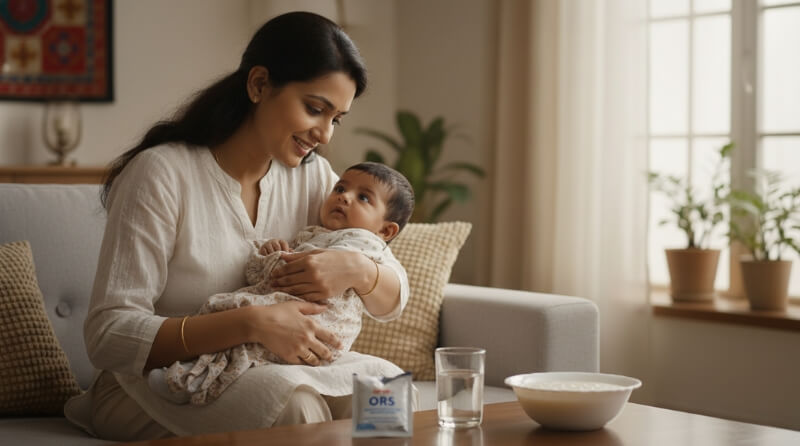
Dealing with baby diarrhea can be stressful for any parent. Understanding the common causes of baby diarrhea and knowing the right treatment approach helps you respond quickly and keep your little one hydrated and comfortable during recovery.
Hey fellow parents and soon-to-be diaper experts! ? Let’s chat about something we all know too well – baby diarrhea. Yep, the messy, unpredictable side of parenting that comes with its fair share of surprises. We’re not here to sugarcoat it, but we are here to share a few laughs, swap stories, and reassure you that you’re not alone in this madness. So, grab a comfy seat (and maybe some wipes), and let’s dive into the proper way of handling baby business with a smile. ??
So, picture this: your little one’s tummy decides to have a party with some loose, watery stools. That’s baby diarrhea making an entrance. No need for a PhD. in poop studies, but keeping an eye on the colour and consistency helps decode your baby’s digestion drama.
Key Takeaways
- Have you thought about what could be the causes of diarrhea in your baby? Don’t worry, we list it out for you:.
- Wondering about the various effects of baby diarrhea on your babies? Scroll down:.
- How to stop diarrhea in babies fast? Follow these tips:.
- How to stop diarrhea in babies fast? Follow these tips:.
- Diaper Decisions: Opt for the right diaper size – New Born or nb size diapers for snug fits and leak prevention.
Baby Diarrhea Causes
Have you thought about what could be the causes of diarrhea in your baby? Don’t worry, we list it out for you:
- Teething Troubles: Believe it or not, those tiny teeth making their grand entrance can stir up the tummy, leading to a bout of baby diarrhe The tooth fairies come with a surprise package, which can cause green stool in babies.
- Overzealous Antibiotics: Sometimes, those well-intentioned antibiotics can throw an explosive party in the digestive system. They may wipe out the bad guys, but the good guys might get caught in the crossfire, causing a tummy ruckus.
- Formula Fuss: Switching up the formula might seem harmless, but for some babies, it’s like introducing them to a new DJ at the party – the tummy might not vibe with it.
- Mom’s Diet Dilemma: If breastfeeding, what mom eats matters! Some babies can be sensitive to certain foods through breast milk, turning the baby’s tummy into a bit of a food critic.
- New Solid Foods Adventure: As you introduce your little one to the world of solids, their tiny digestive system might need some time to adjust leading to baby diarrhea sometimes.
Effects Of Baby Diarrhea
Wondering about the various effects of baby diarrhea on your babies? Scroll down:
Also read: Baby Vaccination Chart for Indian Babies.
- Sleep Disturbance: A baby with a rumbly tummy will not lay down for a peaceful night’s sleep. Brace yourself for some midnight diaper changing chaos.
- Diaper Rash: The constant battle with loose stools can leave your baby’s bottom a bit red and irritated with the constant clean ups and contact with feces.
- Mood Swings: Just like adults, babies can get a bit grumpy when dealing with tummy troubles. Expect some fussiness and give them some extra cuddles.
- Appetite: Your baby’s appetite might hit a low note during diarrhea episodes. Don’t be surprised if mealtime turns into a game of “will they or won’t they?”
- Cranky Naps: Ever tried taking a nap with a rumbling tummy? It’s not the cosiest experience. Baby diarrhea might turn those peaceful naps into slightly cranky downtime.
- Clothing: Be prepared for a wardrobe change or two. Baby diarrhea can be unpredictable, and those adorable outfits might bear the brunt of the aftermath.
Baby Poop Colours
- Normal Colour Variations: Yellow, brown, green – it’s a baby poop rainbow! Don’t freak out; it’s normal. Diarrhea rainbow, however, needs attention.
- Green Baby Poop: Green stool baby? Hold your horses! It’s usually a diet thing, but keep an eye out for other red flags. When in doubt, call in the experts.
- Pink: A touch of pink might be the aftermath of beets making their way through.
- Other Colour Indicators: Red, black, or white stools are the real dangers. They shout, “Something’s not right!” Call for backup (a.k.a. your paediatrician).
Baby Diarrhea Treatments
How to stop diarrhea in babies fast? Follow these tips:
Also read: Diaper Rash Treatments and Home Remedies.
- ORS Magic: Oral Rehydration Solution (ORS) is your superhero in the battle against dehydration. Learn when and how to unleash this magic for a hydrated baby!
- Hygiene helps: Fight the germ invasion with impeccable hygiene! Handwashing, mastering of diaper duty, and a clean battlefield keep your baby’s health on the winning side.
- Medical Backup: When the going gets tough, the tough call in the pros. Severe diarrhea needs healthcare professionals armed with medications, tests, and dietary wisdom.
Baby Loose Motion Home Remedies
Some Baby Loose Motion Home Remedies Include:
- Probiotics: Introduce probiotics for a healthy gut! These good bacteria aid recovery and bring balance to the force (of digestion).
- Balanced Diet: Feed your tiny human a balanced diet. Easy-to-digest foods are the unsung heroes of nutritional needs. Instead of googling ‘how to stop green poop in babies home remedies’,’ keep a check on your baby’s diet.
- Feeding: Master the art of feeding – paced bottle feeding and breastfeeding minimise tummy discomfort. No excess air allowed and burp them after!
Diaper Chronicles: Comfort Edition
Diaper Decisions: Opt for the right diaper size – New Born or nb size diapers for snug fits and leak prevention. Level up with Teddy Baby Diapers! Comfort meets protection for a diaper saga without the drama.
Expert Resources on Baby Diarrhea
For medical guidance on managing baby diarrhea, visit: American Academy of Pediatrics (AAP), World Health Organization – Diarrhoea, and HealthyChildren.org – Diarrhea in Children.
How to Tell Diarrhea From a Normal Loose Stool
Newborns and breastfed babies naturally pass soft, runny, mustard-yellow stools several times a day — that is not diarrhea. Real diarrhea means a sudden change to very watery, frequent (more than 3-4 above normal), foul-smelling stools, often accompanied by other signs like fever, vomiting, fussiness, or refusal to feed. Look at the change from your baby’s usual pattern, not just the consistency on a single day.
The Most Common Causes by Age
In babies under 6 months, the top triggers are viral infections (rotavirus, norovirus), bacterial gastroenteritis from contaminated water or formula, lactose intolerance, or sensitivity to a food in the breastfeeding mother’s diet. After 6 months, new solid foods, food allergies (cow’s milk, eggs), antibiotics killing gut flora, teething (mild loose stools only), and unhygienic finger-feeding are common causes. Travel-related diarrhea also rises once babies start eating outside food.
How to Keep Your Baby Hydrated (The Most Important Part)
Dehydration is the real danger of diarrhea, not the loose stools themselves. Keep breast or formula feeds going as usual — never dilute formula. For babies over 6 months, offer ORS (oral rehydration solution) in small sips after every loose stool — about 50-100ml per episode. Make ORS using a WHO-approved sachet in clean boiled water; never use sports drinks or sugary juice. Coconut water in moderation works as a backup. Avoid plain water-only as it can dilute electrolytes dangerously.
Foods to Offer and Foods to Skip During Recovery
Once your baby is eating solids, follow the BRAT-style approach: bananas, rice (or rice water), applesauce, and toast. Khichdi made with plain moong dal and rice, dahi-rice, ragi porridge, and well-cooked carrots are easy on the gut. Avoid fruit juices, raw vegetables, dairy other than curd, fried snacks, and any new food. Continue breastfeeding throughout — breast milk speeds recovery and provides antibodies. Reintroduce regular foods gradually over 2-3 days as stools normalise.
Warning Signs That Need Immediate Medical Attention
Take your baby to the pediatrician or emergency room right away if you see fewer than 6 wet diapers in 24 hours, sunken eyes, dry mouth or no tears when crying, sunken soft spot on the head, blood or mucus in stool, persistent vomiting, fever above 100.4°F (38°C), extreme drowsiness or unresponsiveness, diarrhea lasting more than 24 hours in babies under 6 months, or weight loss. These are signs of significant dehydration that needs IV fluids.
Diaper Care to Prevent Painful Rash
Frequent loose stools rapidly cause a stinging diaper rash. Change diapers within minutes of a stool, clean gently with warm water and cotton (skip wet wipes during diarrhea — alcohol and fragrance worsen the rash), pat dry, and apply a thick zinc oxide barrier cream at every change. Give 5-10 minutes of diaper-free air time between changes. Choose ultra-absorbent diapers that wick moisture away quickly to keep skin dry between changes.
References & Sources
- World Health Organization (WHO). Maternal and Newborn Health. who.int
- Indian Council of Medical Research (ICMR). National Guidelines for Maternal Care. icmr.gov.in
- American Academy of Pediatrics (AAP). Caring for Your Baby. aap.org
- Indian Academy of Pediatrics (IAP). Child Health Guidelines. iapindia.org
- National Library of Medicine. Diaper Dermatitis. pubmed.ncbi.nlm.nih.gov
- National Institute of Nutrition (NIN). Dietary Guidelines for Indians. nin.res.in
- AAP. Safe Sleep Recommendations. aap.org/safe-sleep
You May Also Like


Frequently Asked Questions
What does baby diarrhea look like?
Picture loose, watery stools. The colour may vary, and green baby poop isn’t always a cause for panic; it’s usually a harmless thing related to what your baby ate.
What is the danger of diarrhea in babies?
The main danger is dehydration, a serious foe to your little one’s health. Keep an eye on symptoms and see their paediatrician if needed.
How do you treat diarrhea in babies?
Tackling baby diarrhea involves keeping them hydrated with fluids like ORS and tweaking their diet to include easily digestible foods. For more advice, consult their paediatrician.
What stops diarrhea fast naturally?
Balance is key! Easy-to-digest foods, probiotics, and hydration can cure diarrhea gradually. If you’re concerned about your baby’s health due to diarrhea, consult a doctor immediately.
Can ORS be given to babies?
Absolutely! Oral Rehydration Solution (ORS) are baby-friendly and can be given as per the doctor’s recommendation.
When should I worry about baby diarrhea?
If baby diarrhea sticks around for more than a day or brings dehydration, it’s time to visit a doctor.