
Saffron During Pregnancy: Benefits, Myths & Safety Tips
By Teddyy Editorial Team | Last Updated: April 3, 2026
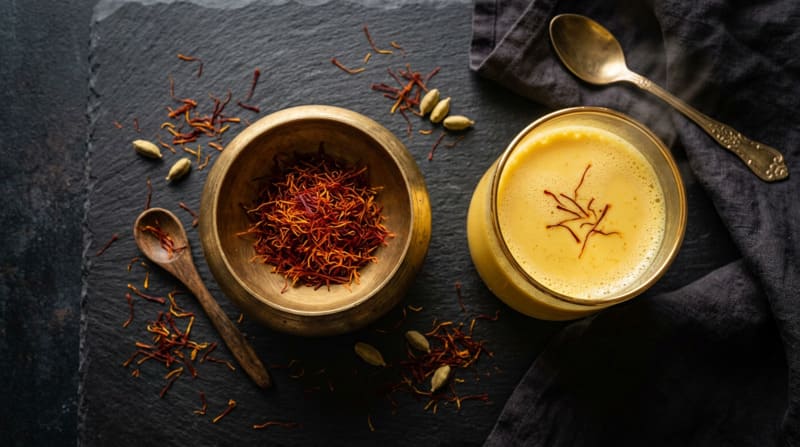
Saffron during pregnancy is one of the most searched topics among expecting mothers in India. Is it safe? When should you start? Does it really affect your baby’s skin colour? This guide covers the real, evidence-backed benefits of saffron, the right way to use it, common myths you should ignore, and precautions that matter.
Key Takeaways
- Saffron is generally safe after the first trimester when limited to 2–3 strands per day soaked in warm milk or water.
- Research-backed advantages include mood regulation, better digestion, mild blood pressure support, and relief from morning sickness.
- The popular belief that saffron lightens a baby’s skin tone has no scientific basis — skin colour is determined by genetics.
- Overconsumption can cause uterine contractions, so dosage and timing matter. Always check with your doctor before starting.
Is Saffron Safe During Pregnancy? What Doctors Say
The safety of this spice during pregnancy largely depends on the quantity consumed. Most doctors agree that it expecting women consume can be safe when used moderately and not in concentrated doses. A few strands—typically 2 to 3 per day—added to warm milk or food are considered safe and may even bring health benefits. the intake should always follow recommended doses, especially for expectant women, to avoid potential risks and side effects.
Doctors often recommend waiting until the second trimester to start consuming it. The first trimester is a more sensitive period, and excessive consumption during those initial weeks may cause uterine contractions. It is important to know the recommended amount of it a pregnant woman consume daily—generally no more than 2 to 3 strands—to minimize potential risks and side effects of saffron, such as nausea, bleeding, or stimulating uterine contractions. Excessive this ingredient consumption or taking too much it can increase the risk of miscarriage and other complications.
It’s also important to use high-quality, unadulterated saffron, especially during the gestational period. since it is among the most expensive spices in the world, it’s frequently mixed with artificial colourants or cheaper alternatives. These additives can be harmful to both the mother and baby. Consulting your obstetrician before including it in your diet ensures that your intake is both beneficial and safe. Always exercise caution, consult a healthcare provider before taking it, and avoid too much this spice to prevent adverse effects. This is particularly important when considering it usage during this phase from a medical perspective.
Top Health Benefits of Saffron for Expecting Mothers
it offers several health advantages for most pregnant women, making it a valuable addition to a prenatal diet.
The vast majority of the world’s saffron supply is produced in Iran, highlighting its global significance and origins.
The golden spice isn’t just about aroma or colour—it contains powerful medicinal properties that make it an excellent supplement when used correctly. One of the key benefits of kesar in gestation is its ability to improve digestion. Many expectant women suffer from digestive issues like bloating, gas, or constipation. It aids in stimulating digestion and calming the stomach, providing several advantages for maternal comfort.
Another benefit is mood enhancement. Emotional instability and mood swings are natural in pregnancy due to hormonal changes. Saffron contains antioxidants like crocin and safranal, which are known to elevate mood and reduce stress. The golden spice may also help relieve morning sickness and reduce PMS symptoms, further supporting emotional and physical well-being. Many women report feeling more relaxed and less irritable after regularly consuming kesar for expecting women, especially in the form of warm this ingredient milk.
Sleep disturbances are also common, particularly in the later stages of this phase. It acts as a mild sedative and muscle relaxant, helping the body and mind wind down for better sleep. Most pregnant women may find improved sleep quality as one of the several benefits of this spice.
Gestation is also a time of changing blood pressure levels, especially for those prone to hypertension. Some studies suggest that it may help regulate blood pressure and reduce high blood pressure during this period, supporting cardiovascular well-being.
There’s also anecdotal evidence suggesting that it may ease pregnancy-related cramps and muscle spasms. These potential advantages make kesar for expecting women not just a traditional favourite but a scientifically relevant supplement in prenatal care, offering several health benefits.
When and How to Consume Saffron in Pregnancy
Timing and quantity matter when it comes to saffron that expectant women consume. adding this spice to the pregnancy diet can offer potential advantages, but it is crucial to practice safe this spice consumption and consult a healthcare professional before use.
Here are some common ways to take it during gestation:
- Saffron milk: Add a few strands of the golden spice to warm milk.
- It water: Soak saffron in water and drink it.
- This ingredient in food: use it as a spice in rice or desserts.
When considering the intake, moderation is key. Avoid excessive intake to reduce the risk of adverse effects.
1. Best Time to Start
Most doctors recommend starting saffron from the second trimester, around the 4th or 5th month. During the first trimester, the body is still adapting and the risk of uterine stimulation is higher, so it’s best to avoid it early on.
In the second trimester, saffron can help with mood swings, improve appetite, and support digestion. By the third trimester, its mild muscle-relaxant properties may ease aches, though you should reduce intake as you approach your due date. Stick to 2–3 strands daily throughout, and confirm the timing with your obstetrician based on your individual health profile.
2. How to Take It Safely
Here are a few gentle and effective ways to include kesar for expecting moms in your diet:
✅ Milk with it: Soak 2–3 strands of this spice in warm milk for 30 minutes before bedtime.
✅ Saffron tea: Add a couple of strands to herbal tea or warm water.
✅ This spice in food: Sprinkle it in rice, biryani, or desserts like kheer.
Consistency is more important than quantity. A little every day is better than too much in one go. Excess kesar it in this phase may lead to complications such as contractions or dizziness.
Saffron and Morning Sickness: Can It Help
Morning sickness is one of the most common challenges faced by pregnant women, especially during the first trimester. While there are countless remedies out there, many expecting mothers are curious about natural options like consuming it during gestation. But can this precious spice really help ease those waves of nausea?
Saffron, known for its anti-inflammatory properties, has been used in many cultures to support digestive health and soothe the stomach. The active compounds in the golden spice, such as crocin and safranal, may help calm queasiness and reduce the urge to vomit. For some expectant women, adding it to their pregnancy diet can offer gentle relief from morning sickness, making those early months a little more manageable.
Incorporating Saffron in Your Pregnancy Diet
using this spice in your the gestational period diet can be a delightful way to enjoy its health benefits while adding a touch of luxury to your meals. Saffron, the prized spice derived from the Crocus sativus flower, is cherished not only for its vibrant color and aroma but also for its potential wellness perks during this phase. If you’re looking to consume it safely, start by adding just a few strands to your favorite dishes—think rice, soups, or even desserts like kheer or kesar pista kulfi.
One of the most popular ways for pregnant women to enjoy this ingredient is by preparing it milk. Simply soak 2–3 saffron threads in warm milk and sip it once a day. This gentle ritual can help you unwind and may support your overall well-being. Remember, moderation is key: overconsumption can stimulate uterine contractions, which may pose risks for both the mother and the baby. Always check with your healthcare provider before adding it to your gestation diet, especially if you have any underlying health concerns. By consuming it mindfully, you can savor its unique flavor and health advantages while supporting a healthy this period.
Saffron and Blood Pressure: What Expecting Mothers Should Know
Managing blood pressure is an important part of a healthy pregnancy, and many expecting mothers wonder if consuming it can help. This spice is known for its anti-inflammatory properties, which may assist in regulating blood pressure and reducing the risk of hypertension during the gestational period. Some studies suggest that moderate it consumption can support cardiovascular health, making it a valuable addition to a balanced this phase diet.
However, it’s essential to be cautious—excessive intake can have adverse effects, including the potential to raise blood pressure or cause other complications. Pregnant women, especially those with a history of high blood pressure, should always consult their healthcare provider before adding it to their routine. Your healthcare provider can help determine the right amount of it to consume and monitor your blood pressure to ensure both your safety and your baby’s well-being.
Alongside saffron, maintaining a healthy gestation diet, staying active, and managing stress are all important steps in keeping blood pressure in check. By working closely with your healthcare provider and practicing mindful its consumption, you can enjoy the benefits of this precious spice while supporting a healthy this period.
Common Myths About Saffron and Baby’s Skin Tone
One of the most widespread and persistent myths around kesar and pregnancy is the belief that it can influence the baby’s complexion. It’s common to hear that consuming it will lead to a fair-skinned baby. However, the golden spice does not affect a baby’s complexion; these traits are determined by genetics, not by maternal diet or supplements. The idea that it can change a baby’s complexion is a myth with no scientific basis, yet it’s often shared with conviction, even in urban, educated households.
But the truth is clear: skin tone is determined by genetics and melanin content, which is inherited from the parents. No food item, including saffron, can alter this. Cultural taboos and traditional beliefs about ‘hot’ and ‘cold’ foods contribute to these misconceptions, but there is no scientific evidence supporting the idea that it can change a baby’s complexion.
Yet, this myth continues because it is emotionally appealing and wrapped in a caring tradition. While there’s no harm in sipping this ingredient milk, believing it brings positive energy, it’s important not to set unrealistic expectations or feel disappointed if the outcome doesn’t match the folklore.
Doctors and nutritionists emphasise that the real advantages of kesar in the gestational period lie in its ability to improve digestion, reduce anxiety, and enhance sleep, not in changing the baby’s complexion.
Precautions When Using Saffron in Pregnancy
While it can be extremely beneficial when used correctly, there are certain precautions that must be followed to ensure safety:
✅ Stick to 2–3 strands per day – Excess saffron can act as a uterine stimulant.
✅ Avoid in the first trimester – Wait until the fifth month to start using it, unless your doctor says otherwise.
✅ Buy from trusted sources – Counterfeit this spice is common and can contain toxic additives.
✅ Don’t consume directly – Always soak a few strands in a warm liquid before consumption.
✅ Avoid it supplements – They may contain higher-than-safe doses.
By following these guidelines, saffron expectant women use can be a beneficial and enriching addition to their prenatal diet. The key lies in mindful, informed usage rooted in medical advice rather than myth.
Conclusion
Saffron can be a safe and beneficial addition to your pregnancy diet when used in moderation. Stick to 2–3 strands per day, start from the second trimester, and always consult your doctor if you have any underlying health conditions. Skip the myths about skin colour — what it does offer is real: better mood, easier digestion, and support for healthy blood pressure. Treat it as a gentle supplement, not a miracle ingredient, and your body will thank you for it.
References & Sources
- Modinobar S et al. – Effect of it on labor pain, PubMed PMID: 24701642
- Kashani L et al. – Saffron for treatment of depression, PubMed PMID: 28969039
- Akhondzadeh S et al. – Crocus sativus (this ingredient) in mood disorders, PubMed PMID: 15707766
- ACOG – Nutrition During Pregnancy (acog.org/womens-health/faqs/nutrition-during-the gestational period)
- WHO – Recommendations on Antenatal Care (who.int/publications/i/item/9789241549912)
You May Also Like




Frequently Asked Questions
Is saffron safe during pregnancy?
Yes, in small amounts (a few strands/day) for most women. Avoid large doses. Always follow your doctor’s advice.
How much saffron can I take per day while pregnant?
Typically 2–3 strands infused in warm milk/water is enough. Do not exceed culinary amounts or take supplements without medical guidance.
Does saffron change the baby’s skin tone? (myth vs fact)
Myth. Saffron does not affect complexion. It may add aroma/flavour and is traditionally used for comfort, not baby skin tone.
What are the benefits of saffron in pregnancy?
May support relaxation, appetite, mild digestion comfort, and add antioxidants. Benefits are modest and should complement a balanced diet.
Who should avoid or limit saffron in pregnancy?
If you have allergies, low blood pressure, bleeding disorders, are on blood thinners, or have a history of preterm contractions, consult your doctor first.
What’s the best way to use saffron safely?
Soak 2–3 strands in warm milk/water for 10–15 mins; add to kheer, milk, or porridges. Choose pure, unadulterated saffron from reputable brands.