
7 Best Home Remedies to Treat Diaper Rashes
By Teddyy Editorial Team | Last Updated: May 3, 2026
Key Takeaways
Diaper rash is a common concern for parents, but these proven home remedies can help soothe and heal your baby’s skin naturally.
- A baby’s skin is incredibly delicate and sensitive, making it prone to irritation from moisture, friction, and exposure to waste products.
- Many parents prefer natural remedies because they are gentle on sensitive skin and free from harsh chemicals.
- For trusted guidance on caring for your baby’s skin, visit: American Academy of Pediatrics (AAP), World Health Organization – Newborn Health, and HealthyChildren.
Prevention Is Better Than Cure
Most diaper rashes happen because of prolonged wetness, friction, or irritating ingredients in wipes and diapers. Before reaching for remedies, here is how to prevent rashes from showing up in the first place:
- Change diapers every 3–4 hours — even if the diaper does not look full. Prolonged contact with moisture is the top cause of rashes.
- Use gentle, alcohol-free wipes — Teddyy Soft Cleansing Wipes are enriched with aloe vera and jojoba oil, free from alcohol and parabens, so they clean without stripping or irritating delicate skin.
- Choose breathable diapers — Teddyy Premium diapers have a breathable outer layer that lets air circulate, keeping the diaper area drier and reducing rash risk.
- Allow diaper-free time — let your baby go without a diaper for 15–20 minutes a few times a day. Air exposure helps skin heal and stay dry.
What Are the Best Remedies For Diaper Rash
Soft as a baby’s bottom they say, but that isn’t the case when your baby’s bottom is red and angry with diaper rash. Fortunately, the many home remedies for baby diaper rash and strategies can help restore your baby’s bum back to their old, soft, gentle self.
So, to help you with your baby’s diaper rashes, we’ve compiled 7 best remedies and strategies to treat diaper rashes. Here we go!
Change the Diapers Often!
Just like you don’t want to sit in a wet swimsuit all day, neither does your baby. Sitting in a wet, dirty diaper can irritate your baby’s skin and increase their risk of developing diaper rashes. Regular diaper changes is the way to go!
As a general rule, change your baby’s diaper every 3 to 4 hours; or after the duration mentioned on the diaper pack you bought for your baby. Teddyy Diaper pants are pant style diapers come with a special Colour Changing Wetness Alarm to let you know the perfect time for a diaper change, so that your baby doesn’t have to spend a minute longer in a wet diaper than necessary.
Allow Their Bum to Breath
Let’s give those bums some fresh air. After a diaper change, consider letting your little one wear their birthday suit for a while.
Allowing your baby to go diaper-free helps the affected area to dry out and heal. As an extra measure, ditch the plastic diapers and dress them in cotton clothes.
Make Sure the Diaper is a Proper Fit
Getting the right fit for your baby is very important. Too tight, and it will irritate the affected area. Too lose, and it won’t do its duty properly, leading to leaks and spills. An ill-fitting diaper could also have been the cause of your baby’s diaper rash to begin with. So, ensure that your baby’s diaper fits just right.
Try Soothing or Barrier Creams
This should be your very first step in diaper rash treatment. Skin-soothing ointments and barrier creams can soothe your baby’s irritated skin and prevent contact with pee and poop, giving space for the rash to heal.
Apply a generous amount to the affected area during diaper changes, and you’ll have your baby cooing with happiness again. There are also some more natural alternative soothing remedies you can try:
- Aloe Vera gel
- Coconut oil
- Yoghurt
- Avoid using Scented Baby Wipes
Although this might come as a surprise to you, the fact is that baby wipes can irritate the existing diaper rash. Instead of wet wipes, use unscented soap and water to keep your baby’s diaper area clean.
If you want, you can also go for unscented, natural baby wipes such as those made by Teddyy!
Use Unscented Soaps and Detergents
Oh, please don’t blindly trust baby products labelled child friendly. Scented soaps and detergents can irritate your little one’s sensitive skin and can be the cause of diaper rash in many cases. When it comes to baby products, always go for unscented products if possible.
Switch Diaper Brands
Sometimes, diaper rash could very well be triggered by an allergic reaction to certain materials used by diaper brands. If you notice that your baby’s rash coincides with using a new diaper brand, it’s time to switch again.
We know dealing with diaper rashes can be hard, but with these simple home remedies, you can help your little one stay comfortable and happy, while also preventing future occurrences of diaper rash. If the diaper rash persists or worsens even after a few days of home remedies, then you know it’s time to book an appointment with your baby’s doctor. See you in another blog!
What Should You Know About Skin Irritation in Babies
A baby’s skin is incredibly delicate and sensitive, making it prone to irritation from moisture, friction, and exposure to waste products. The warm, humid environment inside a nappy creates perfect conditions for skin breakdown. When the protective barrier of the skin is compromised, redness and discomfort can develop rapidly. Understanding what triggers these skin issues helps parents take preventive action before problems escalate.
Also read: Diaper Rash Treatments and Home Remedies.
Frequent nappy changes are one of the most effective preventive measures. Keeping your baby clean and dry reduces the chance of skin irritation significantly. After cleaning, allow the skin to air dry for a few minutes before putting on a fresh nappy. This simple step gives the skin time to breathe and recover from moisture exposure.
Natural Ingredients That Soothe Baby Skin
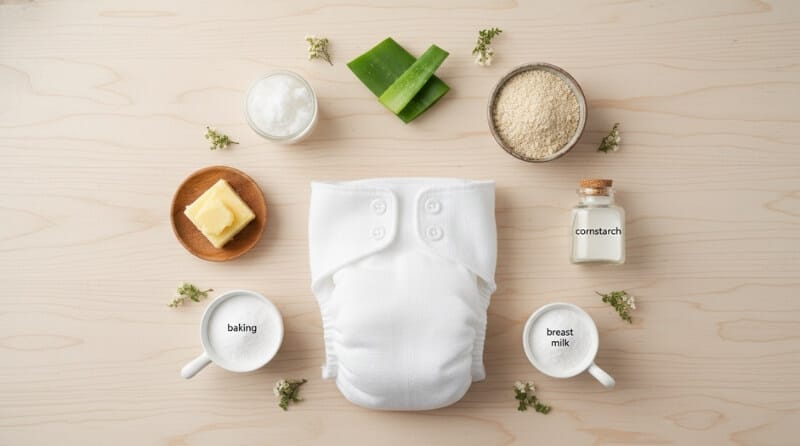
Many parents prefer natural remedies because they are gentle on sensitive skin and free from harsh chemicals. Coconut oil is a popular choice due to its natural anti-inflammatory and moisturizing properties. Aloe vera gel, when applied in small amounts, provides a cooling sensation that can reduce redness and discomfort. Oatmeal baths have been used for generations to calm irritated skin and promote healing.
Also read: 5 Ingredients to Look Out for in Baby Care Products.
Petroleum jelly creates a protective barrier that shields the skin from moisture and friction. Breast milk applied topically has natural antibacterial properties that can aid in healing. Cornstarch powder helps absorb excess moisture and keeps the area dry throughout the day. These simple household items can make a significant difference in your baby’s comfort level.
Expert Resources on Baby Skin Care
Diaper rash becomes even more common during hot weather when sweat and moisture build up. For seasonal tips on protecting your baby’s skin, read our guide on baby skin care tips for summer.
For trusted guidance on caring for your baby’s skin, visit: American Academy of Pediatrics (AAP), World Health Organization – Newborn Health, and HealthyChildren.org.
What Causes Diaper Rash in the First Place
Most diaper rashes are simple irritation from prolonged contact with urine, stool enzymes, friction, or trapped moisture. Yeast (candida) infections, soap residue, fragrance from wipes, new foods (especially citrus), antibiotics that disrupt gut flora, and even teething-related acidic stools can also trigger rashes. Knowing the cause helps you pick the right remedy — barrier-style for irritation, antifungal for yeast (white spots with red satellite dots), and gentle cleansing for sensitivity rashes.
How to Apply Each Home Remedy Safely
Always wash hands first, gently clean the diaper area with plain warm water and cotton (skip wipes during a flare), pat completely dry with a soft cloth, and apply only one remedy at a time. Use a thin, even layer — more is not better. Reapply at every diaper change. Stop the remedy immediately if redness worsens within 24 hours. Never combine multiple home remedies on the same area; it makes spotting reactions impossible.
Diaper-Free Air Time: The Underrated Fix
Letting your baby go diaper-free for 10-15 minutes after each change is one of the most effective remedies for any rash. Lay them on a waterproof mat with a thin towel and let air circulate. Schedule longer 30-minute air sessions twice a day during a flare. Sunlight in soft morning rays adds vitamin D and gentle antimicrobial benefit, but never expose for more than 5-10 minutes and avoid direct hot sun.
Common Mistakes That Make Rash Worse
Skip baby talcum powder — it cakes when wet, traps moisture, and is a respiratory hazard. Avoid scented wipes, soaps, bubble baths, and any “anti-rash” creams with steroids unless prescribed. Do not use cornstarch on yeast rashes — it actually feeds the fungus. Cloth diapers washed with strong detergents or fabric softeners often trigger contact rashes. Avoid wiping vigorously; even gentle cotton can damage already inflamed skin.
When Home Remedies Are Not Enough
See your pediatrician if the rash does not improve within 3 days, spreads beyond the diaper area, develops fever, blisters, oozing yellow pus, or bright-red satellite spots typical of yeast. A persistent or recurrent rash needs prescription antifungal or mild hydrocortisone cream. Babies under 6 weeks with any rash, or any rash with broken skin, should always be evaluated to rule out bacterial infection or impetigo.
How the Right Diaper Choice Reduces Future Rashes
Even the best home remedy fails if the underlying diaper traps moisture. Choose ultra-absorbent diapers with a soft, breathable top sheet that wicks liquid away from skin within seconds. Change every 2-3 hours during the day and at least once at night. Avoid plastic-pant covers and tight elastic. Pick fragrance-free, dye-free wipes or stick to plain water and cotton during rash flares.
References & Sources
- American Academy of Pediatrics (AAP). Caring for Your Baby. aap.org
- Indian Academy of Pediatrics (IAP). Child Health Guidelines. iapindia.org
- National Library of Medicine. Diaper Dermatitis. pubmed.ncbi.nlm.nih.gov
- National Institute of Nutrition (NIN). Dietary Guidelines for Indians. nin.res.in
Read Next
You May Also Like


Frequently Asked Questions
How to treat diaper rash?
Treating diaper rash involves a combination of gentle care and remedies. Start by keeping the diaper area clean and dry. Change diapers frequently and allow the skin to breathe. Apply a diaper cream or ointment with zinc oxide to create a protective barrier. If the rash persists or worsens, consult a pediatrician
What is the fastest home remedy for diaper rash?
One of the fastest home remedies for diaper rash is using a diaper cream or ointment that contains zinc oxide. Zinc oxide creates a protective barrier on the skin, helping to soothe and heal the rash quickly. Additionally, allowing your baby’s bottom to air dry and keeping the diaper area clean can also speed up the healing process.
How do you heal diaper rash sores fast?
To heal diaper rash sores quickly, follow these steps:
• Gently clean the area with lukewarm water and a soft cloth. Avoid using harsh wipes or soaps.
• Pat the area dry or let it air dry for a few minutes.
• Apply a diaper cream or ointment containing zinc oxide to create a protective barrier.
• Allow your baby to go diaper-free for short periods to let the skin breathe.
Is candid powder safe for diaper rash?
Candid powder, also known as antifungal powder, is generally safe for diaper rash caused by yeast or fungal infections. It can help to keep the area dry and combat the overgrowth of yeast. However, it’s essential to consult your paediatrician before using any new product, including candid powder, on your baby’s delicate skin. Your doctor can provide personalized advice based on your baby’s specific needs.
Is coconut oil good for diaper rash?
Yes, coconut oil can be beneficial for mild diaper rashes. Coconut oil has natural antibacterial and antifungal properties, and its moisturizing qualities can help soothe irritated skin.
How long does diaper rash last?
Yes, coconut oil can be beneficial for mild diaper rashes. Coconut oil has natural antibacterial and antifungal properties, and its moisturizing qualities can help soothe irritated skin.