
Bye-Bye Runny Nose: Home Remedies for Runny Nose Your Baby
By Teddyy Editorial Team | Last Updated: April 23, 2026
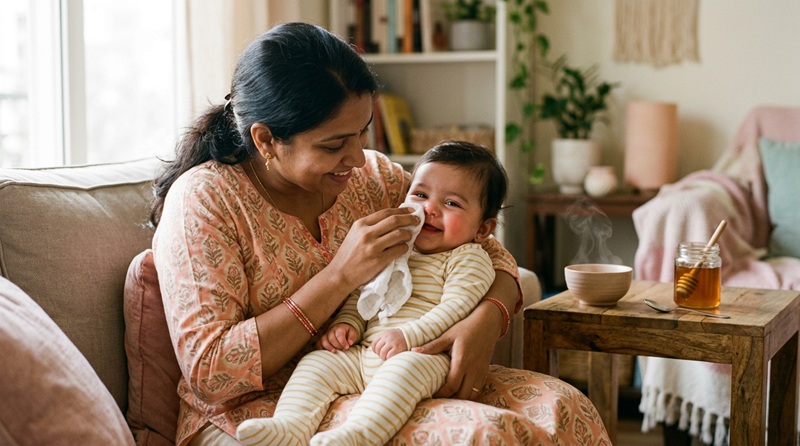
Home remedies for runny nose in babies are something every parent searches for when their little one starts sniffling. A runny nose is one of the most common childhood ailments, and knowing effective home remedies for runny nose can help you provide quick relief without rushing to the doctor. In this guide, we share safe and proven home remedies for runny nose that work well for infants and toddlers.
When trying home remedies for runny nose, consistency is key. Most home remedies for runny nose take a day or two to show results, so be patient.
Steam inhalation, saline drops, and warm fluids are among the most trusted home remedies for runny nose recommended by pediatricians. Always ensure your baby stays hydrated, as a runny nose can lead to dehydration if not managed properly.
Hello there, fellow parents! Is your little one’s nose running a never-ending marathon? Don’t worry; we’ve got your back.
In this blog, we’re going to tackle this issue with some effective Home remedies for runny nose, all while keeping your baby comfy in Teddyy Baby Diapers. Let’s get started!
Key Takeaways
- You cannot stop a runny nose instantly.
- Now, let’s get down to business – home remedies for a runny nose that are effective.
- For more information on managing your baby’s runny nose safely, consult these trusted sources:.
What Causes Runny Nose In A Child?
Before we jump into the remedies, let’s figure out why your munchkin’s nose seems to have a mind of its own. So you can be more alert in the future and try and prevent a runny nose from happening in the first place.
1. Germs Galore: Kids are experts at picking up germs. They explore everything with their hands, and guess where those hands end up? Yup, their little noses and mouths, leading to runny noses.
2. Seasonal Shenanigans: Sometimes, it’s not the kid’s fault at all. Seasonal allergies can turn their nose into a leaky faucet. They occur because the baby’s immune system has overreacted to something during the change in the environment. It could be a seasonal allergy and not a common cold if your little one has these symtoms:
- Sneezing and coughing
- fever
- runny or stuffy nose with nasal congestion
- itchy or watery eyes
- mucus at the back of the throat, which doctors call postnasal drip
3. Teething Troubles: Ah, the joys of teething! As those tiny teeth pop up, the nose might join in the fun, resulting in a runny nose. This is caused because of the inflammation around the teeth.
4. Viral Visitors: Colds, flu, and other viruses have a soft spot for your munchkin’s nose. Runny noses are often a very common symptom of viral infections.
Now that we know what’s causing the sniffles, let’s talk about how to stop that pesky runny nose.
Best Home Remedies for Runny Nose in Babies
You cannot stop a runny nose instantly. Solving the root cause will take some time. But you know what will help speed up this process? A little bit of Teddyy Baby Diapers magic, the best diapers for newborn. A happy baby is a dry baby, and Teddy Baby Diapers have that covered, quite literally!
1. Super Absorbent Teddyy Diapers: While these diapers aren’t designed for noses, they do keep your baby’s bottom dry, allowing you to focus on the runny nose situation and keeping your baby away from wetness which can make them more sick. Oh, did we mention our Godsend for parents susu meter? A smart wetness indicator that turns blue from yellow to indicate a diaper change is needed. Your baby never has to be in a wet diaper again! You can easily buy Teddyy Diapers online on Amazon or Flipkart or your nearest general store.
2. Saline Solution to the Rescue: A gentle saline nasal spray can help clear those blocked nasal passages and get relief from stuffy, inflamed noses.
3. Humidifier Haven: Running a humidifier in your baby’s room adds moisture to the air, helping relieve congestion. It’s like a spa day for your little one.
4. Suction Solution: A bulb syringe or nasal aspirator can be your secret weapon against stubborn snot. Just remember to wash it thoroughly afterward – we’re dealing with baby boogers, after all!
Natural Home Remedies for Runny Nose Relief
Now, let’s get down to business – home remedies for a runny nose that are effective.
1. Steam: Turn your bathroom into a makeshift spa by running a hot shower. Let the steam work its magic on your baby’s stuffy nose.
2. Honey Helps: Honey isn’t just for tea. A spoonful before bedtime can soothe a sore throat and reduce the urge to sniffle. However, don’t try this if your baby is not yet past the 6 months mark.
3. Soup:
Why Babies Get a Runny Nose So Often
A baby’s immune system is still developing, so even mild viruses can trigger excess mucus. Most runny noses in infants are caused by common cold viruses, sudden weather changes, dust, smoke, dry indoor air, or teething. Babies under 6 months breathe almost entirely through the nose, so even a small amount of mucus can make feeding and sleeping uncomfortable. Healthy babies catch 6-8 colds in their first year on average — most resolve in 7-10 days without medication.
Saline Drops and Bulb Syringe: The Safest First Step
Saline nasal drops are the gold standard for clearing baby congestion. Tilt your baby’s head back gently, place 1-2 drops in each nostril, wait 30-60 seconds for the mucus to thin, then suction with a soft bulb syringe or a nasal aspirator. Use saline 2-3 times a day, especially before feeds and bedtime. Never use medicated decongestant sprays, adult cold drops, or essential oils inside the nose for babies under 2 years.
Steam, Humidifiers, and Bedroom Air Tips
Run a cool-mist humidifier in your baby’s room overnight to keep nasal passages moist and ease breathing. A steamy bathroom (sit with your baby for 10-15 minutes while a hot shower runs nearby) loosens stuck mucus before bed. Avoid hot steam vaporisers — they pose burn risk and can dry mucous membranes. Keep the room temperature around 20-22°C and use a clean humidifier daily to prevent mould growth.
Feeding and Hydration During a Cold
Keep up regular breast or formula feeds — both keep mucus thin and support immune recovery. For babies over 6 months, offer extra sips of water and warm soups (clear dal water, light vegetable broth) throughout the day. Honey is helpful for cough but only after 12 months. Elevate the baby’s head slightly during feeds — never lay them flat — to make swallowing easier when congested. Smaller, more frequent feeds work better than large ones.
When to Call the Pediatrician
See your doctor immediately if your baby is under 3 months and has any cold symptoms, has a fever above 100.4°F, refuses feeds for 24 hours, has fewer wet diapers than usual, breathes fast (over 60 breaths per minute), shows chest retractions or grunting, develops thick green-yellow discharge for more than 10 days, or has wheezing, blue lips, or extreme drowsiness. These can signal RSV, pneumonia, or bronchiolitis — all of which need urgent attention.
How to Prevent Frequent Colds
Wash your hands and your baby’s hands often, especially before feeds. Limit contact with sick relatives and keep crowded indoor spaces to a minimum during cold season. Continue breastfeeding as long as possible — antibodies in breast milk reduce illness severity. Keep your baby’s vaccinations up to date including flu shots from 6 months onwards. Maintain a smoke-free home — second-hand smoke triples the risk of recurrent infections.
If your baby is old enough, a warm bowl of chicken soup can provide comfort and ease those sniffles. It’s an oldie but a goodie for a reason.
In conclusion, dealing with a runny nose is just another adventure in the rollercoaster of parenthood. Remember, these moments are what make the journey unique and memorable.
And don’t forget to stock up on Teddyy Diapers. They’re designed to keep your baby dry and comfy, so you can focus on the more important things, like conquering the runny nose challenge. Happy parenting, and may your baby’s nose stay as dry as their bottoms!
Expert Resources on Home Remedies for Runny Nose
For more information on managing your baby’s runny nose safely, consult these trusted sources:
- American Academy of Pediatrics – Cold and Flu in Children
- World Health Organization – Newborn Health
- HealthyChildren.org – Common Colds in Babies
Related Articles
References & Sources
- American Academy of Pediatrics (AAP). Caring for Your Baby. aap.org
- Indian Academy of Pediatrics (IAP). Child Health Guidelines. iapindia.org
- National Library of Medicine. Diaper Dermatitis. pubmed.ncbi.nlm.nih.gov
- National Institute of Nutrition (NIN). Dietary Guidelines for Indians. nin.res.in
- AAP. Safe Sleep Recommendations. aap.org/safe-sleep
You May Also Like




Frequently Asked Questions
How do you stop a baby's runny nose fast?
To stop a baby’s runny nose fast, use a doctor recommended saline solution to clear nasal passages and consider using a bulb syringe to suction out mucus. Also, ensure your baby is well-hydrated and use a humidifier to add moisture to the air.
What is the fastest home remedy for a runny nose?
The fastest home remedy for a runny nose includes doctor recommended saline nasal drops, steam inhalation, and keeping the baby hydrated. A warm, mild honey and lemon drink (only for babies older than a year) can help soothe throat irritation.
How do you get rid of a baby's running nose in Indian home remedies?
An Indian home remedy you can try for babies who are older than a year is a mixture of warm water, honey, and a pinch of turmeric to help soothe a baby’s throat, reduce mucus and a running nose. You can always use a saline solution to clear nasal passages. Always consult a healthcare professional before using any home remedies on your baby.
How can I help my baby sleep with a runny nose?
To help your baby sleep at night, try using a nasal aspirator to clear nasal passages before bedtime. You can also elevate their head slightly during sleep, use a humidifier to keep the air moist, and provide comfort with a favorite stuffed toy, blanket or just your presence.
Is baby rub good for runny nose?
Yes! Baby rubs with mild, natural, and baby-safe ingredients such as eucalyptus or menthol can provide relief for a runny nose. Always follow the product’s instructions and use it sparingly. It’s always a good idea to consult a paediatrician before using any products, especially for infants.