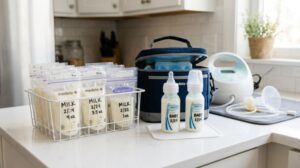
7 Postpartum Self-Care Tips Every New Mother Needs After Delivery
By Teddyy Editorial Team | Last Updated: May 3, 2026

Bringing a new life into the world is one of the most beautiful yet physically demanding experiences a woman can go through. After months of pregnancy, your body has been stretched, strained and pushed to its limits. The postpartum period, often called the “fourth trimester,” is a critical time when your body begins to heal and recover from childbirth. Yet, many new mothers focus entirely on their baby and forget that postpartum recovery requires just as much attention and care.
Whether you had a normal delivery or a caesarean section, your body needs time, nutrition and rest to bounce back. The first six weeks after delivery are the most crucial for recovery. During this time, you may experience hormonal shifts, physical soreness, emotional changes and sleep deprivation, all at once. Understanding what your body is going through and knowing how to take care of yourself with the right postpartum self-care tips can make a world of difference.
This guide covers 7 essential postpartum self-care tips that every new mother should follow after delivery. These postpartum self-care tips are practical, easy to implement and based on the real needs of a recovering mother.
From sleep and nutrition to mental health and physical recovery, these tips are designed to help you heal faster and enjoy your journey into motherhood.
1. Prioritise Rest and Sleep After Delivery
Sleep deprivation is one of the biggest challenges that every new mother faces after delivery. Newborns wake up every two to three hours for feeding, nappy changes and comfort, which means that getting a full night of uninterrupted sleep is nearly impossible during the first few months. However, rest is absolutely essential for postpartum recovery because your body needs sleep to repair tissues, regulate hormones and restore energy levels.
The golden rule for new mothers is to sleep when your baby sleeps. It might be tempting to use that time to catch up on household chores, but your body needs rest more than a clean kitchen. Even short naps of 20 to 30 minutes can make a significant difference in how you feel throughout the day.
If your baby frequently wakes up at night due to wet or uncomfortable diapers, investing in high-quality diapers can help. Teddyy Baby Diaper Pants are designed for up to 12 hours of absorption, keeping your little one dry and comfortable so both of you can get better sleep.
You can also consider sharing night-time duties with your partner or a family member. Taking turns for feeding and nappy changes can ensure that each parent gets at least one longer stretch of sleep during the night.
2. Eat a Nutrient-Rich Postpartum Diet
Your body has just been through one of the most physically demanding experiences possible, and it needs the right fuel to recover. Postpartum nutrition plays a vital role in healing, energy levels, milk production and overall well-being. New mothers need approximately 1,800 to 2,200 calories per day, and if you are breastfeeding, you may need an additional 400 to 500 calories to support milk production.

Focus on including these key nutrients in your daily meals. Iron-rich foods such as spinach, lentils (dal), beetroot and jaggery help replenish blood lost during delivery and prevent anaemia. Calcium from milk, curd, paneer and ragi is essential for both your bone health and your baby’s development through breast milk. Protein from eggs, chicken, fish, pulses and nuts supports tissue repair and muscle recovery. Fibre from whole grains, fruits and vegetables helps prevent constipation, which is a common postpartum complaint. Omega-3 fatty acids from walnuts, flaxseeds and fatty fish support brain health and can help stabilise your mood.
Avoid processed foods, excessive sugar, fried snacks and caffeinated or carbonated drinks. These provide empty calories and can cause bloating, acidity and energy crashes. Instead, eat small, frequent meals throughout the day to keep your energy levels stable. Traditional Indian postpartum foods like gond ke ladoo, ajwain water, dalia and methi parathas are excellent choices that have been trusted for generations. Always consult your doctor or a nutritionist to create a postpartum diet plan tailored to your specific needs.
3. Stay Hydrated Throughout the Day
Hydration is one of the most overlooked aspects of postpartum self-care, yet it is critically important. If you are breastfeeding, your body is using a significant amount of water to produce breast milk. Dehydration can lead to fatigue, headaches, reduced milk supply, constipation and slower wound healing.
Aim to drink at least 8 to 12 glasses of water per day. You do not have to drink it all at once. Keep a water bottle near your nursing station and take sips every time you sit down to feed your baby. Apart from water, you can also include coconut water, buttermilk (chaas), fresh fruit juices without added sugar, soups, dal water and herbal teas like jeera water or ajwain water. These not only keep you hydrated but also provide additional nutrients and aid digestion.
One practical tip is to drink a glass of water before every feeding session. Since newborns feed 8 to 12 times a day, this simple habit can easily help you meet your daily hydration goals without having to think about it too much.
4. Care for Your Body and Support Physical Recovery
Physical recovery after delivery looks different for every mother. If you had a normal vaginal delivery, you may experience soreness, perineal pain and stitches discomfort. If you had a C-section, your abdominal incision will need careful attention and a longer healing timeline. Regardless of the type of delivery, these postpartum self-care tips can help support your body’s recovery process.
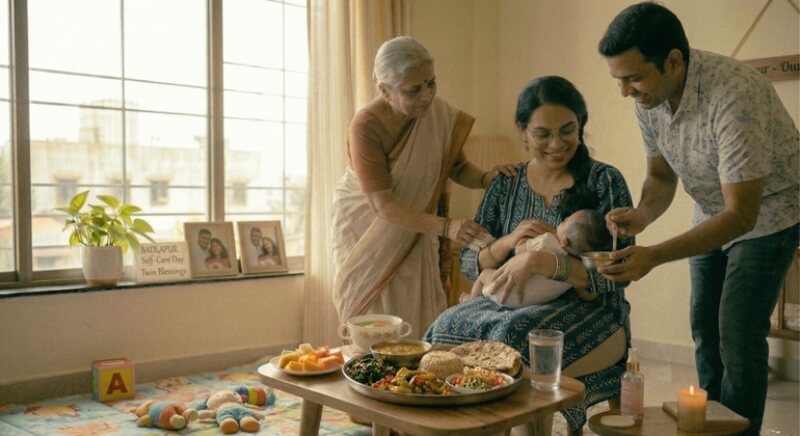
For vaginal delivery recovery, use warm sitz baths to soothe perineal soreness and promote healing. Keep the area clean and dry, and change your maternity pads frequently. Avoid sitting for prolonged periods and use a soft cushion when you do sit down.
For C-section recovery, avoid lifting heavy objects or doing strenuous activities for at least 6 to 8 weeks. Support your incision area with a pillow when you cough, sneeze or laugh. Keep the wound clean and dry, and watch for any signs of infection such as redness, swelling, or discharge.
Once your doctor gives you the green light, usually around 6 weeks postpartum, you can gradually introduce light physical activity. Start with gentle walks around your home or neighbourhood. Walking improves blood circulation, boosts mood and helps with postpartum weight management.
Pelvic floor exercises, also known as Kegel exercises, are also highly recommended as they help strengthen the muscles that support your bladder, uterus and bowels. Avoid intense workouts or heavy exercise until your doctor specifically approves it.
5. Prioritise Your Mental Health and Emotional Well-Being
Postpartum mental health is just as important as physical recovery, yet it is often ignored or misunderstood. After delivery, your body experiences a dramatic drop in pregnancy hormones, which can trigger a wide range of emotional responses. It is completely normal to feel mood swings, irritability, anxiety and occasional bouts of crying during the first few weeks. This is commonly known as the “baby blues,” and it typically resolves on its own within two weeks.
However, if these feelings persist beyond two weeks, intensify, or begin to interfere with your ability to care for yourself or your baby, it could be a sign of postpartum depression (PPD) or postpartum anxiety. Warning signs include persistent sadness or hopelessness, loss of interest in activities you once enjoyed, difficulty bonding with your baby, excessive worry or panic attacks, changes in appetite or sleep patterns unrelated to the baby’s schedule, and thoughts of harming yourself or your baby.
If you experience any of these symptoms, please reach out to your doctor or a mental health professional immediately. Postpartum depression is not a sign of weakness and it is not your fault. It is a medical condition that can be effectively treated with the right support, therapy and in some cases medication.
Beyond clinical concerns, there are daily postpartum self-care tips that support emotional well-being. Take a few minutes each day just for yourself, whether it is reading a book, listening to music, taking a warm bath or simply sitting quietly with a cup of tea. Stay connected with your partner, friends and family. Talk about how you are feeling openly and honestly. Journaling can also be a helpful way to process your emotions and track your mental state during the postpartum period.
6. Accept Help and Build a Strong Support System
One of the most important things a new mother can do for herself is to let go of the idea that she has to do everything alone. Looking after a newborn is a round-the-clock job, and trying to manage it all by yourself while also recovering from delivery is a recipe for burnout and exhaustion. There is no shame in asking for help, and accepting support does not make you any less of a good mother.
Talk to your partner about sharing parenting responsibilities equally. Whether it is night-time feeds, burping, nappy changes or simply holding the baby while you take a shower or eat a meal, every bit of help matters. If you have family members nearby, do not hesitate to ask them for support with cooking, cleaning or running errands.
Connecting with other new mothers can also be incredibly beneficial. Join local parenting groups, online communities or new parent support forums where you can share experiences, ask questions and feel less isolated. Knowing that other mothers are going through similar challenges can be deeply reassuring and comforting.
It is also perfectly okay to take a break from parenting duties for a short while. Ask someone you trust to look after the baby while you step out for a walk, visit a friend or simply enjoy some quiet time alone. These small breaks are essential for recharging your energy and maintaining your mental health.
Using the right baby care products can also ease your daily routine significantly. Teddyy Easy Tape Diapers and safe sleep practices can help your baby stay comfortable for longer, giving you more time to rest and recover.
7. Attend All Postpartum Medical Checkups
After delivery, your doctor will schedule follow-up appointments to monitor your recovery. Attending these checkups is one of the most critical postpartum self-care tips that many new mothers overlook. These checkups are extremely important and should not be skipped or postponed, even if you feel fine. Your doctor will examine how well your body is healing, check your blood pressure, assess your emotional state and address any complications that may have arisen.
For mothers who had a C-section, these visits are especially critical for monitoring incision healing and checking for infections. For all mothers, postpartum checkups are a good opportunity to discuss baby care concerns, breastfeeding challenges, contraception options and any physical discomfort you may be experiencing.
Your first postpartum checkup is usually scheduled around 6 weeks after delivery, but many doctors now recommend an earlier visit within the first 3 weeks, particularly for mothers who had complicated deliveries or are at risk for postpartum depression. Do not wait for a scheduled appointment if something feels wrong. If you experience heavy bleeding, high fever, severe headaches, difficulty breathing, chest pain, swelling in your legs, or extreme sadness that does not improve, contact your doctor immediately.
Keep a small notebook or use your phone to jot down questions and concerns as they come up between appointments. This way, you will not forget to bring them up during your checkup. Being proactive about your health is one of the best things you can do for both yourself and your baby.
Essential Postpartum Self-Care Tips and Resources for Every New Mother
Recovery after childbirth takes time, and following the right postpartum self-care tips can make a significant difference. Every new mother should know when to seek professional help. Watch for warning signs like excessive bleeding, high fever, or feelings of extreme sadness that last more than two weeks. These could indicate complications that need medical attention.
Incorporating these postpartum self-care tips into your daily routine helps you recover faster. Building a support network is equally important. Connect with other mothers in your community, join parenting groups, and do not hesitate to ask family members for help. Remember that taking care of yourself is not selfish; it is necessary for your baby’s wellbeing too.
For more postpartum self-care tips and evidence-based guidance on postpartum recovery, visit the World Health Organization’s maternal health resources.
Frequently Asked Questions About Postpartum Self-Care Tips
How long does postpartum recovery take after a normal delivery
Postpartum recovery after a normal vaginal delivery typically takes about 6 to 8 weeks for the body to heal. Following effective postpartum self-care tips during this time can significantly speed up recovery. However, complete recovery, including regaining pre-pregnancy fitness levels and hormonal balance, can take several months to a year. Every woman’s body is different, so it is important to listen to your body, follow your doctor’s advice and not rush the healing process. Physical soreness, perineal stitches pain and fatigue usually improve significantly within the first 4 to 6 weeks.
What should a new mother eat after delivery for faster recovery
Among the most important postpartum self-care tips is nutrition. A new mother should focus on a balanced diet rich in iron, calcium, protein, fibre and healthy fats. Include foods like spinach, lentils, eggs, milk, curd, dry fruits, whole grains, fruits and vegetables. Traditional Indian postpartum foods such as gond ke ladoo, dalia, ajwain water and methi-based dishes are excellent for recovery and milk production. Avoid processed foods, fried items and excessive caffeine. If you are breastfeeding, you will need an additional 400 to 500 calories daily. Consult a nutritionist for a personalised postpartum diet plan.
What are the signs of postpartum depression, and when should I seek help
Postpartum depression goes beyond the normal “baby blues” that many mothers experience in the first two weeks. Warning signs include persistent feelings of sadness, hopelessness, or worthlessness lasting more than two weeks, difficulty bonding with your baby, loss of interest in daily activities, excessive crying, severe anxiety or panic attacks, changes in eating or sleeping habits, and in severe cases thoughts of self-harm. If you or a loved one notices these symptoms, seek professional help immediately. Postpartum depression is a treatable condition and reaching out for support is a sign of strength.
When can I start exercising after delivery
Most doctors recommend waiting until your 6-week postpartum checkup before beginning any exercise routine. For mothers who had a C-section, the waiting period may be longer depending on how the incision is healing. Start with gentle activities like walking, light stretching and pelvic floor exercises (Kegels). Gradually increase intensity over the following weeks and months. Avoid high-impact exercises, heavy lifting and intense abdominal workouts until your doctor gives specific approval. Listen to your body and stop any exercise that causes pain or discomfort.
How can I get enough sleep as a new mother
Getting adequate sleep with a newborn is one of the most requested postpartum self-care tips, and it is challenging but not impossible with some planning. The most effective strategy is to sleep when your baby sleeps, even if it means napping during the day. Share night-time duties with your partner or a family member so that you can get at least one longer stretch of uninterrupted sleep. Keep your bedroom dark, cool and quiet to improve sleep quality. Using high-quality baby diapers that keep your baby dry for longer can also reduce the number of night-time wake-ups due to discomfort.
How do I know if my postpartum bleeding is normal
Postpartum bleeding, called lochia, is normal after both vaginal and C-section deliveries. In the first few days, the bleeding is typically heavy and bright red, similar to a heavy period. Over the next 2 to 3 weeks, it gradually becomes lighter in flow and changes colour from red to pink, then brown, and finally yellowish-white. The total duration of lochia can be 4 to 6 weeks. However, if you experience very heavy bleeding that soaks through a pad in less than an hour, pass large blood clots bigger than a golf ball, notice a foul smell, or develop fever and chills, contact your doctor immediately as these could be signs of a complication that needs urgent attention.
References & Sources
- World Health Organization (WHO). Maternal and Newborn Health. who.int
- Indian Council of Medical Research (ICMR). National Guidelines for Maternal Care. icmr.gov.in
- American Academy of Pediatrics (AAP). Caring for Your Baby. aap.org
- Indian Academy of Pediatrics (IAP). Child Health Guidelines. iapindia.org
- National Library of Medicine. Diaper Dermatitis. pubmed.ncbi.nlm.nih.gov
- National Institute of Nutrition (NIN). Dietary Guidelines for Indians. nin.res.in
- AAP. Safe Sleep Recommendations. aap.org/safe-sleep