Home Postpartum Care to Prevent Health Risk
By Teddyy Editorial Team | Last Updated: April 3, 2026
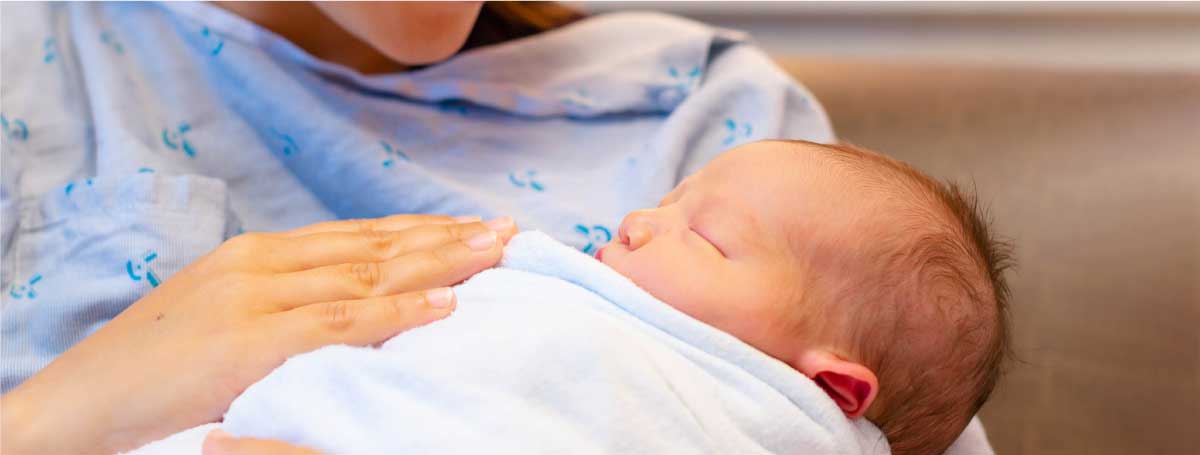
Postpartum care is one of the most important aspects of a new mother’s recovery journey. Proper postpartum care at home can significantly reduce health risks and help you heal faster after childbirth.
Your body has been stretched to its limit. You need all the love, care and support you can get. The first few months are critical for your recovery. Take care of yourself. If you don’t know how, read on.
“I didn’t realize when I had slipped into depression. It was just a little sadness at first. Nobody noticed, we were all busy with the baby, except my mother. I was not taking care of myself, so she looked after me till I started feeling like myself again. But, why is it so, that we’re considered truly ‘loving mothers’ only if we forget ourselves?” Sneha left us with this thought in her letter to us a few months back. She is our inspiration behind this blog.
Mood And Emotional Well-being
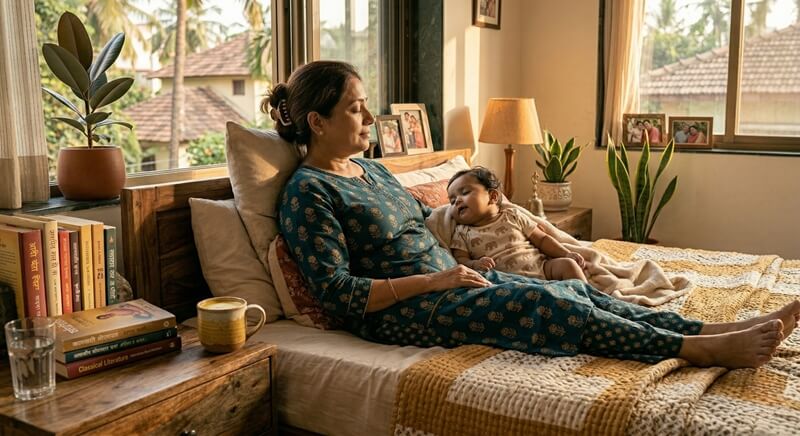
You are likely to experience more emotional highs and lows during your recovery phase. This is because your body is healing, your hormones are trying to go back to their normal state.
If you’ve been experiencing mood swings and negative feelings after giving birth, you’re not alone. Most moms experience baby blues during the postpartum period.
If your baby blues continue for more than two weeks, you might have something to worry about. You might be suffering from postpartum depression. Symptoms can involve:
- Crying and feeling sad for no reason
- Feeling anxious and irritable
- Insomnia
- Mood changes
- Restlessness
- Negative feelings towards the baby
- The urge to harm oneself
Infant Care And Feeding
Taking care of a baby is no simple task. Don’t stress it. Take parenting at your own pace. You are likely to make mistakes along the way, forgive yourself and learn from the mistakes. Sometimes, it can start to feel like you’re functioning as per the whims and fancies of your little human, which is not completely untrue either. Feeding takes its own toll on a mother. Because you are feeding you can’t eat much of anything really, junk food is out of the question.
In such bleak times, it becomes important to look after yourself even while everyone else around you might be busy cooing over a little one. One way of taking time out for yourself is putting your trust in a diaper that understands not just your baby but your needs as well. Teddyy Baby Diapers are made to care for both baby and momma. They are every mother’s best friends!
Sex, Contraception, And Birth Spacing
You must absolutely avoid having intercourse or penetrative sex during the first few weeks after pregnancy. Your body is still recovering and might injure if put under stress.
After a few weeks when your body has recovered, you can engage in sexual activities. Take care to use proper protection, because even if your periods have not returned you are not immune to another pregnancy. Get your doctor to prescribe you birth control, if you want to be on the safer side.
Your body needs a break and we’re sure just the thought of having another baby will make new mothers run. This is why birth spacing is important. It just means waiting out a minimum of 12 months before you plan another pregnancy. Your body needs time to heal and recover and can’t take another pregnancy. Birth spacing is also important because in can protect babies against birth defects and complications such as preterm birth.
Sleep And Fatigue
Delivering a baby is a tough job and you probably were not able to get much rest in the hospital anyway. The first few weeks are especially important for your speedy recovery. Get as much sleep and rest as you can. Try to sleep when your baby is asleep too so your schedules match and you are not groggy or sleep deprived the next day. At night, put your baby in Teddyy diapers, the best overnight diapers for infants to get both of you good night’s sleep every day!

Physical Recovery From Birth
Try not to lift anything heavier than your baby while you’re recovering, especially if you had a C-section delivery. Limit stair climbing as much as much as possible. Your vagina and things down south are still recovering. When and if you have a period within six weeks of delivery, don’t force a tampon in to your birth canal. Use pads instead. No sex for the at least six weeks. Take walks and fresh air whenever possible.
Health Maintenance
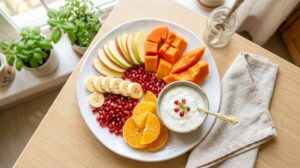
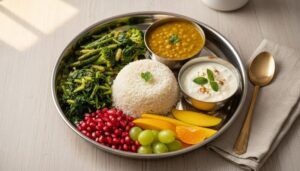
Just sleeping well and resting is not enough. To recover quickly, you need to put the right things in your body. Have nutritious meals, full of all the nutrients your body needs. Avoid foods that have no nutritional value, these will just make you put on more weight. Have your doctor prescribe you some vitamins and supplements your body is in need of post-delivery.
You will always have a friend in us looking out for you even when times are difficult. Leave us your concerns and doubts in the comments section below and we will come up with a solution for you.
Creating Your Postpartum Care Plan
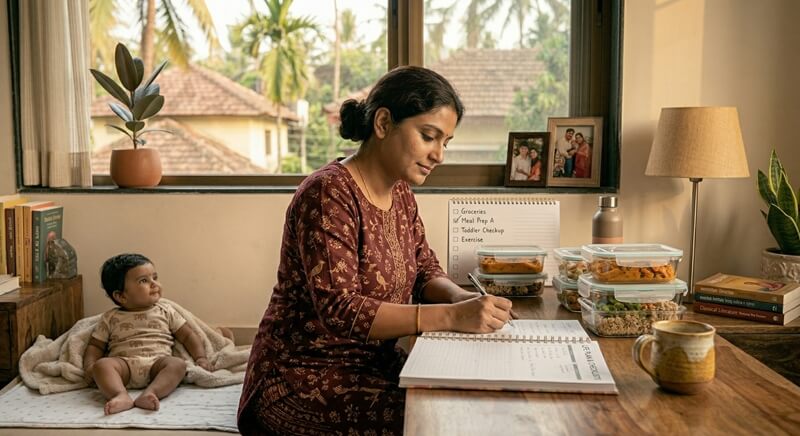
A well-structured postpartum care plan should include regular check-ups with your healthcare provider, a balanced diet rich in iron and protein, and a support system of family and friends. Remember that effective postpartum care also means knowing when to ask for help.
Learn more about recovery and wellness:
- Self Care Tips for New Mums
- Taking Care of Yourself After Birth
- Kegel Exercises After Delivery
- Recognizing Postpartum Depression
For clinical postpartum care guidelines, visit the World Health Organization maternal health page.
References & Sources
- World Health Organization (WHO). Maternal and Newborn Health. who.int
- Indian Council of Medical Research (ICMR). National Guidelines for Maternal Care. icmr.gov.in
- American Academy of Pediatrics (AAP). Caring for Your Baby. aap.org
- Indian Academy of Pediatrics (IAP). Child Health Guidelines. iapindia.org
- National Library of Medicine. Diaper Dermatitis. pubmed.ncbi.nlm.nih.gov
- National Institute of Nutrition (NIN). Dietary Guidelines for Indians. nin.res.in
- AAP. Safe Sleep Recommendations. aap.org/safe-sleep