Life Post-Pregnancy
By Teddyy Editorial Team | Last Updated: April 25, 2026
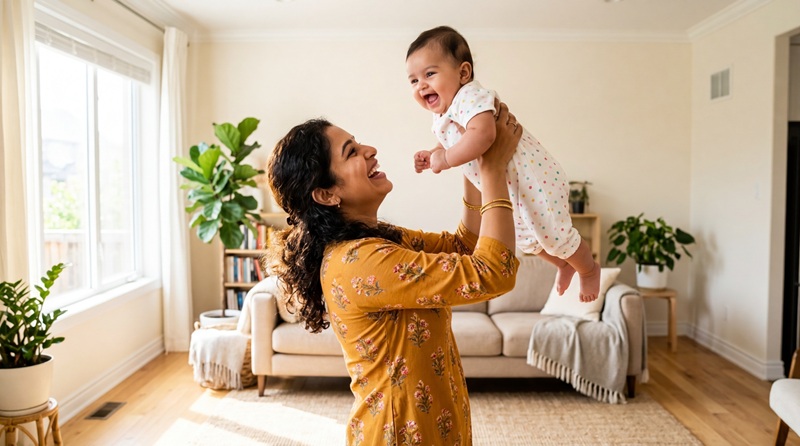
Life post-pregnancy brings a wave of new experiences and emotions. After waiting for what feels like almost forever, you can finally meet your baby—we’re sure it’s one of the most memorable moments of your life.
You’re also probably excited to jump back to your normal life, to be finally home with your little one in your arms. Much of the next few months will be spent with you doting on your little one but remember that you need to take care of yourself too.
Your postpartum recovery won’t happen in a matter of a few days. No matter how you delivered your baby, your body has been through a lot of changes, and it’ll take time to recover. Life post-pregnancy can be just as challenging as your life during pregnancy. Proper post pregnancy care is essential to recover quickly and completely. For now, take it easy and rest well.
Heading Home After Giving Birth During Post-Pregnancy
How quickly you can head home will depend on you and your baby’s health. If you’re both doing well, you will usually be allowed to go home 6–24 hours after childbirth. But…you may have to stay a bit longer if:
- You had an emergency caesarean delivery.
- You or your baby needs extra physical or medical care.
- Your baby was delivered prematurely.
You may also get to stay longer in the hospital if you wish to.
Postpartum Recovery Timeline: Week by Week
Every mother’s recovery is different, but here is a general week-by-week guide to what you can expect after delivery:
Week 1: Your body begins healing immediately after birth. You may experience postpartum bleeding (lochia), perineal soreness if you had a vaginal delivery, or incision tenderness after a C-section. Fatigue and breast engorgement as your milk comes in are very common. Rest as much as possible, accept help from family, and do not lift anything heavier than your baby.
Week 2–3: Lochia typically lightens from bright red to pink or brown. Most stitches (vaginal or C-section) begin to heal. You may notice mood swings or the “baby blues” — this is normal and usually settles within two weeks. Keep the wound area clean and dry. Gentle walks around the house are encouraged but avoid stairs and strenuous movement after a C-section.
Week 4–5: Energy levels slowly improve. Breastfeeding usually becomes more established. Hormonal shifts continue, so emotional ups and downs are still normal. Begin gentle pelvic floor exercises if your doctor has cleared you. Watch for any signs of infection at the incision or perineum site.
Week 6 — The Postpartum Checkup: Most doctors schedule a full postpartum checkup at six weeks. This is when your OB-GYN or midwife will assess your physical recovery, check your C-section incision or perineal healing, discuss contraception, and screen for postpartum depression. Do not skip this appointment even if you feel well — many complications are detected only at this stage.
Your Baby’s Health
Your baby’s health and blood type will be tested immediately after birth. Your baby’s eyesight and hearing with a lot of other tests will also be done while you’re still in the hospital. According to the National Immunization Schedule, one dose of each of these three vaccines will be given to your baby:
- OPV for polio.
- BCG for tuberculosis or TB.
- A vaccine for Hepatitis B.
Babies who are born with a low birth weight or went through premature birth will be kept in the hospital for observation and care.
When you’re ready to head home with your baby, make sure to dress them for the weather. Wrap your baby in warm and breathable clothes; if need arises, layer it up. A newborn baby’s skin is very sensitive and tender, so choose diapers that are good for sensitive skin. Teddyy Newborn Diapers are soft and super-absorbent, equipped with our special navel protection feature, that keeps your baby’s umbilical cord area exposed to fresh air so it can heal faster and better. You can also give our Teddyy Nappy Pads a try if you’re one for traditional routes with a dash of modern. Teddyy Nappy Pads combine the comfort of a langot with the ease-of-use of diapers. Teddyy is one of the best diapers for newborn because hundreds and thousands of mothers across India claim so themselves.
Feeding Your Baby
You can start breastfeeding your baby within the first few hours after childbirth. Colostrum, the first milk, is highly concentrated with nutrients and antibodies. Colostrum will give your baby the strength and resistance they need to survive in this new environment outside the womb.
Within the next 4 days, your body should start producing milk which can cause your breasts to swell. Use hot compresses and massage your breasts if they feel sore and hurt. Try not to discontinue breastfeeding your baby — your glands might take it as a signal to stop producing milk altogether and you would need to go through the whole process again.
It might seem like your little one is constantly demanding feeding, but there’s no need to be concerned. Newborns tend to want lots of short feeds over a short period of time. If you opt to feed from a bottle, keep a close eye on how much your little one eats, and how often.
The World Health Organization (WHO) suggests breastfeeding until your baby is 2 years old or even older for its many health benefits.
Postpartum Diet
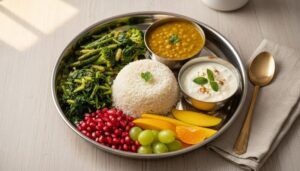
What you eat after delivery directly affects how fast your body heals and how well you produce breast milk. A good post pregnancy diet plan focuses on nutrient-dense, easily digestible foods — especially important in the first few weeks when your digestive system is still recovering.
Key nutrients to prioritise:
- Iron: Delivery causes significant blood loss. Include spinach, beetroot, dates, ragi, and lentils (masoor/toor daal) to rebuild iron stores.
- Calcium: Essential for bone strength and breast milk quality. Milk, curd, paneer, sesame seeds (til), and ragi are excellent sources.
- Protein: Supports tissue repair and milk production. Dal, eggs, chicken, fish, tofu, and moong are all good options.
- Fibre: Constipation is common postpartum, especially after a C-section. Eat plenty of fruits, vegetables, oats, and whole grains.
- Fluids: Aim for at least 8–10 glasses of water a day. Jeera (cumin) water, ajwain (carom seed) water, and warm milk are traditional Indian postpartum drinks that also aid digestion and lactation.
Traditional Indian postpartum foods that are genuinely beneficial:
Many Indian families follow jaapa or confinement diet practices after delivery — and several of these are backed by nutritional logic. Ghee in moderation lubricates the digestive tract and provides healthy fats. Panjiri (made with whole wheat flour, ghee, dry fruits, and seeds) is calorie-dense and nutrient-rich, ideal for breastfeeding mothers. Methi (fenugreek) laddoos are known to support milk supply and reduce postpartum joint pain. Dry ginger (saunth) helps with digestion and reduces bloating.
Continue to avoid raw or undercooked foods, excessive caffeine, alcohol, and any foods you were avoiding during pregnancy while you are still breastfeeding.
Physical Activities After Delivery
Returning to exercise after childbirth is important for both physical recovery and mental health, but timing matters. Rushing back too soon — especially after a C-section — can cause complications.
After a normal vaginal delivery: You can begin gentle walking within the first day or two if you feel up to it. Light stretches and pelvic floor (Kegel) exercises can start within days of delivery — these help restore bladder control and core strength. Wait for your six-week checkup before returning to running, gym workouts, or high-impact exercise.
After a C-section: Avoid all strenuous activity for at least 6–8 weeks. No heavy lifting, no abdominal exercises, and no driving until cleared by your doctor. Short walks indoors after the first week are encouraged to prevent blood clots. Core rehabilitation should be guided by a physiotherapist, as exercising too early can compromise scar healing.
Mental health and exercise: Regular physical activity — even a 20-minute walk — significantly reduces the risk of postpartum depression by releasing endorphins and improving sleep quality. But if you had any complications during childbirth, always speak with your doctor before resuming any kind of physical activity.
Postpartum Mental Health: What Is Normal and When to Seek Help
The emotional journey after delivery is just as real as the physical one, and it is far more talked about than it used to be — which is a good thing.
Baby blues (very common): Up to 80% of new mothers experience the “baby blues” in the first 1–2 weeks after delivery. Symptoms include mood swings, tearfulness, irritability, and anxiety. This is caused by the sharp drop in oestrogen and progesterone after birth and usually resolves on its own within two weeks.
Postpartum depression (requires attention): If the sadness, hopelessness, or inability to bond with your baby persists beyond two weeks or feels severe, it may be postpartum depression (PPD). PPD affects approximately 1 in 5 new mothers in India and is a medical condition, not a personal failing. Signs include persistent low mood, inability to sleep even when the baby sleeps, loss of appetite, feelings of worthlessness, and in some cases, thoughts of harming yourself or your baby. Please speak to your doctor immediately if you experience these.
Postpartum anxiety: Less discussed but equally common, postpartum anxiety involves excessive worry, racing thoughts, and physical symptoms like a racing heart or shortness of breath. It responds well to therapy and, when necessary, medication.
Do things that make you happy, spend time outdoors, and lean on friends and family. When you need professional support, asking for it is one of the bravest things a new mother can do.
When to Call Your Doctor After Delivery
Most postpartum discomfort is normal, but some symptoms require prompt medical attention. Contact your doctor immediately if you experience any of the following:
- Heavy postpartum bleeding — soaking more than one pad per hour, or passing large clots
- Fever above 38°C (100.4°F)
- Signs of infection at the C-section incision or perineum: redness, swelling, discharge, or increasing pain
- Painful, swollen, or red areas in one breast (may indicate mastitis)
- Pain, redness, or swelling in your calf (possible blood clot/DVT)
- Severe headache, blurred vision, or sudden swelling of the hands and face (signs of postpartum preeclampsia)
- Persistent sadness, inability to care for your baby, or thoughts of self-harm
Do not wait for your six-week appointment if any of these symptoms appear. When in doubt, call your doctor — it is always better to be safe.
Frequently Asked Questions (FAQ)
How long does postpartum recovery take
Most postpartum symptoms resolve by the six-week mark, but full recovery can take three to six months. Vaginal delivery recovery is generally faster than C-section recovery, which requires at least 6–8 weeks before resuming strenuous activity. Your doctor will assess your recovery at the six-week postpartum checkup.
When can I start exercising after delivery
After a normal vaginal delivery, gentle walking and pelvic floor (Kegel) exercises can begin within days. After a C-section, avoid strenuous activity for at least 6–8 weeks. Wait for your six-week postpartum checkup before returning to running, gym workouts, or high-impact exercise.
What should I eat after delivery in India
Focus on iron-rich foods like spinach, ragi, and lentils to rebuild blood loss. Include calcium sources such as milk, curd, paneer, and til (sesame seeds). Traditional Indian postpartum foods like ghee, methi laddoos, panjiri, and saunth provide warmth and nourishment. Eat every 2–3 hours if breastfeeding to maintain milk supply.
What is the difference between baby blues and postpartum depression
Baby blues affect up to 80% of mothers and typically resolve within 1–2 weeks, causing mood swings, tearfulness, and anxiety from hormonal changes. Postpartum depression (PPD) is more serious: if low mood or inability to bond with your baby persists beyond two weeks, seek medical help immediately. PPD affects approximately 1 in 5 new mothers in India and is a treatable medical condition.
When should I call a doctor after delivery
Contact your doctor immediately for: heavy postpartum bleeding (soaking more than one pad per hour), fever above 38°C, signs of infection at the C-section incision, a painful or swollen breast (mastitis), calf pain or swelling (possible blood clot), severe headache or blurred vision (postpartum preeclampsia), or persistent sadness and inability to care for your baby.
When can I go home after giving birth
If both you and your baby are healthy, you can usually go home 6–24 hours after a vaginal delivery. You may need to stay longer after an emergency caesarean section, if your baby needs extra medical care, or if your baby was born prematurely.
What vaccines does a newborn receive at birth in India
According to India’s National Immunization Schedule, newborns receive three vaccines at birth: OPV (Oral Polio Vaccine) for polio, BCG for tuberculosis, and a Hepatitis B vaccine. These are administered before or shortly after discharge from hospital.
Post-Pregnancy Resources and Guides
Helpful articles for your post-pregnancy journey:
- Self Care Tips for New Mums
- Taking Care of Yourself After Birth
- Postpartum Depression: Signs and Support
- Pelvic Floor Exercises After Delivery
For expert guidance on post-pregnancy health, visit the American College of Obstetricians and Gynecologists.
References & Sources
- World Health Organization (WHO). Maternal and Newborn Health. who.int
- Indian Council of Medical Research (ICMR). National Guidelines for Maternal Care. icmr.gov.in
- American Academy of Pediatrics (AAP). Caring for Your Baby. aap.org
- Indian Academy of Pediatrics (IAP). Child Health Guidelines. iapindia.org
- National Library of Medicine. Diaper Dermatitis. pubmed.ncbi.nlm.nih.gov
- National Institute of Nutrition (NIN). Dietary Guidelines for Indians. nin.res.in
- WHO/UNICEF. Immunization Schedule. who.int