
Postpartum Care – Women’s Health Issues After Pregnancy
By Teddyy Editorial Team | Last Updated: April 25, 2026
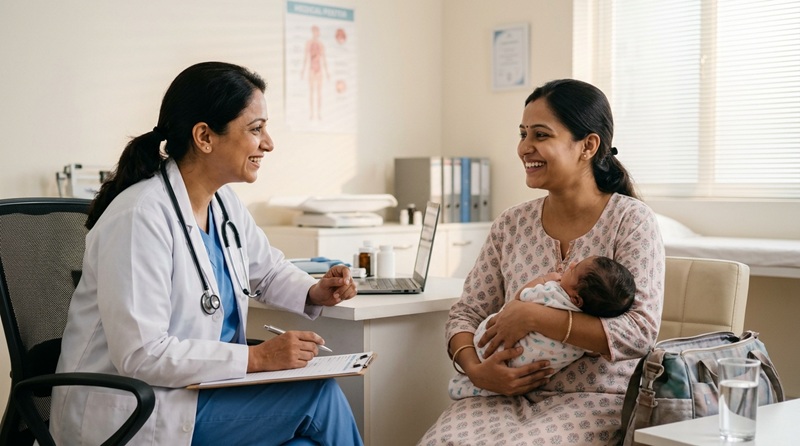
Postpartum care is one of the most important — and most overlooked — aspects of having a baby. While everyone focuses on the newborn, the mother’s body has just completed one of the most physically demanding experiences of her life. The first six weeks after delivery, often called the “fourth trimester,” are when your body works hardest to heal and rebalance itself.
Whether you had a vaginal delivery or a C-section, whether it was your first baby or your third, postpartum recovery looks different for every woman. Your doctor will give you guidance at your discharge, but new mothers often find themselves at home, exhausted, overwhelmed, and unsure of what’s normal and what isn’t.
This complete postpartum care guide covers everything you need to know — physical recovery, emotional health, nutrition, warning signs, and practical tips — so you can heal confidently and care for your baby at the same time.
Postpartum Care? (And Why the First 6 Weeks Matter Most)
Postpartum care refers to the medical attention, self-care practices, and support systems a new mother needs in the weeks and months following childbirth. The World Health Organization (WHO) recommends that all women and newborns receive postnatal care within 24 hours of delivery and at least three follow-up contacts in the first six weeks.
The postpartum period officially spans about six weeks, but physical and hormonal recovery can continue for several months — particularly if you are breastfeeding, had significant tearing, or are dealing with postpartum depression. Understanding what to expect in each phase helps you recognise when something is normal and when to call your doctor.
Postpartum Bleeding (Lochia): What Is Normal and What Is Not
Postpartum bleeding, medically called lochia, is completely normal and affects every woman who gives birth, regardless of delivery type. It is your uterus shedding the blood, mucus, and tissue that lined it during pregnancy.
Stages of Postpartum Bleeding
Lochia goes through three distinct stages:
- Lochia rubra (Days 1–4): Bright red to dark red bleeding, heavier than a normal period, and may contain clots. This is normal.
- Lochia serosa (Days 4–12): The flow lightens and shifts to a pinkish-brown or watery discharge.
- Lochia alba (Day 12 to 6 weeks): Discharge becomes yellowish-white and gradually tapers off completely.
When to Call Your Doctor
Contact your doctor immediately if:
- Bleeding is so heavy that you soak through a full pad within an hour for two or more consecutive hours
- You pass clots larger than a golf ball
- Bright red bleeding returns after it had already lightened
- You develop a fever above 38°C (100.4°F) alongside heavy bleeding
- The discharge develops a foul smell, which may indicate infection
What About Your Period Returning
If you are exclusively breastfeeding, your period may not return for six months to a year, because the hormone prolactin suppresses ovulation. If you are not breastfeeding, your period can return as early as six to eight weeks after delivery. Your first postpartum period is often heavier and more crampy than usual — this is normal.
Perineal Recovery and C-Section Wound Care
Vaginal Delivery: Caring for Perineal Tears and Stitches
Most vaginal deliveries result in some degree of perineal tearing or an episiotomy. The area between the vaginal opening and anus (the perineum) may be sore, swollen, and stitched.
To heal comfortably:
- Use a peri bottle (squeeze bottle with warm water) to rinse the area every time you use the toilet — do not wipe vigorously
- Apply an ice pack wrapped in a cloth to reduce swelling in the first 24–48 hours
- Sit on a donut-shaped cushion to relieve pressure
- Take sitz baths (shallow warm water soaks) two to three times a day to soothe and heal the tissue
- Pat dry gently after washing — do not rub
- Avoid tampons, sexual intercourse, and strenuous activity until cleared by your doctor at your six-week checkup
Most perineal stitches dissolve on their own within two to four weeks. If you notice increased pain, spreading redness, swelling, or pus after the first few days, contact your doctor as this may indicate infection.
C-Section Recovery: Caring for Your Abdominal Wound
A caesarean section is major abdominal surgery. The incision site, usually just below the bikini line, requires careful attention for the first several weeks.
- Keep the incision site clean and dry — pat gently after bathing, do not scrub
- Avoid lifting anything heavier than your baby for the first four to six weeks
- Support your abdomen with your hand or a pillow when coughing, sneezing, or laughing to reduce strain on the wound
- Wear loose, high-waisted underwear or maternity briefs that don’t rub across the incision line
- Do not submerge in a bath, pool, or any water body until the incision is fully closed and your doctor has cleared you
Call your doctor immediately if the incision site becomes hot, red, leaking fluid, or has any opening in the wound edges.
Bladder and Bowel Changes After Delivery
Urinary Issues
Many women experience bladder problems in the weeks following childbirth. Stress urinary incontinence — leaking small amounts of urine when you cough, sneeze, laugh, or exercise — is extremely common and affects up to 1 in 3 new mothers. This happens because pregnancy and delivery stretch and weaken the pelvic floor muscles that support the bladder.
Kegel exercises are the single most effective non-surgical intervention for postpartum bladder control. To perform them correctly:
- Identify the pelvic floor muscles by imagining you are trying to stop the flow of urine mid-stream
- Squeeze (contract) those muscles firmly for 3–5 seconds
- Release fully and rest for 3–5 seconds
- Repeat 10–15 times, three sets per day
Most women see significant improvement within 6–12 weeks of consistent Kegel practice. If leakage is severe or affecting your daily life, ask your doctor for a referral to a pelvic floor physiotherapist — this is a specialist service and is highly effective.
Bowel Movements
Your first postpartum bowel movement can be anxiety-inducing — especially after perineal stitches or a C-section. The fear of pain, combined with the fact that your abdominal muscles have been through significant trauma, makes this a common source of distress for new mothers.
To make bowel movements easier and less painful:
- Take a stool softener: Ask your doctor to prescribe one before discharge, or purchase an over-the-counter option. Stool softeners add moisture to stool, making it easier to pass without straining.
- Stay hydrated: Aim for 8–10 glasses of water per day. Dehydration makes stools hard and difficult to pass.
- Eat fibre-rich foods: Lentils, whole grains, leafy vegetables, fruits, and warm liquids all support regular bowel movements.
- Walk gently: Even a short 10-minute walk each day stimulates bowel motility.
- Do not strain: If stools are too hard, add more fibre and fluids rather than forcing it — straining can worsen perineal tears or haemorrhoids.
Haemorrhoids (swollen veins in the rectum) are extremely common after delivery due to pushing during labour. They usually resolve within a few weeks. Witch hazel pads, cold compresses, and topical haemorrhoid creams can provide relief.
Postpartum Hormonal Changes: Hair Loss, Skin, and Physical Shifts
After delivery, the high levels of oestrogen and progesterone that sustained your pregnancy drop sharply. This hormonal crash is responsible for a range of physical changes that catch many new mothers off guard.
Postpartum Hair Loss
Postpartum hair loss (telogen effluvium) is one of the most emotionally distressing physical symptoms for new mothers. During pregnancy, elevated oestrogen prolongs the hair growth phase, so you lose less hair than normal. After delivery, oestrogen drops and a large number of hairs enter the shedding phase simultaneously. You may notice significant hair fall starting around two to four months after delivery, and it often peaks between three and six months.
This is temporary and self-correcting. Hair typically returns to its pre-pregnancy thickness by 12 months postpartum. A balanced diet rich in protein, iron, and biotin supports healthy regrowth. If hair loss is extreme or continues beyond 12 months, have your doctor check your thyroid function — postpartum thyroiditis is a common and treatable condition.
Night Sweats
Many women experience drenching night sweats in the first few weeks postpartum — again, a result of the hormonal shift and your body eliminating the excess fluid retained during pregnancy. Keep a change of clothes nearby, use breathable cotton sheets, and stay well hydrated.
Postpartum Thyroiditis
Postpartum thyroiditis affects around 5–10% of new mothers and is often misdiagnosed as postpartum depression or simply exhaustion. It causes the thyroid gland to become inflamed, typically producing a hyperthyroid phase (anxiety, rapid heartbeat, weight loss) followed by a hypothyroid phase (fatigue, weight gain, depression). If you experience persistent unexplained fatigue, mood changes, or unusual weight fluctuations, ask your doctor for a thyroid function test.
Postpartum Mental Health: Baby Blues vs. Postpartum Depression
Mental health is a core part of postpartum care, yet it is the area most frequently left unaddressed. Every new mother should know the difference between what is normal and what requires professional support.
Baby Blues (Normal — Affects Up to 80% of Mothers)
Baby blues typically begin within two to three days of delivery and resolve on their own within two weeks. Symptoms include:
- Unexplained crying or tearfulness
- Irritability or mood swings
- Feeling overwhelmed, anxious, or restless
- Difficulty sleeping even when the baby sleeps
Baby blues are caused by the sharp drop in pregnancy hormones and the enormous life adjustment of having a new baby. Rest, support from family, good nutrition, and gentle reassurance are what you need most. This phase passes naturally.
Postpartum Depression (Requires Medical Attention)
Postpartum depression (PPD) affects approximately 1 in 7 new mothers in India and globally. Unlike baby blues, PPD does not resolve on its own within two weeks and requires professional treatment. Symptoms include:
- Persistent low mood or hopelessness lasting more than two weeks
- Inability to bond with or feeling detached from your baby
- Feeling like a bad mother, excessive guilt, or worthlessness
- Loss of interest in activities you normally enjoy
- Withdrawing from family and friends
- Difficulty thinking clearly, concentrating, or making decisions
- Thoughts of harming yourself or your baby (seek help immediately)
PPD is not a character flaw or weakness — it is a medical condition caused by hormonal changes, sleep deprivation, and the significant psychological adjustment of new parenthood. It is highly treatable with therapy, medication, or a combination of both. If you recognise these symptoms in yourself or someone you know, speak to a doctor without delay.
Postpartum Anxiety
Postpartum anxiety is as common as postpartum depression but receives far less attention. It can manifest as constant worry about the baby’s health and safety, an inability to relax even when the baby is sleeping, intrusive thoughts, or physical symptoms like a racing heart and difficulty breathing. If anxiety is interfering with your daily functioning, speak to your doctor.
Postpartum Nutrition and Diet
Your body is simultaneously recovering from childbirth and — if you’re breastfeeding — producing milk to nourish another human being. Nutrition in the postpartum period is not the time for calorie restriction or dieting.
Calories and Macronutrients
Breastfeeding mothers need approximately 300–500 extra calories per day above their normal intake. Prioritise:
- Protein: Essential for tissue repair and milk production. Include dal, eggs, paneer, chicken, fish, and legumes at every meal.
- Iron: Replenish iron lost during delivery. Eat spinach, rajma, chana, jaggery, and lean red meat. Pair with Vitamin C (lemon, tomatoes) to boost absorption.
- Calcium: Critical for bone health, especially if breastfeeding. Milk, curd, ragi (finger millet), and sesame seeds are excellent sources.
- Omega-3 fatty acids: Support mood and brain health. Include walnuts, flaxseeds, and oily fish where possible.
- Fibre: Prevents constipation. Whole grains, fruits, vegetables, and lentils.
Hydration
Drink at least 10–12 glasses of water daily, particularly if breastfeeding. Coconut water, buttermilk (chaas), warm soups, and herbal teas (ginger, fennel) are excellent for hydration and digestion. Limit caffeine to one cup per day if breastfeeding, as it passes into breast milk.
Traditional Postpartum Foods
Many traditional Indian postpartum foods are nutritionally sound. Gond ke laddoo (edible gum ladoo with nuts and ghee), methi laddoo, and dry fruit halwa provide calorie density, warming properties, iron, and healthy fats. Ajwain (carom seeds) water is traditionally used to aid digestion and reduce gas.
Postpartum Exercise: When and How to Start
The instinct to “get your body back” quickly after delivery is understandable, but starting intense exercise too soon significantly increases the risk of injury, prolapse, and incontinence. Listen to your body and follow medical guidance.
First Two Weeks: Rest and Gentle Movement
- Short, gentle walks of 5–10 minutes to promote circulation and prevent blood clots
- Diaphragmatic (belly) breathing to reconnect with your core
- Kegel exercises (as described above) from day one
Weeks 2–6: Light Activity
- Gradually increase walking duration
- Gentle stretching and yoga
- Avoid any exercises that cause downward pressure on the pelvic floor (heavy lifting, intense core work, running, or high-impact aerobics)
After 6-Week Clearance
Once your doctor gives clearance at your six-week postpartum checkup, you can begin to gradually reintroduce more demanding activity. For C-section mothers, full clearance for high-impact activity may take longer — often 12 weeks. If you experience heaviness in the pelvic region, leaking, or pain during exercise, stop immediately and consult a pelvic floor physiotherapist.
Breastfeeding and Its Effect on Your Body
Breastfeeding is natural, but it is also physically demanding and can come with challenges that no one always warns you about.
Nipple Soreness and Engorgement
In the first few days, your breasts will produce colostrum, a nutrient-dense pre-milk that is perfectly formulated for your newborn. As your milk comes in (usually day 2–4), your breasts may become engorged — swollen, hard, and painful.
- Feed frequently (8–12 times per day) to prevent engorgement from worsening
- Apply warm compresses before feeding to help milk flow, and cold compresses afterwards to reduce swelling
- Ensure a proper latch — the baby’s mouth should cover the entire areola, not just the nipple. An improper latch is the leading cause of nipple pain and cracking.
- Apply lanolin cream or expressed breast milk to sore nipples after feeding
Mastitis
Mastitis is a breast infection that can develop if a milk duct becomes blocked. Symptoms include a hot, red, swollen area on one breast, flu-like symptoms (fever, chills, body aches), and intense pain. If you develop these symptoms, contact your doctor promptly — mastitis requires antibiotic treatment and should not be left untreated. You can and should continue breastfeeding through mastitis.
Postpartum Vaccines: What You Need and When
The postpartum period is an important time to catch up on any vaccines you may have missed during pregnancy, and to ensure your baby is protected through your immunity and proximity.
Vaccines to Discuss With Your Doctor
- Tdap (Tetanus, Diphtheria, Pertussis): If you didn’t receive this during pregnancy, get it immediately after delivery. Whooping cough (pertussis) can be fatal for newborns and passes easily from caregivers to babies.
- MMR (Measles, Mumps, Rubella): If you were not immune before pregnancy, you can safely receive this vaccine after delivery. Note: it should not be given during pregnancy.
- Influenza (Flu) vaccine: Protects both you and your breastfeeding baby.
- Hepatitis B: If you did not complete the series before pregnancy.
It takes approximately two weeks after vaccination for your body to develop full antibody protection. If you are breastfeeding, many of these antibodies will pass to your baby through breast milk, providing them with additional immunity in the critical early months before their own immunisation schedule is complete.
Always follow your doctor’s specific recommendations based on your vaccination history and health status.
When to Call Your Doctor: Postpartum Red Flag Symptoms
Most postpartum symptoms are normal and expected. But some signs demand immediate medical attention. Do not wait and see — call your doctor or go to an emergency room if you experience:
- Soaking through a pad every hour for two or more hours (haemorrhage)
- Passing clots larger than a golf ball
- Fever above 38°C (100.4°F) — may indicate infection
- Severe headache that doesn’t improve with paracetamol, especially with vision changes or sudden swelling — could be postpartum preeclampsia
- Chest pain or difficulty breathing — may indicate pulmonary embolism (blood clot in lung)
- Pain, swelling, or redness in one leg — may indicate deep vein thrombosis (DVT)
- Signs of wound infection — increased redness, warmth, swelling, pus, or the wound reopening
- Inability to urinate for more than 6 hours after delivery
- Thoughts of harming yourself or your baby — please seek help immediately
Trust your instincts. If something feels wrong, contact your healthcare provider. Early intervention almost always leads to better outcomes.
Practical Postpartum Care Tips for a Faster Recovery
Recovery isn’t only about medicine and monitoring — it’s also about creating the conditions for your body and mind to heal.
- Sleep whenever you can: Sleep deprivation is the most significant factor in postpartum mental health deterioration. Accept all offers of help so you can rest when the baby sleeps.
- Don’t do it alone: Build a support network before delivery — family, friends, a postpartum doula, or a local mothers’ group. Asking for help is not weakness.
- Lower your housekeeping standards temporarily: The dishes can wait. Your recovery cannot.
- Limit visitors in the first two weeks: Your energy is finite. Reserve it for feeding, healing, and bonding.
- Keep nappy changes stress-free: Teddyy diapers are designed for newborn skin — with a soft-touch surface, high absorbency, and a wetness indicator — so you can focus on rest rather than constant checking.
- Go outside gently: Even a short 10-minute walk in fresh air significantly improves mood and energy.
- Stay connected: Isolation worsens postpartum depression risk. Text a friend, call family, join an online new mothers’ group.
Frequently Asked Questions About Postpartum Care
How long does the postpartum period last
The official postpartum period is six weeks, but full physical and hormonal recovery often takes three to six months or longer, particularly for C-section mothers and those who breastfeed for extended periods.
When can I have sex after delivery
Most doctors advise waiting at least six weeks and until your six-week postpartum checkup before resuming sexual activity. For C-section mothers or those with significant perineal tears, your doctor may recommend waiting longer. Expect some dryness and discomfort initially — this is normal due to lower oestrogen levels, particularly while breastfeeding. Use a water-based lubricant and communicate openly with your partner.
Is it normal to feel disconnected from my baby
Yes, and more common than is openly discussed. Bonding does not always happen instantly. Skin-to-skin contact, feeding, and simply spending time close to your baby helps bonding develop gradually. If feelings of detachment persist alongside other symptoms, speak to your doctor as this can be a sign of postpartum depression.
When does postpartum hair loss stop
Postpartum hair loss typically peaks between three and six months after delivery and resolves on its own by 12 months. If it continues beyond that, get a thyroid function test.
Can I exercise before my six-week checkup
Gentle walking and Kegel exercises are safe from the first few days after delivery. All other forms of exercise — particularly high-impact, core-intensive, or heavy-lifting activities — should wait until you have been cleared at your six-week postpartum appointment.
What is the difference between baby blues and postpartum depression
Baby blues begin within 2-3 days of delivery, are mild to moderate, and resolve within two weeks without treatment. Postpartum depression lasts longer than two weeks, is more intense, and requires professional treatment. If your symptoms don’t lift within two weeks of delivery, or worsen at any point, see your doctor.
References & Sources
- World Health Organization (WHO). Postnatal Care for Mothers and Newborns. who.int
- Indian Council of Medical Research (ICMR). National Guidelines for Maternal Care. icmr.gov.in
- American College of Obstetricians and Gynecologists (ACOG). Optimizing Postpartum Care. acog.org
- Indian Academy of Pediatrics (IAP). Child Health Guidelines. iapindia.org
- National Institute of Mental Health (NIMH). Postpartum Depression. nimh.nih.gov
- National Institute of Nutrition (NIN). Dietary Guidelines for Indians. nin.res.in
- WHO/UNICEF. Immunization Schedule. who.int