
Postpartum Depression Symptoms: Causes, Signs & When to Get Help
By Teddyy Editorial Team | Last Updated: May 3, 2026
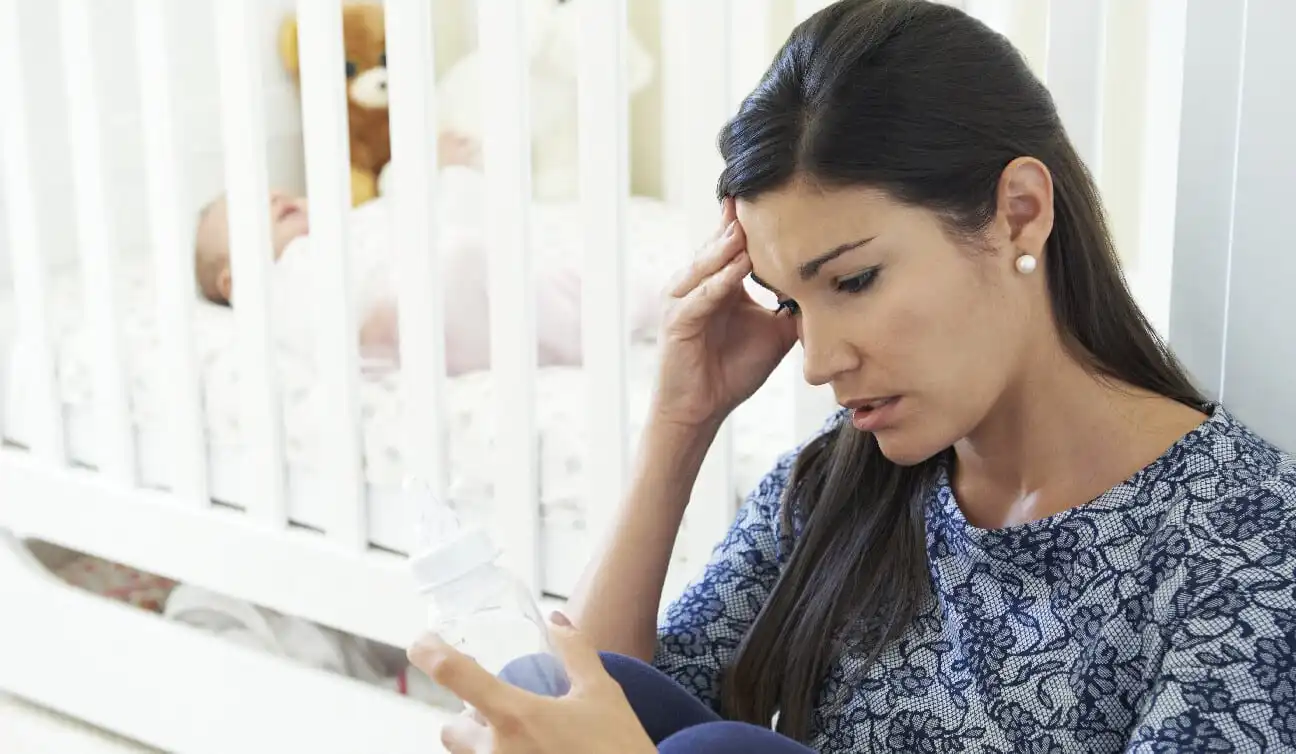
Postpartum depression symptoms include persistent sadness, extreme fatigue, difficulty bonding with your baby, feelings of worthlessness, and in severe cases, thoughts of self-harm. Unlike the baby blues, these symptoms last beyond two weeks and require medical treatment. Up to 1 in 5 new mothers in India are affected.
Postpartum depression symptoms affect up to 1 in 5 new mothers in India. Unlike the baby blues, which resolve within one to two weeks, postpartum depression is a medical condition that can last for months without proper treatment. This guide explains the key signs, causes, risk factors, and when to seek help — for both mothers and their support networks.
Postpartum Depression
Postpartum depression (PPD) is a prolonged period of clinical depression that follows childbirth. It is not a character flaw or a sign of weakness — it is a recognised medical condition driven by dramatic hormonal, physical, and emotional changes that occur after delivery.
Most new mothers suffer through this, sadly, often without realising it. As a matter of fact, the period of pregnancy can be so intense, postpartum depression can also occur in new male parents. According to a WHO report, about 1 in 10 new fathers go through depression after the birth of their child.
It is important to remember that feelings of postpartum and perinatal depression are always valid. One is not a lesser person, a lesser parent, or a weaker human because of what they are going through.

Common Postpartum Depression Symptoms to Watch For
Postpartum depression goes well beyond the “baby blues.” Postpartum depression lasts for weeks and can be significantly more severe. Symptoms typically appear within the first three weeks after giving birth, though they can emerge up to a year postpartum.
Postpartum depression can make you feel disconnected from your baby. Some mothers even experience feelings of loathing or indifference towards their baby. You are NOT at fault for this — it is a symptom of the illness, not a reflection of who you are as a parent.
Common postpartum depression symptoms include:
- Persistent feelings of sadness, anxiousness, or tearfulness that do not lift
- Feeling overwhelmed, hopeless, or like things will never get better
- Difficulty bonding with or feeling disconnected from your baby
- Thoughts of harming the baby or yourself — seek immediate medical help if this occurs
- Lacking energy, motivation, or interest in activities you previously enjoyed
- Feeling worthless, excessively guilty, or like a failure as a parent
- Extreme changes in sleep patterns — sleeping too much or being unable to sleep even when the baby sleeps
- Changes in appetite — eating far too little or far too much
- Difficulty concentrating, making decisions, or remembering things
- Physical ailments without clear cause, such as chronic headaches, digestive problems, or body aches
If you are experiencing these symptoms, please seek medical help. Postpartum depression is highly treatable, and you do not have to go through this alone.
Postpartum Depression vs. Baby Blues vs. Postpartum Psychosis
Not every difficult mood after birth is postpartum depression. Understanding the differences is important for getting the right support.
Baby Blues
Baby blues are mild mood changes — tearfulness, anxiety, irritability — that affect up to 80% of new mothers. They typically begin within two to three days of delivery and resolve on their own within one to two weeks. No medical treatment is required, though rest, support, and reassurance help greatly.
Postpartum Depression
Postpartum depression is more intense, lasts longer than two weeks, and significantly interferes with your ability to care for yourself and your baby. Unlike baby blues, PPD requires professional treatment such as therapy or medication.
Postpartum Psychosis
Postpartum psychosis is rare — affecting approximately 1 in 1,000 new mothers — but it is a medical emergency. Symptoms include hallucinations, delusions, rapid mood swings, confusion, and paranoia. It typically develops within the first two weeks after delivery. If you or someone you know shows these signs, seek emergency medical care immediately.
What Causes Postpartum Depression
Postpartum depression does not have a single cause. It results from a combination of hormonal, physical, psychological, and social factors that converge after childbirth.
Hormonal Changes
After delivery, levels of oestrogen and progesterone drop dramatically — one of the sharpest hormonal shifts the human body experiences. This sudden change can trigger mood instability, fatigue, and depression in susceptible individuals. Thyroid hormone levels also drop postpartum and can contribute to fatigue and low mood if thyroid function is affected.
Sleep Deprivation
Chronic sleep deprivation has a profound impact on emotional regulation and mental health. New parents rarely get the continuous sleep needed for cognitive and emotional recovery, and this accumulative exhaustion significantly increases the risk of PPD.
Physical Recovery
The physical demands of childbirth — whether vaginal or by caesarean — leave the body depleted. Pain, physical exhaustion, and challenges with breastfeeding all compound emotional vulnerability in the postpartum period.
Risk Factors That Increase Likelihood
Certain factors make a person more likely to develop postpartum depression:
- A personal or family history of depression, anxiety, or bipolar disorder
- Depression or anxiety experienced during pregnancy (perinatal depression)
- A traumatic or difficult birth experience
- Lack of partner support, social isolation, or relationship difficulties
- Financial stress, housing insecurity, or major life changes around the time of birth
- A previous experience of postpartum depression
- Complications with breastfeeding, or difficulty with infant feeding
- Unplanned pregnancy or ambivalent feelings about parenthood
Having one or more of these risk factors does not mean PPD is inevitable — it simply means closer monitoring and a stronger support system are especially important.
Screening for Postpartum Depression: The Edinburgh Scale
The Edinburgh Postnatal Depression Scale (EPDS) is the internationally recognised tool used by doctors and midwives to screen for postpartum depression. It is a 10-question self-reported questionnaire that assesses mood, anxiety, and self-harm ideation over the past 7 days.
In India, the EPDS is increasingly being used at postpartum check-ups, particularly at six weeks after delivery. If your doctor has not offered this screening and you are concerned about your mental health, you can ask specifically for an EPDS assessment. A score of 10 or above typically indicates further evaluation is needed.
Treatment Options and Recovery
Postpartum depression is highly treatable. Most women begin to feel significantly better within weeks to months with the right support and treatment plan.
Therapy
Cognitive Behavioural Therapy (CBT) has the strongest evidence base for treating postpartum depression. It helps new mothers identify and reframe negative thought patterns, develop healthy coping strategies, and rebuild confidence in their parenting. Interpersonal therapy (IPT) is also effective, particularly for addressing relationship difficulties and social isolation that often accompany PPD.
Medication
In moderate to severe cases, doctors may prescribe antidepressants. Selective serotonin reuptake inhibitors (SSRIs) such as sertraline and paroxetine are commonly used and are considered safe for breastfeeding mothers. Always consult your healthcare provider before starting, changing, or stopping any medication.
Support Groups
Connecting with other mothers who have faced similar challenges provides validation and practical advice. Many hospitals and community health centres in India offer support groups for new parents dealing with mood disorders. These shared spaces reduce stigma and help mothers feel less isolated.
Lifestyle Support
While not a substitute for professional treatment, certain lifestyle factors actively support recovery: accepting help with household tasks, prioritising even short periods of sleep, gentle physical activity as advised by your doctor, and maintaining social connections rather than withdrawing.

How Partners and Family Can Help
Understanding postpartum depression symptoms early allows partners and family members to respond with empathy and practical support. Simple actions make a profound difference: taking over nighttime feedings, encouraging rest, preparing meals, and listening without judgement can all meaningfully accelerate a mother’s recovery.
Partners should also watch for warning signs such as withdrawal from the baby, extreme fatigue that does not improve with rest, persistent crying or emotional flatness, and expressions of guilt or worthlessness. Professional help should be sought if symptoms persist beyond two weeks or worsen over time.
Partners can also experience postpartum depression. Studies suggest up to 10% of new fathers develop depression after a baby is born, often presenting as irritability, overworking, withdrawal, or increased substance use. Untreated depression in either parent affects the entire family unit and the baby’s developmental environment.
India-Specific Helplines and Support Resources
If you or someone you know is struggling with postpartum depression in India, the following resources provide confidential support:
- iCall (TISS Mumbai): 9152987821 — Professional psychological counselling
- Vandrevala Foundation Helpline: 1860-2662-345 — 24/7 mental health support
- NIMHANS (National Institute of Mental Health and Neuro Sciences): Available through government hospitals across India
- Postpartum Support International: postpartum.net — Global directory of PPD specialists and support groups
- iMumz Community: An India-based platform with postpartum wellness support
You should seek professional help if symptoms last more than two weeks, worsen over time, interfere with caring for your baby or yourself, or if you experience any thoughts of harming yourself or your baby. Postpartum depression is a medical condition — treatment is effective, and recovery is the norm, not the exception.
Related Resources
References & Sources
- World Health Organization (WHO). Maternal Mental Health. who.int
- American College of Obstetricians and Gynecologists (ACOG). Postpartum Depression Screening Guidelines. acog.org
- National Institute of Mental Health (NIMH). Postpartum Depression Facts. nimh.nih.gov
- Cox JL, Holden JM, Sagovsky R. Detection of postnatal depression: Development of the 10-item Edinburgh Postnatal Depression Scale. British Journal of Psychiatry. 1987;150:782-786. pubmed.ncbi.nlm.nih.gov
- Postpartum Support International. Postpartum Depression & Anxiety. postpartum.net
- Indian Council of Medical Research (ICMR). National Guidelines for Maternal Mental Health Care. icmr.gov.in
You May Also Like




Frequently Asked Questions
What are the most common postpartum depression symptoms?
Common postpartum depression symptoms include persistent sadness, crying spells, extreme fatigue, difficulty bonding with your baby, loss of appetite, trouble sleeping, feelings of worthlessness or guilt, and in severe cases, thoughts of harming yourself or your baby. These symptoms differ from the baby blues because they are more intense and last longer than two weeks.
How long does postpartum depression last?
Without treatment, postpartum depression can last for several months or even longer. With proper treatment which may include therapy, medication, or a combination of both, most women begin to feel better within a few weeks to months. Early diagnosis and treatment are key to a faster recovery.
What is the difference between baby blues and postpartum depression?
Baby blues are mild mood changes that affect up to 80% of new mothers, typically resolving within 1 to 2 weeks after delivery. Postpartum depression is more severe, lasts longer than two weeks, and significantly impacts daily functioning. Unlike baby blues, postpartum depression requires professional treatment such as therapy or medication.
Can fathers or partners experience postpartum depression?
Yes, fathers and partners can also experience postpartum depression. Studies suggest up to 10% of new fathers experience depression after a baby is born. It may appear as irritability, withdrawal, overworking, or increased substance use. Partners should seek help if they notice these signs, as untreated depression in either parent can affect the entire family.
When should I seek help for postpartum depression?
You should seek help if you experience symptoms of postpartum depression that last more than two weeks, worsen over time, or interfere with caring for your baby or yourself. Contact your doctor or midwife immediately if you have thoughts of harming yourself or your baby. Postpartum depression is a medical condition and treatment is very effective.