Postpartum Period – Your First Period After Giving Birth
By Teddyy Editorial Team | Last Updated: March 23, 2026
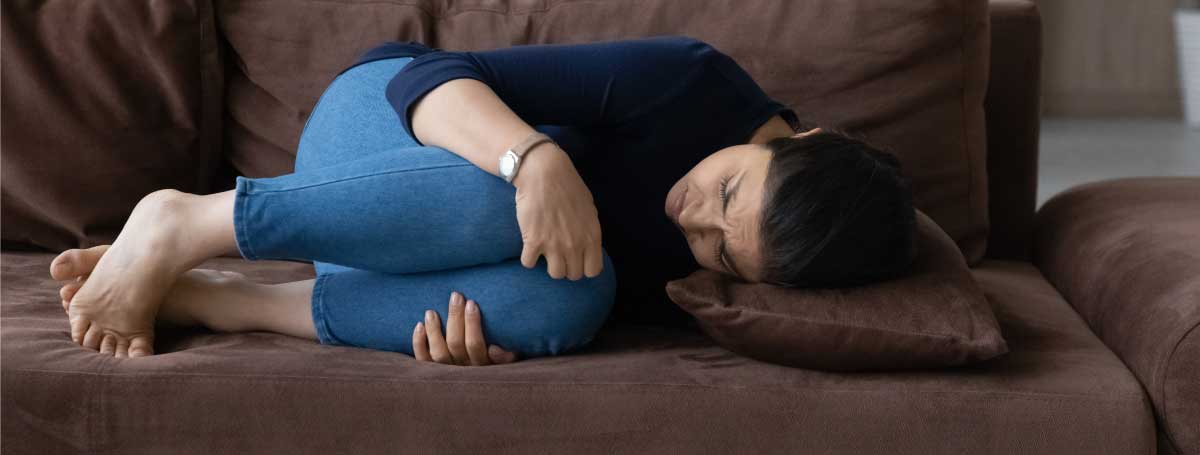
The postpartum period is a time of significant physical and emotional changes for new mothers. Understanding what to expect during this recovery phase can help you navigate it with confidence.
Childbirth can change your body in ways you might not even have thought possible. Just think about this fact for a moment: When a breastfeeding mother hears a baby cry, she starts lactating even if the baby is not nursing. Isn’t that completely mind-blowing?
Similarly, your reproductive system too undergoes many changes after pregnancy. What can you expect from your first period after pregnancy? Let’s find out in this blog.
When should you expect your first period after giving birth
Your periods will make a comeback six to eight weeks after giving birth, that is if you are not breastfeeding.
If you breastfeed your baby, your periods might return much later. Some women who breastfeed their baby exclusively might not experience a period until after they have stopped. For others, it might not matter if they are breastfeeding or not, their periods will be back regardless.
Will your first postpartum period be heavy
Your periods right after pregnancy might be really different from what you were used to. Your body is still healing from the physical trauma of birthing a child. Once your periods are back, it might take a while for things to go back to normal. You might experience the following things:
- Heavier or lighter cramps
- small blood clots in your period blood
- heavier flow
- flow that seems to stop and start
- increased pain and discomfort
- irregular periods
The first period you get after your pregnancy may be heavier than usual. There is an increased amount of uterine lining that needs to be shed than usual, nine months’ worth of it, so expect heavier cramps. Postpartum period duration may vary from person to person. These changes will decrease with time and your body will go back to its usual state.
Can you get pregnant before you get your first postpartum period
Studies have shown that if you’re breastfeeding your baby exclusively you might be protected against another pregnancy. Breastfeeding reduces fertility significantly, but it’s not an absolute guarantee you won’t get pregnant again.
If you’re willing to take the risk and depend upon this kind of birth control, you can’t have your baby have any other solids or liquids except your breastmilk. This includes water. You can keep giving your baby vitamins and other supplements prescribed by the doctor.
If your periods return while you’re breastfeeding, you no longer have the protection. But, it’s quite difficult to predict when your fertility has returned anyway. Women can actually ovulate even before their period begins. So, it’s absolutely possible to get pregnant before your fist postpartum period makes an appearance.
Get your doctor to prescribe you some birth control that is safe to use while recovering from a pregnancy.
Is it normal to have irregular periods after giving birth
Yes, it is common to have irregular periods, especially in the first few months. Irregular periods are more common among women who breastfeed. This is because the hormone that produces milk interferes with ovulation and might actually delay it quite a bit. Expect your periods to take at least a year to go back to normal.
Postpartum is a tough phase for new mothers. They often have to deal with postpartum depression, the added stress of looking after a baby, issues of body image and so much more. There is not a moment of rest to be had for new mothers. We asked ourselves: How can we help you?
By making a better diaper for newborn are made keeping your baby’s needs and your recovery in mind. Teddyy Baby Diapers are:
- 3x as good as absorbent as a regular diaper
- Breathable to let the air through
- Anti-bacterial to prevent nasty rashes and infections
- Enhanced with aloe extracts to keep your baby’s sensitive skin smooth and supple always.
Teddyy is every ma’s best friend!
Helpful Resources for the Postpartum Period
Explore more guides for new mothers:
- Self Care Tips for New Mums
- Taking Care of Yourself After Birth
- Postpartum Depression: Signs and Support
- Pelvic Floor Exercises After Delivery
For medical guidance on the postpartum period, consult the American College of Obstetricians and Gynecologists.
References & Sources
- World Health Organization (WHO). Maternal and Newborn Health. who.int
- Indian Council of Medical Research (ICMR). National Guidelines for Maternal Care. icmr.gov.in
- American Academy of Pediatrics (AAP). Caring for Your Baby. aap.org
- Indian Academy of Pediatrics (IAP). Child Health Guidelines. iapindia.org
- National Library of Medicine. Diaper Dermatitis. pubmed.ncbi.nlm.nih.gov
- National Institute of Nutrition (NIN). Dietary Guidelines for Indians. nin.res.in