
Pregnancy Guide: Foods to Avoid When Pregnant
By Teddyy Editorial Team | Last Updated: April 23, 2026
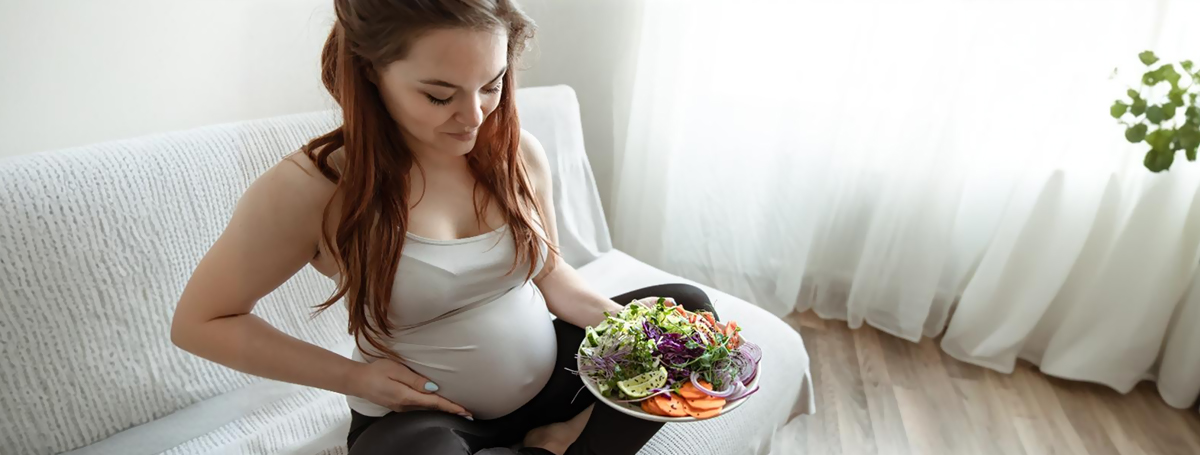
Knowing the foods to avoid when pregnant is essential for protecting both your health and your baby’s development. This comprehensive guide covers all the foods to avoid when pregnant, along with safer alternatives to keep your diet nutritious and safe throughout your pregnancy journey.
Pregnancy comes with some of the most weird food cravings – chips with chai, ice cream with pickles, and whatnot. While these cravings are normal and mostly healthy, there are certain foods to avoid when pregnant.
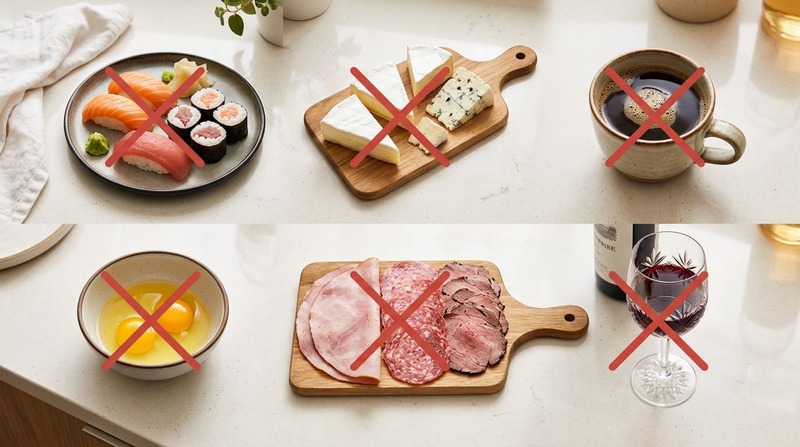
You must avoid them because they could pose a risk to you and your baby. The list of what not to eat during pregnancy is short and easy to remember. You can even take a screenshot of the table below and paste it on your wall so as not to miss anything.
Key Takeaways
- Certain food items contain heavy metals, harmful bacteria, or excessive vitamins unfit for pregnancy.
- Fruits are always healthy.
- The early months of pregnancy are crucial for your baby’s growth and survival.
- A healthy diet is a choice, just like choosing the right diaper for your baby.
- For a complete list of foods to avoid when pregnant, refer to the American College of Obstetricians and Gynecologists (ACOG) and the World Health Organization (WHO) for evidence-based dietary guidelines.
Foods to Avoid During Pregnancy
Certain food items contain heavy metals, harmful bacteria, or excessive vitamins unfit for pregnancy. The table below lists foods to avoid during pregnancy that contain such unwanted substances.
| Foods to Avoid During Pregnancy |
| Raw and Undercooked Meat |
| Seafood High in Mercury |
| Raw Eggs |
| Unpasteurised Dairy Products |
| Caffeine |
| Alcohol |
| Liver and Organ Meats |
| Fruits like Papaya, Pineapple, Grapes |
- Raw and Undercooked Meat
Raw and undercooked meat can contain harmful bacteria like salmonella, listeria, and toxoplasma. These can infect you easily during pregnancy. So, avoid foods like sushi and rare steak and cook your meat fully.
- Seafood High in Mercury
Shark, swordfish, king mackerel, and tilefish come under fish to avoid during pregnancy category. They contain high levels of mercury, which could cause mercury poisoning.
- Raw Eggs
Raw or undercooked eggs can also contain salmonella bacteria, which can cause food poisoning. So, if you enjoy a sunny-side-up in the morning, make sure you cook it properly. Also, avoid foods that contain raw eggs, like mayonnaise.
- Unpasteurized Dairy Products
Unpasteurised dairy products, including milk, cheese, and curd, can contain listeria bacteria. So, only eat products that are pasteurised. Usually, the milk from your local dudh wale bhaiya is unpasteurised. Buy branded milk products that are pasteurised.
- Caffeine
Some aunty must have thrown draggers your way after watching you enjoy a cup of coffee. A cup is fine, but drinking excessive coffee is harmful. Excessive caffeine in any form, for that matter, is harmful.
- Liver and Organ Meats
Liver and organ meats contain high levels of vitamin A. Intake of excessive vitamin A during pregnancy can increase the risk of birth defects in your baby. It’s best to avoid them altogether.
Fruits to Avoid During Pregnancy
Fruits are always healthy. However, during pregnancy, certain fruits should be consumed with caution. Those include papaya, pineapple, and grapes.
- Papaya
Unripe papaya contains an enzyme called papain. This enzyme causes contractions of the uterus. That’s harmful as you could go into early labour or increase the risk of miscarriage.
- Pineapple
Pineapple has an enzyme called bromelain. This could also cause uterine contractions. But it is present in small quantities. So, if you eat a couple of pineapple pieces, that’s alright. Avoid eating it excessively.
- Grapes
Grapes are generally safe. However, eating excessive grapes can lead to diarrhoea, which can cause dehydration. Popping those grapes in the mouth is so easy; you never notice when you finish a bunch. So, it’s best to steer clear of them.
Things to Avoid in Early Pregnancy
The early months of pregnancy are crucial for your baby’s growth and survival. You must take extra care in everything you do – from sleeping correctly to avoiding harmful foods. Here are a few things to avoid in early pregnancy:
- Alcohol
Alcohol is a strict no-no during pregnancy. You must skip it entirely, whether beer, wine, cocktail, or plain spirits. Consuming alcohol during pregnancy can cause developmental issues in your baby, so it’s best to steer clear. Instead, drink refreshing jaljeera or nimbu pani to quench your thirst.
- Smoking
Smoking during pregnancy is harmful to you and the baby. It increases the risk of premature birth, low birth weight, and, in some terrible cases, stillbirth. So, stop smoking as soon as you find out you are pregnant.
- Hot Baths and Saunas
Hot baths and saunas heat your body to high temperatures. This is not good for the baby’s survival in the first trimester. Also, public saunas can harbour bacteria that can enter your urinary tract and cause Urinary Tract Infections (UTIs).
- Excessive Exercise
Some exercise like yoga and walking is good for your pregnancy. However, high-intensity exercises like fast running, lunges, and heavy weight lifting can increase the risk of miscarriage, especially during the first trimester.
Conclusion
A healthy diet is a choice, just like choosing the right diaper for your baby. You won’t use generic products that will cause itching or rashes. You’ll only use premium products like Teddyy Premium Diaper Pants. Similarly, choose to eat only healthy and nutritious food and stay away from foods to avoid when pregnant to ensure your baby grows stronger and healthier.
Why Some Foods Are Risky During Pregnancy
Your immune system runs slightly suppressed in pregnancy — this protects the baby from being treated as foreign tissue, but it also makes you more vulnerable to foodborne illnesses like listeria, salmonella and toxoplasma. These infections can cross the placenta and cause miscarriage, premature birth, low birth weight or birth defects, even when symptoms in you stay mild.
Two other concerns drive most of the food rules: high mercury levels (which damage the developing nervous system) and stimulants or toxins (caffeine, alcohol, certain herbs) that interfere with growth. The good news is the unsafe list is short — most cuisines and home-cooked Indian meals are completely safe with small swaps and full cooking.
Safe Indian Foods to Eat Instead
For protein, swap raw or undercooked eggs for fully boiled or scrambled, and replace deli meats with home-cooked chicken curry or paneer. Instead of unpasteurised cheese, choose well-cooked paneer, malai or pasteurised mozzarella from labelled packs. Dal, rajma, chana and moong sprouts (cooked, not raw) cover protein needs without any risk.
Build meals around iron and calcium-rich staples: ragi roti, palak dal, methi paratha, til laddoo, almonds, dates, curd rice and seasonal fruits like apples, pears and pomegranate. Drink boiled-cooled water, fresh nimbu pani made at home, and tender coconut water. These cover most pregnancy nutrition needs without venturing into anything questionable.
Trimester-by-Trimester Food Focus
First trimester (weeks 1–12): focus on folate-rich foods like spinach, broccoli, lentils and fortified cereals to support neural tube development. Manage nausea with small frequent meals, ginger tea, and bland carbs like khichdi or curd rice. Vitamin B6 from bananas helps with morning sickness.
Second trimester (weeks 13–27): increase iron and calcium for the baby’s rapid growth — beetroot, jaggery, sesame seeds, dairy and ragi. Add omega-3 from walnuts, flaxseeds or low-mercury fish twice a week. Third trimester (weeks 28–40): emphasise protein, healthy fats and fibre — paneer, eggs, ghee, dates, oats — for brain development and preventing constipation.
Common Pregnancy Diet Myths to Ignore
“Papaya causes miscarriage” applies only to raw, unripe papaya — fully ripe papaya in moderation is safe and a good source of vitamin A and C. “Saffron makes babies fairer” has no scientific basis; skin colour is purely genetic. “Pineapple induces labour” — you would need to eat several whole fresh pineapples for the bromelain to have any effect.
“Eat for two” is misleading — you only need around 300 extra calories in the second trimester and 450 in the third. Cravings don’t indicate deficiencies in any reliable way. And ghee in moderation is fine, but spoonfuls daily during the third trimester does not guarantee an easy delivery; balanced nutrition and gentle activity matter far more.
How to Read Labels and Eat Out Safely
When eating out, choose freshly prepared hot dishes over buffet items that have sat warm for hours. Skip salads with raw sprouts, pre-cut fruit platters of unknown freshness, and street food with chutneys made from raw water. Insist meat, eggs and seafood are fully cooked through — pink centres are not safe in pregnancy.
For packaged foods, check pasteurisation labels on dairy, expiry dates on ready-to-eat items, and avoid anything with unverified herbal additives. Reheat leftovers to steaming hot before eating, and finish opened dairy within two days. Wash all fruits and vegetables under running water and peel where possible — this single habit removes most surface contamination risk.
When to Call Your Doctor About Food Concerns
Call within 24 hours if you suspect you’ve eaten something risky and develop fever, chills, body aches, severe vomiting, watery diarrhoea, or unusual abdominal pain. Listeria symptoms can appear up to 70 days after exposure, so mention any pregnancy-stage exposure to soft cheese or deli meat at your next visit even if you feel fine.
Sudden swelling, severe heartburn that doesn’t respond to safe antacids, or persistent food aversions that prevent you eating for more than 48 hours also warrant a call. Your obstetrician would rather check a non-issue than miss something — never wait it out when food and pregnancy concerns combine.
Baby Safety Beyond Food
You are already protecting your baby by watching what you eat. When they arrive, protect their sensitive skin too.
Just as you read ingredient labels on food, it pays to know what touches your baby’s skin for 20+ hours a day. Teddyy diapers are dermatologically tested and free from harmful chemicals — no chlorine bleaching, no optical brighteners, no added fragrances that can irritate newborn skin.
The same care you put into your pregnancy diet is the care your baby’s skin deserves from day one.
Expert Resources
For a complete list of foods to avoid when pregnant, refer to the American College of Obstetricians and Gynecologists (ACOG) and the World Health Organization (WHO) for evidence-based dietary guidelines.
References & Sources
Also Read
You May Also Like



Frequently Asked Questions
What foods are harmful to pregnancy?
In the above sections, we have extensively mentioned all the foods harmful to pregnancy. Those include unpasteurised dairy products, fish high in mercury, raw eggs and meat, certain fruits, etc.
What fruit is not good for pregnancy?
Fruits like pineapple, grapes, and papaya are not good for pregnancy. Also, unripe fruits should go in the fruits to avoid during pregnancy category.
What should I avoid in the first trimester?
You should avoid certain things throughout your pregnancy, especially in the first trimester. Things to avoid in early pregnancy include hot saunas, fruits like papaya and pineapple, alcohol, smoking, excessive stress, and high-intensity exercises.
What should pregnant women eat and not?
Pregnant women should eat a balanced and nutritious diet that includes fruits, vegetables, whole grains, lean proteins, and healthy fats. What not to eat during pregnancy is raw or undercooked meat, unpasteurised dairy products, processed foods, sugary drinks, and excessive caffeine.