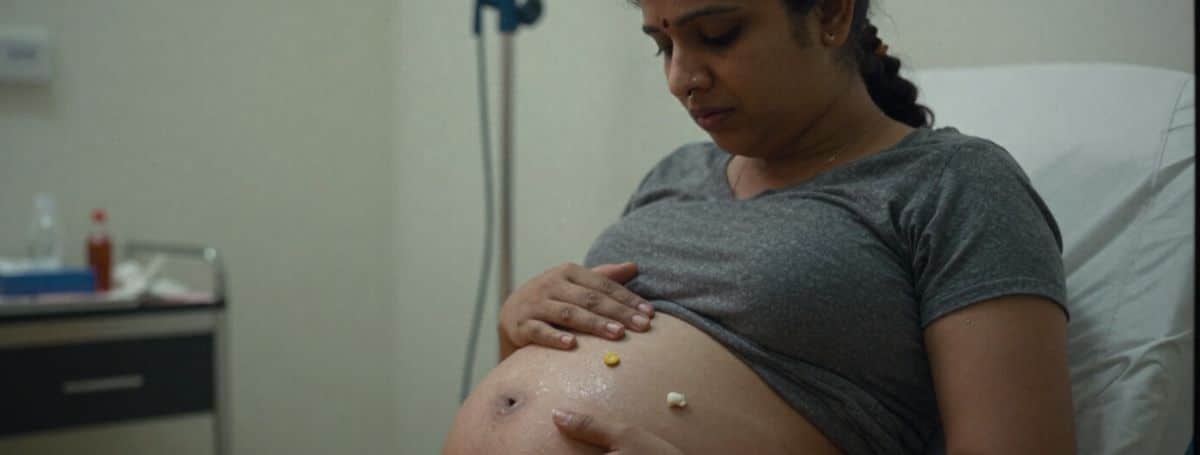
C-Section Stitches: Types, Healing Time & Recovery Tips
By Teddyy Editorial Team | Last Updated: July 19, 2026
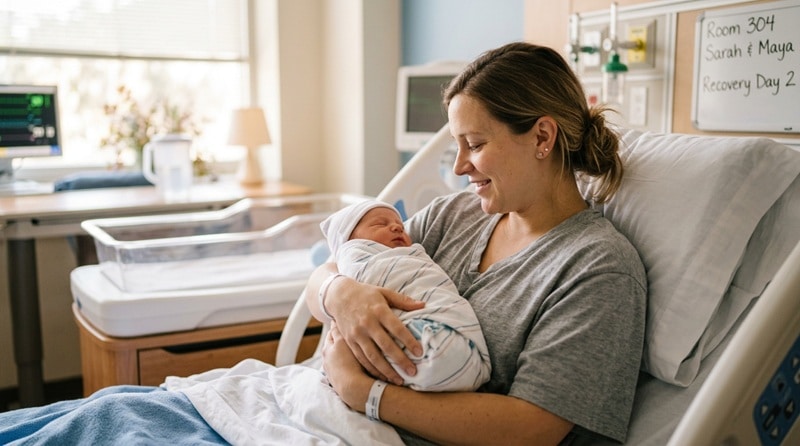
Understanding C-section stitches is important for every mother who undergoes a cesarean delivery. The type of C-section stitches used, the technique applied, and proper aftercare all play a significant role in how quickly and comfortably you recover. This guide covers everything you need to know about C-section stitches, from the different types to recovery tips that help you heal faster.
If you’ve had a C-section — or are preparing for one — understanding how your stitches work is one of the most practical things you can do for your recovery. The type of incision your surgeon makes, the closure method used, and how you care for the wound in the weeks that follow all directly affect your healing time and comfort. This guide walks you through the different types of C-section incisions, the stitching and closure options your doctor may choose, how long internal stitches take to heal, warning signs to watch for, and how to take care of your incision at home.
Key Takeaways
- Proper care of your C-section stitches is essential for preventing infection and ensuring smooth healing.
- For trusted medical guidance on C-section stitches and recovery, visit: American College of Obstetricians and Gynecologists (ACOG), World Health Organization – Maternal Health, and HealthyChildren.
What Are the Different Types of C-section Incisions
Let’s explore the different types of C-section incisions.
Classical Incision:
- A vertical incision is made in the middle of the abdomen and uterus.
- Typically used in emergencies or with certain medical conditions.
- Healing may take longer compared to other types of incisions.
Low Transverse Incision:
- This is the most common type of incision and is also known as a “bikini cut”.
- Made horizontally just above the pubic hairline.
- Allows for quicker recovery and reduces the risk of complications during future pregnancies.
Low Vertical Incision:
- Similar to the low transverse incision, but made vertically instead of horizontally.
- May be chosen based on surgical considerations or previous abdominal surgeries.
- Healing time and recovery are generally similar to low transverse incisions.
T Incision (Inverted T or J Incision):
- A variation of the classical incision where an additional vertical incision is made at the top.
- Used in complex cases or when more access to the uterus is needed.
- Requires careful monitoring and may have a longer recovery period.
Remember, each type of incision is carefully chosen based on individual circumstances. Your healthcare provider will pick the best option for you.
How Many Stitches in C-Section Delivery
There’s no single fixed number of stitches in a C-section — it depends on the type of incision, your body, and your surgeon’s technique. However, most C-sections involve stitching multiple layers: the uterus (usually closed in one or two layers), the fascia (the tough connective tissue over your abdominal muscles), and sometimes the skin. In total, the internal layers alone may need anywhere from 8 to 16 or more individual stitches.
For the outer skin closure, you may receive traditional stitches, staples, surgical glue, or adhesive strips — and in some cases, no visible external stitches at all. The number and type depend on the length of your incision, whether it’s a planned or emergency C-section, and how your surgeon prefers to close. Your doctor will decide the best approach based on your specific situation.
The next section breaks down each closure method so you know what to expect.
What Are the Different Types of C-section Closures
Here’s a list of the C-section stitches types.
Staples:
- Often used for temporary closure immediately after the surgery.
- Quick to apply and remove, reduces surgical time.
- May cause discomfort and leave visible marks on the skin.
Types of Sutures used in Cesarean Section:
- Most commonly used for closing the incision.
- Absorbable sutures gradually dissolve over time, eliminating the need for removal.
- Non-absorbable sutures may require removal after the incision has healed.
Surgical Glue (Dermabond):
- A liquid adhesive is applied to the incision site.
- Forms a protective barrier over the wound, promoting healing.
- Generally used for smaller incisions, minimizes scarring.
Steri-Strips:
- Thin adhesive strips are placed over the closed incision.
- Help support the wound and reduce tension on the skin.
- Typically used in combination with sutures or surgical glue.
Your healthcare provider will choose the most suitable option of the C section stitches types you need based on factors such as the type of incision, your skin type, and any potential allergies or sensitivities. Rest assured, whichever method is used, your well-being and comfort are paramount, ensuring a smooth recovery process.
C-Section Internal Stitches Healing Time
Internal stitches after a C-section generally take about 6 to 12 weeks to heal completely, though the exact timeline varies depending on your overall health, whether this is a repeat C-section, and how well you’re able to rest during recovery.
Your surgeon closes several layers during a C-section — the uterus, the fascial tissue, and sometimes the subcutaneous fat layer beneath the skin. Each layer is closed with dissolvable (absorbable) sutures that gradually break down as your body heals. The uterine layer typically heals the fastest, within 6 to 8 weeks. The fascial layer, which bears most of the structural load on your abdomen, may take the full 12 weeks to regain strength.
Here’s a rough week-by-week picture of what to expect:
Week 1–2: The incision area feels sore and tender. Movement is painful, especially getting in and out of bed. Internal stitches are fully intact and your body is just beginning the inflammatory healing phase. Mild swelling is normal.
Week 3–4: Most women notice a significant drop in pain. You can walk short distances more comfortably. The dissolvable sutures are beginning to break down, but the tissue is still fragile. Avoid lifting anything heavier than your baby.
Week 5–8: Deep tissue healing is well underway. The pulling and tugging sensations you may have felt start to ease. Many women feel close to normal during daily activities, though the internal layers are still strengthening.
Week 9–12: The internal stitches are mostly or fully dissolved. The uterine scar is forming its final structure. Most doctors will clear you for exercise and heavier physical activity around this point, depending on your recovery progress.
Throughout this period, avoiding heavy lifting, sudden twisting movements, and strenuous exercise helps prevent strain on the healing tissue. Mild tightness or occasional pulling sensations are normal. However, increasing pain, redness, fever, or unusual discharge may signal an infection — contact your doctor promptly if you notice any of these.
What Are the Signs of Torn Internal Stitches after a C-Section
Torn or dehisced internal stitches after a C-section are uncommon but serious. Knowing the warning signs can help you act fast.
The most common sign is a sudden change in pain — not the gradual soreness of normal healing, but a sharp, stabbing, or tearing sensation in the incision area, especially during movement like standing up, coughing, or lifting. If pain that had been improving suddenly gets worse, that’s a red flag.
Other signs to watch for include visible swelling, redness, or warmth around the incision that wasn’t there before, increased vaginal bleeding or a sudden gush of fluid, fever above 100.4°F (38°C), foul-smelling discharge from the wound or vagina, and the external incision visibly opening or separating, even slightly.
Internal stitches (in the uterine or fascial layer) can tear without obvious external signs. If you feel a deep popping sensation followed by increased pain, or if your abdomen feels unusually soft or distended on one side, seek medical attention even if the skin incision looks fine.
Do not wait to see if these symptoms resolve on their own. Torn internal stitches can lead to internal bleeding, infection, or hernia if left untreated. Call your OB-GYN or go to the emergency room immediately.
General Care for a C-section Incision
It’s normal to experience some discomfort after a C-section. Here’s how to care for a C-section incision:
Incision Care:
- Use mild soap and water to clean the incision site daily. Pat dry with a clean towel.
- Refrain from using harsh cleansers or scrubbing the incision area.
- Ensure the incision remains dry, especially after showering or bathing, to prevent infection.
Pain Management and C Section Healing:
- Take prescribed pain relievers as directed.
- C section internal stitches healing time varies for each person. So, allow yourself ample time to rest and avoid strenuous activities that may worsen discomfort.
- A warm compress to the incision area can help alleviate pain and promote relaxation.
Activity and Mobility:
- Start with gentle activities, such as short walks around your home, and gradually increase the duration and intensity as tolerated.
- Pay attention to any discomfort or fatigue and adjust your activity level accordingly.
Possible Concerns After a C-section
- Pain and Discomfort: It’s common to experience pain and discomfort around the incision site, which can be managed with prescribed pain relievers and gentle care.
- Infection: Monitor the incision for signs of infection, such as redness, swelling, or discharge, and notify your healthcare provider if you notice any concerning symptoms.
- Emotional Adjustment: Be mindful of your emotional well-being and seek support from loved ones or healthcare professionals if you’re feeling overwhelmed or anxious.
- Physical Limitations: Allow yourself time to heal and avoid overexertion, especially in the early stages of recovery. Listen to your body and rest as needed.
Post C-Section Baby Care: Make Diaper Changes Easier
Recovery after a C-section means limited mobility, especially in the first few weeks. Bending, lifting, and fiddly tape diapers can strain your stitches and slow healing. Pant-style diapers are a practical solution — just pull up, pull down. No tapes, no awkward positioning, no extra pressure on your incision.
Teddyy pant-style diapers are designed for quick, one-hand changes. They are dermatologically tested, gentle on newborn skin, and built for 12-hour absorption so you and your baby can rest through the night.
Conclusion
Remember that C section internal stitches healing time varies based on a lot of factors. Your journey through C-section recovery is one marked by strength and resilience. Embrace each step with patience and self-compassion. Know that you’re never alone; support and guidance are readily available. Trust in your body’s ability to heal, and lean on your support system for comfort and encouragement. Oh! And you have one less worry now with TEDDYY diapers. Its super absorbent material keeps your baby rash-free and protected. Buy diapers online now! Happy parenting!
Proper care of your C-section stitches is essential for preventing infection and ensuring smooth healing. Keep the incision area clean and dry, avoid heavy lifting, and follow your doctor’s instructions for wound care. Most C-section stitches heal within 6 to 8 weeks, though complete internal healing may take longer.
If you notice any redness, swelling, or discharge around your C-section stitches, contact your healthcare provider immediately. Early intervention can prevent complications and ensure your C-section stitches heal properly without any issues.
Expert Resources on C-section Recovery
For trusted medical guidance on C-section stitches and recovery, visit: American College of Obstetricians and Gynecologists (ACOG), World Health Organization – Maternal Health, and HealthyChildren.org – Delivery and Beyond.
Related Articles
- Taking Care of Yourself After Birth
- Postpartum Depression: Signs and Support
- Self Care Tips for New Mums
- Pregnancy Precautions Guide
Related C-Section Articles
- C-Section: What You Must Know – Complete overview of the procedure, risks, and what to expect
- C-Section Recovery Tips – 6 proven tips to heal faster at home
- What to Eat After C-Section – Indian diet chart and food guide for faster healing
Read Next
Frequently Asked Questions
How long do C-section stitches take to dissolve?
Dissolvable (absorbable) C-section stitches typically take 4 to 6 weeks to fully dissolve on their own. The internal uterine sutures break down within this timeframe as your body absorbs the material. External dissolvable stitches, if used, usually dissolve within 1 to 2 weeks. If your doctor used non-absorbable stitches or staples on the skin, those are typically removed at a follow-up visit 5 to 10 days after surgery.
Can C-section stitches open after 2 weeks?
Yes, though it’s uncommon. C-section stitches can partially open (dehisce) within the first 2 to 3 weeks, especially if the incision area is strained by heavy lifting, infection, or excessive movement. Signs include the wound edges separating, fluid draining from the incision, or increased redness and pain. If you notice your incision opening even slightly, contact your doctor right away — early treatment prevents complications.
How do I know if my internal C-section stitches are healing properly?
Signs of healthy healing include gradually decreasing pain and tenderness around the incision, no fever or chills, minimal swelling that reduces over time, and no foul-smelling discharge. A mild pulling or tugging sensation in the first few weeks is normal as the tissue knits together. If pain suddenly increases after it had been improving, or you develop a fever above 100.4°F, contact your healthcare provider to rule out infection or internal complications.
What does an infected C-section incision look like?
An infected C-section incision typically shows increasing redness that spreads beyond the incision edges, swelling or hardness around the wound, warmth to the touch, and yellow or green discharge with a foul smell. You may also develop a fever, and the area may become more painful rather than improving over time. Infection can occur in the skin or in the deeper internal layers. If you notice any combination of these signs, seek medical attention promptly — infections caught early respond well to antibiotics.
Is it normal to feel pulling inside after a C-section?
Yes, mild pulling, tugging, or tightness around and below the incision is a normal part of C-section recovery, especially during the first 4 to 8 weeks. This sensation comes from the internal stitches and the surrounding tissue healing and tightening. It’s most noticeable when you stand up, cough, laugh, or change positions. The sensation should gradually decrease. However, a sudden sharp pulling or tearing feeling — especially accompanied by increased pain — could indicate a problem with the internal sutures and should be evaluated by your doctor.