Baby Blues After Pregnancy: Signs, Cultural Stigma and What Indian Families Can Do
By Teddyy Editorial Team | Last Updated: May 3, 2026
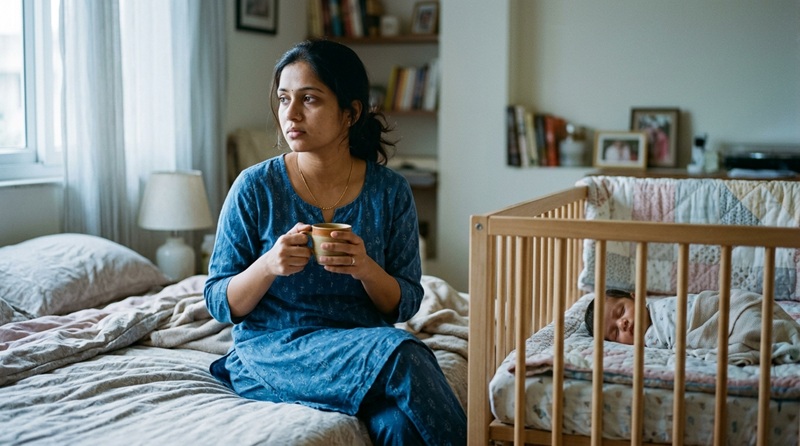
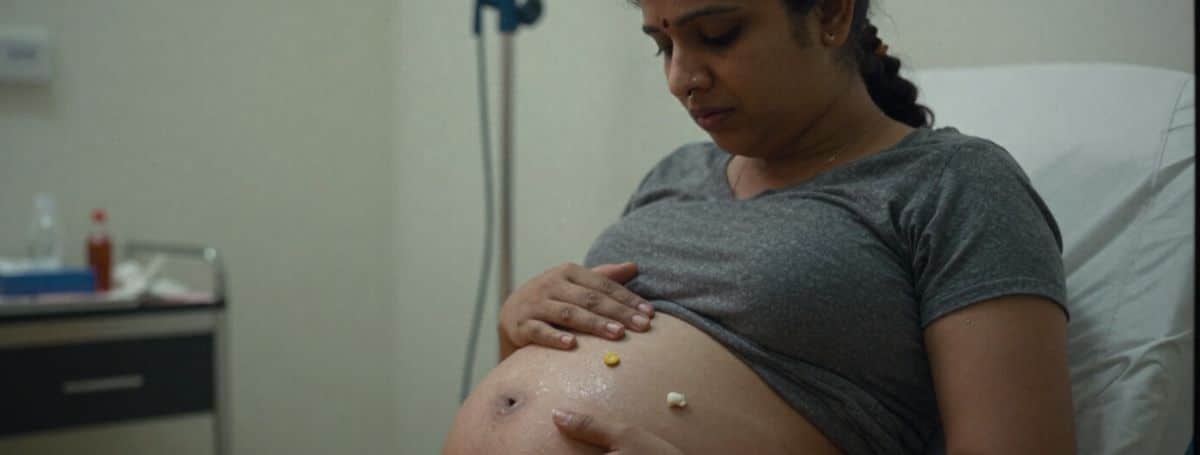
“I didn’t know what this feeling was. I had never experienced it before. It kept building as more time passed. The anxiety and the thoughts… dangerous thoughts. About hurting myself… about hurting my baby,” says Anjali, a 28-year-old from Lucknow, trying to explain what happened to her in the weeks after her son was born.
baby blues after pregnancy India often unfolds exactly like this — an invisible weight that no one names, and a silence that families mistake for adjustment.
“They call it sowar where I come from — this heavy, dark cloud that sits on a new mother. Everyone said it was normal. ‘You just had a baby, of course you feel tired.’ But this was something else. Thank god my sister-in-law recognised the signs and got me help in time.”
Anjali’s story is more common than most Indian families realise. Across the country, new mothers experience a spectrum of emotional distress after childbirth — from the short-lived baby blues to the more serious condition of postpartum depression (PPD). The two are frequently confused, and in India’s cultural context, both are routinely dismissed as normal “adjustment.”
Understanding baby blues after pregnancy India — how it differs from postpartum depression, how long it lasts, and when to seek help — is something every new mother and her family deserves to know.
They are not the same thing, and knowing the difference can be life-changing.
The Indian Reality: Why Baby Blues Often Go Unrecognised
In many Indian households, the postpartum period is governed by tradition. The 40-day confinement period (called jaappa, sutaka, or sawa mahina depending on your region) is meant to protect and restore the new mother. Elders cook nourishing foods, visitors are restricted, and the mother is expected to rest.
But this same tradition can inadvertently silence what a mother is actually feeling. Emotional distress gets reframed as weakness, ingratitude, or the result of “too much thinking.” In joint families, the pressure to appear capable and grateful is enormous. Many mothers quietly suffer rather than speak up.
According to Indian research, the prevalence of postpartum depression among Indian mothers is estimated between 11% and 23% — significantly higher than often acknowledged. Factors like lack of spousal support, financial stress, gender disappointment from in-laws, and difficult deliveries all increase the risk.
The first step to helping any new mother is understanding what she may be going through.
Baby Blues vs Postpartum Depression: What Is the Actual Difference
Both conditions involve low mood, tearfulness, and emotional sensitivity after childbirth — but they are different in duration, severity, and what they require from you.
Most cases of baby blues after pregnancy India resolve on their own within two weeks — but knowing the difference can mean the difference between normal recovery and a missed diagnosis of postpartum depression.
| Feature | Baby Blues | Postpartum Depression |
|---|---|---|
| When it starts | 2–3 days after birth | Anytime within first year |
| How long it lasts | Up to 2 weeks, fades on its own | Weeks to months if untreated |
| Intensity | Mild, manageable | Severe, interferes with daily life |
| Treatment needed | Rest, support, time | Professional help required |
| Risk to mother | Low | High — includes risk of self-harm |
The single most important rule: If symptoms last beyond two weeks after delivery, it is no longer baby blues. It is postpartum depression, and professional help is needed immediately.
Signs of Postpartum Depression to Watch For
These symptoms, especially when they persist beyond two weeks or feel overwhelming, are warning signs of PPD:
Whether you are experiencing baby blues after pregnancy India or something more serious, tracking these signs over time is the most important step you can take.
Emotional Signs
- Persistent sadness or emptiness — A heaviness that doesn’t lift, even during moments that should feel joyful, like feeding your baby or receiving visitors.
- Extreme mood swings — Feeling happy one moment and suddenly overwhelmed with despair the next, with no clear trigger.
- Irritability and rage — Snapping at your husband, mother-in-law, or older children over small things. Feeling constantly on edge.
- Crying without knowing why — Tearfulness that comes in waves and cannot be easily explained or controlled.
- Feeling disconnected from your baby — Not feeling the bond you expected. This is one of the most distressing and least-discussed symptoms in India, where mothers are expected to feel instant love.
Physical and Cognitive Signs
- Trouble sleeping even when the baby sleeps — Lying awake, mind racing, unable to rest even when you are exhausted.
- Loss of appetite — Food becomes tasteless. You forget to eat. This is especially serious during the postpartum recovery period when nutrition is critical.
- Difficulty concentrating — Forgetting things, struggling to follow conversations, feeling mentally foggy.
- Physical exhaustion beyond normal tiredness — A heaviness in the body that sleep doesn’t fix.
The Most Serious Signs — Act Immediately
- Thoughts of harming yourself or your baby — These thoughts, even if they feel fleeting or shocking, require immediate medical attention. They are a symptom of a medical condition, not a reflection of who you are as a mother.
- Feeling like your family would be better off without you — This is a psychiatric emergency. Call a helpline or go to a hospital immediately.
What Families in India Miss: The Signs People Around the Mother Overlook
In an Indian household, it is often the family — not the mother herself — who first notices something is wrong. Here is what husbands, mothers-in-law, sisters, and other family members should watch for:
Many cases of baby blues after pregnancy India go unrecognised not because the mother stays silent, but because the people around her interpret the signs as tiredness, hormones, or ingratitude.
What Husbands Often Miss
- Dismissing tearfulness as “hormones” or “being dramatic” instead of sitting with her and asking how she is actually feeling.
- Assuming that because the baby is healthy and the delivery went well, there is nothing to worry about emotionally.
- Not recognising that withdrawal, silence, and refusing to eat are warning signs — not attitude problems.
What Mothers-in-Law and Elders Often Miss
- Attributing distress to the mother being “too modern” or not adjusting to family life, rather than recognising a medical condition.
- Adding pressure around breastfeeding, rituals, or baby weight, which can worsen anxiety significantly.
- Mistaking a mother’s emotional withdrawal as disrespect rather than a symptom of depression.
The Right Response From Family
You do not need to diagnose anything. Your job is to notice, not judge. Ask: “Are you okay? Not just with the baby — are you okay?” Then listen without offering solutions. Arrange a visit to a doctor if symptoms persist. That single conversation can be the difference between a mother getting help and suffering alone for months.
Getting Help in India: Resources for Baby Blues After Pregnancy
One of the biggest gaps in India is that many mothers and families don’t know where to turn. Here are real, accessible options:
Helplines
- iCall (TISS): 9152987821 — Psychological counselling helpline, Monday to Saturday
- Vandrevala Foundation: 1860-2662-345 — 24/7 mental health support in multiple Indian languages
- NIMHANS Helpline: 080-46110007 — National Institute of Mental Health and Neurosciences, Bangalore
- Snehi: 044-24640050 — Emotional support and crisis intervention
When to Go to a Doctor
Visit your gynaecologist, obstetrician, or a psychiatrist if symptoms have lasted more than two weeks, are getting worse, or include any thoughts of self-harm. Postpartum depression is a medical condition. It is treated with therapy, medication, or a combination of both — and most women recover fully with proper care.
Seeking professional support for baby blues after pregnancy India is not a sign of failure — it is the most important step a family can take for the mother’s long-term health.
What About the 40-Day Rule
The traditional 40-day confinement period (jaappa) has real benefits: rest, nourishing food, and reduced social demands. But it is not a substitute for medical help if something is wrong. Tradition and medical care are not in conflict — a good doctor will respect both.
If you or someone you know is navigating baby blues after pregnancy India, remember: reaching out is a sign of strength, not weakness. Early support makes a real difference.
Frequently Asked Questions
What is the difference between postpartum depression and baby blues
Baby blues are mild, temporary emotional changes that begin 2–3 days after birth and resolve within two weeks on their own. Postpartum depression is a clinical condition that is more intense, lasts longer, and requires professional treatment. The key marker is the two-week window — if symptoms persist beyond that point, it is PPD.
When do baby blues get better
Baby blues typically peak around day 3–5 after delivery and resolve completely by the end of the second week. If they are not improving by day 14, speak to your doctor immediately.
What causes baby blues
The primary cause is the sudden hormonal shift after delivery — oestrogen and progesterone drop sharply, affecting mood-regulating neurotransmitters. Sleep deprivation, physical recovery from labour, and the emotional adjustment of new motherhood all compound the effect.
What is the 3-3-3 rule for postpartum
The 3-3-3 rule is a helpful guideline for new mothers: spend the first 3 days in bed resting, the next 3 days on the bed (moving around but not overexerting), and the following 3 days near the bed. It is a framework for pacing recovery, not a medical prescription. It does not replace monitoring for PPD symptoms during that time.
What is the 40-day rule after birth in Hinduism
The 40-day period known as jaappa or sawa mahina is a traditional postpartum confinement practice in many Hindu and North Indian communities. The new mother rests at home, is fed warming and nourishing foods (such as gond ke ladoo, dry fruits, and ajwain), and is shielded from excessive visitors or demands. The goal is physical and emotional restoration. It is a culturally valuable practice — but it is not a shield against postpartum depression, which can develop even with all the right support in place.
How does postpartum depression feel different from normal sadness
Normal sadness has a cause and lifts with time or comfort. Postpartum depression is persistent, pervasive, and often feels disconnected from circumstances — meaning a mother can feel deeply hopeless even when externally everything seems fine. It also often includes physical symptoms (inability to eat or sleep, exhaustion) and intrusive thoughts, which ordinary sadness does not.
References & Sources
- World Health Organization (WHO). Maternal Mental Health. who.int
- Gupta S, et al. Postpartum Depression in India: A Systematic Review. Journal of Reproductive and Infant Psychology, 2020. pubmed.ncbi.nlm.nih.gov
- Indian Council of Medical Research (ICMR). National Guidelines for Maternal Mental Health. icmr.gov.in
- NIMHANS. Perinatal Mental Health Guidelines. nimhans.ac.in
- American College of Obstetricians and Gynecologists (ACOG). Postpartum Depression. acog.org