
How to Treat Sore Nipples and Breastfeeding Pain
By Teddyy Editorial Team | Last Updated: June 25, 2026

What Causes Breast Pain While Breastfeeding
Sore nipples are one of the most common challenges new mothers face while breastfeeding. There are many possible reasons for nursing breasts to hurt. Your baby might be latching on too firmly, you have not yet found the right bra fit for a nursing mother, or in more serious cases, sore nipples might be a warning sign of breast cancer.
It is important to visit your doctor, if the breast pain doesn’t subside after a few days. Here are some common reasons why you might be suffering from sore nipples and breastfeeding pain.

Breast Engorgement
Breast engorgement happens when your breasts get too full of milk. You might have gone too long without nursing, if you have just started breastfeeding your baby, your body is still adjusting to the new demands made of it and trying to figure out how much milk is actually needed.
Breast engorgement hurts and makes it difficult for the baby to latch on to the nipple. You might have to release some milk yourself before you let your baby feed.
Milk Letdown
Mothers bodies have a natural let-down reflex. When the baby latches onto the nipple, this reflex makes the milk flow out without much hassle. When your baby sucks on the nipple, tiny nerves are stimulated and your body releases two hormones in to your bloodstream. Prolactin helps make the milk, while oxytocin allows for the release of milk.
Clogged Milk Ducts
Clogged milk ducts can happen due to wearing a bra that is too tight, missing feedings or delaying them for too long. They feel like firm lumps, sore and warm to the touch. Clogged milk ducts are very common among breastfeeding moms and are not a reason to worry.
Mastitis
Mastitis is an inflammation of breast tissue that sometimes involves an infection. It can cause redness, swelling, warmth and pain in one or both breasts. You might also have fever and chills. A mastitis infection typically occurs due to milk that is trapped in the milk ducts.
Tips for soothing painful breasts when nursing
It’s tough having to manage a fussy baby, office work, household chores without the added discomfort of aching and painful breasts. Here’s how you can relieve yourself:
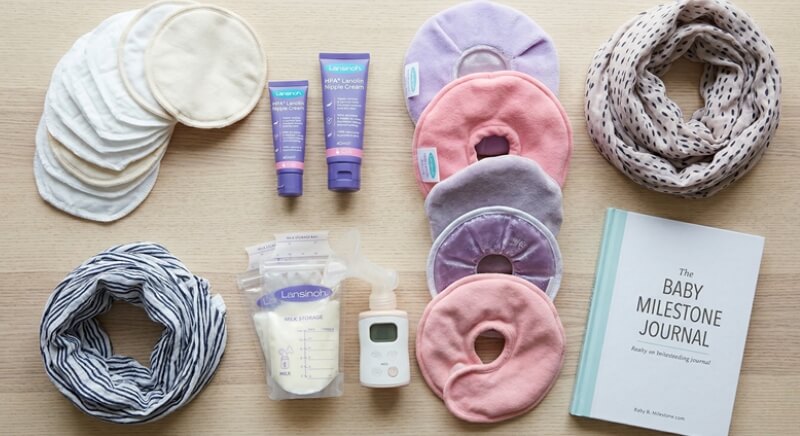
- Apply an over-the-counter breastfeeding ointment such as Lanolin if you suffer from sore cracked nipples. You don’t need to wipe such ointments off during feeding sessions. They aren’t toxic for the baby and don’t absorb into the breastmilk at all.
- Apply cold compresses to help sore nipples during breastfeeding. You can also consider using over-the-counter soothing packs to relieve breast pain.
- Let your nipples air out after feedings. It might seem a little strange, but breastmilk helps soothe and heal sore, cracked nipples. So, don’t wipe the milk off during the next feeding session and let them air-dry.
- If the pain and discomfort are constant, you can take over-the-counter (OTC) pain relievers. Since, you are breastfeeding, it is best to let your doctor prescribe you medicines, even the ones that are safe to have during normal days.
- Use breast compressions to help your baby to get milk more quickly. This reduces the time that the baby is latched on to the nipple, which often results in painful swelling. Squeeze the breast gently while the baby is feeding to help them get milk quicker.
We’re here to help you through the absolute chaos and confusion that is new motherhood, every step of the way. We make diapers that care for your baby and you. Teddyy Baby Diapers are the best diapers for sensitive skin. Our diapers are gentle on your baby’s skin, paraben and other harmful chemicals free, have cloth-like breathable sides and provide superior absorption that is three times as good. With Teddyy by your side, you have a diaper that understands both baby and momma.
When to See a Doctor for Breast Pain
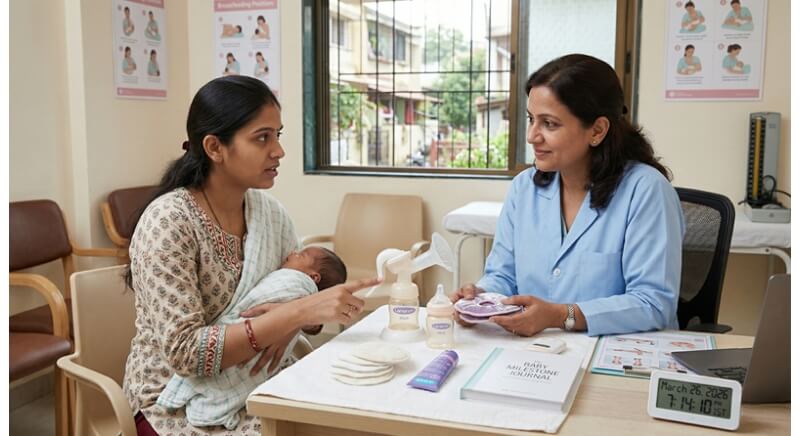
If sore nipples persist despite home remedies, or if you notice signs of infection like redness, swelling, or fever, consult a lactation consultant or your healthcare provider promptly. Persistent pain can sometimes indicate conditions like thrush or mastitis that require medical treatment.
For expert breastfeeding guidance, visit La Leche League International.
Home remedies that actually work for sore nipples
Most breastfeeding pain in the first weeks is fixable at home with simple, evidence-backed remedies:
- Express a few drops of breast milk after each feed and let it air-dry on the nipple — it has natural antibacterial and healing properties.
- Apply a thin layer of pure lanolin (medical-grade, no need to wash off before feeds) to soothe cracks.
- Cool gel pads between feeds reduce inflammation; warm compresses before feeds help with letdown.
- Saltwater rinse — ½ teaspoon salt in a cup of warm water, dab gently after feeds to keep cracks clean.
- Keep nipples dry between feeds — change breast pads often, and skip plastic-backed ones that trap moisture.
- Air time — even 10–15 minutes a few times a day helps nipples heal faster.
Avoid harsh soaps, alcohol-based wipes, or strongly scented creams — they strip skin and slow healing.
Latch problems are the #1 cause of sore nipples
If pain lasts beyond the first 30 seconds of a feed, or if you have cracked or bleeding nipples, latch is almost always the issue. Signs of a poor latch include:
- Nipple looks pinched, flattened, or lipstick-shaped after feeds
- Baby’s lips are tucked in instead of flanged out
- You hear clicking or smacking sounds during feeding
- Baby slips off the breast often or feeds for very long stretches without seeming satisfied
Quick fixes: bring baby chest-to-chest, wait for a wide-open mouth, and aim your nipple toward the roof of their mouth so they take in a big mouthful of areola. If self-correction doesn’t help in 1–2 days, see a lactation consultant — undiagnosed tongue-tie or lip-tie is more common than parents realise.
How to prevent breast pain before it starts
- Feed often in the early weeks — every 1.5 to 3 hours prevents engorgement and keeps milk flowing.
- Switch breastfeeding positions across the day so different parts of the breast drain.
- Don’t skip night feeds in the first 6 weeks — they protect milk supply and prevent painful fullness.
- Wear a well-fitted nursing bra — too tight causes clogged ducts; too loose offers no support.
- Empty the breast fully at each feed before switching sides; if baby falls asleep, hand-express to relieve fullness.
- Stay hydrated and eat regularly — exhaustion and dehydration make every breastfeeding problem worse.
When home remedies aren’t enough
Book an in-person lactation consultant visit if pain continues for more than a week despite latch corrections, if you have recurrent clogged ducts, or if you suspect thrush (burning pain after feeds, shiny pink nipples, or white patches in baby’s mouth). Thrush needs antifungal treatment for both you and the baby — home remedies alone won’t clear it.
References & Sources
- World Health Organization (WHO). Maternal and Newborn Health. who.int
- Indian Council of Medical Research (ICMR). National Guidelines for Maternal Care. icmr.gov.in
- American Academy of Pediatrics (AAP). Caring for Your Baby. aap.org
- Indian Academy of Pediatrics (IAP). Child Health Guidelines. iapindia.org
- National Library of Medicine. Diaper Dermatitis. pubmed.ncbi.nlm.nih.gov
- WHO/UNICEF. Immunization Schedule. who.int
You May Also Like


Frequently Asked Questions
What causes sore nipples during breastfeeding?
Sore nipples during breastfeeding are commonly caused by improper latch, breast engorgement, clogged milk ducts, mastitis (breast infection), or thrush. The most common cause is the baby not latching on correctly to the nipple and areola.
How do I relieve sore nipples while breastfeeding?
To relieve sore nipples, apply a breastfeeding ointment like lanolin, use cold compresses, let your nipples air-dry after feeds, and ensure your baby has a proper latch. You can also take OTC pain relievers if recommended by your doctor.
What is breast engorgement and how is it treated?
Breast engorgement occurs when your breasts overfill with milk, causing pain and swelling. It can be relieved by nursing or pumping frequently, applying warm compresses before feeds, and cold compresses after feeds to reduce swelling.
What are the signs of mastitis and how is it treated?
Mastitis causes redness, swelling, warmth, pain in one or both breasts, and may also cause fever and chills. It is usually treated with antibiotics prescribed by a doctor. Continuing to breastfeed or pump helps clear the infection.
When should I seek help for sore nipples during breastfeeding?
Seek help if sore nipples persist despite home remedies, if you notice signs of infection like redness, swelling, or fever, or if pain is severe. A lactation consultant or healthcare provider can diagnose conditions like thrush or mastitis.