
Umbilical Cord Care: Cleaning and Signs of Infection
By Teddyy Editorial Team | Last Updated: April 23, 2026

Umbilical cord care is one of the first things new parents need to learn after bringing their baby home. Proper umbilical cord care helps prevent infection and ensures the cord stump heals safely. Many first-time parents feel anxious about umbilical cord care, but with the right knowledge and gentle handling, the process is straightforward and worry-free.
What is an umbilical cord, you ask? The umbilical cord care is like a tiny lifeline that connected your baby to you during pregnancy. It’s how your little one received nutrients and oxygen in your womb. Isn’t that amazing?
When your baby is born, they don’t need the umbilical cord anymore. So, the doctors clamp and cut the umbilical cord right after childbirth, leaving behind an umbilical cord stump, which eventually shrivels and falls off by itself in 2-3 weeks.
Because the stump can be an easy place for infections, it’s important to care for it properly until it falls off.
Key Takeaways
- A consistent daily umbilical cord care routine is essential for healthy healing.
- One common mistake in umbilical cord care is pulling or tugging at the cord stump, even if it appears loose.
- For trusted medical guidance on umbilical cord care, consult these resources:
Essential Umbilical Cord Care Steps for Newborns
Taking care of your little one’s little stump is easier than you might think. It just requires more patience and attention. Here’s the scoop:
Hands off!
The first rule of umbilical cord care is don’t touch it too much. Keep those eager fingers away, and don’t try to pull it off, even if it looks like it’s hanging on by a skin.
Keep it dry
To avoid any infections and to help the cord fall off quicker, keep the cord and the area around it dry by exposing it to air.
Fold the diapers
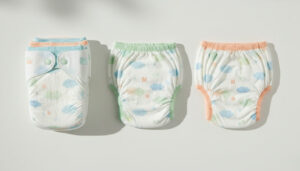
When diapering your baby, fold the diaper below the stump or use special newborn diapers with a cut-out space. Keeping this in mind, every newborn taped diaper from Teddyy Diapers is designed with a lowered waistband in the navel part to keep the stump unbothered and facilitate healing.
Sponge baths only
Skip the tub for a while and give your baby sponge baths instead. Keep the area around the stump clean and dry, be gentle, and never touch the cord itself.
Dress appropriately
Dress your baby in clothes that won’t irritate the cord area. Loose-fitting onesies are your best friends.
What Are the Signs of Infection During Umbilical Cord Care
Now we’re at the not-so-fun stuff: normal vs infected umbilical cord. While it’s uncommon, it’s essential to know the signs of an infected umbilical cord so that you’re prepared for anything:
- Foul odor: If you notice an unpleasant smell coming from the cord, it might be infected.
- Redness and swelling: Some redness around the cord is normal, but if it becomes increasingly red, swollen, or oozy, it’s time to call the doctor.
- Fever: If your baby spikes a fever or becomes unusually fussy, it could be a sign of infection.
- Yellow or green discharge: Clear or slightly yellow discharge is okay, but green or pus-like discharge needs to be discussed with your baby’s paediatrician.
When Should I Call My Baby’s Paediatrician
It’s better to be safe than sorry. If you notice any of the signs mentioned above, it’s time to ring up your baby’s paediatrician. They’ll be your go-to for expert advice and peace of mind.
But, you don’t have to wait for signs of infection to connect with your paediatrician. If you ever have questions or concerns about your baby’s umbilical cord, or anything else, really, don’t hesitate to call. They’re there to support you through this incredible journey of parenthood.
In a nutshell, caring for your baby’s umbilical cord is a piece of cake – just keep it clean, dry, and give it some space. See you in another blog!
Daily Umbilical Cord Care Routine
A consistent daily umbilical cord care routine is essential for healthy healing. During each diaper change, gently clean the area around the cord stump with a cotton ball dampened with warm water. Proper umbilical cord care means keeping the area dry and exposed to air as much as possible. Fold your baby’s diaper below the cord stump to prevent irritation and moisture buildup.
Most pediatricians recommend dry umbilical cord care, which means avoiding alcohol swabs or antiseptic solutions unless specifically advised. Umbilical cord care also involves dressing your baby in loose-fitting clothes that do not press against the stump. The cord typically falls off within one to three weeks with proper umbilical cord care.
Common Mistakes to Avoid in Umbilical Cord Care
One common mistake in umbilical cord care is pulling or tugging at the cord stump, even if it appears loose. Let it fall off naturally as part of your umbilical cord care routine. Another frequent error is submerging the baby in bath water before the cord detaches. Stick to sponge baths as part of your umbilical cord care protocol until the stump falls off completely and the area heals.
Expert Resources on Umbilical Cord Care
For trusted medical guidance on umbilical cord care, consult these resources:
- American Academy of Pediatrics – Newborn Care
- World Health Organization – Newborn Health
- HealthyChildren.org – Umbilical Cord Care
Related Articles
How Long Does the Cord Stump Take to Fall Off
Most umbilical cord stumps dry out and fall off naturally between 7 and 21 days after birth. The stump first turns from yellow-green to brown-black, then shrivels and detaches on its own. Never pull or tug at it — even if it looks like it is hanging by a thread. Pulling can cause bleeding, scar tissue, and increase infection risk. If the stump has not fallen by day 21, mention it to your pediatrician at the next check-up.
Step-by-Step Daily Cleaning Method
Wash your hands thoroughly with soap before touching the area. Use a clean, soft cotton ball or gauze dipped in plain warm water — no alcohol, no antiseptics, no powder unless your doctor specifically advises. Gently wipe the base of the cord where it meets the skin to remove any crust. Pat dry with a clean cotton cloth. Repeat after every diaper change or when the area looks soiled. Keep the diaper folded below the cord stump so it stays dry and exposed to air.
Common Mistakes Parents Should Avoid
Avoid covering the stump with a tight nappy band, applying surma or kajal around the navel, dusting with talcum powder, or using oil and ghee — these are old practices that trap moisture and bacteria. Skip antibiotic ointments unless prescribed. Do not give tub baths until the stump falls off and the area heals completely; sponge baths are safer. Avoid swaddling so tightly that the cord area stays warm and damp.
What a Normal Healing Process Looks Like
Some sticky yellow discharge, a tiny drop of blood when the stump finally falls off, and a slight musty smell are all normal during healing. The skin around the navel may look slightly red just as the stump drops. After it falls, you may see a small raw spot — keep it clean and dry, and it heals within 5-10 more days. Once healed, the navel may look slightly swollen for a few weeks; an umbilical hernia is common and usually resolves by age 1-4 without treatment.
Warning Signs of Infection (Omphalitis)
Call your pediatrician immediately if you see spreading redness around the navel, swelling, foul-smelling pus or thick yellow-green discharge, active bleeding that does not stop with gentle pressure, fever above 100.4°F, your baby seems unusually sleepy, refuses feeds, or cries when the area is touched. Omphalitis is rare but progresses fast in newborns and can become life-threatening within hours, so never wait it out.
Choosing the Right Diaper During Cord Healing
Special newborn diapers with a U-shaped cord cut-out are ideal during the first few weeks because they keep the stump exposed to air and prevent friction. If you use regular newborn diapers, fold the front waistband down below the navel before fastening. Choose ultra-soft, breathable diapers and change them every 2-3 hours to keep the area dry. Avoid waterproof covers and tight clothing until the stump falls and the navel heals.
References & Sources
- World Health Organization (WHO). Maternal and Newborn Health. who.int
- Indian Council of Medical Research (ICMR). National Guidelines for Maternal Care. icmr.gov.in
- American Academy of Pediatrics (AAP). Caring for Your Baby. aap.org
- Indian Academy of Pediatrics (IAP). Child Health Guidelines. iapindia.org
- National Library of Medicine. Diaper Dermatitis. pubmed.ncbi.nlm.nih.gov
You May Also Like



Frequently Asked Questions
How do I know if my baby's umbilical cord is infected?
You can spot signs of an infected umbilical cord by looking out for the following symptoms:
- An unpleasant smell from the cord
- Yellow-greenish pus oozing from the skin around the cord
- Red, swollen, tender skin around the cord
- Fever
- Baby’s unexplained fussiness
What does an unhealthy umbilical cord look like?
An unhealthy umbilical cord might have:
- Excessive redness around the base of the cord stump
- Area around the stump being increasingly swollen or puffy
- Yellow, green, or bloody discharge from or around the cord
Foul or unpleasant smell
Is umbilical cord infection normal?
No, umbilical cord infection is not considered normal. While it’s not uncommon for the cord stump area to show some degree of redness and mild discharge during the healing process, a true infection is not a typical part of newborn care. If you think your baby’s umbilical cord has gotten infected, visit a doctor immediately.
What does a healing umbilical cord look like?
A healing umbilical cord typically goes through several stages:
- Initial stage: Right after birth, the cord stump is often bluish or purplish in color. It may appear moist and may have a small amount of clear or slightly bloody discharge.
- Drying out: Over the course of 2 to 3 weeks, the stump gradually dries out and changes to a brown or black color.
- Shrinking: As the cord stump dries, it shrinks and may become hard or crusty.
- Falling off: Eventually, the cord stump will naturally fall off, leaving behind a small, healed belly button.