
Benefits of Drinking Coffee While Pregnant: Safety, Risks for Expecting Mothers
By Teddyy Editorial Team | Last Updated: April 23, 2026

Key Takeaways
- Pregnancy is a time of incredible change, bringing both joy and a heightened awareness of every choice you make.
- The short answer is yes, but in moderation.
- Maternal caffeine consumption is an important consideration during pregnancy, as it can influence pregnancy outcomes and fetal development.
- If consumed within the recommended limit, coffee in pregnancy may offer some benefits:.
- While moderate consumption is safe, excessive consumption of caffeine during pregnancy can pose potential risks.
Coffee During Pregnancy: Safety, Benefits, and Risks for Expecting Mothers
Drinking coffee while pregnant is a topic that sparks plenty of debate among expecting mothers and healthcare professionals alike.
Pregnancy is a time of incredible change, bringing both joy and a heightened awareness of every choice you make. Maintaining a healthy diet during pregnancy is essential for optimal fetal development and maternal health. From nutrition to lifestyle, every decision feels more important than ever, especially when it comes to caffeine consumption. If coffee is a staple in your daily routine, you may find yourself wondering whether it is safe to continue drinking it during pregnancy. How much is too much? Should you avoid it altogether? Understanding the potential risks and benefits can help you make the best decision for both you and your baby.
Is It Safe To Drink Coffee During Pregnancy
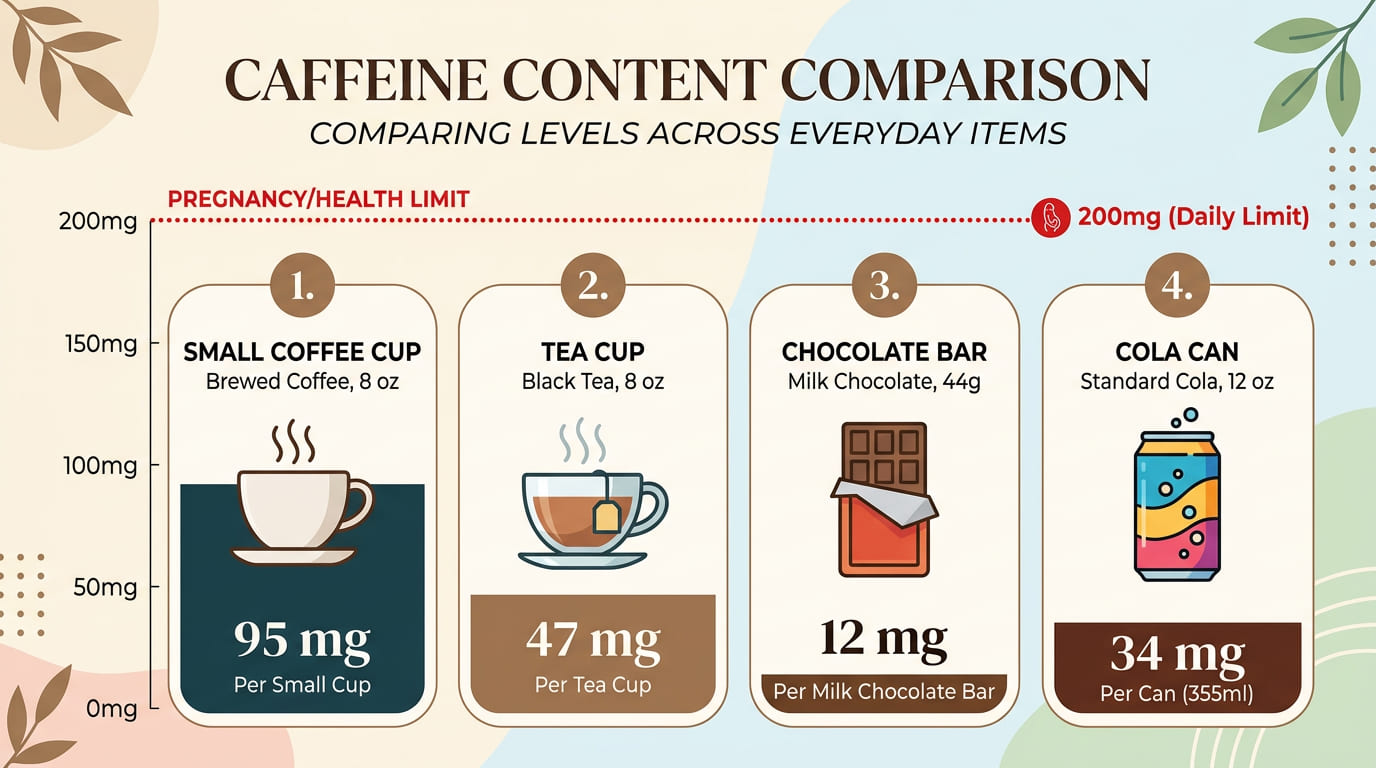
The short answer is yes, but in moderation. Health experts, including the NHS, suggest that pregnant women can drink coffee but should limit their caffeine intake to 200mg per day—which is about the amount found in one cup of brewed coffee. This guideline helps to reduce potential risks associated with excessive caffeine consumption.
Caffeine crosses the placenta, and since a baby’s metabolism is still developing, it takes longer for them to process it. This is why expecting mothers need to be mindful of their caffeine intake, whether from coffee, tea, fizzy drinks, or chocolate. Common caffeine sources include coffee, tea, chocolate, energy drinks, and some sodas.
If you are asking yourself, “Pregnant, can I drink coffee?” the key is to enjoy it in moderation while keeping an eye on your total daily caffeine consumption from all sources. How much caffeine is safe? Experts recommend not exceeding 200mg per day during pregnancy.
How Does Coffee Affect Pregnancy
Maternal caffeine consumption is an important consideration during pregnancy, as it can influence pregnancy outcomes and fetal development.
While coffee during pregnancy can be safe when consumed within limits, it does affect the body in several ways:
- Increased Heart Rate and Blood Pressure – Caffeine is a stimulant, which means it can temporarily raise your heart rate and blood pressure. Pregnant women who experience palpitations or high blood pressure may need to be extra cautious.
- Disrupts Sleep Patterns – Many expectant mothers already struggle with sleep disturbances due to hormonal changes, discomfort, or increased nighttime trips to the bathroom. Since caffeine can stay in the system for hours, drinking coffee late in the day might worsen sleep quality.
- Impact on Iron Absorption – Caffeine can interfere with iron absorption, which is crucial during pregnancy. This can be a concern, especially for women who are at risk of anaemia.
- Diuretic Effect – Coffee has a mild diuretic effect, which can increase urination and potentially contribute to dehydration if fluid intake isn’t balanced.
Caffeine crosses the placenta, and the developing baby’s ability to metabolize caffeine is limited. During pregnancy, caffeine metabolism slows down significantly due to hormonal changes, leading to a longer half-life of caffeine in the body and increased exposure for the fetus.
Overall, caffeine’s effects on the body during pregnancy highlight the importance of monitoring intake to support both maternal and fetal health.
What Are the Benefits of Coffee In Moderation During Pregnancy
If consumed within the recommended limit, coffee in pregnancy may offer some benefits:
- Boosts Alertness and Reduces Fatigue – Pregnancy can be exhausting, and for many women, a small cup of coffee helps improve focus and combat fatigue.
- Mood Enhancement – The comforting ritual of enjoying a warm cup of coffee can help lift the mood, particularly on days when pregnancy feels overwhelming. Moderate coffee consumption may also support maternal mental health by promoting emotional well-being.
- May Reduce the Risk of Gestational Diabetes – A study suggests that small amounts of caffeine may lower the risk of gestational diabetes, though more research is needed.
So, if you love your morning coffee and wonder, “Can pregnant women drink coffee?”, you can still enjoy it in moderation without guilt. Drinking coffee daily in moderate amounts is generally considered safe for most pregnant women, but it is important to stay within recommended limits.
What Are the Risks Of Excessive Coffee Consumption While Pregnant
While moderate consumption is safe, excessive consumption of caffeine during pregnancy can pose potential risks. Some concerns include:
- Increased Risk of Low Birth Weight – Studies suggest that high intake of caffeine is negatively correlated with mean birth weight, as caffeine can restrict blood flow to the placenta and impact fetal development.
- Higher Risk of Miscarriage – Some research has associated excessive caffeine intake (over 300mg per day) with a slightly higher risk of miscarriage. Because of this uncertainty, it’s safer to limit daily intake of caffeine during pregnancy as a precaution.
- Increased Acid Reflux and Digestive Issues – Many pregnant women experience acid reflux due to hormonal changes and pressure on the stomach. Coffee is acidic and may worsen this condition, causing discomfort.
- Bladder Sensitivity – As pregnancy progresses, bladder control can become more challenging due to increased pressure from the growing baby. Since caffeine is a diuretic, it can worsen urinary urgency. In cases where frequent urination or mild leaks become an issue, some expecting mothers opt for additional support to stay comfortable and dry throughout the day.
Excessive caffeine intake has also been associated with an increased risk of premature birth and birth defects, including neural tube defects and cardiac anomalies, as observed in several cohort studies.
Research has shown statistically significant associations between maternal coffee intake and adverse pregnancy outcomes in both clinical trial and cohort study settings. More caffeine or higher daily consumption of caffeinated beverages, especially coffee drinking, is linked to increased risks of low birth weight, fetal growth restriction, and other complications.
The effects of caffeine on fetal development can vary depending on gestational age and gestational weeks, with particular vulnerability during early pregnancy and the third trimester. Studies tracking infants born to mothers with high caffeine intake have observed lower mean birth weight and developmental concerns.
Caffeine can cross the placenta and enter the amniotic fluid, potentially impacting fetal development and neurodevelopmental outcomes. Therefore, it is important to limit the intake of caffeinated beverages, including coffee drinking, during pregnancy.
When examining the effects of caffeine, researchers often adjust for confounding factors such as maternal age, BMI, lifestyle habits, and alcohol consumption to isolate the true impact of caffeine on pregnancy outcomes.
A recent clinical trial investigated the impact of caffeine on pregnancy outcomes and found that high intake was associated with a higher risk of adverse effects, emphasizing the importance of moderation.
If you find yourself consuming too much coffee during pregnancy, consider cutting back gradually to avoid withdrawal symptoms such as headaches and irritability.
What Are Common Drinks And Caffeine Content
When it comes to caffeine consumption during pregnancy, it’s not just about your morning cup of coffee. Caffeine is present in a wide range of beverages and foods, making it essential for pregnant women to be mindful of their total caffeine intake from all sources. Understanding the caffeine content in common drinks can help you make informed choices and ensure a healthy pregnancy outcome.
Here’s a quick guide to the approximate caffeine content in some popular drinks and foods:
- Brewed coffee (8 oz): 95-200 mg
- Espresso (1 shot): 60-75 mg
- Instant coffee (8 oz): 25-100 mg
- Tea (8 oz): 25-40 mg
- Green tea (8 oz): 25-30 mg
- Energy drinks (8 oz): 80-120 mg
- Soft drinks (12 oz): 30-40 mg
- Chocolate (1 oz): 6-12 mg
Since caffeine content can vary widely depending on the brand and preparation method, it’s important for expectant mothers to check labels and be aware of their daily caffeine intake. Health organizations such as the American College of Obstetricians and Gynecologists (ACOG) and the FDA recommend that pregnant women limit their caffeine intake to 200 mg or less per day—roughly the amount in one 12-ounce cup of coffee.
Research shows that excessive caffeine consumption during pregnancy is linked to an increased risk of low birth weight, preterm birth, and fetal growth restriction. For example, the Norwegian Mother and Child Cohort Study found that high maternal caffeine intake was associated with a higher risk of low birth weight and fetal growth restriction, while moderate caffeine intake did not show significant differences in adverse pregnancy outcomes. Similarly, a randomized controlled trial published in BMJ demonstrated that reducing caffeine intake during pregnancy lowered the risk of low birth weight and preterm birth.
It’s also important to remember that energy drinks and soft drinks can contribute significantly to your daily caffeine intake, sometimes without you realizing it. Even green tea and chocolate, though they contain less caffeine than coffee, can add up if consumed frequently.
If you are sensitive to caffeine or have a history of pregnancy complications such as gestational diabetes or hypertension, your healthcare provider may recommend limiting your caffeine intake even further. Every pregnant woman is different, so personalized advice is key to ensuring the best pregnancy outcomes.
By staying informed about the caffeine content in common drinks and foods, and by keeping your daily caffeine intake within recommended limits, you can enjoy your favorite beverages while supporting your baby’s health and development. If you have any concerns about caffeine consumption during pregnancy, don’t hesitate to consult your healthcare provider for guidance tailored to your needs.
Healthy Alternatives To Coffee For Pregnant Women
If you are looking for alternatives to coffee in pregnancy, here are some safe and healthy options:
- Decaffeinated Coffee – This allows you to enjoy the taste and comfort of coffee without excessive caffeine.
- Herbal Teas – Options like ginger, chamomile, and peppermint tea can provide relaxation and digestive benefits without caffeine.
- Warm Milk or Golden Milk – A glass of warm milk, or turmeric-infused golden milk, is a soothing and nutritious alternative.
- Fruit-Infused Water – Hydration is essential during pregnancy, and fruit-infused water can provide a refreshing boost.
- Smoothies – Packed with vitamins and nutrients, smoothies can provide an energy lift without the need for caffeine.
If you are thinking, “Pregnant, can I drink coffee every day?”, the answer is yes, but within the recommended limits. However, exploring these alternatives can help reduce reliance on caffeine while keeping you energised and hydrated.
Conclusion
Pregnant women can drink coffee, but it is essential to be mindful of caffeine intake and balance it with a healthy lifestyle. Moderation is key, and if you enjoy coffee in pregnancy, you can still have it while ensuring you do not exceed the recommended limit. For those experiencing bladder sensitivity, especially in the later stages of pregnancy, it may be helpful to consider additional measures for comfort and hygiene. Ultimately, whether you can drink coffee in pregnancy depends on your body’s response, your overall health, and how it makes you feel. If in doubt, always consult your healthcare provider for personalised advice.
References & Sources
You May Also Like




Frequently Asked Questions
Can I Drink Coffee When Pregnant?
Yes, you can drink coffee while pregnant, but it should be in moderation. Health experts recommend limiting caffeine intake to 200mg per day, which is about one cup of coffee.
Can I Drink Coffee While Trying to Get Pregnant?
Yes, moderate coffee consumption is generally safe when trying to conceive. However, excessive caffeine intake may affect fertility in some women, so it’s best to keep it within recommended limits.
Is Nescafé Good for a Pregnant Woman?
Instant coffee like Nescafé is safe in pregnancy if consumed in moderation. However, it still contains caffeine, so make sure your total daily intake does not exceed 200mg.
When Should You Stop Drinking Coffee When Pregnant?
You don’t have to completely stop drinking coffee, but it’s best to reduce intake during the first trimester when the risk of complications is higher. If coffee makes you feel uneasy or affects your sleep, consider cutting back or switching to decaf.
Why Is Coffee Not Good for Pregnancy?
Excessive coffee consumption may lead to increased heart rate, dehydration, poor iron absorption, and low birth weight in babies. It’s important to limit caffeine intake to avoid these risks.
Why Is Coffee Not Good for Pregnancy in the First Trimester?
The first trimester is crucial for fetal development, and high caffeine intake has been linked to an increased risk of miscarriage. Since caffeine also affects iron absorption and may worsen nausea, many experts suggest reducing coffee intake during this time.