
Papaya in Pregnancy : Is Papaya Good for Pregnancy
By Teddyy Editorial Team | Last Updated: April 23, 2026
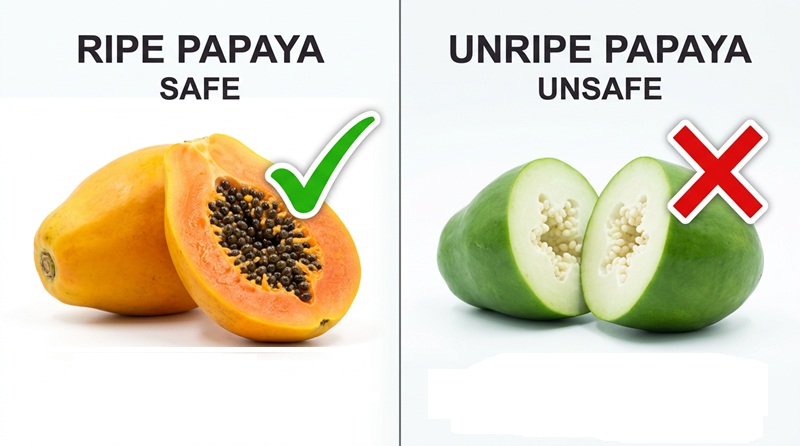
The topic of papaya in pregnancy generates a lot of confusion among expecting mothers. Is papaya in pregnancy safe or should it be avoided completely? The answer depends on the type and ripeness of the papaya. This comprehensive guide explains everything you need to know about eating papaya in pregnancy, including which varieties are safe and which ones to avoid.
Understanding whether papaya in pregnancy is safe is one of the most common concerns expecting mothers have about their diet.
“Don’t eat papaya during pregnancy!” “Papaya during pregnancy? Oh my God! That’s not safe at all!”
Is the mummy-to-be tired of hearing these things while craving papayas? Wondering if papaya is good during pregnancy? Well, let’s separate fact from fiction and give you the lowdown on enjoying your papayas while expecting.
Key Takeaways
- If you are unsure about consuming papaya in pregnancy, always consult your doctor or nutritionist.
- For evidence-based dietary guidance during pregnancy, visit: American College of Obstetricians and Gynecologists (ACOG), World Health Organization – Maternal Health, and HealthyChildren.
Can Pregnant Women Eat Papaya
Absolutely! Ripe papaya in pregnancy isn’t just a delicious fruit; it’s a nutritional ally. Brimming with essential vitamins, particularly vitamins C and A, and dietary fibre, it supports immune health, aids digestion, and contributes to overall well-being. The natural sugars in ripe papaya provide a sweet energy boost, making it a delightful and healthy addition to your pregnancy diet. Remember, moderation is the key to relishing this fruity goodness while ensuring a safe and joyful pregnancy journey.
Should I Avoid Papaya While Pregnant
No! You don’t have to avoid papaya in pregnancy completely. The cautionary note is about avoiding unripe papaya, which contains latex that could potentially induce contractions. However, the ripe version is not just safe but also filled with numerous health benefits.
Also read: Understanding Your Pregnancy Cravings.
What Are the Benefits of Papaya for Pregnant Women
Also read: White Discharge During Pregnancy: Is It Normal?.
Here’s why indulging in this sweet delight is not just a treat for your taste buds but also a nutritional necessity.
- Rich in Vitamins: Packed with vitamin C, papaya boosts your immune system, keeping common pregnancy ailments at bay. Vitamin A promotes healthy fetal development, aiding in the formation of vision, skin, and organs.
- Digestive Delight: Papaya’s enzymes, papain and chymopapain, act as natural digestive aids, alleviating common pregnancy-induced digestive issues. Say goodbye to digestive troubles and embrace a happy tummy!
- Fibre for Regularity: Pregnancy often brings along constipation, but fear not! The fibre content in papaya promotes regular bowel movements, easing discomfort and ensuring a smoother digestive journey.
- Hydration Hero: With its high water content, papaya helps combat dehydration – a common concern during pregnancy. Stay refreshed and support amniotic fluid levels byeating papaya during pregnancy!
- Natural Energy Boost: Feeling fatigued? Don’t worry; it’s a natural symptom during pregnancy. Papaya’s natural sugars provide an energy boost without the need for caffeine. Keep those energy slumps at bay and enjoy the sweetness of a well-nourished pregnancy.
What is the effect of papaya in pregnancy
Papaya in pregnancy offers a mixed bag of effects.
While ripe papaya is generally safe and beneficial, unripe papaya can pose risks due to its latex content, potentially triggering contractions. Ripe papaya boasts digestive enzymes and essential nutrients, aiding digestion and supporting maternal health.
However, moderation is key. So, you can have a small bowl of ripe papaya. Just ensure that eating papaya during pregnancy does not cause you digestive discomfort.
Besides, thiamethoxam, a common insecticide used in papaya cultivation, may lead to complications in pregnancy. So, ensure that you wash the papaya thoroughly before consuming it.
The Real Difference: Ripe vs Unripe Papaya
Ripe papaya — the bright orange, soft fruit you scoop with a spoon — is generally considered safe in moderate amounts during pregnancy. Unripe or semi-ripe papaya (green skin, firm white flesh) contains high levels of latex and an enzyme called papain, both of which can trigger uterine contractions, cause prostaglandin release, and increase miscarriage risk, especially in the first and second trimesters. The simple rule: deep orange and fully soft = safer; green, firm, or partially yellow = avoid completely.
Nutritional Benefits of Ripe Papaya for Mom and Baby
A 100g serving of ripe papaya gives you nearly 60mg of vitamin C (more than an orange), 950 IU of vitamin A, folate (essential for the baby’s neural tube), potassium for blood pressure regulation, and dietary fibre to ease pregnancy constipation. Its high water content also keeps you hydrated and reduces swelling. Papaya enzymes (in ripe form, in safe quantity) help digestion when nausea or bloating make heavier meals difficult.
How Much Ripe Papaya Is Safe Per Day
Most obstetricians suggest no more than half a small bowl (about 100-150g) of fully ripe papaya, two to three times a week, after the first trimester. In the first trimester, when miscarriage risk is naturally higher, many doctors advise skipping papaya altogether to be safe. Always wash, peel, and seed the fruit yourself — never eat papaya from juice stalls, where ripeness and hygiene cannot be verified. If you have a history of miscarriage, premature labour, or sensitive uterus, avoid papaya for the entire pregnancy.
Warning Signs After Eating Papaya
If you experience any spotting, lower abdominal cramping, sudden contractions, watery discharge, or unusual back pain after eating papaya, stop consumption immediately and contact your obstetrician. While these reactions are uncommon with ripe fruit in small portions, every pregnancy is different and uterine sensitivity varies. Latex allergy can also cause itching, throat tightness, or hives — get medical care promptly if these appear.
Safer Indian Fruit Alternatives in Pregnancy
If you crave papaya but feel uncertain, switch to safer pregnancy-friendly fruits with similar nutrient profiles: ripe mango (in moderation), guava, oranges, sweet lime, pomegranate, watermelon, muskmelon, banana, and apple. These offer vitamin C, fibre, folate, and natural sweetness without the uterine-stimulating concerns. Pair fruit with a small portion of nuts or curd to stabilise blood sugar and improve absorption of fat-soluble vitamins.
Common Myths About Papaya in Pregnancy
“All papaya causes miscarriage” — false. Only unripe and semi-ripe papaya carry significant risk; small amounts of fully ripe fruit are generally safe in the second and third trimesters. “Papaya leaf juice is fine because it is not the fruit” — also false. Papaya leaves contain high alkaloids and should be avoided unless prescribed for medical conditions like dengue under doctor supervision. “If grandma ate it and had healthy babies, it must be safe” — anecdote is not evidence; modern guidelines exist for a reason.
Conclusion
In a nutshell, papaya in pregnancy is not a complete no! You just need to ensure that the papaya is ripe and washed thoroughly before consuming it during pregnancy. Ripe papaya promotes immune health, aiding digestion and offering a natural energy boost. Remember to eat not more than a small bowl of ripe papaya and stay away from unripe papayas. Also, if you are someone who loves papayas and this moderation is slightly irking you, hold on a little longer! Papayas are an excellent source of vitamins for lactating mothers! So, as much papaya as you feel like eating after childbirth.
We hope you found your answer to “Can pregnant women eat papaya?” now! Savour the sweetness, embrace the goodness, and relish this fruity chapter of your pregnancy!
Just as you’ve chosen the right papaya in pregnancy, opt for Teddyy diapers for your newborn post-childbirth. And you’re all set for a softer, rash-free journey for your little munchkin once they’re here with you!
If you are unsure about consuming papaya in pregnancy, always consult your doctor or nutritionist. They can provide personalized advice based on your trimester and health condition. Being informed about papaya in pregnancy helps you make safer dietary choices for both you and your baby.
Expert Resources on Diet During Pregnancy
For evidence-based dietary guidance during pregnancy, visit: American College of Obstetricians and Gynecologists (ACOG), World Health Organization – Maternal Health, and HealthyChildren.org – Prenatal Care.
References & Sources
- World Health Organization (WHO). Maternal and Newborn Health. who.int
- Indian Council of Medical Research (ICMR). National Guidelines for Maternal Care. icmr.gov.in
- American Academy of Pediatrics (AAP). Caring for Your Baby. aap.org
- Indian Academy of Pediatrics (IAP). Child Health Guidelines. iapindia.org
- National Library of Medicine. Diaper Dermatitis. pubmed.ncbi.nlm.nih.gov
- National Institute of Nutrition (NIN). Dietary Guidelines for Indians. nin.res.in
You May Also Like




Frequently Asked Questions
Is it safe to eat papaya during pregnancy?
Yes, it is safe to eat papaya while pregnant, but in moderation. Avoid unripe papaya, as it contains papaya latex, which may trigger contractions.
Which fruits are best for pregnancy
Best fruits for pregnancy include oranges, berries, and bananas, which are rich in vitamins, fibre, and antioxidants, promoting a healthy pregnancy.
Can a pregnant woman eat pineapple?
Yes, a pregnant woman can eat pineapple in moderation. It’s a good source of vitamins and minerals, but excessive consumption may cause digestive discomfort.
Is papaya enzyme safe during pregnancy?
Papaya enzyme supplements are generally considered safe during pregnancy in recommended doses. Consult your healthcare provider for personalised advice.
Which foods to avoid during pregnancy?
Avoid raw or undercooked seafood, high-mercury fish, unpasteurised dairy, ready-to-eat meats, and excess caffeine during pregnancy. Consult your doctor for specific dietary guidelines.