Filter by Month
By Nobel Hygiene Team | Last Updated: April 25, 2026

2nd Month Pregnancy: Morning Sickness, Baby Growth & Care
The first month flew by faster than you thought, right? But that just means you aced it!
Welcome to the second month of your pregnancy—a breakthrough time for you and your baby. Month 1 laid the groundwork, but month 2 might feel more real! You may begin noticing clearer changes like nausea, fatigue, emotional swings, even early cravings.
Your body is working overtime, building vital organs and preparing for more visible growth. In this guide, we’ll walk you through 2nd month pregnancy symptoms , baby growth in the second month, and key steps for early pregnancy care.
2nd Month of Pregnancy Symptoms
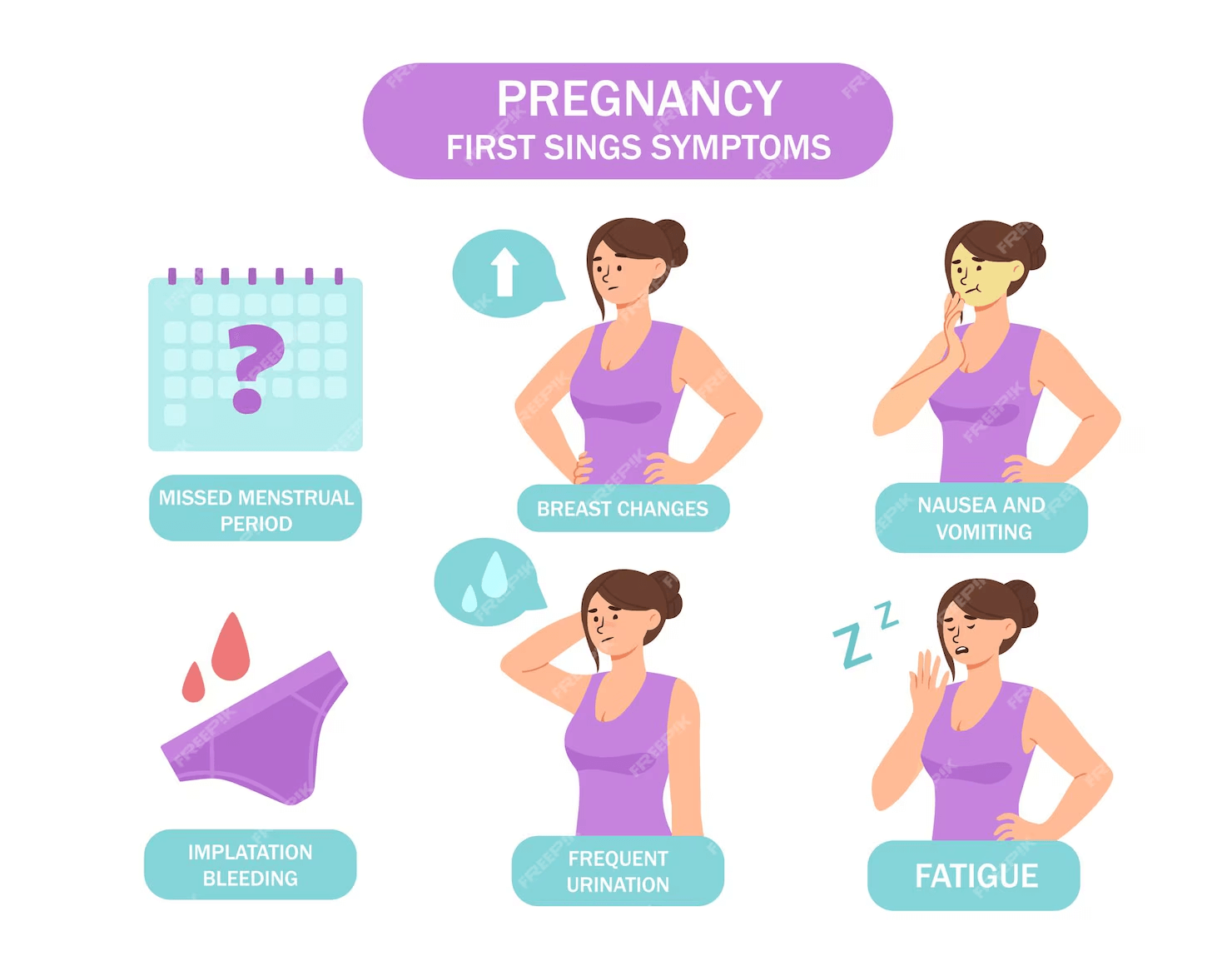
Many moms experience a mix of physical and emotional shifts that make month 2 feel like a rollercoaster:
- Morning Sickness: Nausea and vomiting (at any time of day) often intensify during this stage.
- Food Aversions & Cravings: Strong dislike for some smells or foods, while craving others.
- Mood Swings: Hormones plus physical changes bring irritability or emotional shifts.
- Bloating & Constipation: Slower digestion may cause gas, bloating, or trouble with bowel movements.
- Tender, Swollen Breasts: Ongoing changes in breast tissue prepare for milk ducts.
- Increased Urination: Growing uterus puts pressure on your bladder.
- Fatigue: Feeling sleepy is still very common.
When to Visit Your Doctor
If you have severe pain, heavy bleeding, weight loss, or can’t keep fluids down please visit your doctor right away.
Morning Sickness: Causes and Relief
Morning sickness is one of the most talked-about symptoms of early pregnancy, and the second month is often when it hits hardest. Despite its name, nausea can strike at any time of the day or night.
Why Does It Happen?
The rapid rise in hCG (human chorionic gonadotropin) and estrogen levels is believed to be the primary trigger. Your heightened sense of smell also plays a role, as odours that never bothered you before may suddenly feel overwhelming. Some researchers believe morning sickness is actually a protective mechanism that keeps you away from potentially harmful foods during the most vulnerable stage of fetal development.
How to Manage Nausea
Eat small, frequent meals throughout the day rather than three large ones. Keeping plain crackers or dry toast by your bedside and nibbling before you get up can help settle your stomach in the morning. Ginger tea, ginger biscuits, and even ginger-flavoured candy have been shown to reduce nausea. Stay hydrated by sipping water, clear broths, or electrolyte drinks throughout the day. Avoid greasy, spicy, or strong-smelling foods that trigger your nausea.
When to Seek Help
For most women, morning sickness is unpleasant but manageable and typically eases by weeks 12 to 14. However, if you are vomiting multiple times a day, unable to keep any food or fluids down, losing weight, or feeling dizzy and dehydrated, contact your doctor. A severe form called hyperemesis gravidarum affects about 1 to 3 percent of pregnancies and may require medical treatment including intravenous fluids.
What’s Happening in Your Body
During month 2, your body is going through a unique transformation to support your growing baby:
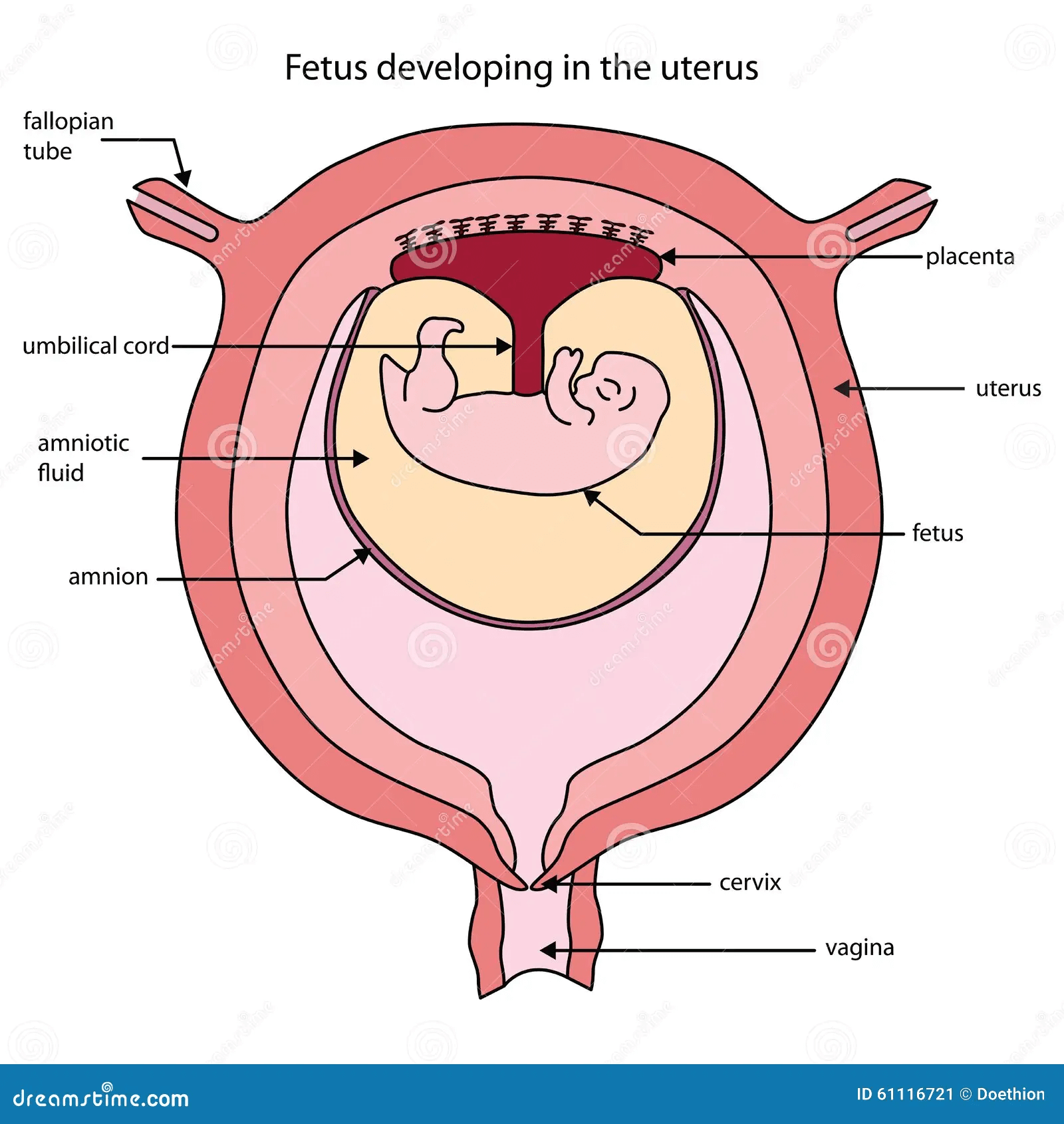
- Uterus Grows: The uterus expands to make space for your baby to grow, creating pressure on the surrounding organs.
- Placenta Function Begins: Your body starts building the placenta and nutrient pathways.
- Blood Supply Increases: Blood volume increases to support the rapidly developing embryo.
- Possible Visible Signs: A light belly “pooch” might appear, and you may also notice skin changes (pregnancy glow or mild acne) or an increase in vaginal discharge.
- Hormones Surge: hCG continues rising as progesterone and estrogen regulate uterine growth.
When Will You Start Showing?
At two months pregnant, most women do not have a visible baby bump yet. Your uterus is still tucked behind your pelvic bone and is roughly the size of an orange. However, many women notice changes in how their clothes fit even at this early stage.
Bloating vs Baby Bump
The slight fullness you may feel around your lower abdomen is usually caused by bloating rather than actual uterine growth. Progesterone slows your digestion, which leads to gas and water retention. This bloating can fluctuate throughout the day and may be more noticeable after meals. It is completely normal and not a cause for concern.
Breast Changes You May Notice
While your belly may not be showing, your breasts are likely changing noticeably. They may feel fuller, heavier, and more tender than usual. The areolas often darken and increase in size as your body prepares for breastfeeding. Wearing a supportive and comfortable bra can help manage discomfort during this time.
Every pregnancy is different. First-time mothers typically start showing later (around 12 to 16 weeks) compared to women in subsequent pregnancies, where abdominal muscles are more relaxed from previous stretching.
How Your Baby is Growing
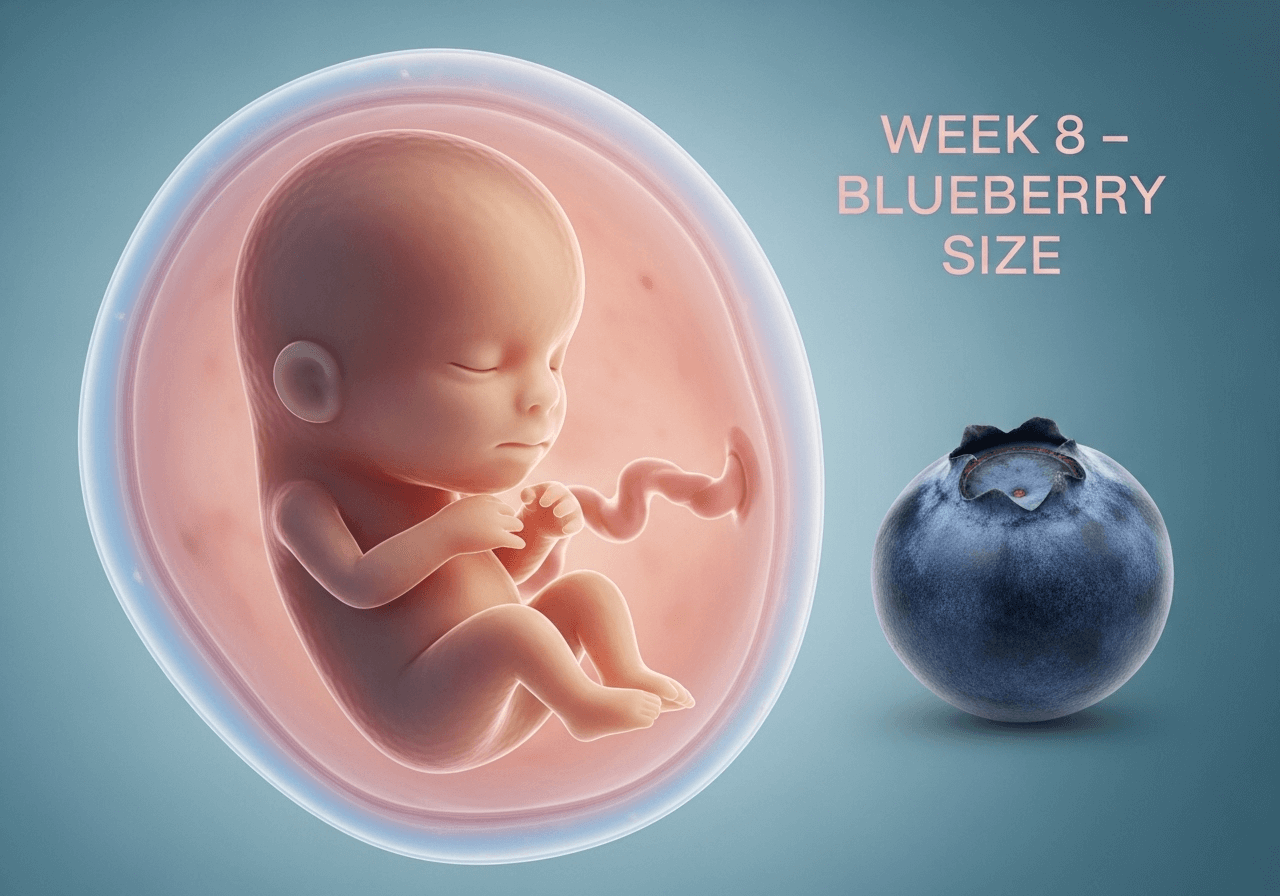
Your little one is now officially an embryo, and their growth is astonishing!
Size Comparison
- About 6–8 mm—roughly the size of a blueberry by the end of the second month.
Development Milestones
- Heartbeat starts and blood cells develop.
- Major organs like the brain, spinal cord, liver, kidneys start to form.
- Limb buds appear—early arms and legs begin taking shape.
- Eyes, ears, and nose areas start to form.
- Neural pathways continue building.
Nutrition & Self-Care
Since your baby is going through a crucial development stage, you can support your body now with focused nutrition and self-care.
Prenatal Vitamins
- Folic acid (continue 400 mcg/day)
- Iron
- Calcium & vitamin D (sunlight exposure is a must)
- Omega-3 DHA
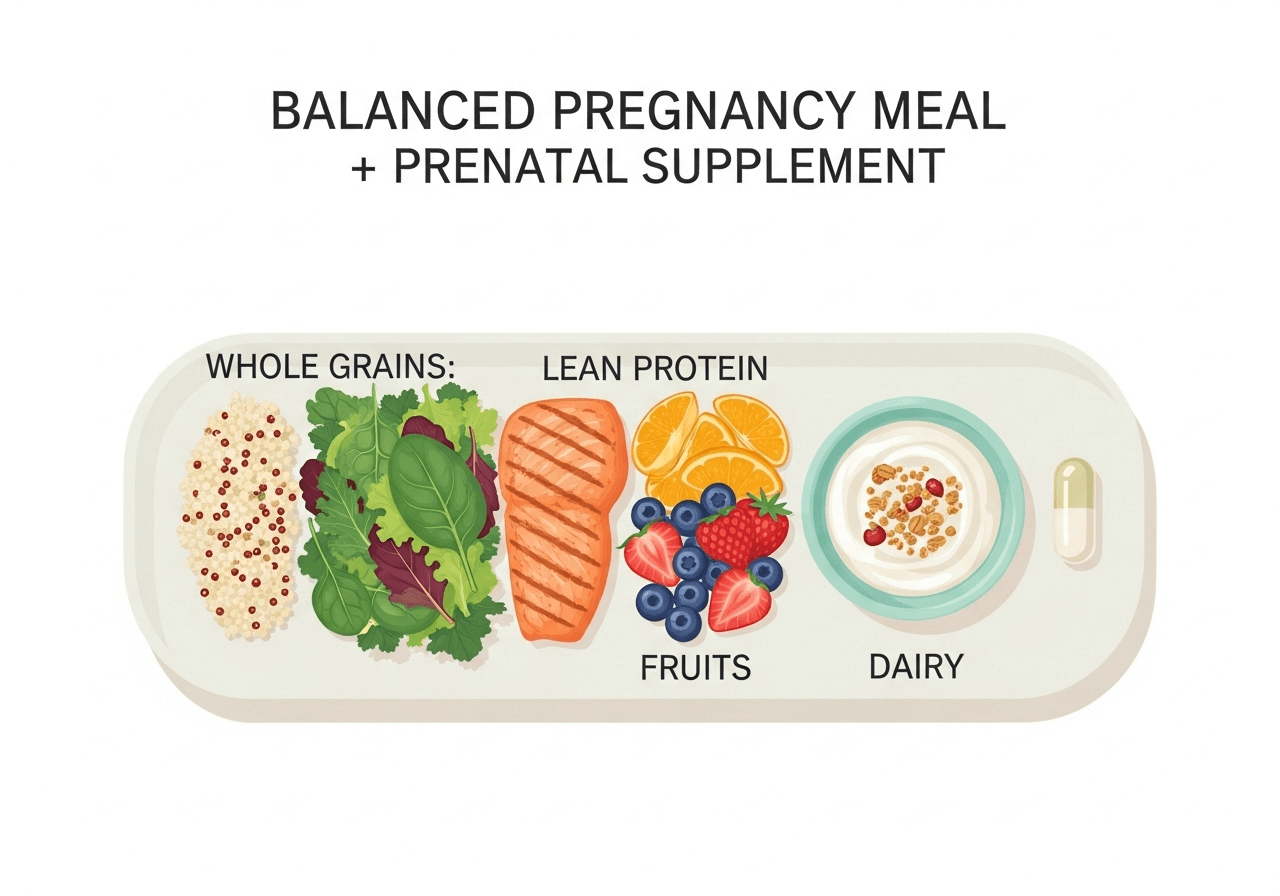
Eat Nutrient-Rich Foods
- Beans, spinach, lean red meat to support blood volume
- Dairy or fortified plant milk
- Salmon, chia seeds, supplements for brain growth
Hydrate & Rest
- Try to drink 8–10 glasses of water daily
- Manage nausea with small, frequent meals and ginger tea
- Prioritize rest—build short naps into your daily routine
- Emotional care: talk to friends, practice mindfulness, journal your feelings
Gentle Exercise
- Walking or light yoga to improve circulation and digestion
Safety Guidelines
- No alcohol, raw/undercooked seafood or meats, high-mercury fish, and limit caffeine
- Ensure food is cooked thoroughly and avoid deli meats without reheating
Essential Prenatal Vitamins and Supplements
The second month is a critical time for your baby's organ development, making proper nutrition and supplementation more important than ever.
Folic Acid
This is the single most important supplement in early pregnancy. Folic acid helps prevent neural tube defects such as spina bifida, which develop in the first 28 days after conception. The recommended dose is 400 to 800 micrograms daily. If you were not already taking it before conception, start immediately and continue through the first trimester.
Iron
Your blood volume is increasing rapidly to support the placenta and your growing baby. Iron helps produce the extra red blood cells needed for this increased blood supply. Low iron levels can lead to anaemia, causing extreme fatigue and weakness. Good dietary sources include leafy greens, lentils, beans, and fortified cereals.
Calcium and Vitamin D
Your baby's bones and teeth begin forming early, and they draw calcium from your body. If your intake is insufficient, your own bone density may be affected. Aim for 1,000 mg of calcium daily through dairy products, almonds, or fortified plant milks. Vitamin D helps your body absorb calcium effectively, so ensure you get adequate sunlight exposure or take a supplement as recommended by your doctor.
DHA (Omega-3 Fatty Acids)
DHA supports your baby's brain and eye development. It is found naturally in fatty fish like salmon, but since fish intake should be limited during pregnancy, a DHA supplement is often recommended. Discuss the right dosage with your healthcare provider.
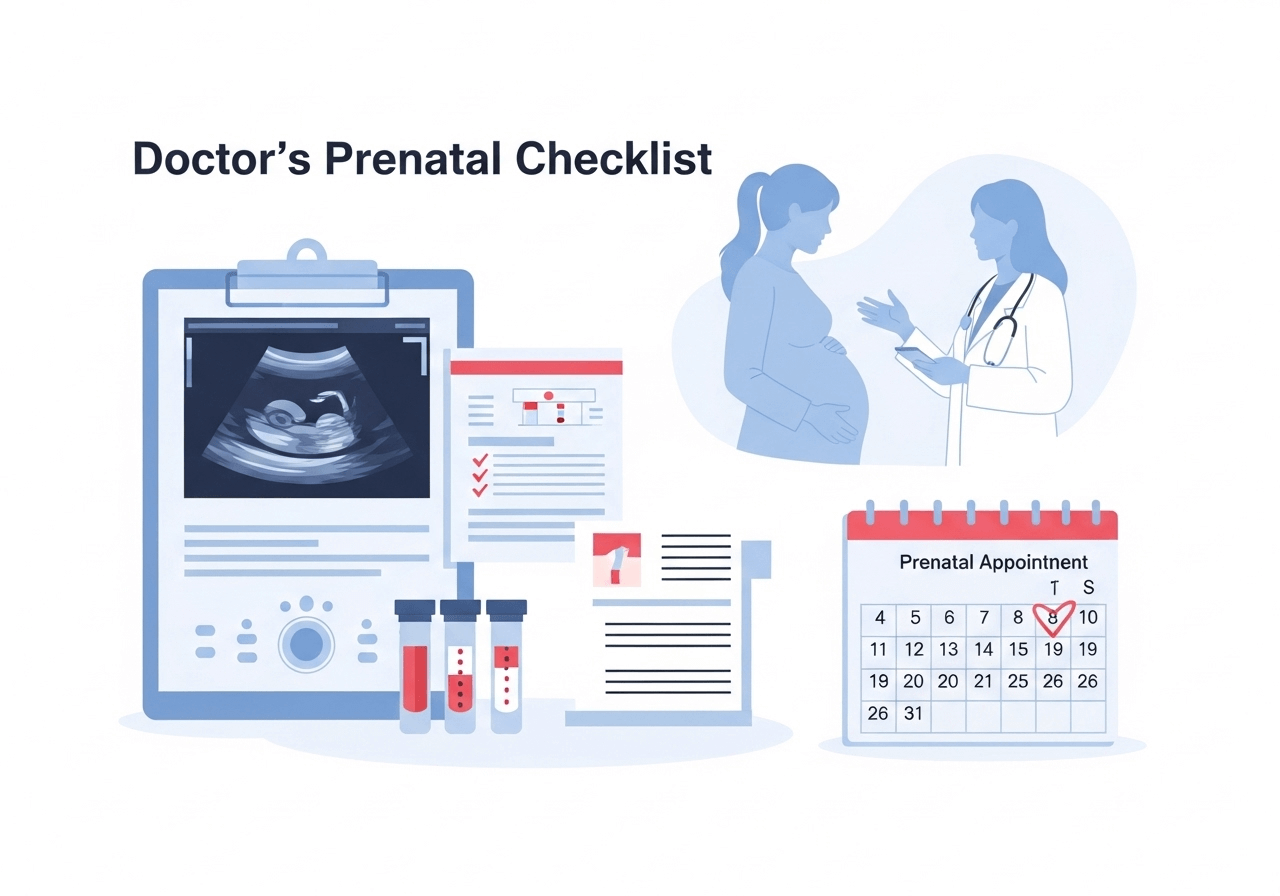
Doctor’s Checklist
- First prenatal appointment (if not done already) can be scheduled at around 8 weeks
- Blood tests: hCG, thyroid, anemia, vitamin D, blood type + Rh
- Ultrasound: Transvaginal scan around 7–9 weeks may confirm heartbeat and due date
Questions to Ask Your OB/GYN
- Is my current exercise and dietary routine safe?
- What prenatal supplements do you recommend?
- Are there any concerns with my pregnancy based on my symptoms or family history?
Reminders
- Continue your pregnancy journal—track symptoms, weight, and emotions
- Discuss genetic screening options if needed
- Schedule the next visit once you know your due date
Related Guides
After delivery, our 2-month baby care guide covers feeding, sleep, and early milestones to watch for. Continue your pregnancy journey with our month 3 pregnancy guide.
FAQs
1. What are the common symptoms in the 2nd month of pregnancy?
During the second month, common symptoms include morning sickness, fatigue, breast tenderness, mood swings, and frequent urination. Mild cramping and food aversions are also typical. These changes occur due to rising hormone levels and rapid embryo development. If you notice severe pain, heavy bleeding, or dizziness, consult your doctor immediately, as these may indicate complications requiring medical attention.
2. How big is the baby now that I’m 2 months pregnant?
By the end of the second month, your baby is about the size of a blueberry (6–8 mm). Major organs like the heart, brain, and spinal cord are forming, and tiny limb buds—future arms and legs—begin appearing. The baby’s heart starts beating, though it may be too early to hear without ultrasound. This stage marks the transition from zygote to developing embryo.
3. Can I feel the baby move in the second month?
No, you typically cannot feel baby movements at two months pregnant. The embryo is still very small—about blueberry-sized—and movements are too subtle to detect. Most women start feeling “quickening,” or fetal movements, between 16–20 weeks. However, internal development is significant: the baby’s heart is beating, organs are forming, and limb buds are growing rapidly during this stage.
4. What should I eat during the 2nd month of pregnancy?
Focus on a balanced diet rich in folic acid, iron, calcium, and omega-3s. Include leafy greens, whole grains, lean proteins, fruits, and dairy. Avoid alcohol, high‑mercury fish, raw seafood, and unpasteurized foods. Small, frequent meals help manage nausea common in this month. Continue taking prenatal vitamins to ensure you meet nutrient needs critical for neural tube and organ development.
5. Is it safe to exercise in the second month of pregnancy?
Yes, light to moderate exercise is generally safe during month two, provided there are no medical restrictions. Walking, prenatal yoga, and swimming improve circulation and reduce stress. Avoid high‑impact sports, heavy lifting, or activities with fall risk. Always check with your doctor before starting or continuing any fitness routine to ensure it’s suitable for your health and pregnancy status.
6. When should I schedule my first prenatal visit?
Book your first prenatal visit as soon as pregnancy is confirmed—typically around 8–10 weeks. This appointment includes a full health review, blood tests, and possibly an early ultrasound. Your doctor will discuss prenatal vitamins, safe lifestyle habits, and answer questions about symptoms or concerns.
7. Do I need an ultrasound scan at 2 months pregnant?
Most women have their first ultrasound between 7–9 weeks. If you have severe symptoms, you can schedule a scan even sooner. This scan confirms the viability of the pregnancy and estimates gestational age. It may also detect the baby’s heartbeat for the first time. At this scan, your doctor should be able to give you specific advice based on your symptoms, previous pregnancy history, and whether you have any risk factors or complications that need to be monitored.
8. Is light bleeding normal in the second month?
Light spotting can be normal in early pregnancy and may relate to implantation or cervical changes. However, heavy bleeding, bright red flow, severe cramps, or passing clots are not normal and require prompt medical evaluation. When in doubt, always call your doctor to rule out miscarriage or other complications. Monitoring both flow and associated symptoms helps determine if urgent care is needed.
9. Can I travel during the second month of pregnancy?
Travel is generally safe during month two if you’re experiencing an uncomplicated pregnancy. For road trips, take frequent breaks to stretch and stay hydrated. For air travel, choose short flights if possible and wear compression socks. Always consult your doctor before traveling, especially if you have morning sickness, spotting, or are at high risk for complications like ectopic pregnancy.
10. How can I manage morning sickness in Month 2?
Morning sickness peaks around weeks 6–9. Manage symptoms by eating small, frequent meals, sipping ginger tea, and avoiding strong odors or greasy foods. Cold foods may be easier to tolerate than hot meals. Stay hydrated by drinking water in small sips throughout the day. If vomiting is severe (unable to keep food or fluids down), seek medical advice for treatment options.
As you prepare for your baby's arrival, explore Teddyy's range of baby care products designed for your newborn's comfort and safety.
Conclusion
The nausea and exhaustion might be intense this month, but you’ve got this, mumma! Your body is doing an amazing job at growing your little one's major organs, so don’t be hard on yourself if you need a little extra rest.
Next up? In month 3, your baby’s heartbeat will be stronger and you’ll start to see a hint of a cute little baby bump! Until then, take it easy, and we’ll see you again really soon!