Filter by Month
By Nobel Hygiene Team | Last Updated: April 25, 2026

3rd Month Pregnancy: First Trimester Symptoms & Baby Growth
Well done, mumma! You’re nearing the end of your first trimester—a huge milestone for both you and your baby. Tiny fingers and toes are forming, facial features are becoming more defined, and vital organs are functioning.
Many of your early pregnancy symptoms may ease up soon, but for now, your body is still working hard at adapting to hormonal changes and nurturing your growing baby. In this simple guide, we’ll take you through the 3rd month pregnancy symptoms , baby growth in the third month, and establishing healthy habits before you enter the second trimester.
3rd Month of Pregnancy Symptoms
You might notice a mix of lingering first-trimester symptoms and a few new changes:
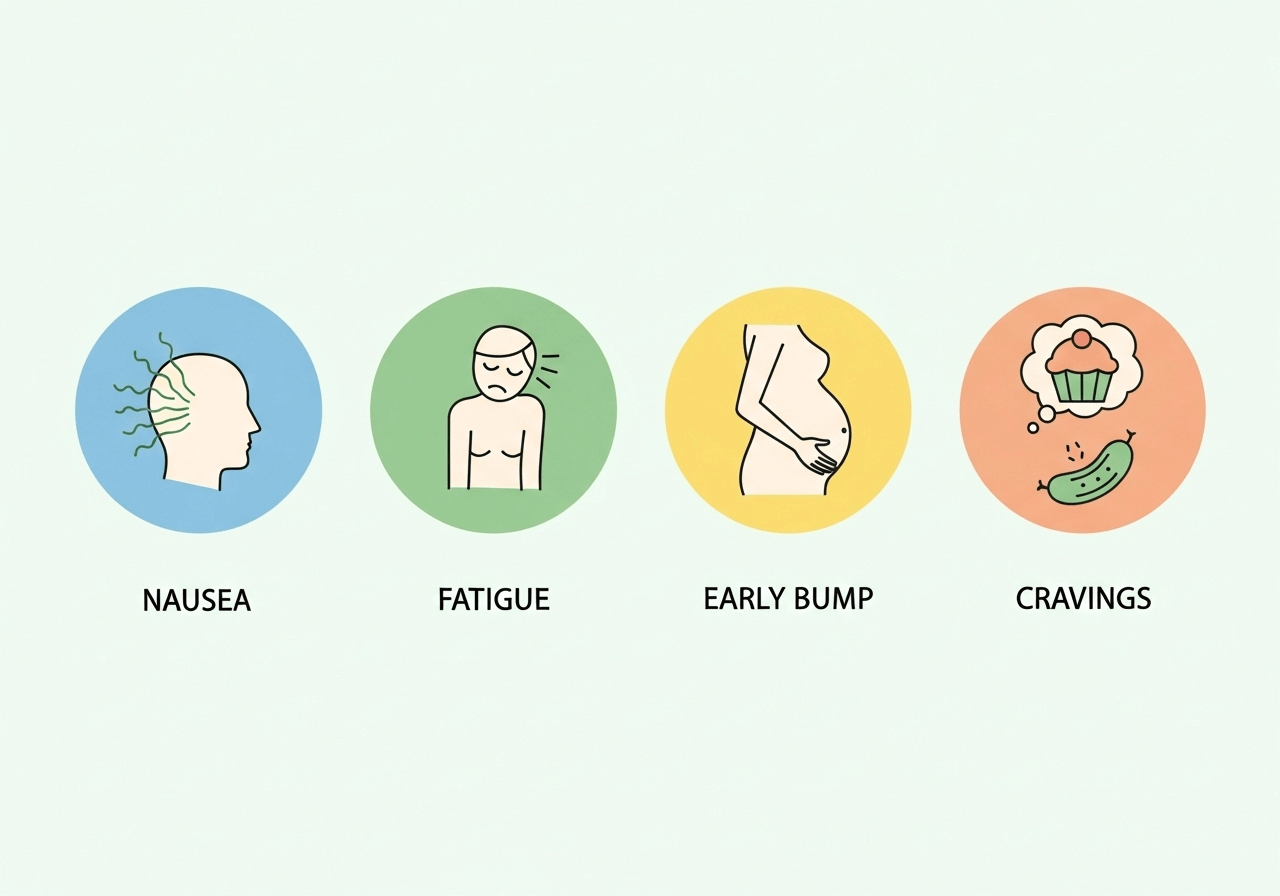
- Nausea & Vomiting: May still be strong, though it often begins to ease by the end of this month.
- Fatigue: Energy may improve slightly near week 12, but tiredness is still expected.
- Headaches: Hormonal shifts and increased blood flow can trigger mild headaches.
- Mood Swings: Emotional ups and downs remain common due to hormonal changes.
- Constipation: Progesterone slows down digestion, resulting in harder stools.
- Frequent Urination: As the uterus continues to expand, it puts more pressure on the bladder.
When to Visit Your Doctor
If you have persistent severe vomiting/dehydration, heavy bleeding, severe abdominal pain, or fever, please visit your doctor right away.
First Trimester Screening Tests
The third month is when several important prenatal screening tests are typically scheduled. These tests help your doctor assess your baby's health and identify any potential concerns early.
NT Scan (Nuchal Translucency)
This ultrasound is usually performed between weeks 11 and 14. It measures the fluid at the back of your baby's neck. An increased measurement may indicate a higher risk of chromosomal conditions such as Down syndrome. This scan is non-invasive and completely painless, and it is often combined with a blood test for more accurate results.
Double Marker Test
This blood test measures two specific hormones: free beta-hCG and PAPP-A (pregnancy-associated plasma protein A). Combined with the NT scan results and your age, it provides a risk assessment for chromosomal abnormalities. It is important to understand that this is a screening test, not a diagnostic one. An elevated risk result does not mean there is definitely a problem; it simply means further testing may be recommended.
Routine Blood Work
Your doctor will also order blood tests to check your blood type, Rh factor, haemoglobin levels, blood sugar, thyroid function, and immunity to infections like rubella and hepatitis B. A urine test checks for urinary tract infections and protein levels. These baseline tests help your healthcare team monitor your health throughout the pregnancy.
Discuss the timing and purpose of each test with your doctor so you feel informed and prepared. Remember that screening tests are optional, and your doctor can help you decide which ones are right for you.
What’s Happening in Your Body
Month 3 brings significant internal changes:
- Hormonal levels stabilize slightly, but are still high to support pregnancy.
- Uterus expansion continues to make room for your growing baby.
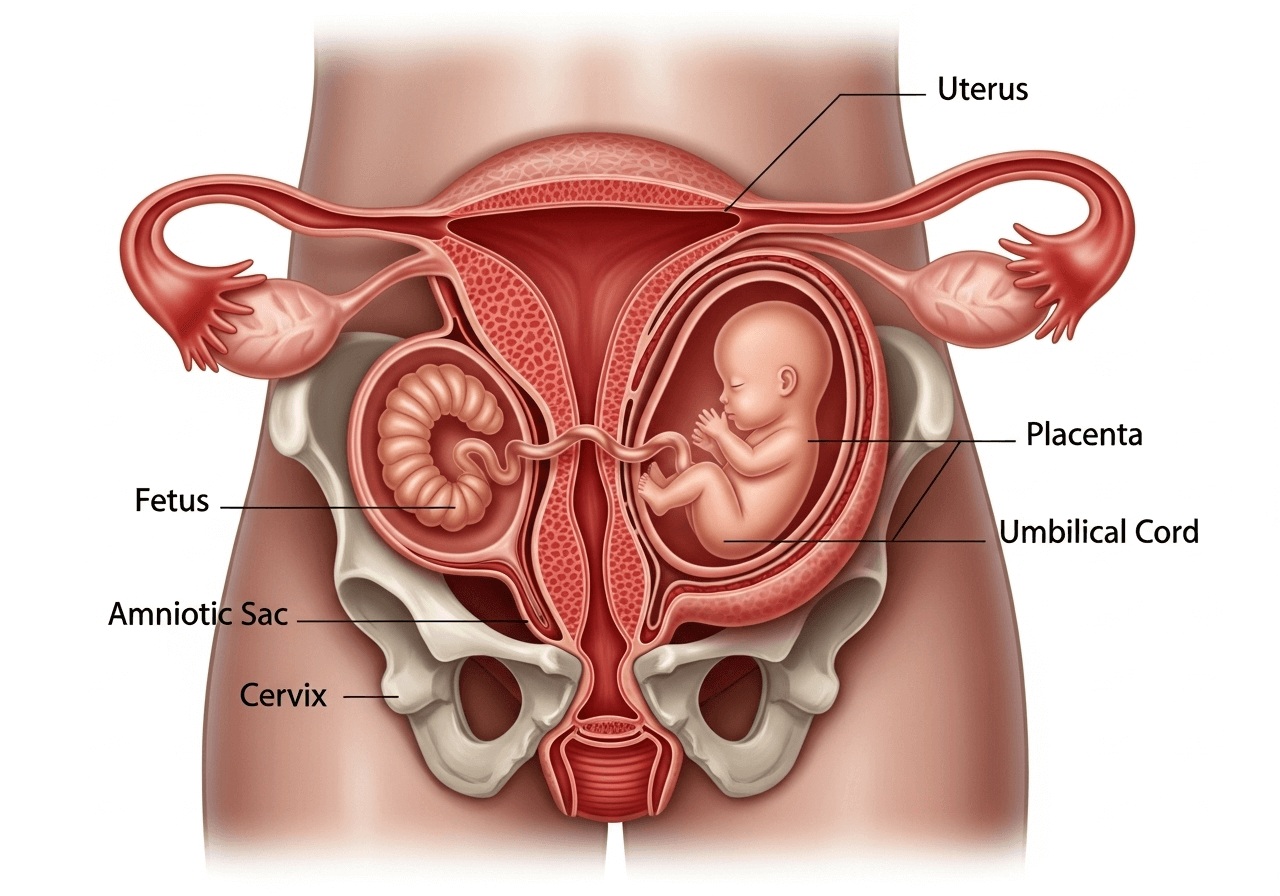
- Placenta is now fully formed and functioning, supplying oxygen and nutrients to your little one.
- Visible changes like slight belly rounding, breast fullness, possible skin glow or pigmentation changes (linea nigra) may occur.
- Think of this month as your body completing the “foundation phase”—the placenta is your baby’s life-support system, and it’s now fully operational.
How Your Baby is Growing
Your little one has made amazing progress in just 12 weeks.
Size Comparison
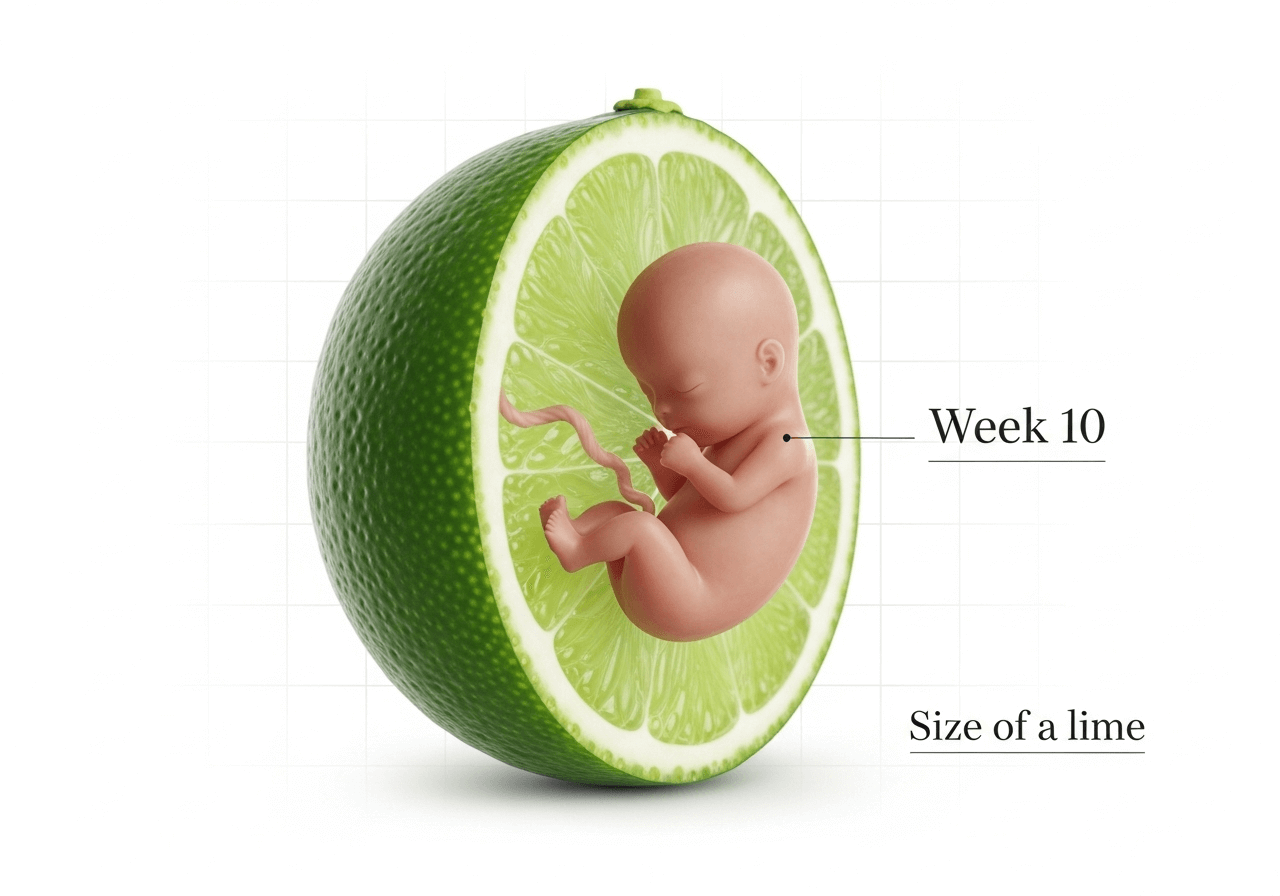
- About 7–8 cm long—roughly the size of a lime by the end of the second month.
Development Milestones
- All major organs are formed and starting to function.
- Heartbeat is strong and can be heard via Doppler.
- Arms, legs, fingers, and toes are well-developed.
- Facial features (eyes, nose, mouth, ears) are becoming distinct.
- Baby can move, bend arms, and even make small facial expressions.
Managing Fatigue in the First Trimester
If you feel exhausted beyond anything you have experienced before, you are not alone. First trimester fatigue is one of the most common and most underestimated pregnancy symptoms.
Why You Feel So Tired
Your body is working overtime to build the placenta, which will be your baby's life support system for the rest of the pregnancy. Progesterone levels are surging, which has a natural sedative effect. Your metabolic rate has increased, your blood sugar and blood pressure are lower, and your body is producing significantly more blood than usual. All of this demands enormous energy, even though there is nothing visible happening on the outside.
Practical Tips for Coping
Listen to your body and rest when you need to. This is not the time to push through exhaustion. Go to bed earlier than usual and take short naps during the day if possible. Eat iron-rich foods to prevent anaemia, which worsens fatigue. Stay hydrated, as even mild dehydration can make tiredness worse. Light exercise like a 15-minute walk can actually boost your energy levels more than resting on the couch, as it improves circulation and releases endorphins.
The good news is that most women experience a significant energy boost once they enter the second trimester around week 14. Until then, be gentle with yourself and lower your expectations for daily productivity.
Nutrition & Self-Care
Prenatal Vitamins
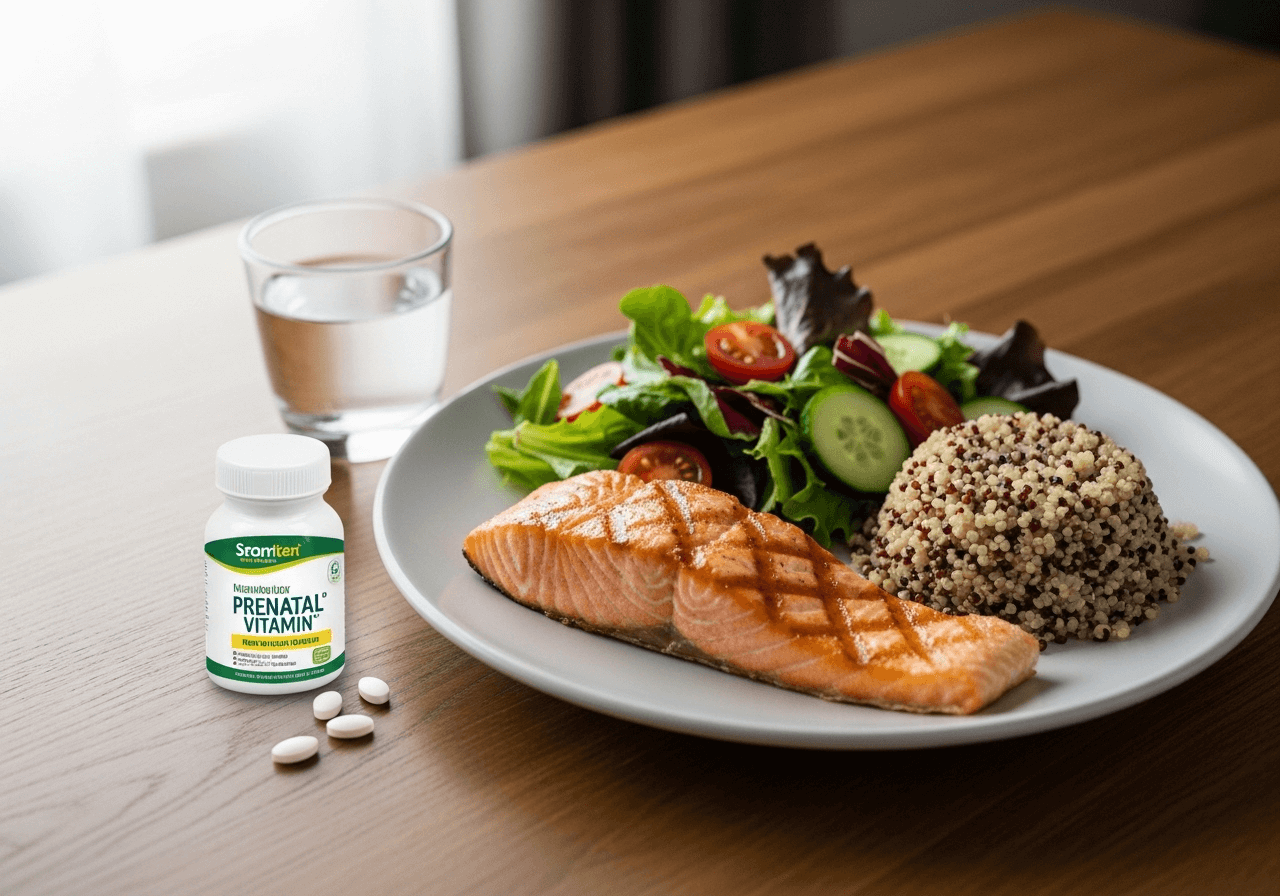
- Continue folic acid, iron, and calcium supplements
Eat Nutrient-Rich Foods
- Add foods rich in vitamin C (citrus, bell peppers) to aid iron absorption.
- Eat protein-rich foods like eggs, chicken, tofu, and lentils.
- Include omega-3 sources like chia seeds and low-mercury fish for brain and eye development.
Hydrate & Rest
- Try to drink 8–10 glasses of water daily
- Prioritize rest—fatigue may still linger
Gentle Exercise
- Gentle exercise such as walking, swimming, or prenatal yoga
- Manage stress with meditation, breathing exercises, or journaling
Safety Guidelines
- Avoid raw seafood, unpasteurized dairy, alcohol, and high caffeine
- Limit exposure to harmful chemicals or heavy lifting
Your Changing Relationship with Food
By the third month, many women develop strong food aversions and cravings that can completely change their eating habits overnight.
Food Aversions
Foods you once loved may suddenly make you feel nauseous. Common aversions include coffee, meat, eggs, and anything with a strong smell. These aversions are thought to be your body's way of protecting you from potentially harmful substances during the most sensitive period of fetal development. Do not force yourself to eat foods that repulse you; instead, find nutritious alternatives that you can tolerate.
Cravings
Pregnancy cravings can range from perfectly reasonable (fruits, sour foods, salty snacks) to unusual combinations. While the exact cause of cravings is unknown, hormonal changes and nutritional needs likely play a role. It is fine to indulge cravings in moderation, but try to maintain a balanced diet overall. If you find yourself craving non-food items like ice, chalk, or clay (a condition called pica), inform your doctor immediately as this can indicate nutritional deficiencies.
Eating When Nothing Sounds Good
On days when nausea and aversions make eating feel impossible, focus on whatever you can keep down. Plain rice, toast, bananas, applesauce, and yogurt are gentle on the stomach. Small, frequent snacks are better than skipping meals entirely. Your baby is drawing nutrients from your body's reserves during these early weeks, so do not worry if your diet is not perfectly balanced every single day.
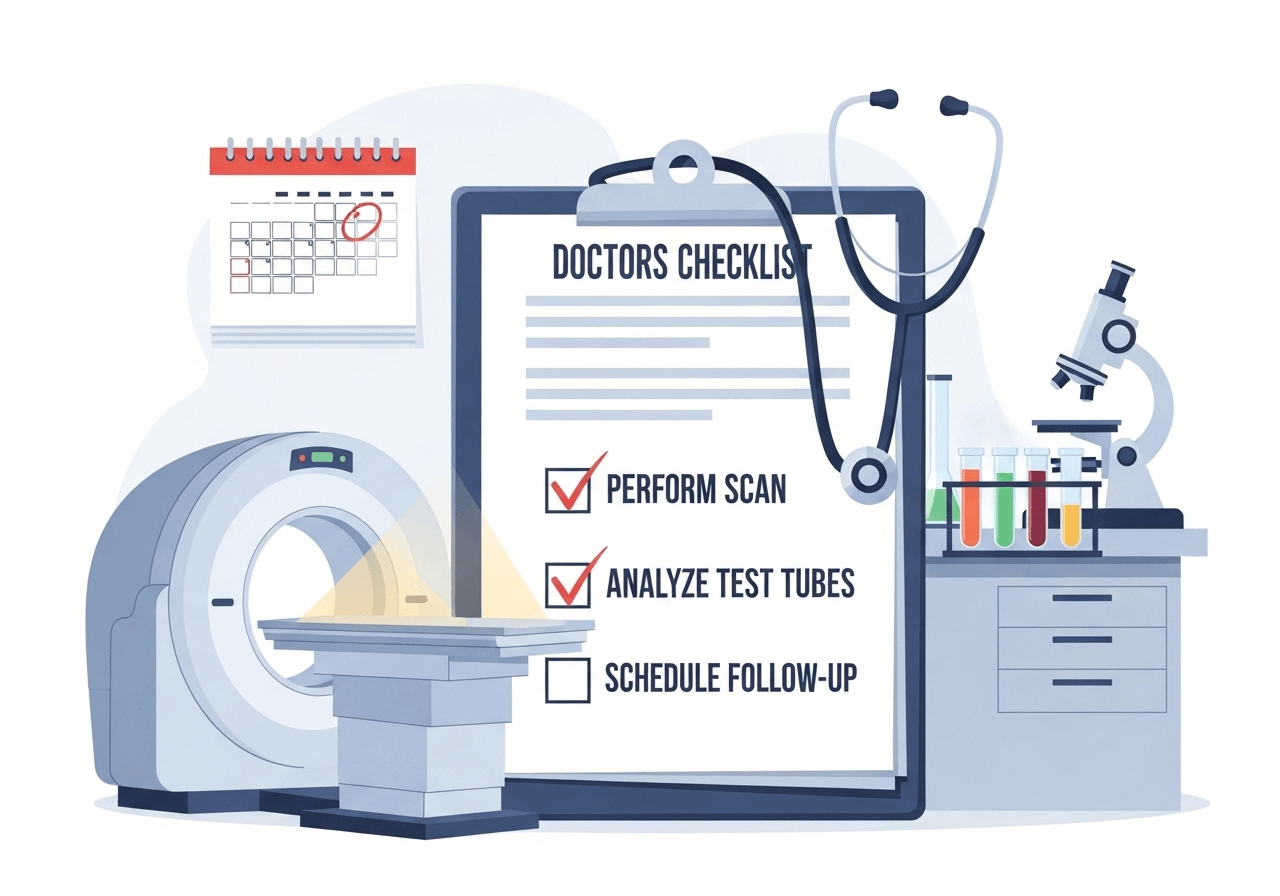
Doctor’s Checklist
Tests & Scans
- Nuchal translucency (NT) scan between 11–14 weeks for chromosomal screening
- Routine prenatal blood and urine tests
Questions to Ask Your OB/GYN
- Are my symptoms normal for month 3?
- What screening tests should I consider?
- How much weight gain is expected by the end of the first trimester?
Reminders
- Keep up with prenatal vitamins
- Track your weight and symptoms
- Note your next appointment schedule as you approach trimester two
Related Guides
Preparing for your newborn? Our 3-month baby care guide has essential tips on infant development and daily care. Continue your pregnancy journey with our month 4 pregnancy guide.
FAQs
1. What are the symptoms in the 3rd month of pregnancy?
Common 3rd month pregnancy symptoms include reduced nausea, mild fatigue, breast tenderness, frequent urination, food cravings or aversions, and slight belly rounding. Some women may still experience morning sickness. Mild cramps from uterine growth are normal, but severe pain or heavy bleeding should be evaluated by a doctor immediately.
2. How big is my baby at 3 months pregnant?
By the end of the third month, your baby is about 7–8 cm long and weighs around 14 grams—roughly the size of a lime. Major organs are formed, facial features are more defined, and the heartbeat can be heard via Doppler. Limbs, fingers, and toes are also well developed at this stage.
3. What should I eat during the 3rd month of pregnancy?
Include foods rich in folic acid, omega-3 fatty acids, calcium, lean protein, and leafy greens. Eat small, balanced meals to manage lingering nausea. Avoid alcohol, raw seafood, unpasteurized dairy, high-mercury fish, and limit caffeine to 200 mg/day. Staying hydrated is also essential during the third month.
4. Is the third month still the first trimester?
Yes, the third month of pregnancy, covering weeks 9 to 12, is the final stage of the first trimester. Many women experience symptom changes this month, such as reduced nausea and slightly increased energy, as the placenta fully forms and begins to support the baby’s growth.
5. What tests are done in the 3rd month of pregnancy?
Key tests in the third month include:
- Nuchal Translucency (NT) Scan between weeks 11–14
- Blood tests to screen for chromosomal conditions
- Routine prenatal blood and urine checks
6. Can I feel my baby move at 3 months pregnant?
Most women cannot feel movement at three months because the baby is still small. Movements do occur inside the womb, but they are too gentle to detect. First-time mothers usually feel movements between weeks 18–20, while experienced mothers may notice them as early as week 16.
7. Is cramping normal during the 3rd month of pregnancy?
Mild cramping can be normal during the third month as the uterus expands to accommodate the growing baby. However, cramps accompanied by heavy bleeding, severe pain, dizziness, or fever should be reported to a doctor immediately, as they could indicate complications such as miscarriage or ectopic pregnancy.
8. What should I avoid in Month 3 of pregnancy?
- Alcohol and smoking
- Raw or undercooked meat and seafood
- Unpasteurized dairy products
- High-mercury fish
- Excessive caffeine
- Contact with toxic chemicals
9. How much weight should I gain by 3 months pregnant?
By the end of the first trimester, most women gain around 1–2 kg. This may vary based on your pre-pregnancy weight and individual health. Focus on nutrient-rich foods rather than calorie counting, and consult your doctor to ensure healthy weight gain during pregnancy.
10. Can I travel safely during the third month of pregnancy?
Travel is usually safe in the third month if you have no complications. Stay hydrated, take breaks to move during long trips, and wear comfortable clothing. Always consult your doctor before traveling, especially for long flights or if you’ve experienced bleeding, cramping, or other high-risk symptoms.
As you prepare for your baby's arrival, explore Teddyy's range of baby care products designed for your newborn's comfort and safety.
Conclusion
Month 3 is a turning point—your baby has completed the most critical development stage, and you’re about to enter the second trimester of pregnancy. Keep nourishing your body, follow your doctor’s advice, and embrace the changes.
Next up? In month 4, your energy levels will rise and your baby bump will become more prominent as your baby continues to grow and develop. Until then, take it easy, and we’ll see you again really soon!