Filter by Month
By Nobel Hygiene Team | Last Updated: April 25, 2026

6th Month Pregnancy: Weight Gain, Baby Kicks & Care Tips

Has anyone asked to feel the baby yet? Or pressed their ear against your belly? Congratulations, mumma! You’ve made it to Month 6 of pregnancy with all that discomfort, pain, and the entitled curiosity of relatives, friends, neighbors, and maybe even random strangers on the metro.
At this stage, your baby is developing facial expressions, hearing abilities, and stronger lungs. Let’s explore 6th month pregnancy symptoms, baby growth in month 6, and essential care tips to keep you and your little one healthy.
6th Month of Pregnancy Symptoms
 stretch marks"
style="width:100%; height:auto;" />
stretch marks"
style="width:100%; height:auto;" />
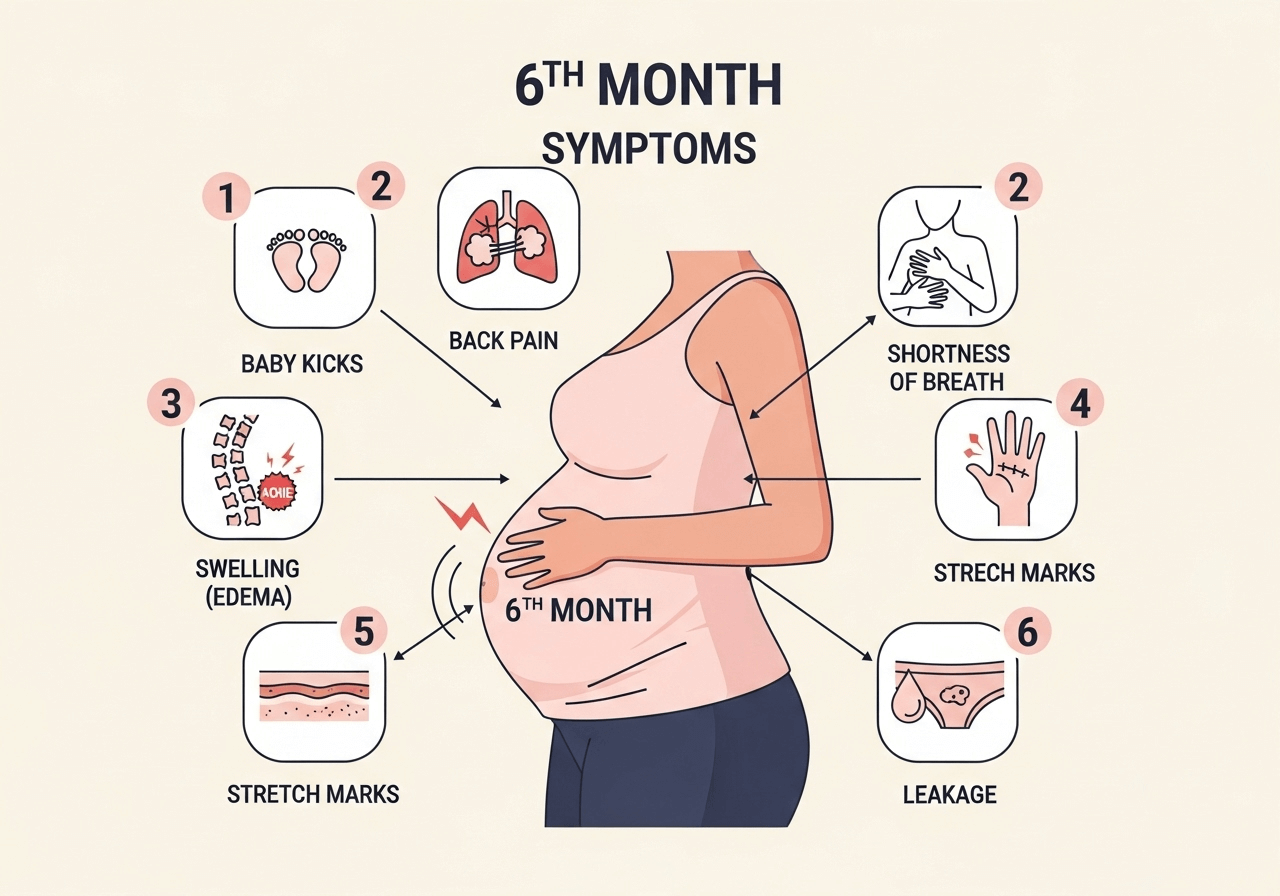
You might notice:
- Stronger baby movements: Kicks, flips, somersaults
- Noticeable bump growth
- Backaches: From posture and belly weight
- Leg cramps and swelling
- Heartburn and indigestion
- Breast changes: Tenderness, early colostrum
- Skin changes: Stretch marks, linea nigra, darkening
- Fatigue and mood swings
- Mild shortness of breath
When to Visit Your Doctor
If you have sudden swelling in your face, hands, or feet, strong headaches or vision changes, bleeding or unusual discharge, painful contractions, or less movement from your baby, call your doctor immediately.
Glucose Screening Test: What You Need to Know
Between weeks 24 and 28 of pregnancy, your doctor will schedule a glucose screening test to check for gestational diabetes. This is a routine part of prenatal care and applies to all pregnant women, regardless of risk factors.
How the Test Works
The standard glucose challenge test involves drinking a sweet glucose solution (containing 50 grams of sugar) and having your blood drawn one hour later. You do not need to fast beforehand. If your blood sugar level is above the threshold (usually 140 mg/dL), you will be asked to take a follow-up test called the glucose tolerance test. This longer test requires fasting overnight and having your blood drawn at multiple intervals over three hours after drinking a 100-gram glucose solution.
What Is Gestational Diabetes?
Gestational diabetes occurs when your body cannot produce enough insulin to handle the increased blood sugar demands of pregnancy. It affects approximately 2 to 10 percent of pregnancies. Risk factors include being over 25, having a family history of diabetes, being overweight before pregnancy, and having had gestational diabetes in a previous pregnancy. However, many women with no risk factors are also diagnosed.
If You Are Diagnosed
A gestational diabetes diagnosis can feel overwhelming, but it is highly manageable. Most women control their blood sugar through dietary changes and regular exercise. This means eating balanced meals with controlled carbohydrate portions, choosing whole grains over refined carbs, and monitoring blood sugar levels at home. A small percentage of women may need insulin injections. With proper management, most women with gestational diabetes have healthy pregnancies and deliveries. The condition typically resolves after birth.
What’s Happening in Your Body
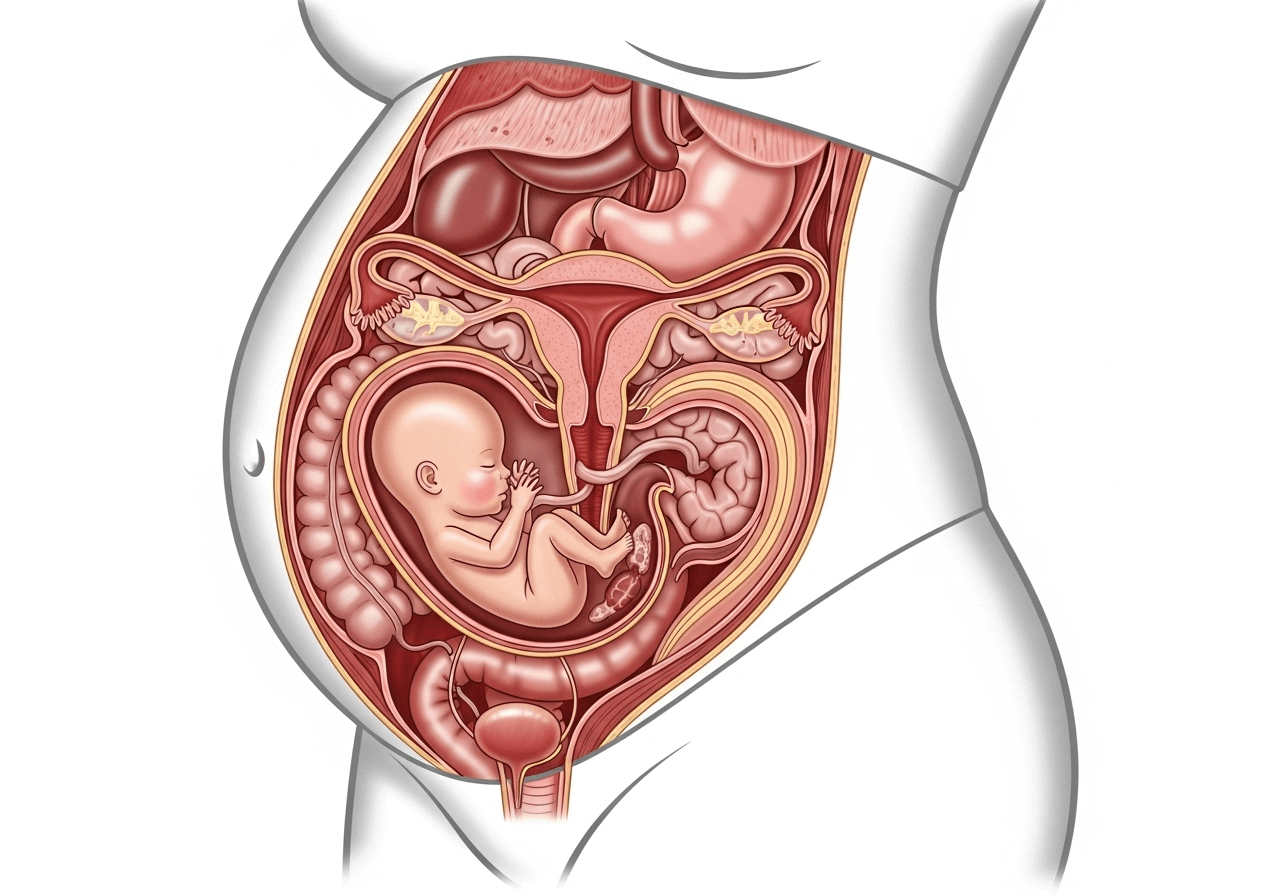
Uterus Growth: Reaches just below your ribcage.
- Circulation Boost: More blood volume causes a flushed glow.
- Breathing Changes: Slight shortness of breath as lungs have less room.
- Braxton Hicks: Painless “practice” contractions may begin.
Think of Month 6 as your “training month”—your body and baby are rehearsing for the final stages of pregnancy.
How Your Baby is Growing
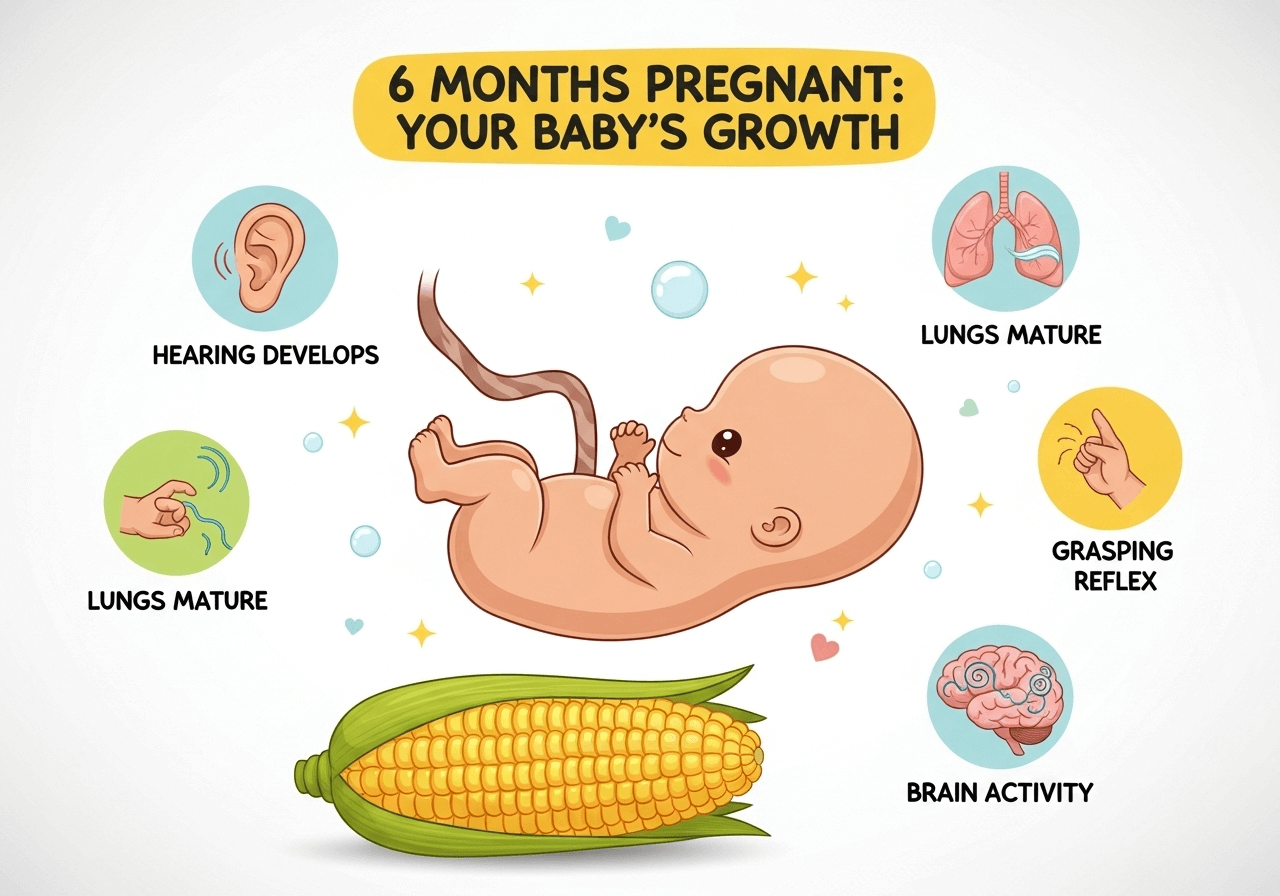
Size: At 6 months of pregnancy, your little one isn’t so little anymore. Measuring about 18–30 cm and weighing 450–900gms, they’re now around the size of a bhutta (corn on the cob) and about as heavy as a bottle of water.
Milestones
- Baby opens and closes eyelids.
- Reacts to sounds, especially your voice.
- Fat starts forming under the skin.
- Lungs continue maturing.
- The baby develops a sleep-wake cycle.
Weight Gain: How Much Is Normal?
By the sixth month, weight gain becomes more noticeable and many women start wondering whether they are gaining too much or too little.
Recommended Weight Gain Guidelines
The amount of weight you should gain depends on your pre-pregnancy BMI. Women with a normal BMI (18.5 to 24.9) are generally advised to gain between 11.5 and 16 kg (25 to 35 pounds) over the entire pregnancy. Underweight women may need to gain slightly more, while overweight women are advised to gain less. By the end of the sixth month, most women have gained approximately 5 to 8 kg (11 to 17 pounds) from their pre-pregnancy weight.
Where Does the Weight Go?
Pregnancy weight gain is not just about your baby. A full-term baby accounts for roughly 3 to 3.5 kg. The rest is distributed across the placenta (about 0.7 kg), amniotic fluid (about 0.8 kg), increased blood volume (about 1.5 kg), breast tissue growth (about 0.5 kg), uterine enlargement (about 1 kg), extra fat stores for breastfeeding (about 2.5 to 4 kg), and additional fluid retention. Understanding this breakdown can help put your weight gain in perspective.
Healthy Approach to Weight
Focus on eating nutritious, balanced meals rather than counting calories or restricting food. Your body needs an extra 300 to 350 calories per day during the second trimester. Choose nutrient-dense foods like fruits, vegetables, whole grains, lean proteins, and dairy. Avoid the mindset of "eating for two," as your calorie needs increase only modestly. Regular gentle exercise helps manage healthy weight gain and improves your overall well-being during pregnancy.
Self-Care Tips + Nutrition
 prenatal vitamins for Month 6 pregnancy nutrition."
style="width:100%; height:auto;" />
prenatal vitamins for Month 6 pregnancy nutrition."
style="width:100%; height:auto;" />
Diet & Nutrition
- Eat iron-rich foods to prevent anemia.
- Add calcium and vitamin D for bone health.
- Include omega-3s for brain and eye development.
- Drink water to reduce swelling.
Lifestyle Habits
- Practice prenatal yoga for flexibility.
- Rest with feet elevated to reduce swelling.
- Use belly support bands if needed.
Safety Guidelines
- Sleep on your left side for better circulation.
- Avoid heavy lifting or high-risk exercises.
- Continue avoiding alcohol, smoking, and raw foods.
Preparing Your Home for Baby
The sixth month is an ideal time to start getting your home ready for your new arrival. Your energy levels are still relatively good, and you have enough time to plan without rushing.
Nursery Essentials
Start with the basics: a safe crib or bassinet that meets current safety standards, a firm mattress, and fitted sheets. A changing station with a waterproof mat and storage for changing mats and wipes keeps nappy changes organized. A comfortable nursing chair or rocker for night feeds is a worthwhile investment. You do not need to buy everything at once. Focus on what you will need in the first few weeks and add items as you go.
Baby-Proofing Basics
While your baby will not be mobile for several months after birth, starting baby-proofing now saves you from scrambling later. Install smoke detectors and carbon monoxide alarms on every floor. Secure heavy furniture like bookshelves and dressers to the wall to prevent tipping. Cover electrical outlets and ensure window blind cords are out of reach. Check that your hot water heater is set below 49 degrees Celsius to prevent scalding.
Stocking Up on Essentials
Build a supply of newborn necessities: diapers in newborn and size 1, wipes, burp cloths, onesies, swaddles, and gentle baby wash. Having these ready before your due date means one less thing to worry about during the busy first weeks with your newborn.
Doctor Checklist
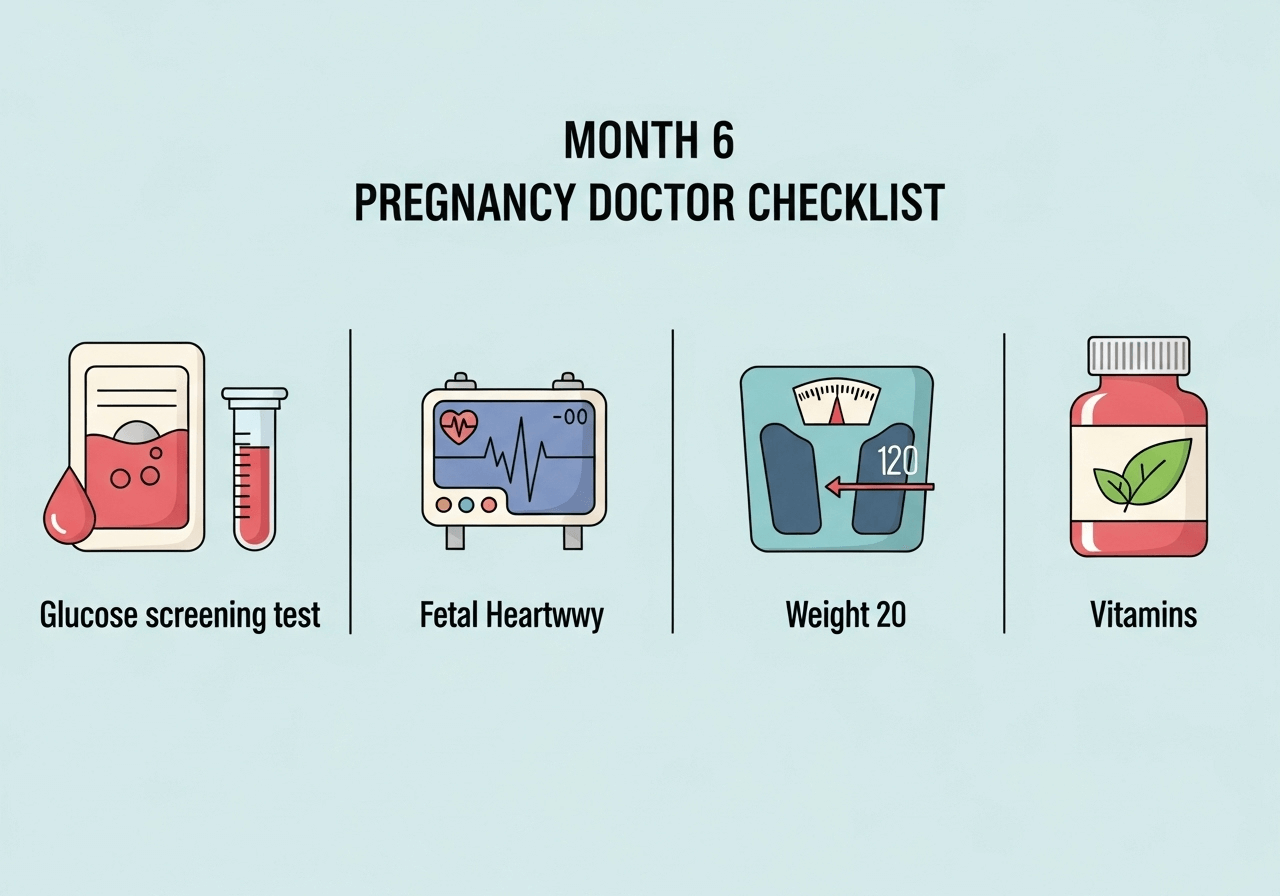
Tests & Scans
- Glucose screening test for gestational diabetes (24–28 weeks).
- Routine check-ups: weight, blood pressure, fetal heartbeat.
Questions to Ask
- How can I manage shortness of breath?
- What are the warning signs of preterm labor?
- Should I adjust my exercise routine?
Reminders
- Continue prenatal vitamins.
- Track baby’s movement daily.
Related Guides
Nearing the finish line? Explore our 6-month baby care guide to learn about starting solids and sitting milestones. Continue your pregnancy journey with our month 7 pregnancy guide.
FAQs
1. What are the common 6th month pregnancy symptoms?
In the 6th month of pregnancy, you may notice stronger baby kicks, backaches, swelling in feet and ankles, heartburn, stretch marks, and occasional shortness of breath. These changes are due to your growing uterus and increased blood volume. Most are normal, but sudden or severe swelling, vision changes, or contractions should be reported to your doctor immediately.
2. How big is my baby at 6 months pregnant?
At 6 months, your baby is around 30 cm long and weighs about 600 grams, roughly the size of a corn on the cob. The baby can open and close its eyes, respond to sounds, and has a more regular sleep-wake cycle. Fat is beginning to form under the skin, and the lungs are continuing to develop in preparation for breathing after birth.
3. Can I travel during the 6th month of pregnancy?
Yes, most women can travel safely at 6 months if their pregnancy is low-risk. Always consult your doctor before long trips. If traveling by car, wear your seatbelt below the belly and take breaks to move around. For flights, stay hydrated, walk every hour, and avoid sitting for long periods to reduce swelling or clot risks. Avoid travel if advised against due to complications.
4. What foods should I eat in the 6th month of pregnancy?
Focus on nutrient-rich foods:
- Iron-rich foods (lentils, beans, spinach) to prevent anemia.
- Calcium and vitamin D (dairy, fortified cereals, almonds) for bones.
- Omega-3s (flaxseeds, walnuts, fish like salmon) for brain development.
- Fiber-rich foods (fruits, vegetables, whole grains) for digestion.
5. What foods should I avoid in the 6th month of pregnancy?
Avoid raw or undercooked meat, high-mercury fish (shark, king mackerel), unpasteurized dairy, raw sprouts, alcohol, and smoking. Limit caffeine to under 200 mg per day (about one cup of coffee). These foods may increase the risk of infections, pregnancy complications, or harm to the baby’s development. Always wash fruits and vegetables well before eating.
6. What tests are done in the 6th month of pregnancy?
During Month 6, your doctor will usually order a glucose screening test to check for gestational diabetes. Other routine checks include blood pressure, weight, urine test for protein or glucose, and fetal heartbeat monitoring. Depending on your health, additional tests or ultrasounds may be recommended. Always discuss any unusual symptoms with your doctor during visits.
7. How can I relieve back pain in the 6th month of pregnancy?
To ease back pain, practice good posture, wear supportive shoes, and avoid standing for too long. Prenatal yoga, swimming, and light stretching can reduce discomfort. Sleeping on your left side with a pillow between your knees supports spinal alignment. A maternity support belt can also help relieve pressure on your lower back. If pain is severe or constant, consult your doctor or read more about back pain after childbirth
8. Is it normal to feel shortness of breath at 6 months pregnant?
Yes, mild shortness of breath is common in Month 6 because your growing uterus presses against your diaphragm and lungs. This reduces lung expansion, making you feel breathless during activity. Practice slow breathing, maintain good posture, and sleep propped up with extra pillows. If you experience sudden, severe, or persistent breathlessness, seek medical attention immediately.
9. How much weight should I gain by 6 months pregnant?
On average, women gain 6–8 kg (13–18 lbs) by the 6th month of pregnancy, but this varies by body type and pre-pregnancy weight. A healthy weight gain supports the baby’s growth and your energy levels. Your doctor will track your weight at prenatal visits and provide personalized guidance based on your BMI and overall health.
10. What are Braxton Hicks contractions at 6 months?
Braxton Hicks are mild, irregular “practice contractions” that may start around the 6th month. They feel like a tightening of the uterus but are usually painless and infrequent. They help prepare your body for labor later. True contractions, in contrast, are regular, painful, and increase in intensity. If you notice frequent or painful contractions, contact your doctor.
11. Can I exercise in the 6th month of pregnancy?
Yes, safe moderate exercise is recommended unless your doctor advises otherwise. Walking, swimming, and prenatal yoga are excellent choices for maintaining flexibility, reducing back pain, and boosting mood. Avoid high-impact sports, heavy lifting, or exercises that involve lying flat on your back. Always listen to your body and stay hydrated during workouts.
12. How do I track baby movement at 6 months pregnant?
At 6 months, you’ll notice stronger and more regular movements. Doctors often recommend tracking “kick counts.” Choose a consistent time daily and count how long it takes to feel 10 movements. Most babies move 10 times within 2 hours. A sudden decrease in movement should be reported to your doctor immediately, as it may signal complications.
Conclusion
Month 6 is all about preparation—your baby is getting stronger, your body is adjusting, and you’re moving toward the final trimester. Focus on self-care, proper nutrition, and doctor checkups to stay healthy.