
Filter by Month

By Nobel Hygiene Team | Last Updated: April 18, 2026
7th Month Pregnancy: Third Trimester Symptoms & Baby Growth

Your belly's still growing, yup, your baby's kicking like crazy, and even bending down to tie your shoes feels like a workout. Sleep is tricky, cravings hit at odd hours, and every little movement reminds you there's a tiny human inside. It's chaotic, exhausting, and amazing all at once—especially when you start thinking about balancing work and a new baby.
And we are on Month 7 of pregnancy—the exciting start of your third trimester. Your body is working hard, and your baby is rapidly gaining weight in preparation for birth. Let’s explore 7th month pregnancy symptoms, baby growth milestones, and self-care tips for a smooth trimester.
7th Month of Pregnancy Symptoms
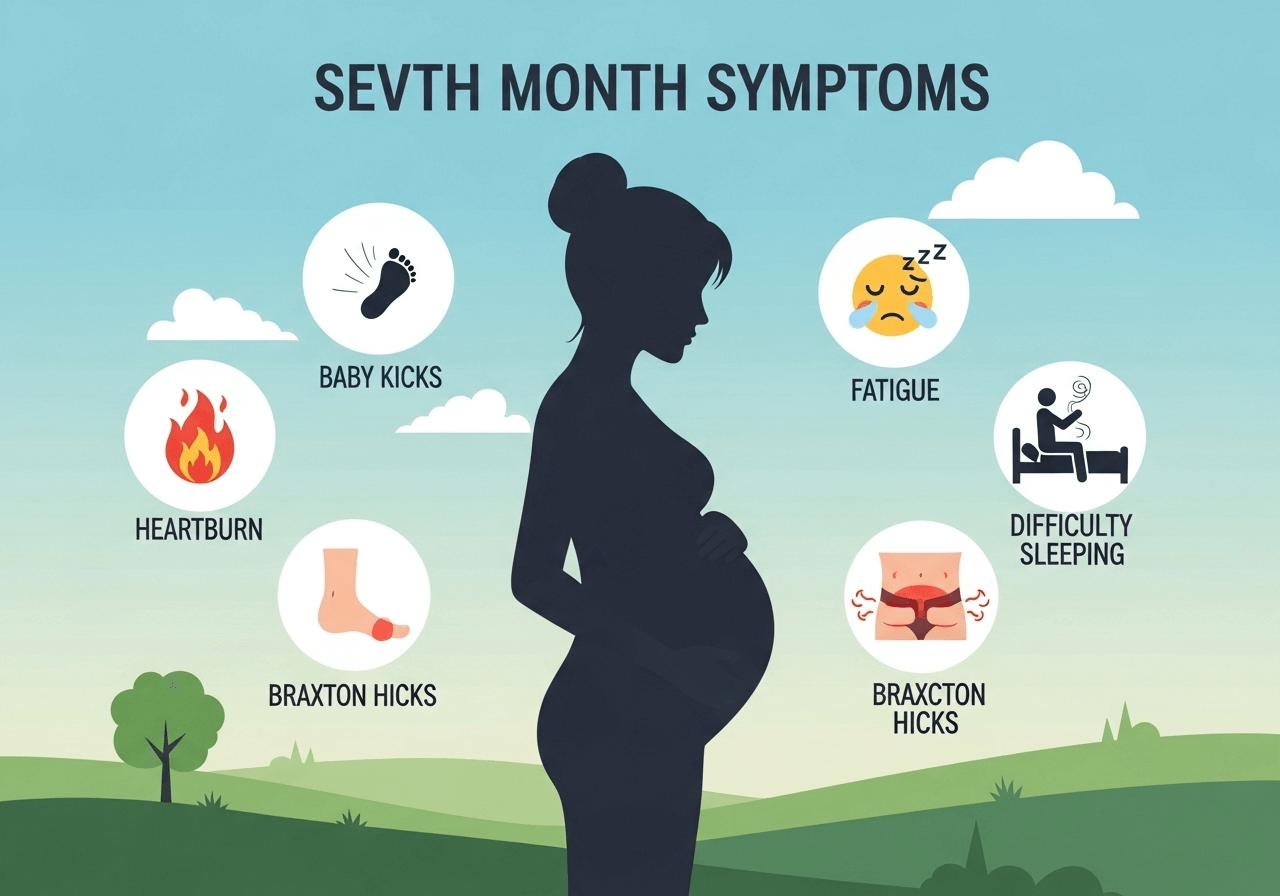
You might experience:
- Stronger and more frequent baby kicks
- Fatigue returning
- Swelling in feet, ankles, or hands
- Difficulty sleeping
- Heartburn or indigestion
- Shortness of breath
- Braxton Hicks contractions (practice contractions)
When to Call Your Doctor
Watch out for sudden or severe swelling, severe headaches, heavy bleeding or leaking fluid, or any signs of preterm labor. If you notice any of these, contact your healthcare provider immediately.
Third Trimester Warning Signs to Watch For
The seventh month marks the beginning of your third trimester, and while most pregnancies progress smoothly, it is important to know which symptoms require immediate medical attention.
Signs That Need Urgent Care
Contact your doctor or go to the hospital immediately if you experience any of the following: sudden or severe swelling of your face, hands, or feet (which could indicate preeclampsia), a persistent severe headache that does not respond to rest or fluids, visual disturbances such as blurring, flashing lights, or spots, upper abdominal pain especially under your ribs on the right side, vaginal bleeding of any amount, a sudden gush of fluid from the vagina (possible premature rupture of membranes), or a noticeable decrease in your baby's movements.
Preeclampsia Awareness
Preeclampsia is a serious pregnancy complication characterized by high blood pressure and protein in the urine. It typically develops after week 20 and is more common in the third trimester. Risk factors include first pregnancies, maternal age over 35, obesity, and a history of high blood pressure. Regular prenatal check-ups include blood pressure monitoring and urine tests specifically to screen for this condition. Early detection and management significantly improve outcomes for both mother and baby.
Preterm Labour Signs
Labour before 37 weeks is considered preterm. Warning signs include regular contractions (more than four per hour) that do not stop with rest, constant low backache, pelvic pressure that feels like your baby is pushing down, and menstrual-like cramps. If you suspect preterm labour, lie down on your left side, drink water, and call your doctor immediately. Early intervention can often delay delivery and give your baby more time to develop.
What’s Happening in Your Body
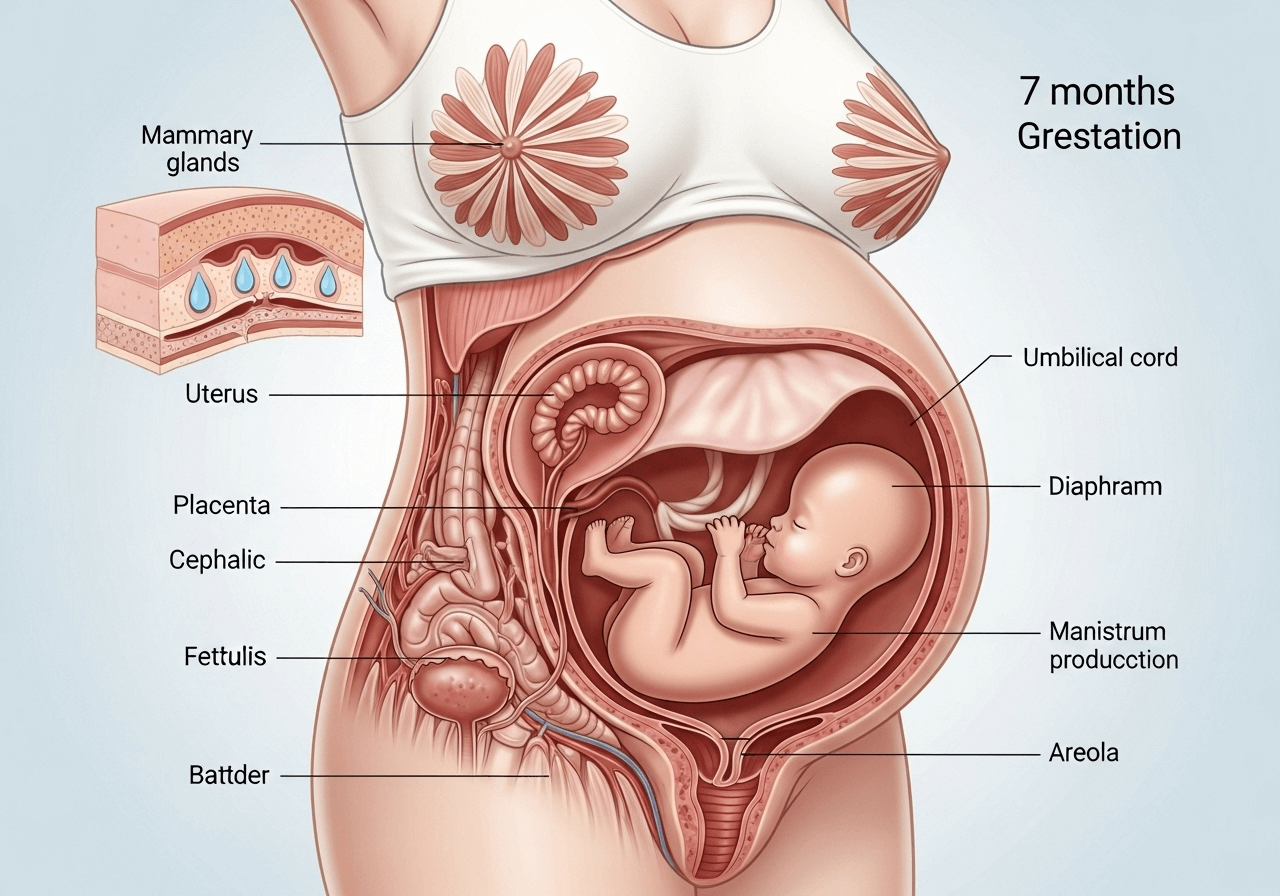
Uterus Growth: Expands higher, pressing on lungs and stomach.
- Circulation Boost: More blood volume causes a flushed glow.
- Breathing Changes: Slight shortness of breath as lungs have less room.
- Braxton Hicks: Painless “practice” contractions may begin.
Think of Month 7 as your “training month”—your body and baby are rehearsing for the final stages of pregnancy.
How Your Baby is Growing
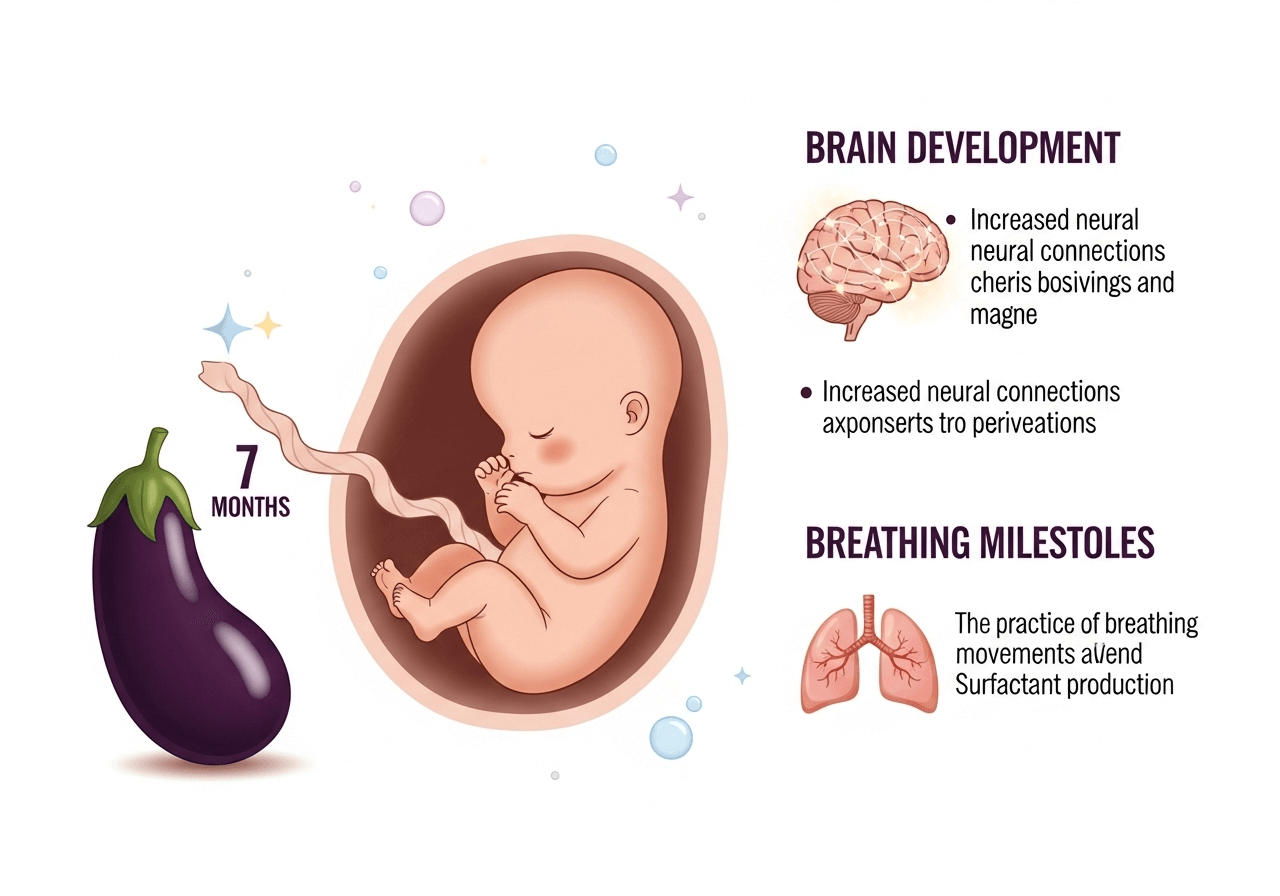
Size: By month 7, your baby measures about 36–40 cm and weighs around 1–1.5 kg. That’s about the length of a lauki (bottle gourd) and as heavy as a medium coconut.
Milestones
- The baby's brain develops rapidly.
- Eyes can open and respond to light.
- The baby practices breathing with amniotic fluid.
- Movements are more coordinated.
- Fat layers develop for warmth.
Understanding Braxton Hicks Contractions
Many women begin experiencing Braxton Hicks contractions during the seventh month. These "practice contractions" can be confusing and sometimes alarming, especially during a first pregnancy.
What Are Braxton Hicks?
Braxton Hicks contractions are your uterus's way of practising for labour. During a contraction, your belly feels tight and hard for 30 seconds to two minutes before relaxing again. They are usually painless or mildly uncomfortable, though some women find them more intense. They were named after the British doctor John Braxton Hicks, who first described them in 1872.
Braxton Hicks vs Real Labour
The key differences are regularity and progression. Braxton Hicks contractions are irregular, do not increase in frequency or intensity, and typically stop when you change positions, walk around, or drink water. Real labour contractions become progressively closer together, last longer, and grow stronger over time. They do not stop with rest or position changes. If you are unsure whether your contractions are real, time them. If they are consistently 5 minutes apart for an hour and getting stronger, contact your doctor.
Common Triggers
Braxton Hicks are often triggered by dehydration, a full bladder, physical activity, or even your baby's movements. Staying well hydrated and emptying your bladder regularly can help reduce their frequency. While they can be uncomfortable, they are a normal and healthy part of pregnancy that indicates your body is preparing for delivery.
Self-Care Tips + Nutrition

Diet & Nutrition
- Eat small, frequent meals to reduce heartburn.
- Focus on protein, iron, and calcium-rich foods.
- Add omega-3s for baby’s brain development.
- Limit salt to manage swelling.
Lifestyle Tips
- Sleep on your left side to improve blood flow.
- Use pillows for belly and back support.
- Practice breathing exercises to manage stress.
Safety Guidelines
- Sleep on your left side for better circulation.
- Avoid heavy lifting or high-risk exercises.
- Continue avoiding alcohol, smoking, and raw foods.
Preparing for Maternity Leave
With three months to go until your due date, the seventh month is the right time to finalize your maternity leave plans at work.
Know Your Rights
In India, the Maternity Benefit Amendment Act of 2017 entitles women working in establishments with 10 or more employees to 26 weeks of paid maternity leave for the first two children. For the third child onwards, the entitlement is 12 weeks. This leave can be taken up to 8 weeks before the expected delivery date. If you work in the private sector, check your company's specific maternity policy, as some employers offer additional benefits beyond the legal minimum.
Planning Your Handover
Start documenting your ongoing projects, key contacts, and regular responsibilities. Identify a colleague who can cover your duties and begin training them gradually. This makes the transition smoother for your team and reduces the pressure to be available during your leave. Prepare a detailed handover document that your replacement can reference independently.
Setting Boundaries During Leave
Decide in advance how available you want to be during maternity leave and communicate this clearly with your manager. Some women prefer a clean break with no work contact, while others are comfortable with occasional check-ins. Whatever you choose, remember that maternity leave exists to give you time to recover and bond with your baby. Do not feel guilty about prioritizing your family during this time.
Doctor Checklist
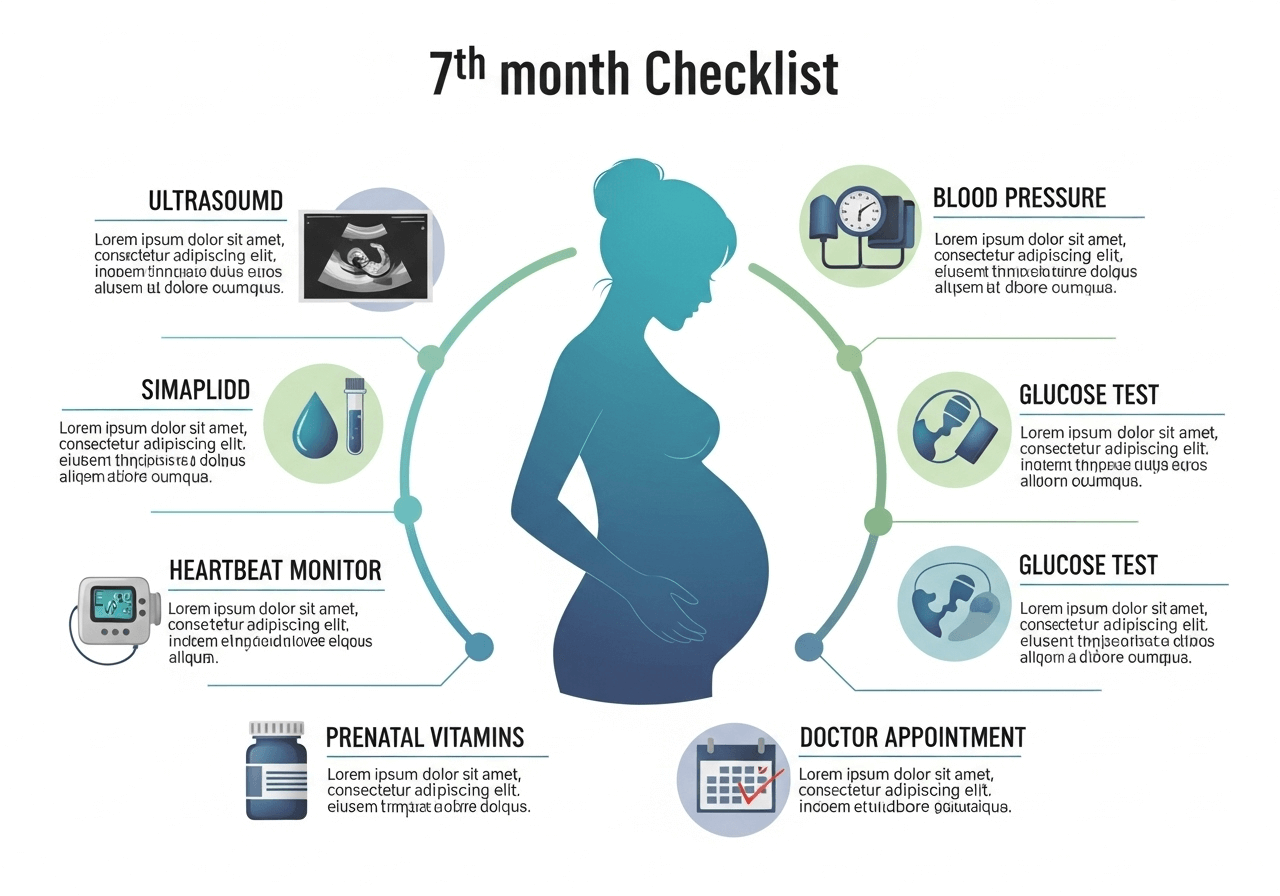
Tests & Scans
- Ultrasound scan to check baby’s growth.
- Glucose tolerance test results review.
- Blood pressure and weight monitoring.
- Fetal heartbeat and movement checks.
Questions to Ask
- How can I manage shortness of breath?
- What are the warning signs of preterm labor?
- Should I adjust my exercise routine?
Reminders
- Continue prenatal vitamins.
- Track baby’s movement daily.
Related Guides
As you enter the third trimester, our 7-month baby care guide will help you prepare for your growing baby. Continue your pregnancy journey with our month 8 pregnancy guide.
FAQs
1. What are the common 7th month pregnancy symptoms?
At 7 months pregnant, symptoms often include stronger baby kicks, fatigue, swelling in feet and hands, heartburn, difficulty sleeping, and Braxton Hicks contractions. Shortness of breath and back pain may also increase as your uterus expands. Most symptoms are normal, but sudden swelling, vision changes, or heavy bleeding should be reported to your doctor immediately.
2. How big is my baby at 7 months pregnant?
By the 7th month, your baby is about 36–38 cm long and weighs around 1.2 kg, roughly the size of an eggplant. The baby’s brain is rapidly developing, fat layers are forming, and eyes can open and respond to light. You’ll likely notice more coordinated and frequent kicks as your baby becomes stronger and more active.
3. Is it safe to travel in the 7th month of pregnancy?
Travel in the 7th month is usually safe if your pregnancy is low-risk. Always consult your doctor first. For flights, choose the aisle seat, stay hydrated, and move around every 1–2 hours. For long car trips, take frequent breaks and wear your seatbelt below the belly. Avoid travel if you have preterm labor risk, high blood pressure, or other complications.
4. What foods should I eat in the 7th month of pregnancy?
Focus on a balanced diet with:
- Protein-rich foods (chicken, beans, eggs)
- Calcium and vitamin D (milk, yogurt, almonds)
- Iron-rich foods (lentils, spinach, fortified cereals)
- Omega-3s (walnuts, salmon, chia seeds)
5. What foods should I avoid in the 7th month of pregnancy?
Avoid raw or undercooked meat, high-mercury fish (swordfish, shark), unpasteurized dairy, raw sprouts, alcohol, and smoking. Limit caffeine intake to under 200 mg daily (around one small cup of coffee). These foods may pose risks like infections, premature labor, or harm to your baby's brain and organ development. Always wash fruits and vegetables before eating.
6. What tests are done in the 7th month of pregnancy?
During the 7th month, your doctor may perform:
- Ultrasound scan to monitor growth and position
- Glucose tolerance test results review
- Blood pressure and urine checks for preeclampsia
- Fetal heartbeat and movement monitoring
7. Can I exercise in the 7th month of pregnancy?
Yes, moderate exercise is safe for most women in the 7th month. Walking, swimming, and prenatal yoga can ease back pain, improve circulation, and boost energy. Avoid high-impact workouts, heavy lifting, or lying flat on your back. Always consult your doctor before starting or continuing exercise, and stop if you feel dizzy, short of breath, or experience pain.
8. What are Braxton Hicks contractions at 7 months?
Braxton Hicks are mild, irregular “practice contractions” that may begin or become more noticeable in Month 7. They feel like a tightening of the belly but are usually painless and infrequent. Unlike true labor contractions, they don’t increase in strength or frequency. Staying hydrated and changing positions often reduces discomfort. Report frequent or painful contractions to your doctor.
9. How much weight should I gain by 7 months pregnant?
By Month 7, most women gain about 9–12 kg (20–26 lbs) depending on pre-pregnancy BMI. Weight gain supports the baby’s growth, extra blood volume, and amniotic fluid. Doctors track your weight at each check-up and may adjust nutrition advice if needed. Gaining too much or too little may affect your baby’s health, so follow your doctor’s recommendations.
10. How do I track baby movement at 7 months pregnant?
At 7 months, movements are stronger and more regular. Most doctors recommend daily “kick counts.” Pick a time when your baby is active and count how long it takes to feel 10 movements. Typically, you’ll feel 10 kicks within 2 hours. If you notice a sudden decrease or absence of movement, contact your doctor immediately for a check-up.
11. Is shortness of breath normal at 7 months pregnant?
Yes, mild shortness of breath is common as your uterus expands and pushes against your diaphragm, leaving less room for your lungs. This can make breathing feel harder during activity or while lying down. Try sitting upright, sleeping with extra pillows, and pacing your movements. Seek medical help if breathing becomes severe, painful, or accompanied by chest discomfort.
12. What signs of preterm labor should I watch for in Month 7?
Warning signs of preterm labor include regular contractions, vaginal bleeding, leaking amniotic fluid, pelvic pressure, or sudden lower back pain. If you notice any of these symptoms, contact your doctor immediately. Preterm labor at 7 months can sometimes be stopped or delayed with medical care, giving your baby more time to develop safely in the womb.
As you prepare for your baby's arrival, explore Teddyy's range of baby care products designed for your newborn's comfort and safety.
Conclusion
The 7th month of pregnancy is exciting as your baby develops rapidly and you prepare for birth. Stay mindful of symptoms, practice good nutrition, and keep up with doctor visits.