Filter by Month
By Nobel Hygiene Team | Last Updated: April 25, 2026

5th Month Pregnancy: Baby Movements, Anatomy Scan & Care

Your pregnancy is undoubtedly being watched by everyone in the neighbourhood like the overs in a cricket tournament. So, we don’t have to tell you it’s Month 5 of pregnancy. What we would like to tell you, though, is you’re doing so well, mumma; you’re halfway through your pregnancy! This is a time of exciting changes, both for you and your baby. Your belly bump is more noticeable and you may feel the little one somersaulting in there.
Shall we celebrate with a little carb loading? You deserve that.
5th Month Pregnancy Symptoms
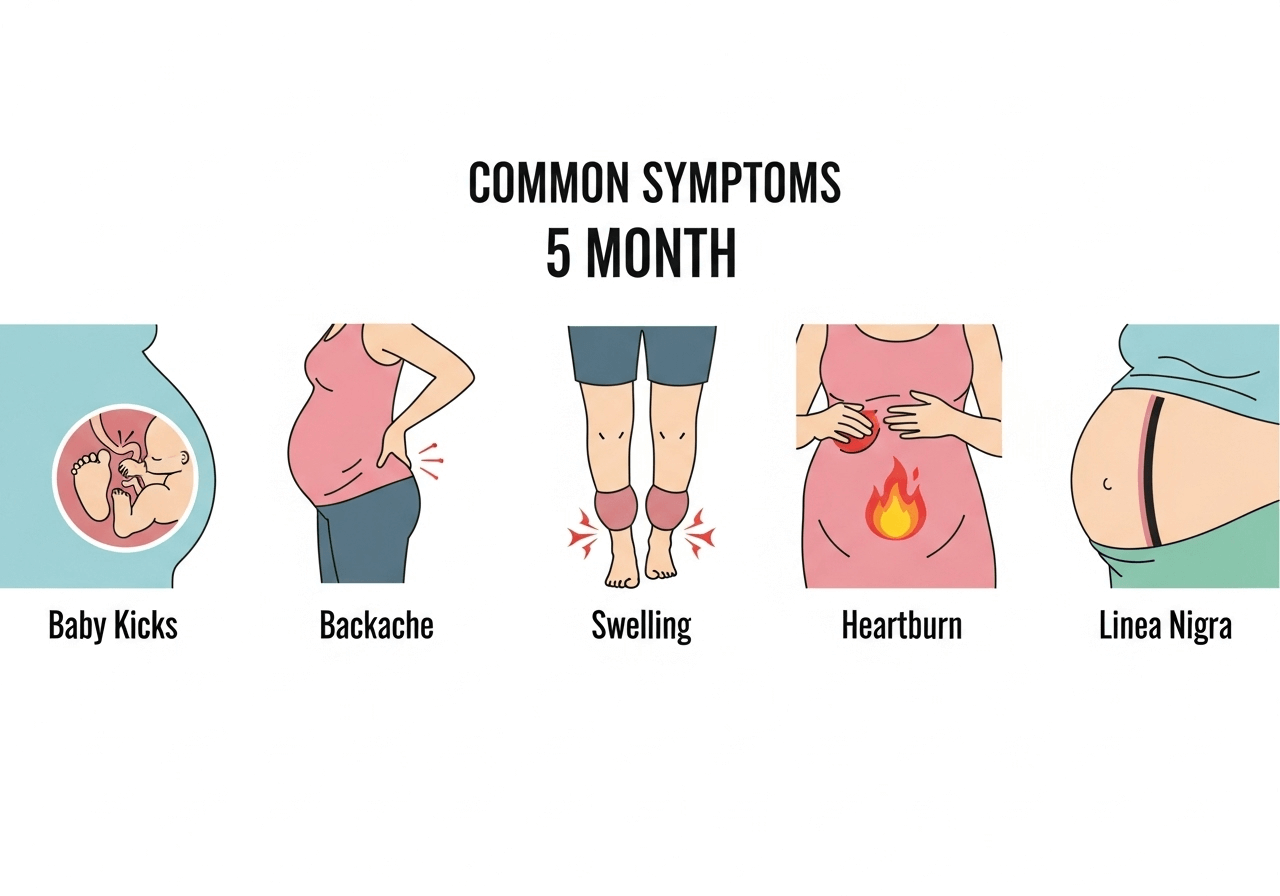
Prepare yourself, mumma; some of them might not be as exciting.
- More pronounced baby movements: Kicks, rolls, flips
- Visible bump growth and weight gain
- Backaches: From posture and belly weight
- Leg cramps or swelling in feet and ankles
- Heartburn: From hormonal and physical changes
- Linea nigra: Dark vertical line on your belly
- Increased appetite: As baby’s needs grow
- Breast changes: Tenderness, enlargement, darkening areolas, early colostrum
When to Visit Your Doctor
If you have severe abdominal pain or cramping, vaginal bleeding, or unusual discharge, don’t ignore it. Sudden swelling in your face, hands, or legs, severe headaches, vision changes, or dizziness could signal high blood pressure. If your baby’s movements decrease or stop, or if you have persistent nausea, vomiting, fever, or burning when you urinate, contact your doctor immediately. It is always advised to keep your doctor informed as soon as you notice any of these symptoms.
The Anatomy Scan: What to Expect
The mid-pregnancy anatomy scan, usually scheduled between weeks 18 and 22, is one of the most detailed ultrasounds you will have during your pregnancy. It is also the appointment many parents look forward to the most.
What the Scan Checks
The sonographer will systematically examine your baby's major organs and structures. This includes the brain, heart chambers, spine, kidneys, stomach, limbs, and facial features. The scan also checks the placenta's position and health, the amount of amniotic fluid, and the umbilical cord's blood flow. It takes approximately 20 to 45 minutes, depending on your baby's position and cooperation.
Finding Out the Gender
If you wish to know your baby's sex, the anatomy scan is typically when it can be determined with reasonable accuracy. However, this depends on your baby's position during the scan. Some babies keep their legs crossed or face away from the ultrasound, making it difficult to confirm. Let your sonographer know at the start of the appointment whether you want to know or would prefer to keep it a surprise.
What If Something Looks Unusual
In the majority of cases, the anatomy scan confirms that everything is developing normally. Occasionally, the sonographer may flag something that needs a closer look or a follow-up scan. Try not to panic if this happens. Many findings turn out to be harmless variations or resolve on their own as the pregnancy progresses. Your doctor will explain the results and recommend any further steps if needed.
What’s Happening in Your Body
Belly & Uterus: Growing bump; occasional round ligament pain.
- Hormones: Mood swings, skin changes, slower digestion.
- Circulation & Breathing: More blood flow; palpitations, mild breathlessness.
- Breasts: Bigger, tender, darkening areolas, early colostrum.
- Digestion: Increased appetite, heartburn, bloating, constipation.
- Skin & Hair: Linea nigra, stretch marks, glow or acne.
- Muscles & Joints: Backaches, looser joints.
- Emotions: Mood swings; stronger bond as baby moves.
Month 5 is like the “construction boom” phase—everything is growing, stretching, and getting stronger for the months ahead.
How Your Baby is Growing
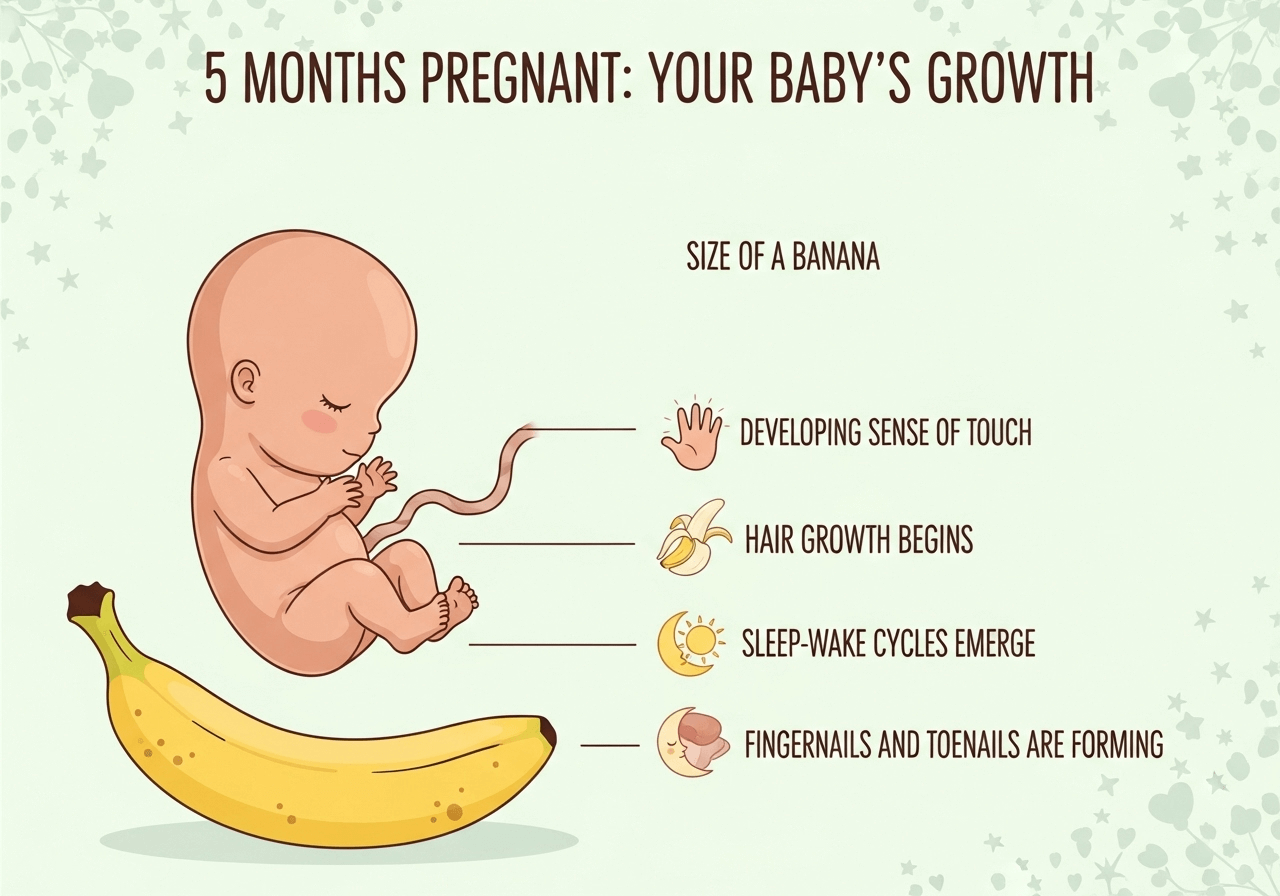
Size: By Month 5, your baby is about 15–18 cm (crown to rump) and weighs around 280 gms. That’s roughly the size of a small banana and about as heavy as a steel katori of dal.
Key Milestones
- Hearing Development: Baby can hear your heartbeat and external sounds.
- Movement: You'll feel more frequent and distinct kicks.
- Skin: Covered in vernix caseosa, a protective layer.
- Hair & Eyebrows: Soft hair growth continues on the scalp and body.
Dealing with Back Pain and Body Aches
By the fifth month, your growing belly is shifting your centre of gravity forward, which puts increasing strain on your back muscles. Back pain is one of the most common complaints during mid-pregnancy.
Why It Happens
As your uterus expands, it stretches and weakens your abdominal muscles, forcing your back muscles to work harder to maintain posture. The hormone relaxin, which loosens your ligaments and joints in preparation for delivery, also contributes to instability in your lower back and pelvis. Weight gain and changes in how you walk and stand further compound the problem.
Relief Strategies
Practice good posture by standing tall with your shoulders back and pelvis tucked slightly under. When sitting, use a cushion to support your lower back. Avoid standing for long periods, and when you must stand, place one foot on a low stool to reduce lower back pressure. Gentle stretching, prenatal yoga, and swimming can strengthen supporting muscles and relieve tension. A warm (not hot) compress on the sore area provides temporary relief.
When to See Your Doctor
Mild to moderate back pain is a normal part of pregnancy. However, if the pain is severe, constant, or accompanied by numbness or tingling in your legs, contact your doctor. Rhythmic lower back pain that comes and goes could also be a sign of preterm contractions, which should always be evaluated promptly.
Self-Care Tips + Nutrition
 prenatal vitamins on the table.
" style="width:100%; height:auto;" />
prenatal vitamins on the table.
" style="width:100%; height:auto;" />
Diet & Nutrition:
- Increase protein intake for muscle and tissue growth.
- Ensure calcium and vitamin D for bone strength.
- Add magnesium-rich foods (nuts, seeds) to ease muscle cramps.
- Eat smaller, frequent meals to manage heartburn.
Lifestyle Habits:
- Do gentle stretches and prenatal yoga to ease back pain.
- Elevate feet to reduce swelling.
- Wear comfortable, supportive shoes.
Safety Guidelines:
- Avoid lying flat on your back for long periods.
- Limit salt intake to control swelling.
- Continue to avoid alcohol, smoking, and high-mercury fish.
Pregnancy Sleep Challenges
Getting a good night's sleep becomes increasingly difficult during the fifth month, just when your body needs rest the most.
Common Sleep Disruptors
Frequent urination interrupts sleep as your growing uterus presses on your bladder. Leg cramps, often caused by changes in circulation and mineral levels, can wake you suddenly in the middle of the night. Heartburn tends to worsen when you lie down, as relaxed digestive muscles allow stomach acid to rise. Finding a comfortable sleeping position becomes harder as your belly grows and your usual positions no longer feel right.
Best Sleeping Positions
Sleeping on your left side is generally recommended from the second trimester onwards. This position optimizes blood flow to the placenta and reduces pressure on your liver. Place a pillow between your knees to align your hips and reduce lower back strain. A pregnancy pillow or a regular pillow tucked under your belly provides additional support. Avoid sleeping flat on your back for extended periods, as the weight of your uterus can compress major blood vessels.
Tips for Better Sleep
Establish a calming bedtime routine: take a warm shower, read a book, or practice gentle breathing exercises. Limit fluid intake in the two hours before bed to reduce nighttime bathroom trips. Eat dinner at least two to three hours before lying down to minimize heartburn. Keep your bedroom cool, dark, and quiet. If sleep remains elusive despite your best efforts, short daytime naps can help you catch up on lost rest.
Doctor’s Checklist
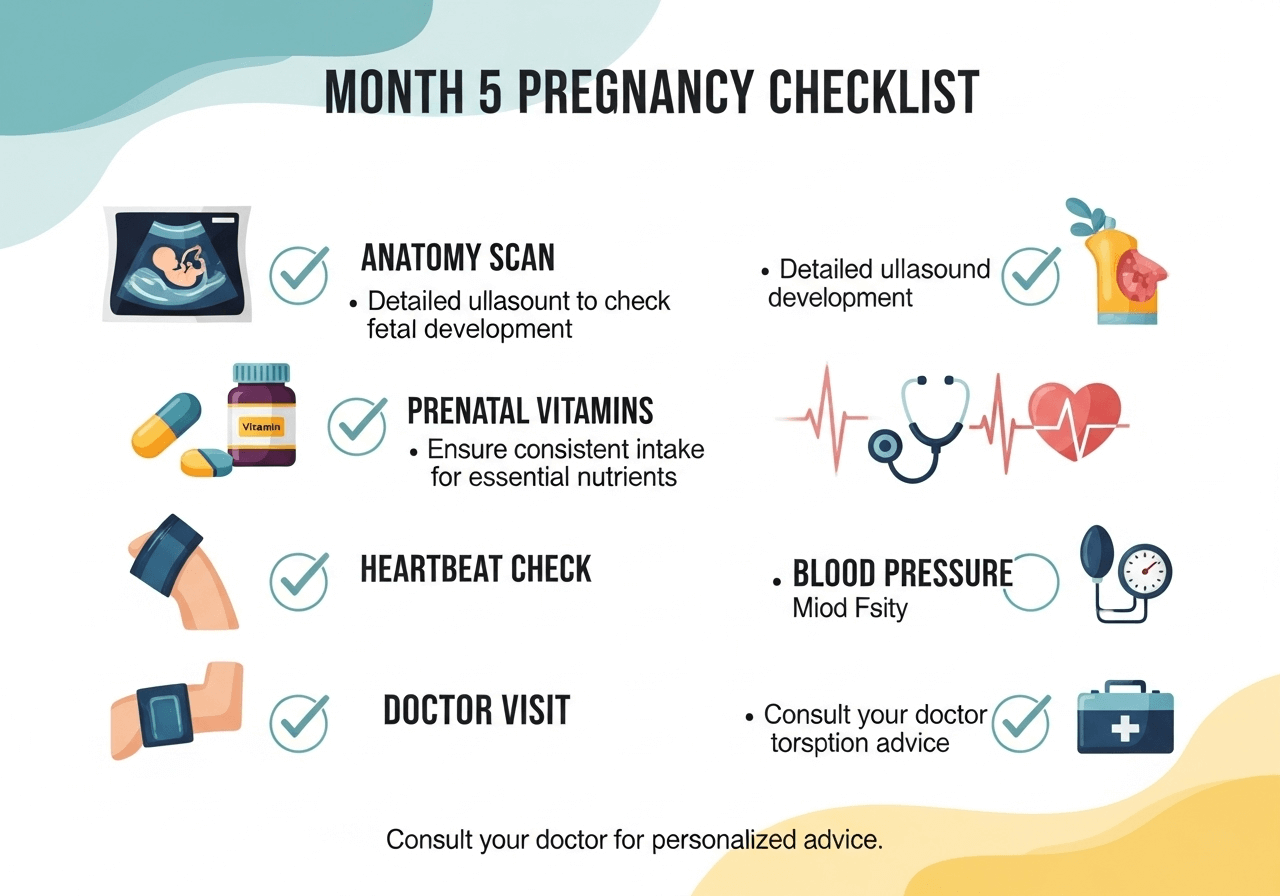
Tests & Scans:
- Anatomy scan (mid-pregnancy ultrasound) to check growth and development.
- Blood pressure and weight monitoring.
- Urine test for protein and glucose levels.
Questions to Ask:
- Is my baby’s growth on track?
- Are my weight and blood pressure normal?
- Should I start childbirth education or prenatal classes now?
- Are my current symptoms (heartburn, back pain, swelling) normal?
Reminders:
- Continue prenatal vitamins.
- Start noting patterns in baby movements.
Related Guides
Get ready for parenthood with our 5-month baby care guide covering solids preparation and key milestones. Continue your pregnancy journey with our month 6 pregnancy guide.
FAQs
1. What are the symptoms in the 5th month of pregnancy?
Common 5th month pregnancy symptoms include stronger baby movements, visible bump growth, backaches, leg cramps, mild swelling in feet and ankles, heartburn, and increased appetite. Many women also notice the linea nigra and round ligament pain. Severe pain, bleeding, or sudden swelling should be reported to a doctor immediately.
2. How big is my baby at 5 months pregnant?
At 5 months, your baby measures around 25 cm and weighs about 300 grams—similar to a banana. The baby’s hearing is developed enough to respond to sounds, and hair, eyebrows, and eyelashes begin forming. Baby movements become more frequent and easier to feel this month.
3. What should I eat during the 5th month of pregnancy?
Include protein-rich foods (eggs, lean meat, lentils), calcium sources (dairy, almonds), iron-rich vegetables (spinach, beetroot), and magnesium-rich nuts to prevent cramps. Eat small, frequent meals to control heartburn. Avoid alcohol, high-mercury fish, raw or undercooked foods, and excessive caffeine for a healthy pregnancy.
4. What foods should I avoid in the 5th month of pregnancy?
Avoid:
- Raw or undercooked meats and seafood
- High-mercury fish like shark and swordfish
- Unpasteurized milk and cheese
- Alcohol and tobacco
- Excessive caffeine
5. What tests are done in the 5th month of pregnancy?
The main test in Month 5 is the anatomy scan (mid-pregnancy ultrasound) between weeks 18–22 to check the baby’s growth, organ development, and placenta health. Routine prenatal visits will monitor blood pressure, urine protein, weight gain, and fetal heartbeat.
6. Can I travel safely at 5 months pregnant?
Yes, the second trimester is generally the safest time for travel if your pregnancy is low-risk. Wear a seatbelt correctly, move around during long trips, stay hydrated, and choose destinations with accessible healthcare. Always consult your doctor before making travel plans.
7. How much weight should I gain by 5 months pregnant?
By Month 5, most women gain between 4–6 kg, depending on their pre-pregnancy weight. In the second trimester, expect to gain about 0.4–0.5 kg per week. Focus on balanced nutrition rather than calorie counting, and discuss weight gain with your doctor during check-ups.
8. Can I sleep on my back in the 5th month of pregnancy?
By the second trimester, it’s better to avoid sleeping flat on your back as your uterus can press on major blood vessels, reducing circulation. Sleeping on your left side is best for improving blood flow to your baby and placenta. Use pillows for support.
9. What exercises are safe during the 5th month of pregnancy?
Safe exercises include walking, swimming, prenatal yoga, and low-impact aerobics. Avoid contact sports, heavy lifting, or activities that risk falls. Always warm up, stay hydrated, and stop if you feel dizzy, short of breath, or experience pain. Consult your doctor before starting any new workout.
10. When should I start childbirth classes during pregnancy?
Many experts recommend starting childbirth or antenatal classes in the 5th or 6th month. This gives you time to learn breathing techniques, pain management options, and newborn care skills before the final trimester, when fatigue may increase and mobility decreases.
Conclusion
Month 5 marks an exciting midpoint in your pregnancy journey. Your baby is growing quickly, movements are becoming more noticeable, and your body is adapting beautifully to support this little life. Keep caring for yourself, cherishing these moments, and staying on top of your prenatal appointments—you’re doing wonderfully, mumma.