Postpartum Recovery: A Complete Guide for New Mothers
By Teddyy Editorial Team | Last Updated: April 28, 2026
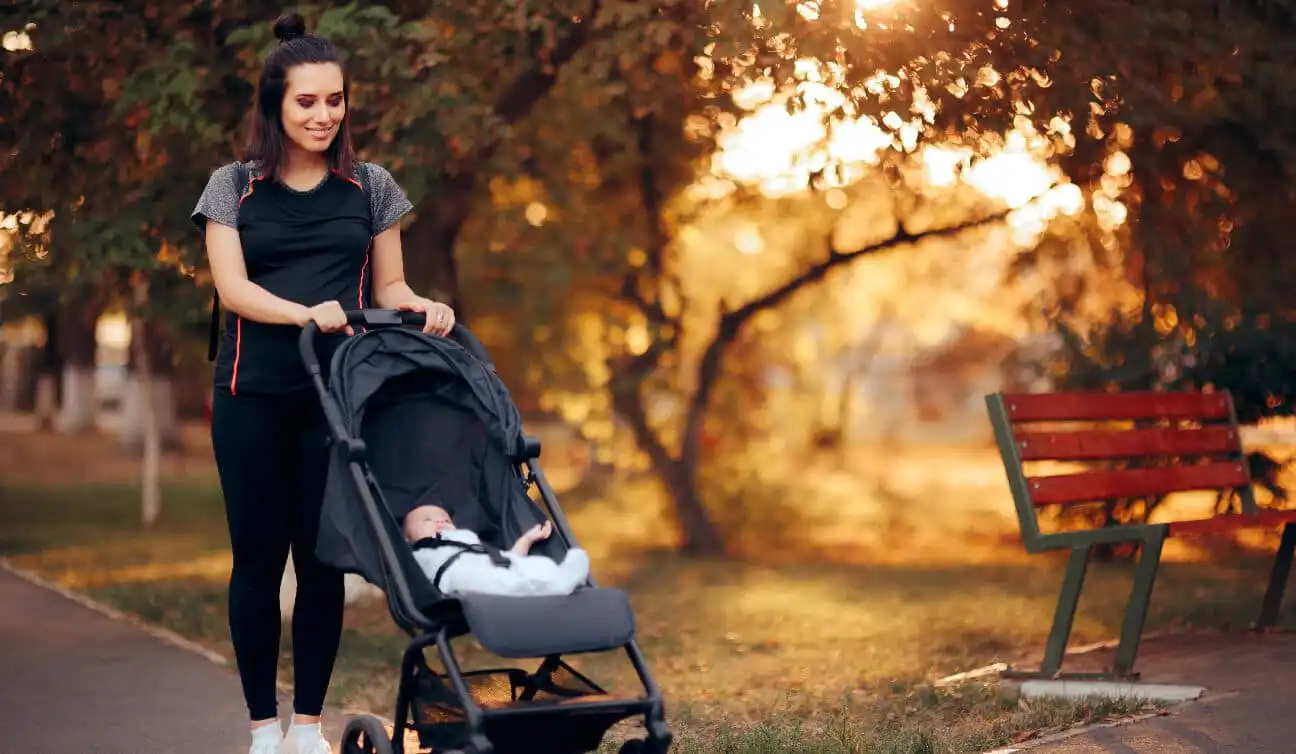
Postpartum recovery is the physical and emotional healing process that every new mother goes through after childbirth. Whether you had a vaginal delivery or a C-section, your body needs time to recover from the immense effort of pregnancy and birth. Understanding the stages of postpartum recovery, knowing what is normal, and learning how to care for yourself during this period can make your transition into motherhood smoother, safer, and more confident.
The postpartum period, often called the “fourth trimester,” generally refers to the first six weeks after delivery, though full recovery can take several months. During this time, your body undergoes significant changes as your uterus shrinks, hormone levels shift, and your energy adjusts to the demands of caring for a newborn. This guide covers everything you need to know about postpartum recovery, from week-by-week timelines to nutrition, pelvic floor health, emotional wellbeing, and when to seek medical help.
Postpartum Recovery
Postpartum recovery refers to the period after childbirth when your body heals and returns to its pre-pregnancy state. This process involves physical healing of the uterus, birth canal, and abdominal muscles, as well as hormonal rebalancing and emotional adjustment. The recovery process is different for every woman and depends on several factors, including the type of delivery (vaginal or caesarean), whether there were complications, your overall health before and during pregnancy, and the level of support you have at home.
During postpartum recovery, you can expect changes such as vaginal bleeding (lochia), uterine contractions as the uterus shrinks back to its normal size, breast changes as milk production begins, and fluctuating energy levels. While some mothers feel significantly better within a few weeks, research suggests that full postpartum recovery can take up to 12 months or longer for some women.
Postpartum Recovery Timeline: Week by Week
Understanding what to expect during each phase of recovery helps you track your progress and know when something might need medical attention.
Week 1 (Days 1-7)
The first week after delivery is the most intense recovery period. You will experience heavy vaginal bleeding (lochia), which is your body shedding the uterine lining. Afterpains, which are cramping sensations caused by the uterus contracting back to its normal size, are common and may feel stronger during breastfeeding. You may also experience perineal soreness if you had a vaginal delivery, or incision pain if you had a C-section. Fatigue is significant during this week as your body heals while simultaneously adjusting to round-the-clock newborn care. Focus on resting whenever the baby sleeps, staying hydrated, and accepting help from family and friends.
Week 2 (Days 8-14)
By the second week, vaginal bleeding typically transitions from bright red to a pinkish or brownish colour. Perineal discomfort begins to ease, and you may start to feel slightly more energetic, though sleep deprivation can make this variable. Breast engorgement is common during this period as your milk supply establishes. Continue to take things slowly and avoid lifting anything heavier than your baby.
Weeks 3-4
During weeks three and four, most physical discomfort begins to reduce noticeably. Lochia lightens further and may become yellowish-white. If you had stitches from a tear or episiotomy, they should be dissolving by now. Emotionally, this is often the period where baby blues either resolve naturally or potentially develop into postpartum depression, so it is important to monitor how you are feeling and communicate openly with your partner and healthcare provider.
Weeks 5-6
Most healthcare providers schedule a postpartum checkup around six weeks after delivery. By this time, your uterus has typically returned to its pre-pregnancy size, lochia has stopped or is minimal, and external wounds have mostly healed. Your doctor will examine your recovery, discuss contraception options, and give you clearance to gradually resume exercise and sexual activity if you feel ready. However, it is important to understand that this six-week mark is not a finish line. Many women continue healing physically and emotionally for several months beyond this point.
Months 2-6 and Beyond
Full postpartum recovery extends well beyond six weeks. Abdominal muscle separation (diastasis recti) may take months of targeted exercises to improve. Hair loss, which is caused by dropping oestrogen levels, often peaks around three to four months postpartum. Your menstrual cycle may return anywhere from six weeks to several months after delivery, depending on whether you are breastfeeding. Emotionally, adjusting to your new identity as a mother is an ongoing process. Be patient with yourself and remember that there is no fixed deadline for feeling “back to normal.”

Physical Recovery After Vaginal Delivery
Recovery after a vaginal delivery involves healing of the perineum, the area between the vagina and the rectum, which may have stretched, torn, or been cut (episiotomy) during delivery. Here is what to expect and how to manage your healing:
Perineal soreness is one of the most common postpartum complaints after vaginal birth. Using a peri bottle (a squeeze bottle filled with warm water) to cleanse the area after using the toilet is gentler and more hygienic than wiping with toilet paper. Sitting on a cushion or a donut pillow can relieve pressure on the perineum. Cold packs applied to the area during the first 24-48 hours help reduce swelling, while warm sitz baths (sitting in a few inches of warm water) after the first couple of days can promote healing and provide comfort.
You may experience difficulty with bowel movements in the first few days due to perineal soreness, dehydration, or the effects of pain medication. Eating fibre-rich foods, drinking plenty of water, and gentle movement can help. Your doctor may also recommend a stool softener. Haemorrhoids, which are swollen veins in the rectal area, are common after vaginal delivery due to the pressure of pushing. They usually resolve on their own within a few weeks but can be managed with topical creams, cold packs, and sitz baths.
Vaginal bleeding (lochia) continues for four to six weeks after delivery. It starts heavy and bright red, then gradually becomes lighter in colour and flow. If you notice a sudden increase in bleeding, large clots, or foul-smelling discharge, contact your doctor immediately as these could be signs of infection or retained placental tissue.
Physical Recovery After C-Section
A caesarean section is a major abdominal surgery, and recovery typically takes longer than after a vaginal delivery. Most women need six to eight weeks for the incision to heal, and full internal healing can take several months.
In the first few days after a C-section, you will likely experience significant incision pain. Your healthcare team will manage this with pain medication, and it is important to take your prescribed medication on schedule rather than waiting until the pain becomes severe. Getting out of bed and walking short distances is encouraged within 24 hours of surgery, as gentle movement promotes blood circulation and helps prevent blood clots, a serious post-surgical risk.
When caring for your incision at home, keep the area clean and dry. Wear loose, comfortable clothing that does not rub against the wound. Watch for signs of infection such as increasing redness, swelling, warmth around the incision, pus or drainage, fever, or worsening pain. Avoid lifting anything heavier than your baby for at least the first six weeks. When getting in and out of bed, roll onto your side first and use your arms to push yourself up rather than engaging your abdominal muscles directly. Holding a pillow against your abdomen when coughing, sneezing, or laughing can help reduce incision pain.
You will still experience lochia after a C-section, as vaginal bleeding is caused by the shedding of the uterine lining, not the method of delivery. The duration and pattern are similar to vaginal birth recovery.
Emotional Recovery and Mental Health
The emotional aspect of postpartum recovery is just as important as the physical. Hormonal shifts, sleep deprivation, the demands of newborn care, and the adjustment to your new role as a mother can all impact your mental and emotional wellbeing.
It is completely normal to feel overwhelmed, anxious, tearful, or irritable in the first few weeks after delivery. These feelings, often called the “baby blues,” affect up to 80 percent of new mothers and are primarily caused by the sudden drop in oestrogen and progesterone levels after birth. Baby blues typically resolve on their own within two weeks.
However, your emotional recovery also involves a deeper identity shift. You are adjusting to being responsible for a tiny, dependent human being, which can bring up feelings of self-doubt, loss of independence, and pressure to be a “perfect” mother. These feelings are valid and very common. Talking openly with your partner, family members, or friends about how you are feeling can make a significant difference. If you find that negative feelings persist, intensify, or begin to interfere with your ability to care for yourself or your baby, it may be a sign of postpartum depression, which requires professional support.

Baby Blues vs. Postpartum Depression
Understanding the difference between baby blues and postpartum depression is crucial for every new mother and her support system.
Baby Blues
Baby blues are temporary and mild. Symptoms include mood swings, crying spells, anxiety, difficulty sleeping (beyond what is caused by the baby), irritability, and feeling overwhelmed. These symptoms usually appear within two to three days after delivery and resolve within two weeks. No treatment is typically needed beyond rest, emotional support, and self-care.
Postpartum Depression (PPD)
Postpartum depression is a more serious condition that requires medical attention. Unlike baby blues, PPD symptoms are more intense, last longer (more than two weeks), and interfere with your ability to function. Symptoms of postpartum depression include persistent sadness or feeling “empty,” severe mood swings, excessive crying, difficulty bonding with your baby, withdrawing from family and friends, loss of appetite or overeating, insomnia or sleeping too much, intense irritability and anger, feelings of worthlessness or guilt, difficulty concentrating, recurring thoughts of harming yourself or your baby, and thoughts of death or suicide.
If you or someone close to you recognises these symptoms, seek help immediately. Postpartum depression is a medical condition, not a character flaw or weakness. Treatment options include therapy (particularly cognitive behavioural therapy), medication, support groups, and lifestyle adjustments. Early intervention leads to better outcomes for both mother and baby.
Learn more about postpartum depression, its causes, and treatment options.
Postpartum Nutrition and Diet
Proper nutrition during the postpartum period is essential for healing, energy, and milk production if you are breastfeeding. Your body needs adequate calories, protein, vitamins, and minerals to recover from childbirth and meet the demands of caring for a newborn.
Focus on eating balanced meals that include lean proteins such as eggs, lentils (dal), chicken, fish, and paneer, which provide the building blocks for tissue repair. Include iron-rich foods like spinach, beetroot, jaggery, and pomegranate to replenish blood lost during delivery. Calcium is critical for bone health, especially if you are breastfeeding, so include dairy products, ragi, and sesame seeds in your diet. Fibre-rich foods such as whole grains, fruits, and vegetables help prevent constipation, which is a common postpartum complaint.
Stay well-hydrated by drinking at least eight to ten glasses of water daily. If you are breastfeeding, you may need even more fluids. Traditional Indian postpartum foods like ajwain water, methi ladoo, dry fruit ladoo, and gond katira are popular for good reason as many of them are rich in nutrients that support recovery and lactation.
Avoid or limit caffeine, highly processed foods, and excessively spicy or oily foods that may cause digestive discomfort. If you had a C-section, your doctor may advise a specific diet progression in the first few days to ensure your digestive system recovers smoothly.
Pelvic Floor Recovery and Exercises
The pelvic floor is a group of muscles that support your bladder, uterus, and bowel. During pregnancy and delivery, these muscles are stretched and weakened, which can lead to issues like urinary incontinence (leaking urine when coughing, sneezing, or laughing), pelvic organ prolapse, and reduced sensation during intimacy.
Pelvic floor exercises, commonly known as Kegel exercises, are one of the most effective ways to strengthen these muscles after delivery. To perform a Kegel exercise, tighten the muscles you would use to stop the flow of urine. Hold the contraction for five seconds, then relax for five seconds. Repeat this ten times, and aim to do three sets per day. As your muscles get stronger, gradually increase the hold time to ten seconds.
You can usually begin gentle Kegel exercises within the first few days after a vaginal delivery, once you feel comfortable. If you had a C-section, wait until your doctor gives you clearance, typically after your incision has begun healing. Consistency is key. It may take several weeks to notice improvements, but regular pelvic floor exercises can significantly reduce or eliminate incontinence issues and support your long-term pelvic health.
If you experience persistent pelvic floor problems despite regular exercises, consider consulting a pelvic floor physiotherapist who can provide personalised guidance and treatment.
Read our detailed guide on Kegel exercises after delivery.
Breastfeeding Challenges and Breast Engorgement
Breastfeeding is one of the most rewarding aspects of new motherhood, but it can also be one of the most challenging. Many new mothers experience difficulties with latching, sore nipples, low milk supply concerns, and breast engorgement, especially in the early weeks.
Breast Engorgement
Breast engorgement occurs when your breasts become overly full of milk, making them hard, swollen, and painful. This commonly happens in the first week after delivery as your milk supply comes in, and it can also occur if feeds are missed or if your baby is not draining the breasts effectively during feeding sessions.
Here are practical ways to manage breast engorgement:
- Apply a warm compress or take a warm shower before feeding to encourage milk flow and make it easier for your baby to latch.
- Feed your baby frequently, at least every one to three hours, and ensure a proper latch to drain the breasts effectively.
- Allow your baby to nurse until they are satisfied before switching to the other breast.
- Gently massage your breasts during feeding to help release blocked milk.
- Apply a cold compress or chilled cabbage leaves between feeds to reduce swelling and relieve pain.
- Use a breast pump to express a small amount of milk if your baby is unable to feed, but avoid over-pumping as this can signal your body to produce even more milk.
If you experience persistent breastfeeding difficulties, fever along with a red or warm area on your breast, or flu-like symptoms, contact your doctor as these could be signs of mastitis, a breast infection that requires medical treatment.
Discover the key benefits of breastfeeding for mother and baby.
When and How to Start Postpartum Exercise
Returning to exercise after childbirth should be a gradual process guided by how your body feels and your doctor’s recommendations. For most women who had an uncomplicated vaginal delivery, gentle walking and pelvic floor exercises can begin within the first few days. For those who had a C-section or complicated delivery, your doctor will likely advise waiting until your six-week checkup before starting any structured exercise.
In the early weeks, focus on gentle activities such as short walks around your home or neighbourhood, deep breathing exercises, and pelvic floor strengthening. These low-impact movements help improve circulation, boost mood, and support recovery without putting excessive strain on your healing body.
After receiving clearance from your doctor, you can gradually reintroduce moderate exercises such as postnatal yoga, swimming, light strength training, and brisk walking. Avoid high-impact activities like running, jumping, or heavy weightlifting until at least three to four months postpartum, or until your pelvic floor is strong enough to handle the impact. If you experience any pain, bleeding, or discomfort during exercise, stop immediately and consult your doctor.
Exercise during the postpartum period offers numerous benefits beyond physical fitness. It can help reduce symptoms of postpartum depression and anxiety, improve sleep quality, boost energy levels, and support healthy weight management. However, the goal should always be to feel better, not to rush back to your pre-pregnancy body shape. Be kind to yourself and progress at your own pace.
Self-Care Tips for New Mothers
While the focus during the postpartum period naturally shifts to your baby, taking care of yourself is equally important. You cannot pour from an empty cup. Prioritising self-care is not selfish; it is necessary for your recovery and for being the best parent you can be.
Here are essential self-care practices for your postpartum recovery:
- Rest whenever possible. Sleep when your baby sleeps. Household chores and social obligations can wait. Your body heals most effectively when you are resting.
- Accept help. Allow family members and friends to help with cooking, cleaning, and caring for older children. You do not need to do everything yourself.
- Eat nourishing meals. Keep healthy snacks readily available and eat regular, balanced meals. Proper nutrition directly impacts your energy, mood, and healing.
- Stay hydrated. Keep a water bottle with you at all times, especially during breastfeeding sessions.
- Attend all postpartum appointments. Do not skip follow-up visits with your doctor. These checkups are essential for monitoring your recovery and addressing any concerns early.
- Stay connected. Isolation can worsen postpartum mood issues. Stay in touch with friends, join a new mothers’ group, or talk to other parents who understand what you are going through.
- Communicate with your partner. Openly discuss responsibilities, expectations, and how you are feeling. Teamwork is essential during this period.
- Give yourself grace. There is no such thing as a perfect mother. You are learning a completely new role, and it is okay to make mistakes, feel uncertain, or have difficult days.
Read more self-care tips and strategies for new mothers.
Warning Signs: When to Call Your Doctor
While most postpartum symptoms are normal and resolve on their own, certain warning signs require immediate medical attention. Contact your doctor or go to the emergency room if you experience any of the following:
- Heavy bleeding that soaks through more than one pad per hour, or bleeding that increases rather than decreases over time
- Large blood clots (bigger than a golf ball)
- Fever of 100.4 degrees Fahrenheit (38 degrees Celsius) or higher
- Severe or worsening abdominal pain
- Foul-smelling vaginal discharge
- Redness, swelling, or discharge from a C-section incision or episiotomy site
- Painful, red, or warm areas on your breast along with fever (possible mastitis)
- Pain, redness, or swelling in your legs (possible blood clot)
- Difficulty breathing or chest pain
- Severe headaches that do not respond to medication, or vision changes
- Thoughts of harming yourself or your baby
- Inability to care for yourself or your baby due to emotional distress
Do not hesitate to seek help. It is always better to contact your healthcare provider and be reassured than to ignore a symptom that could indicate a serious complication. Trust your instincts. If something does not feel right, reach out.
Frequently Asked Questions About Postpartum Recovery
How long does postpartum recovery take
The initial postpartum recovery period is typically six weeks, during which the uterus returns to its normal size and external wounds heal. However, full physical and emotional recovery can take six months to a year or longer. Factors such as the type of delivery, complications, breastfeeding, and your overall health all influence recovery time. Every woman’s experience is unique, so avoid comparing your recovery to others.
When can I start exercising after delivery
For uncomplicated vaginal deliveries, gentle walking and pelvic floor exercises can begin within days of delivery. For C-section deliveries, most doctors recommend waiting until the six-week checkup before starting structured exercise. Always get clearance from your healthcare provider before beginning any exercise programme. Start slowly and gradually increase intensity based on how your body responds.
Is it normal to experience hair loss after delivery
Yes, postpartum hair loss is very common and affects a large percentage of new mothers. It is caused by the drop in oestrogen levels after delivery. During pregnancy, higher oestrogen levels cause less hair to fall out than usual, giving you thicker hair. After delivery, all the hair that was “held in” starts to shed, which can seem alarming. This typically peaks around three to four months postpartum and resolves on its own within six to twelve months.
When will my periods return after delivery
If you are exclusively breastfeeding, your periods may not return for several months or even until you reduce breastfeeding frequency. If you are formula feeding or combination feeding, your periods may return as early as six to eight weeks after delivery. The return of menstruation varies widely and is influenced by hormonal changes related to breastfeeding.
How can I tell if I have postpartum depression
Postpartum depression differs from baby blues in its intensity and duration. If you experience persistent feelings of sadness, hopelessness, or anxiety lasting more than two weeks after delivery, difficulty bonding with your baby, loss of interest in activities, significant changes in appetite or sleep patterns, or thoughts of harming yourself or your baby, speak with your doctor immediately. Postpartum depression is treatable, and early intervention leads to better outcomes.
Key Takeaways
- The postpartum recovery period begins immediately after delivery and can take six months to a year for full physical and emotional healing.
- Recovery differs for vaginal and C-section deliveries, each requiring specific care and precautions.
- Emotional recovery is just as important as physical healing. Baby blues are common and temporary, but postpartum depression requires professional help.
- Proper nutrition, hydration, pelvic floor exercises, and gradual return to physical activity are key pillars of postpartum recovery.
- Know the warning signs that require immediate medical attention, and never hesitate to contact your doctor if something feels wrong.
- Self-care is not optional. Taking care of yourself enables you to take better care of your baby.
Helpful Postpartum Recovery Resources
Continue learning about postpartum recovery and maternal health with these guides:
• Taking Care of Yourself After Birth
• Postpartum Depression: Recognizing the Signs
• Kegel Exercises After Delivery
• Home Postpartum Care to Prevent Health Risks
• C-Section Stitches: Types, Healing Time and Recovery Tips
For medical guidelines on postpartum recovery, visit the American College of Obstetricians and Gynecologists.
References and Sources
- World Health Organization (WHO). WHO Recommendations on Maternal and Newborn Care. who.int
- Indian Council of Medical Research (ICMR). National Guidelines for Maternal Care. icmr.gov.in
- American College of Obstetricians and Gynecologists (ACOG). Your Changing Body After the Birth of Your Baby. acog.org
- American Academy of Pediatrics (AAP). Caring for Your Baby and Young Child. aap.org
- Indian Academy of Pediatrics (IAP). Child Health Guidelines. iapindia.org
- National Library of Medicine. Postpartum Recovery and Care. pubmed.ncbi.nlm.nih.gov