
Filter by Month

By Nobel Hygiene Team | Last Updated: March 31, 2026
Pregnancy Month 1 Guide: Symptoms, Baby Growth & Care
The First Month of Pregnancy
The first month of pregnancy is magical yet often unnoticed. By the time you miss your period, your body has already begun one of life's most incredible transformations —creating a new human being.
Imagine this: by the end of Month 1, your baby is barely the size of a poppy seed, yet its cells are rapidly dividing to form the brain, heart, and spine. Many moms don’t feel “pregnant” yet, but huge changes are happening behind the scenes. If you're curious how your baby's development progresses later on.
If you’ve recently seen those two pink lines—or are wondering about early symptoms—this guide covers everything you need to know about the first month of pregnancy: from signs and baby growth to nutrition, doctor checklists, and emotional care. For information on what to expect as you progress further, check out 3 Months Pregnant: Symptoms, Fetal Development, & Diet Chart.
Symptoms This Month
Every woman experiences early pregnancy differently. Some notice subtle changes even before a missed period, while others feel no symptoms until later.
Most Common 1st Month Pregnancy Symptoms
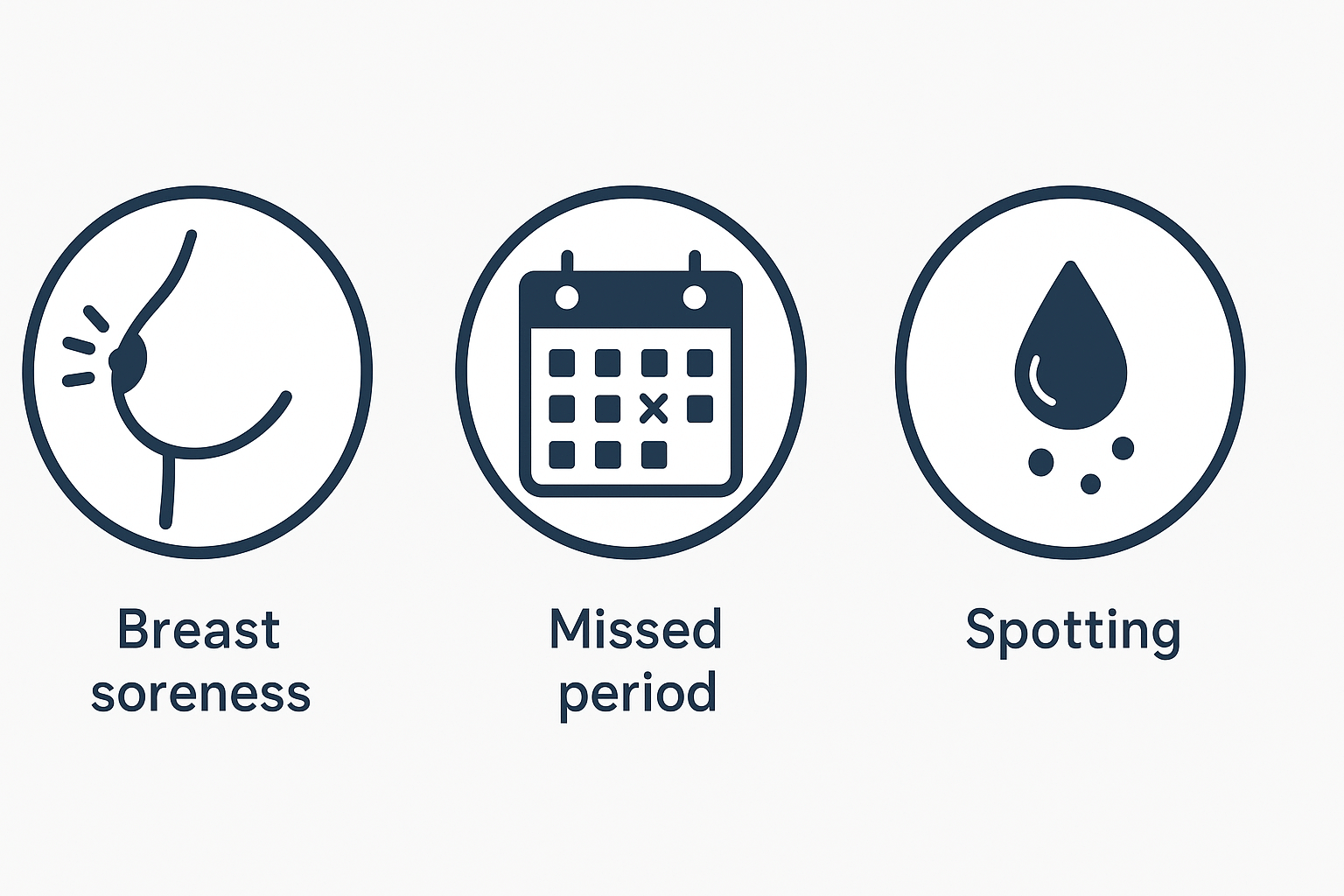
- Missed Period: The earliest and most reliable sign of pregnancy.
- Implantation Bleeding & Mild Cramping: Light pink or brown spotting when the embryo attaches to your uterus (6–14 days after conception).
- Breast Tenderness: Hormonal surges cause swelling, soreness, and sensitivity.
- Fatigue: Increased progesterone and higher blood demands make you unusually tired.
- Frequent Urination: Your kidneys are already processing extra blood volume.
- Mood Swings: Hormonal fluctuations bring emotional highs and lows.
- Bloating & Mild Nausea: Digestive changes may mimic premenstrual symptoms.
What’s Normal vs When to Call Your Doctor
- Normal: Light spotting, mild cramps, occasional fatigue, nausea.
- See Your Doctor If: You experience heavy bleeding, severe abdominal pain, dizziness, or fever.
What’s Happening in Your Body
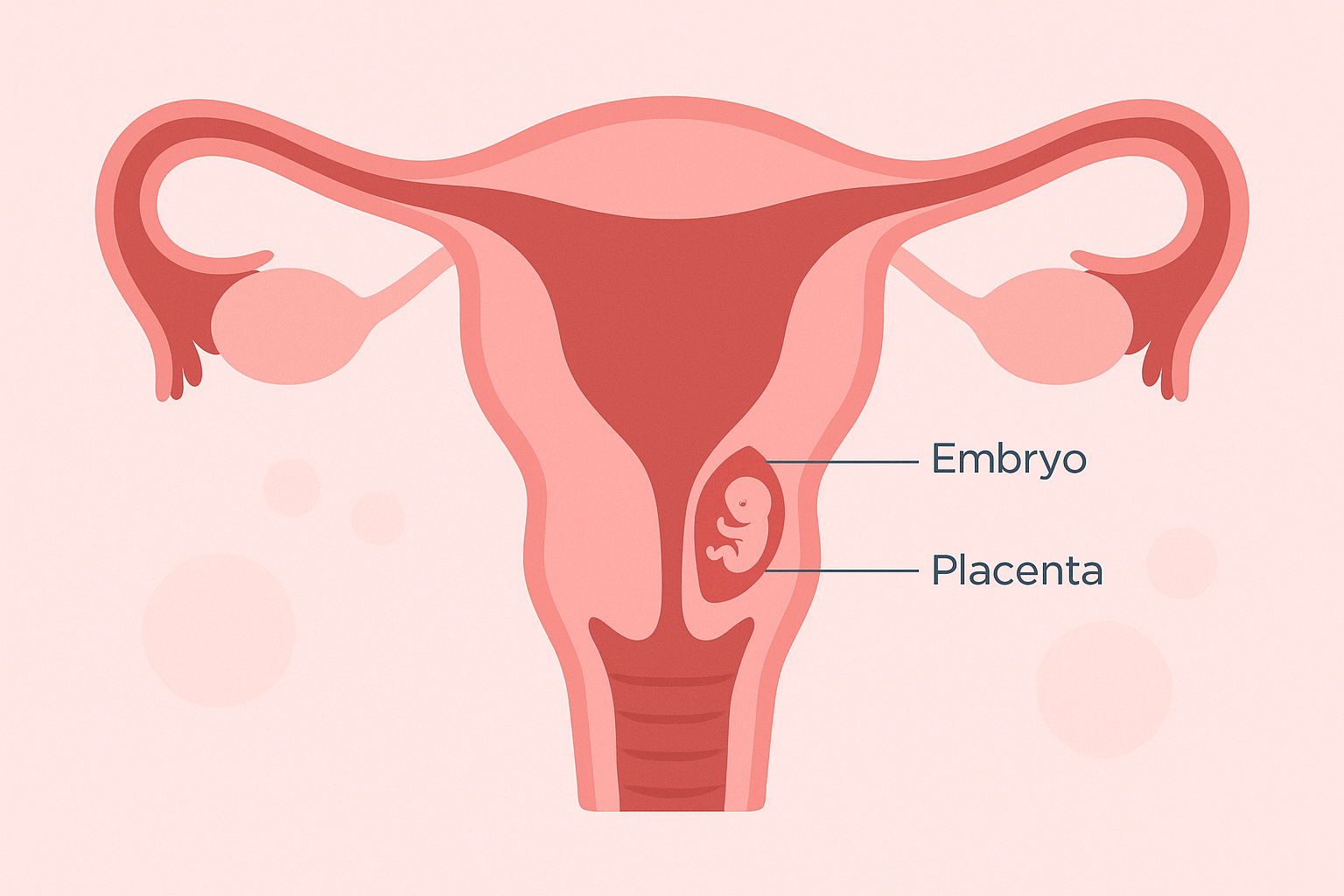
Behind the scenes, your body is transforming to support your growing baby:
- Hormonal Surge: hCG (pregnancy hormone) doubles every 2–3 days, causing many early symptoms.
- Uterus Prepares for Baby: The uterine lining thickens to nourish the embryo.
- Placenta Formation: The placenta and umbilical cord begin developing to supply oxygen and nutrients.
- Increased Blood Volume: Your heart works harder to pump blood to the uterus.
Visible Changes?
At this stage, there’s usually no baby bump yet—but some women notice breast fullness or slight bloating.
How Your Baby is Growing
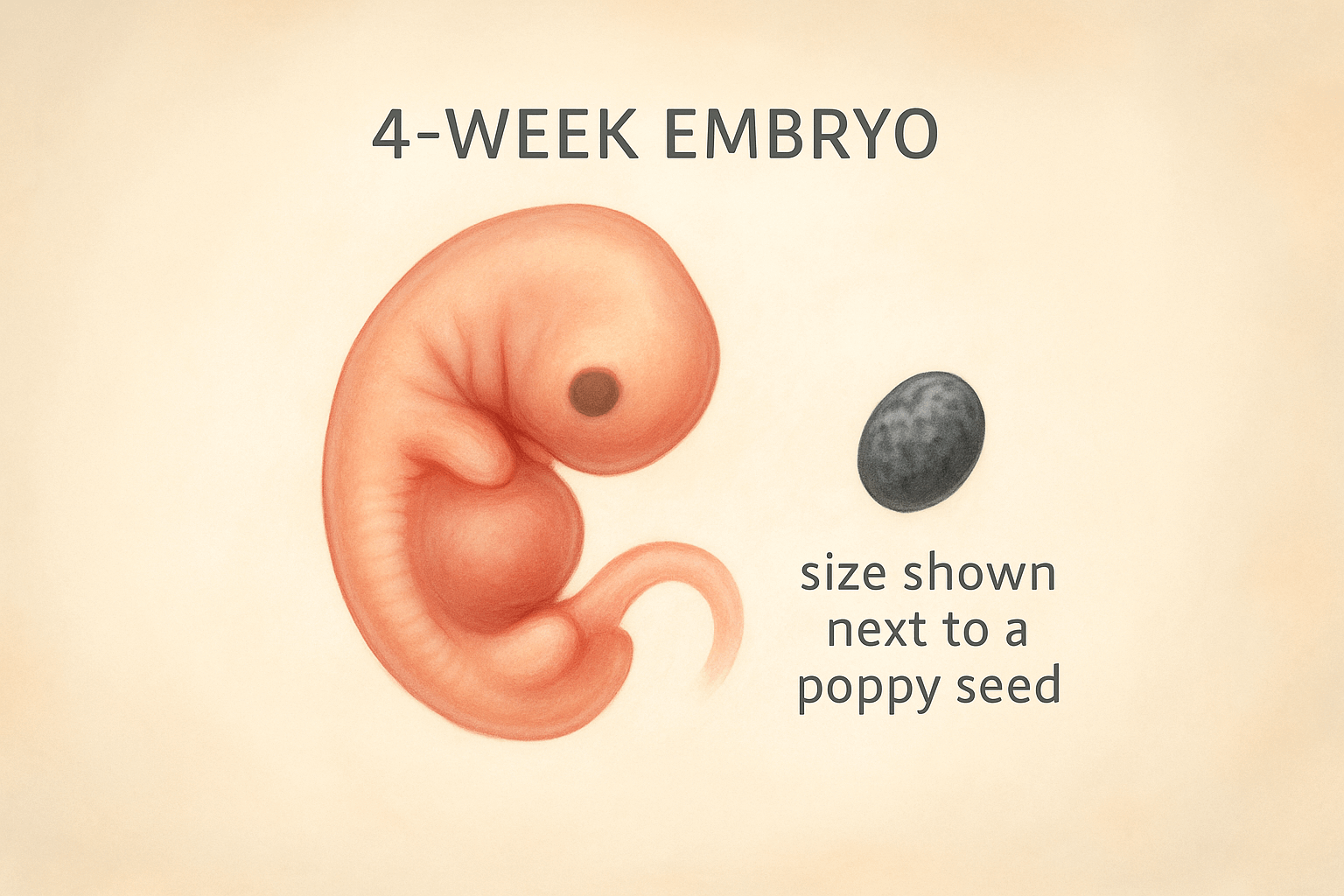
At this stage, your baby is called a zygote (fertilized egg) and soon becomes an embryo.
Size:
- About 1–2 mm—the size of a poppy seed by the end of the first month.
Development Milestones:
- Rapid cell division forming three key layers:
- Ectoderm: Becomes skin, brain, nervous system.
- Mesoderm: Forms heart, bones, muscles.
- Endoderm: Develops lungs, intestines.
- Neural Tube Begins to Form: This becomes the brain and spinal cord.
- Heartbeat Starts: Around week 5, though too early to hear on a standard ultrasound.
Self-Care Tips + Nutrition
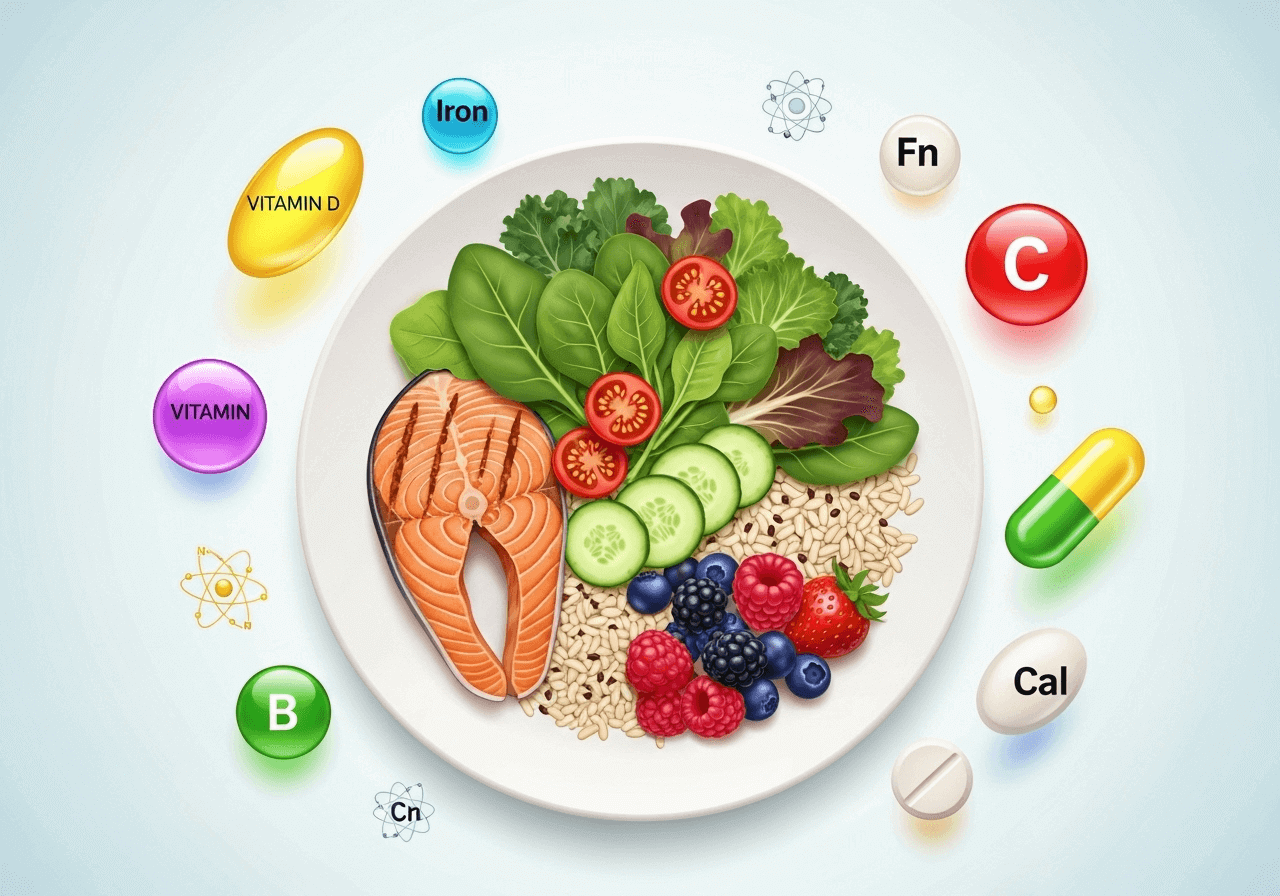
Start Prenatal Vitamins
- Folic Acid (400 mcg daily): Prevents neural tube defects.
- Iron & Calcium: Support increased blood and bone health.
- DHA (Omega-3): Boosts brain development.
Eat Nutrient-Rich Foods
- Leafy greens (spinach, kale)
- Whole grains (oats, brown rice)
- Lean proteins (eggs, chicken, lentils)
- Fruits (oranges, berries)
- Dairy (milk, yogurt)
Hydrate & Rest
- Aim for 8–10 glasses of water daily.
- Prioritize sleep to fight fatigue.
Avoid Harmful Substances
- No alcohol, smoking, or recreational drugs.
- Limit caffeine (<200 mg/day).
- Avoid raw seafood, unpasteurized dairy, deli meats.
Gentle Exercise
Doctor Checklist
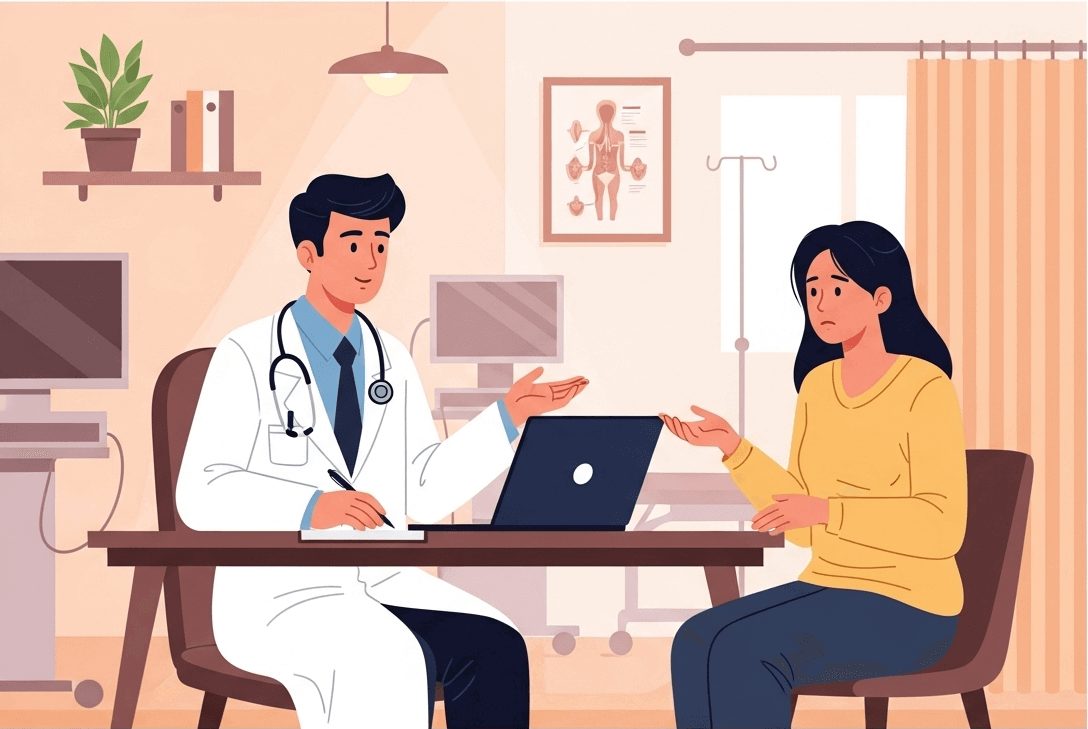
Your first prenatal appointment is usually scheduled between 8–10 weeks, but you can call your doctor as soon as you confirm pregnancy.
Tests & Scans
- Blood test to confirm pregnancy and hCG levels
- Blood type and Rh factor test
- Baseline thyroid, vitamin D, and hemoglobin levels
Questions to Ask Your OB/GYN
- Which prenatal vitamins are best for me?
- Is my current exercise routine safe?
- What symptoms should I watch for?
- Do I need genetic screening tests?
Reminders
- Start a pregnancy journal to track symptoms and milestones.
- Record your pre-pregnancy weight for reference.
- Schedule follow-up appointments.
FAQs
1. How do I know I am 1 month pregnant?
Common signs of early pregnancy include a missed period, mild cramps, fatigue, and a positive pregnancy test (which detects hCG hormone in your urine or blood).
2. What are the first symptoms of pregnancy in the first month?
Early pregnancy symptoms may include implantation bleeding, mood swings, breast tenderness, nausea, and frequent urination.
3. Can I feel the baby’s movement in the first month?
At one month, the baby is still a tiny embryo, the size of a poppy seed, so movements are not detectable yet.
4. What foods should I eat in the first month of pregnancy?
Focus on foods rich in folic acid, such as leafy greens, whole grains, lean proteins, and ensure adequate hydration.
5. What foods should I avoid in the first month of pregnancy?
alcohol, raw seafood, unpasteurized dairy, excess caffeine, and high-mercury fish to reduce risks.
6. Is mild cramping normal in the first month of pregnancy?
Mild cramping can occur as the embryo implants into the uterus. However, if you experience severe pain or heavy bleeding, consult your doctor.
7. When should I visit a doctor after finding out I am pregnant?
Your first prenatal visit should be scheduled around 8–10 weeks, though you should see a doctor sooner if complications arise.
8. How big is the baby in the first month?
By the end of Month 1, the baby is about the size of a poppy seed (approximately 1-2 mm) and is in the early stages of developing its major organs.
9. Is it safe to exercise during the first month of pregnancy?
Yes, light exercises like walking or prenatal yoga are generally safe. Avoid high-impact sports or activities with a risk of falling.
10. Can I travel during the first month of pregnancy?
Short travel is generally safe in the first month. Stay hydrated, take frequent breaks during long trips, and consult your doctor if you’re planning to travel far.
Conclusion
The first month may feel surreal—you might not “look” pregnant yet, but incredible changes are unfolding. From a single cell to a tiny poppy seed, your baby’s journey has begun.
Next up? In Month 2, your baby will grow rapidly—nearing blueberry size—and you’ll likely start feeling more noticeable symptoms.