
Potty Training Made Easy: Right Age, Signs & Proven Tips for Stress-Free Toilet Training
By Teddyy Editorial Team | Last Updated: April 23, 2026
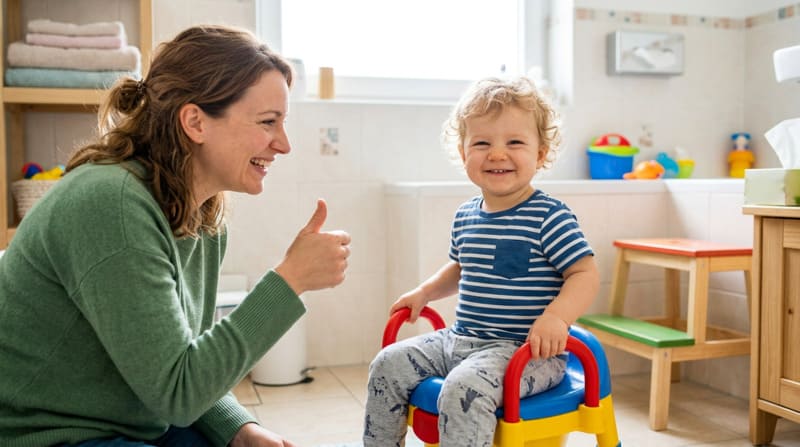
While you are busy with diaper changes and sleep schedules with your baby, the thought of potty training might cross your mind. Friends might bring up the topic, and family members might offer different advice, making you suddenly feel the pressure about what is the ideal age to start this journey/b>. Different opinions from everyone can leave you confused.
The process can feel like a challenge, especially because every child develops bladder control and readiness at a different pace. The truth is, you don’t have to rush. There’s no right toilet independence age that works for everyone. What’s more important is that your child shows clear signs of readiness, you remain patient, and you choose a gentle approach that supports your child’s emotional and physical comfort.
Key Takeaways
- Potty training is a process that helps your child recognise their body signals, understand when they need to pee or poop, and use the toilet independently instead of relying on diapers.
- Parents often feel unsure about the ideal age to start this developmental step
- Before you begin, look for these readiness cues:.
- If you are still confused about when to begin, this simple yet gradual approach can help.
- A few common missteps can make potty training harder than it needs to be.
Potty Training & Why Does It Matter?
The training is a process that helps your child recognise their body signals, understand when they need to pee or poop, and use the toilet independently instead of relying on diapers. You may consider it a milestone as it’s a major step towards making your child independent, aware, and confident.
When done right, toilet readiness helps your child develop better bladder awareness and body control. For you as a parent, it means fewer diapers, easier outings, and less hassle. Most importantly, it builds trust because your child learns that you will guide them calmly, patiently, and without judgement.
Ideal Age to Start Potty Training
Parents often feel unsure about the ideal age to start this training process In reality, there’s no universal answer.
Most children become ready between 18 months and 3 years. In India, many parents aim to start toilet learning around age 2, but your child’s developmental readiness is far more important than the calendar age. If you begin before your child is ready, they may feel frustrated; in contrast, waiting for clear readiness signs usually makes potty training easier.
Instead of asking, “Is my child old enough?” ask yourself, “Is my child ready?” That shift in mindset makes all the difference.
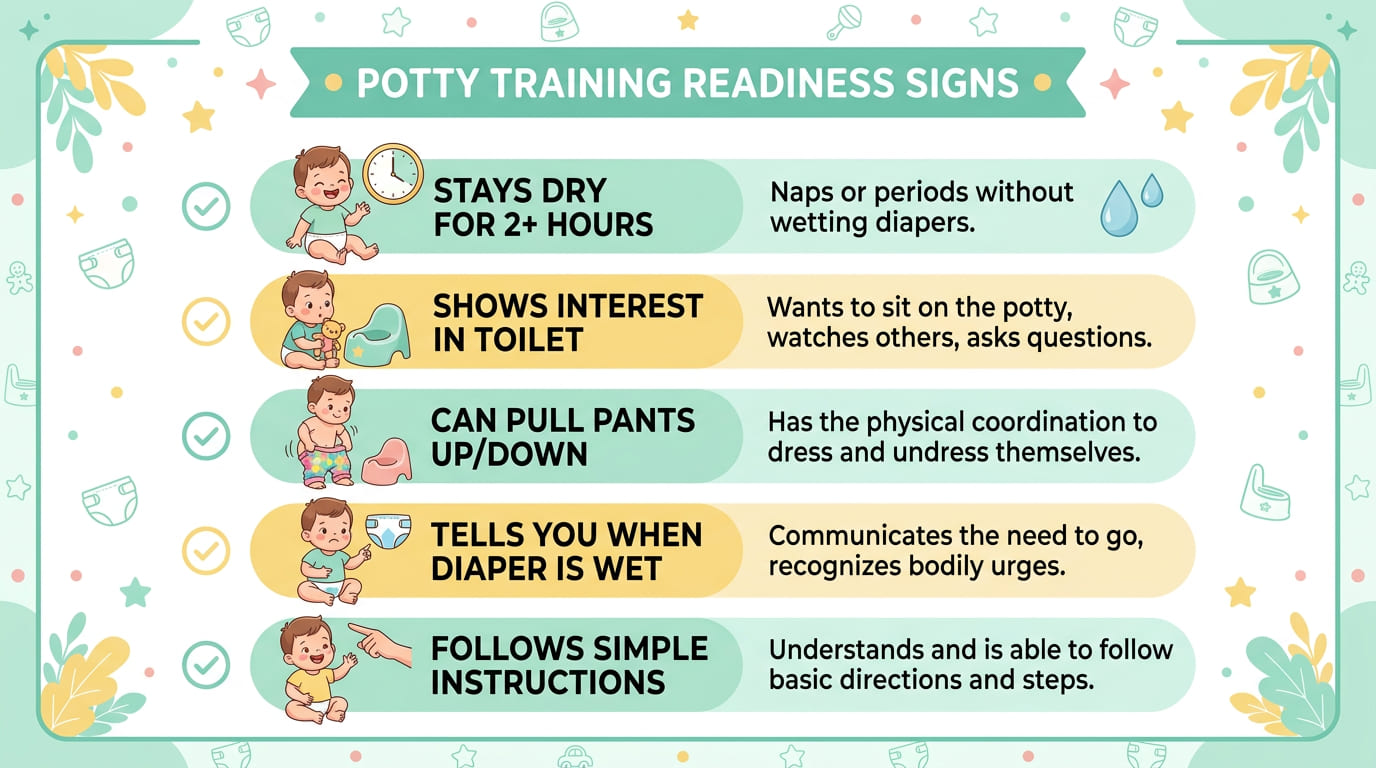
Signs Your Child Is Ready for Potty Training
Before you begin, look for these readiness cues:
- They stay dry for longer periods between diaper changes, showing that their bladder control is improving.
- They feel uncomfortable with a wet or dirty diaper.
- They can sit, stand, and walk steadily.
- They can understand and follow simple instructions like “sit” or “come.”
- They show curiosity about the bathroom or try to imitate adults using the toilet.
- They can use words, sounds, or gestures to communicate their needs.
It’s okay to wait if these signs are inconsistent. Toilet training works best when your child feels capable, not forced.
Step-by-Step Potty Training Guide
If you are still confused about when to begin, this simple yet gradual approach can help.
1. Gently Introduce the Concept
Start with a casual yet positive conversation about potty. Allow your child to see it, touch it, and even sit on it, fully clothed, without making them feel like it is a big test or task.
2. Pick the Right Time
Choose a period when life is relatively calm – no travel, no big changes, no new sibling transitions. Consistency in timing, language, and expectations is key during this transition
3. Create a Simple Routine
Encourage the practice at predictable times, such as after waking up, after meals, or before bath time. A predictable routine builds familiarity and helps your child feel confident about recognising their body signals.
4. Choose the Right Diapers as You Begin Potty Training
As you start introducing the idea of potty use, you don’t need to stop diapers immediately. You can continue with Teddyy diapers during active daytime hours to keep your child comfortable while you gently encourage potty breaks. During this transition, choosing the right diaper style matters. Our guide on taped diapers vs pant diapers can help you pick what works best. You can also read the Malayalam version of this comparison if you prefer.
5. Celebrate Effort, Instead of Success
Claps, smiles, hugs, and encouraging words can leave a strong positive impact. Even sitting on the potty willingly is a meaningful step forward in the learning process. Don’t focus on rewards that make your child feel pressured.
6. Don’t Get Scared During Accidents
Accidents are very common during this journey and you can handle them by staying calm and supporting your child. Showing frustration can make your child anxious and slow down their progress.
Common Potty Training Mistakes Parents Make
A few common missteps can make potty training harder than it needs to be. These are some habits that often add unnecessary pressure:
- Focusing only on age instead of readiness
- Comparing your child’s progress with others
- Expecting success too quickly
- Showing disappointment after accidents
- Stopping diapers completely before your child is ready
Each of these can create pressure that makes the process harder for your child.
How Long Does Potty Training Take?
This is another area where expectations matter. Potty training can take anywhere from a few weeks to several months. Daytime training usually comes first, while nighttime dryness can take much longer, sometimes up to age 4 or 5.
Progress may not always work at the same pace for everyone. Some days will feel like big wins, and others may feel like nothing happened. That’s normal. Consistency, patience, and reassurance have a more positive impact on your child’s emotional comfort and long-term success than rushing the process.
Night-Time Potty Training: When and How
Day-time and night-time dryness develop separately — most children master daytime control by age 3 but stay in night-time pull-ups until 4 to 5 years, sometimes longer. Night dryness depends on the bladder being big enough to hold urine for 8 to 10 hours and the kidneys producing the antidiuretic hormone vasopressin reliably overnight, which is purely biological and cannot be taught. Look for a stretch of 10 to 14 mostly dry mornings before phasing out the night nappy. Limit drinks 90 minutes before bed, do a final bathroom trip just before sleep, and use a waterproof mattress protector. Bedwetting up to age 7 is medically considered normal — never shame the child.
Boys vs Girls: Real Differences in Potty Training
On average, girls show readiness signs about 3 months earlier than boys and complete training a few months sooner — but this is a population trend, not a rule for your child. For boys, start by teaching them to sit (not stand) for both bowel and bladder for the first few weeks; standing comes later once aim and control develop, usually around age 3.5. Use a step stool with a backrest at adult toilets so feet are firmly supported — this position helps both boys and girls fully relax pelvic muscles. Avoid comparing siblings or peers; the gap means nothing about long-term development.
Regression and Setbacks: How to Handle Them
Regression is normal and almost always triggered by life changes — a new sibling, starting daycare, moving home, illness, or parental stress. Wetting accidents in a previously trained child usually clear within 2 to 4 weeks if you stay calm. Go back to basics briefly: more bathroom prompts, easy-to-remove clothing, and praise for effort rather than punishment for accidents. If regression lasts beyond a month, includes painful urination, sudden constipation, or unexplained anger and withdrawal, see your paediatrician — UTIs and emotional stress both present this way and need different responses.
Conclusion
Toilet independence is less about following a strict timeline and more about understanding your child’s readiness, temperament, and comfort. Every child develops at their own pace, and comparing milestones or rushing the process can make it more stressful than necessary. By watching for the right signs, maintaining a routine, and staying patient through accidents, you create a supportive environment that helps your child feel confident rather than pressured.
As your baby transitions out of diapers, their skin remains sensitive to heat and moisture. For tips on keeping your baby comfortable during the summer months, read our article on baby skin care tips for summer.
References & Sources
You May Also Like




Frequently Asked Questions
What is the best age to start potty training?
When your child shows readiness signs, typically between 18 months and 3 years, is the best age to start potty training. The exact age for potty training varies from child to child.
How do I know if my child is ready for potty training?
Your child will show basic communication skills and stay dry for longer periods. They may also show interest in the toilet and express discomfort in dirty diapers.
How long does potty training usually take?
Potty training can take a few weeks to several months. Daytime training always feels easier than nighttime training.
Can potty training be started at 1 year old?
Most children are not developmentally ready at 1 year. While exposure is fine, formal potty training usually works better after readiness signs appear.
What should I do if my child resists potty training?
Pause the process. Resistance usually means your child needs more time to develop emotional or physical readiness. Take a break and try again after a few weeks with a fresh approach.
Is nighttime potty training different from daytime training?
Yes. Developing nighttime bladder control takes time because it depends on physical bladder maturity and natural hormonal development. It is completely normal to use Teddyy diapers at night during the early stages.