Filter by Month
By Nobel Hygiene Team | Last Updated: April 30, 2026

The First Month of Pregnancy
The first month of pregnancy is magical yet often unnoticed. By the time you miss your period, your body has already begun one of life's most incredible transformations —creating a new human being.
Imagine this: by the end of Month 1, your baby is barely the size of a poppy seed, yet its cells are rapidly dividing to form the brain, heart, and spine. Many moms don’t feel “pregnant” yet, but huge changes are happening behind the scenes. If you're curious how your baby’s development progresses in month 2
If you’ve recently seen those two pink lines—or are wondering about early symptoms—this guide covers everything you need to know about the first month of pregnancy: from signs and baby growth to nutrition, doctor checklists, and emotional care. For information on what to expect as you progress further check out our 3rd month pregnancy guide
Symptoms This Month
Every woman experiences early pregnancy differently. Some notice subtle changes even before a missed period, while others feel no symptoms until later.
Most Common 1st Month Pregnancy Symptoms
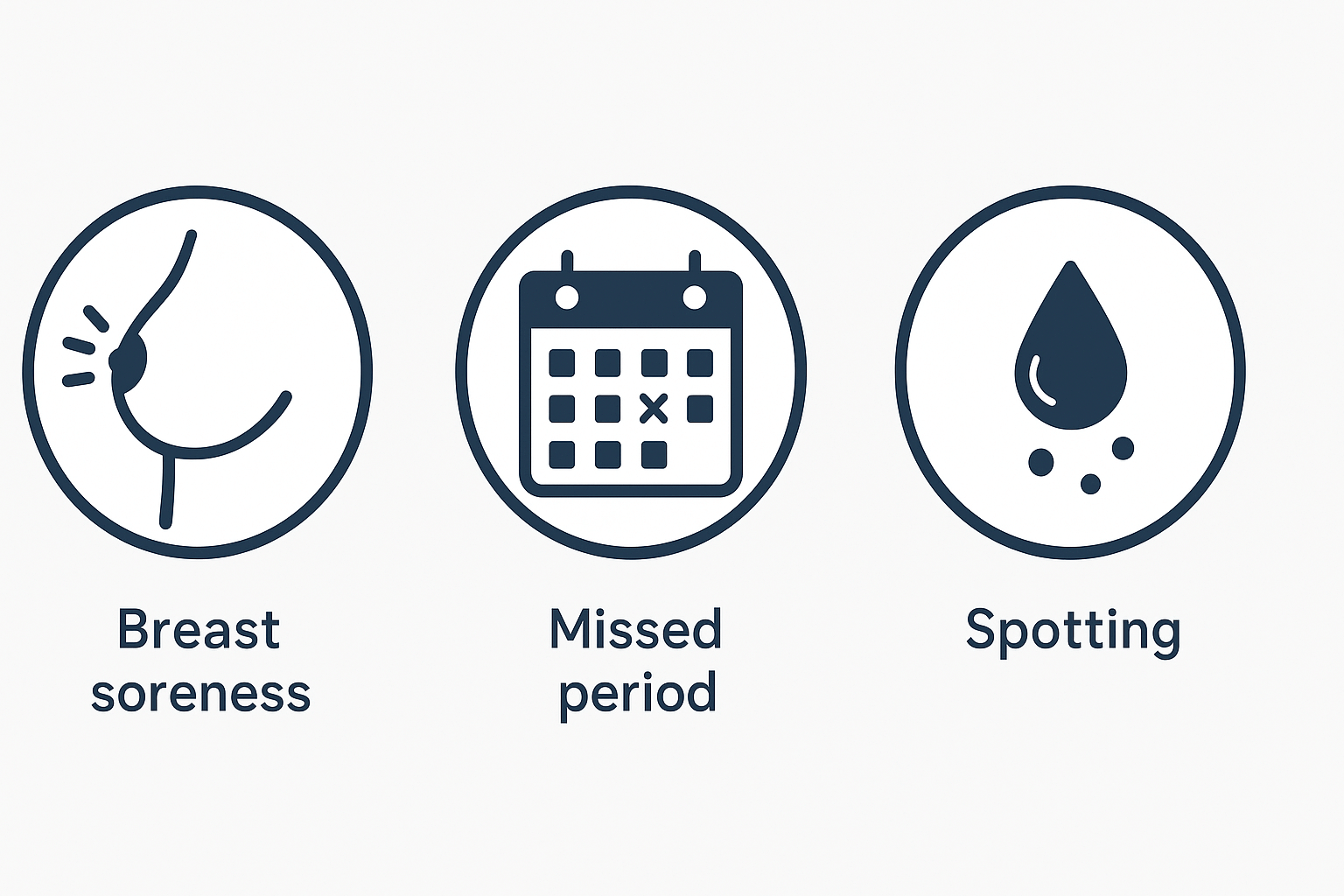
- Missed Period: The earliest and most reliable sign of pregnancy.
- Implantation Bleeding & Mild Cramping: Light pink or brown spotting when the embryo attaches to your uterus (6–14 days after conception).
- Breast Tenderness: Hormonal surges cause swelling, soreness, and sensitivity.
- Fatigue: Increased progesterone and higher blood demands make you unusually tired.
- Frequent Urination: Your kidneys are already processing extra blood volume.
- Mood Swings: Hormonal fluctuations bring emotional highs and lows.
- Bloating & Mild Nausea: Digestive changes may mimic premenstrual symptoms.
What’s Normal vs When to Call Your Doctor
- Normal: Light spotting, mild cramps, occasional fatigue, nausea.
- See Your Doctor If: You experience heavy bleeding, severe abdominal pain, dizziness, or fever.
How to Confirm Your Pregnancy
If you suspect you might be pregnant, there are several ways to confirm it during the first month:
Home Pregnancy Tests
Over-the-counter pregnancy test kits detect the hCG hormone in your urine. For the most accurate results, take the test after you have missed your period. Early-response tests can detect pregnancy a few days before your expected period, but waiting gives you a more reliable result. Always test with your first morning urine, as hCG levels are most concentrated then.
Blood Tests at the Doctor's Clinic
A blood test ordered by your doctor can confirm pregnancy earlier than a home test and also measure your exact hCG levels. A quantitative blood test can detect pregnancy as early as 6 to 8 days after ovulation. Your doctor may order two blood tests 48 hours apart to check whether your hCG levels are doubling normally, which is a healthy sign of early pregnancy.
First Ultrasound
Most doctors schedule the first ultrasound between weeks 6 and 8, but in some cases an early scan may be recommended. At this stage, the ultrasound confirms the pregnancy location (ruling out ectopic pregnancy), checks for a heartbeat, and estimates the gestational age. Do not worry if your doctor does not schedule an ultrasound in the first month itself, as it is often too early to see much detail.
When to See Your Doctor
Once you get a positive home test, schedule your first prenatal appointment. Your doctor will review your medical history, confirm the pregnancy, prescribe prenatal vitamins with folic acid, and create a care plan for the months ahead.
1st Month Pregnancy: Early Symptoms, Baby Size & Care Tips
What’s Happening in Your Body
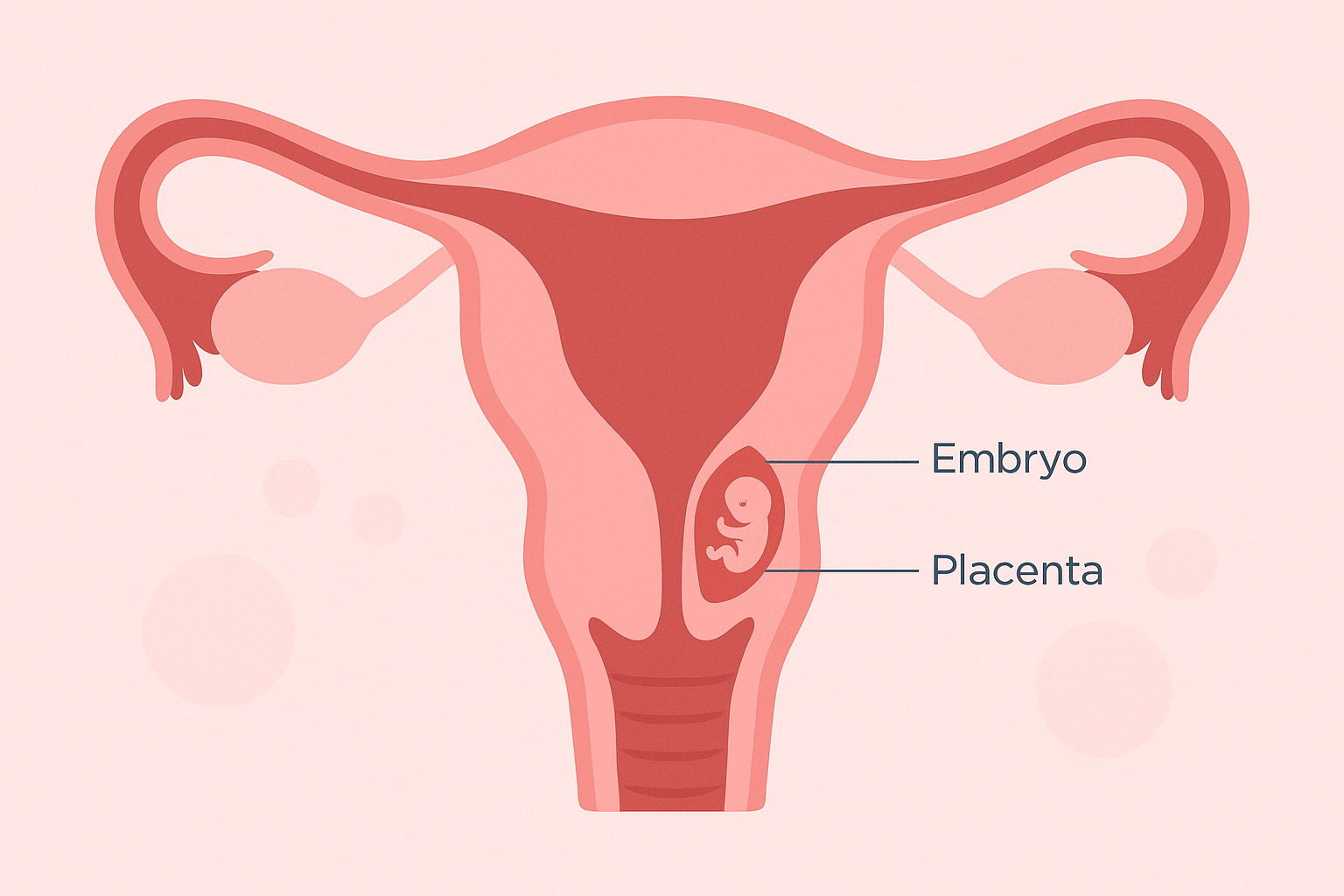
Behind the scenes, your body is transforming to support your growing baby:
- Hormonal Surge: hCG (pregnancy hormone) doubles every 2–3 days, causing many early symptoms.
- Uterus Prepares for Baby: The uterine lining thickens to nourish the embryo.
- Placenta Formation: The placenta and umbilical cord begin developing to supply oxygen and nutrients.
- Increased Blood Volume: Your heart works harder to pump blood to the uterus.
Visible Changes?
At this stage, there’s usually no baby bump yet—but some women notice breast fullness or slight bloating.
Cervical Changes
Your cervix begins to soften and produce a mucus plug that seals the opening of the uterus, protecting your baby from infections throughout pregnancy. You may notice an increase in vaginal discharge, which is perfectly normal at this stage.
Digestive Slowdown
Progesterone relaxes smooth muscle tissue throughout your body, including your digestive tract. This slows digestion and can cause bloating, gas, and constipation even in the very first weeks. Eating smaller, more frequent meals and staying hydrated can help ease these discomforts. Many women mistake these digestive symptoms for their regular premenstrual experience before realizing they are pregnant.
How Your Baby is Growing
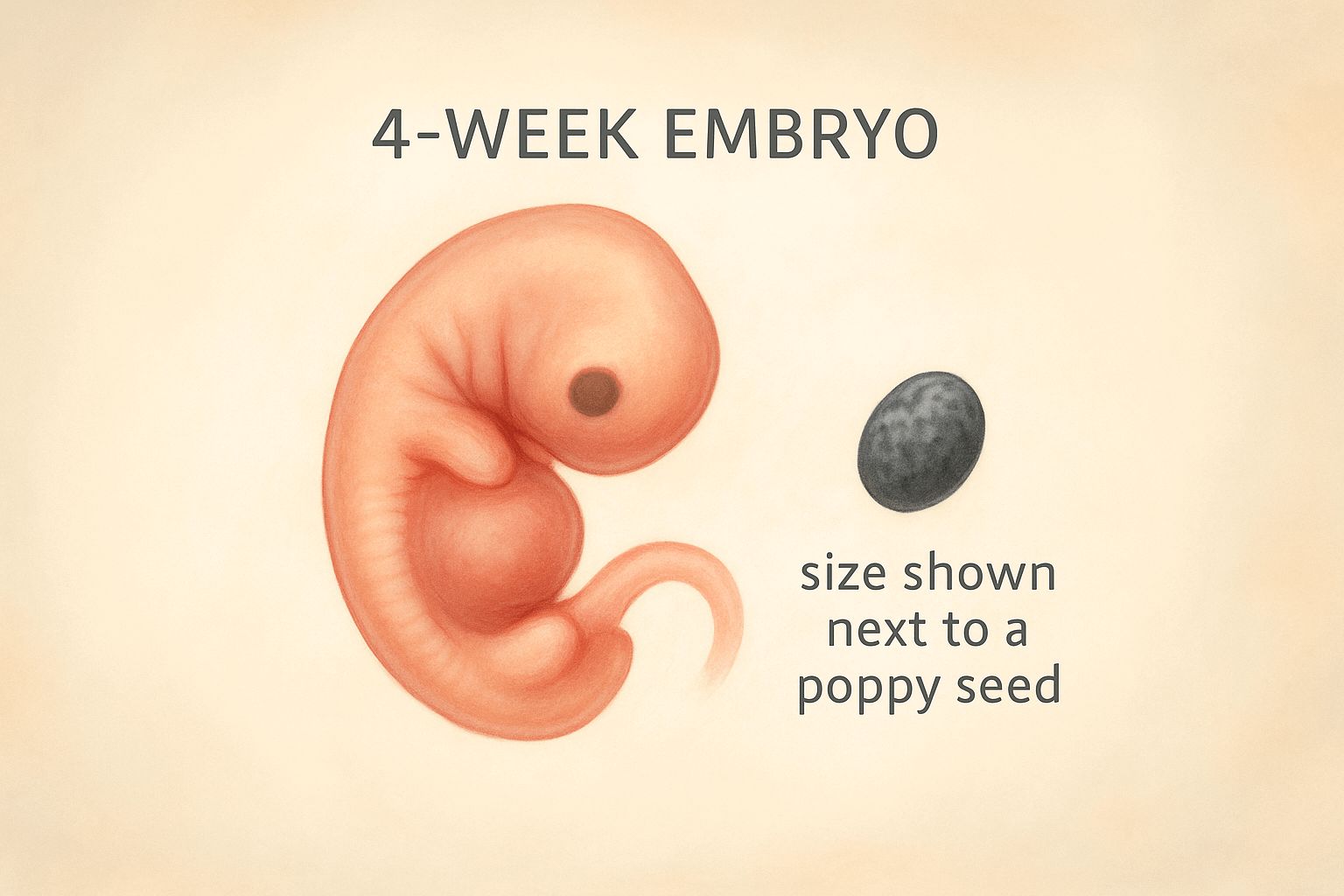
At this stage, your baby is called a zygote (fertilized egg) and soon becomes an embryo.
Size:
- About 1–2 mm—the size of a poppy seed by the end of the first month.
Development Milestones:
- Rapid cell division forming three key layers:
- Ectoderm: Becomes skin, brain, nervous system.
- Mesoderm: Forms heart, bones, muscles.
- Endoderm: Develops lungs, intestines.
- Neural Tube Begins to Form: This becomes the brain and spinal cord.
- Heartbeat Starts: Around week 5, though too early to hear on a standard ultrasound.
Week-by-Week Breakdown
During week 1 and 2, your body is preparing for ovulation and fertilization has not yet occurred. The actual journey begins at week 3 when the sperm meets the egg, forming a single cell called a zygote. This tiny cell contains all the genetic information that will determine your baby's features, from eye colour to height.
By week 4, the fertilized egg has traveled down the fallopian tube and implanted itself into the uterine wall. The embryo is now made up of two layers of cells that will eventually develop into all of your baby's organs and body parts. The amniotic sac and yolk sac are also forming to provide protection and nourishment during these earliest days of life.
Self-Care Tips + Nutrition
 prenatal vitamins."
style="width:100%; height:auto;" />
prenatal vitamins."
style="width:100%; height:auto;" />
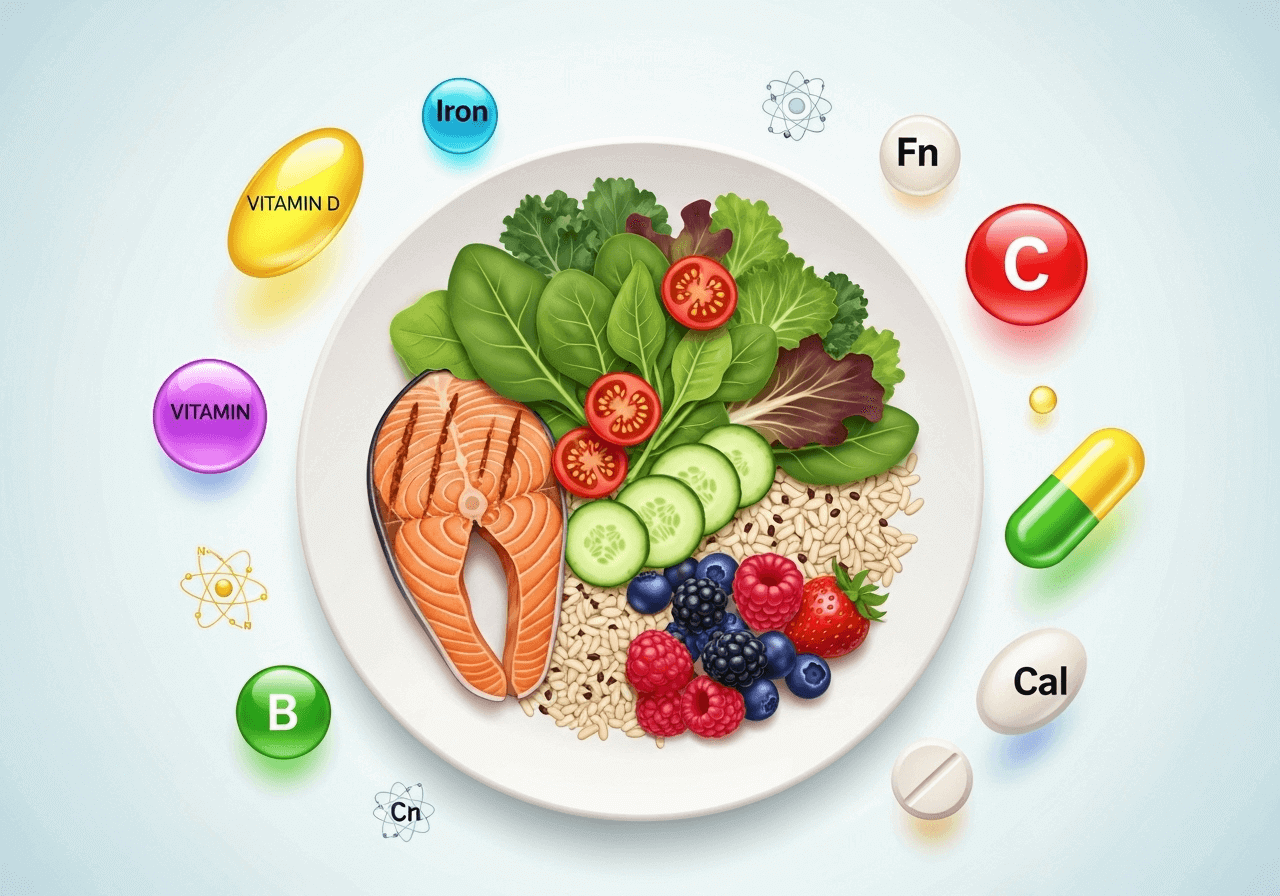
Start Prenatal Vitamins
- Folic Acid (400 mcg daily): Prevents neural tube defects.
- Iron & Calcium: Support increased blood and bone health.
- DHA (Omega-3): Boosts brain development.
Eat Nutrient-Rich Foods
- Leafy greens (spinach, kale)
- Whole grains (oats, brown rice)
- Lean proteins (eggs, chicken, lentils)
- Fruits (oranges, berries)
- Dairy (milk, yogurt)
Hydrate & Rest
- Aim for 8–10 glasses of water daily.
- Prioritize sleep to fight fatigue.
Avoid Harmful Substances
- No alcohol, smoking, or recreational drugs.
- Limit caffeine (<200 mg/day).
- Avoid raw seafood, unpasteurized dairy, deli meats.
Gentle Exercise
Emotional Changes and Mental Health in Early Pregnancy
The first month of pregnancy is not just a physical experience. It brings a wave of emotions that can catch you off guard, even if the pregnancy was planned.
Why Emotions Run High
Rising levels of progesterone and estrogen directly affect the brain's mood-regulating chemicals. You may feel excitement one moment and anxiety the next. Some women describe it as an amplified version of premenstrual mood swings. These hormonal shifts are completely normal and usually stabilize as your body adjusts over the coming weeks.
Common Emotional Experiences
Many first-time mothers feel a mix of joy, disbelief, and nervousness after discovering they are pregnant. You might worry about whether the pregnancy will progress normally, how your life will change, or whether you are ready for parenthood. Partners often experience their own emotional adjustments too. If you are feeling overwhelmed, remember that these feelings are shared by virtually every expectant parent.
Tips for Emotional Well-Being
Talk openly with your partner, a close friend, or a family member about how you are feeling. Journaling your thoughts can help process complex emotions. Gentle exercise such as walking or prenatal yoga releases mood-boosting endorphins. Prioritize sleep, as fatigue intensifies emotional sensitivity. If feelings of sadness, hopelessness, or persistent anxiety interfere with your daily life, speak with your doctor. Perinatal mood disorders can begin as early as the first trimester, and early support makes a meaningful difference.
Taking care of your emotional health is just as important as your physical health during pregnancy. You deserve support through every stage of this journey.
Doctor Checklist
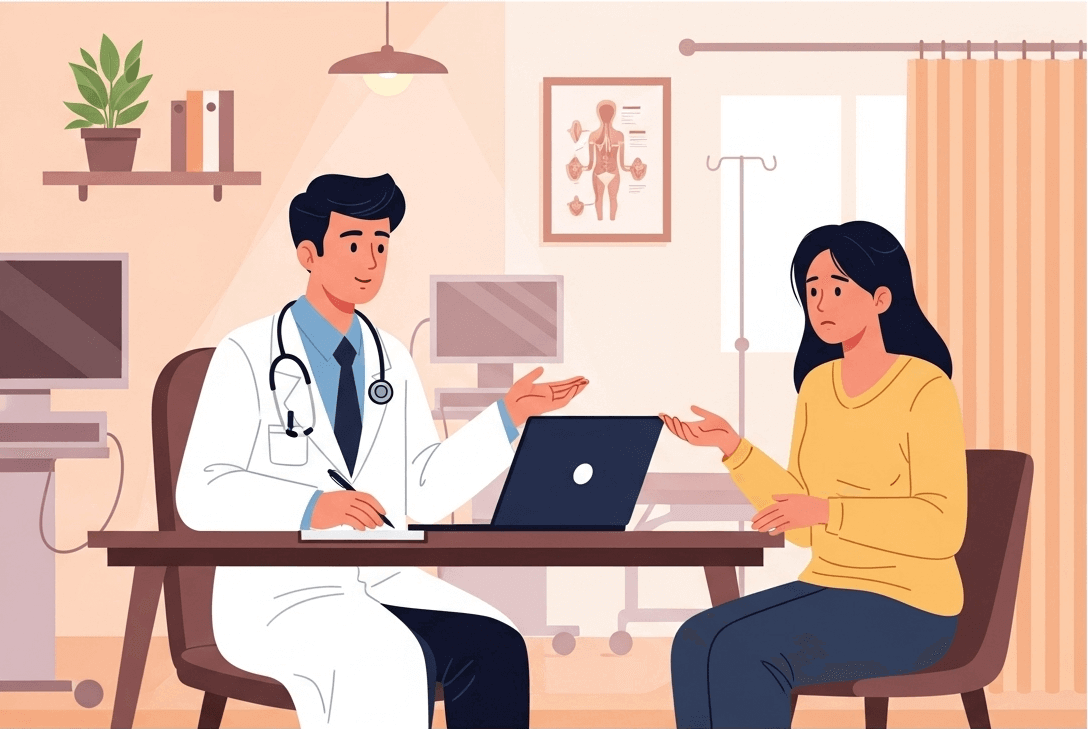
Your first prenatal appointment is usually scheduled between 8–10 weeks, but you can call your doctor as soon as you confirm pregnancy.
Tests & Scans
- Blood test to confirm pregnancy and hCG levels
- Blood type and Rh factor test
- Baseline thyroid, vitamin D, and hemoglobin levels
Questions to Ask Your OB/GYN
- Which prenatal vitamins are best for me?
- Is my current exercise routine safe?
- What symptoms should I watch for?
- Do I need genetic screening tests?
Reminders
- Start a pregnancy journal to track symptoms and milestones.
- Record your pre-pregnancy weight for reference.
- Schedule follow-up appointments.
What to Avoid in the First Month of Pregnancy
The first month is a critical period for your baby's early development. While your body does an incredible job protecting the embryo, there are certain things you should avoid to give your baby the healthiest possible start.
Foods to Avoid
Stay away from raw or undercooked meat, eggs, and seafood, as they carry a risk of bacterial infections like listeria and salmonella. Avoid unpasteurized dairy products and soft cheeses such as brie and camembert. Limit caffeine intake to under 200 mg per day (roughly one cup of coffee). High-mercury fish such as shark, swordfish, and king mackerel should be avoided entirely throughout pregnancy.
Substances to Eliminate
Alcohol consumption should stop as soon as you know you are pregnant. There is no known safe amount of alcohol during pregnancy, and it can cause lasting harm to your baby's developing brain and organs. If you smoke, this is the most important time to quit. Smoking reduces oxygen supply to the embryo and increases the risk of miscarriage and preterm birth. Avoid secondhand smoke exposure as well.
Activities and Environmental Risks
Avoid heavy lifting, high-impact exercises, and activities with a risk of falling. Stay away from hot tubs and saunas, as elevated body temperature during the first trimester can affect neural tube development. Be cautious with household cleaning chemicals and pesticides. If you have a cat, ask someone else to handle the litter box to avoid toxoplasmosis exposure.
When in doubt about any food, medication, or activity, always check with your doctor before proceeding.
Related Guides
Once your baby arrives, our 1-month baby care guide will help you navigate those first precious weeks with confidence. Continue your pregnancy journey with our month 2 pregnancy guide.
FAQs
1. How do I know I am 1 month pregnant?
Common signs of early pregnancy include a missed period, mild cramps, fatigue, and a positive pregnancy test (which detects hCG hormone in your urine or blood).
2. What are the first symptoms of pregnancy in the first month?
Early pregnancy symptoms may include implantation bleeding, mood swings, breast tenderness, nausea, and frequent urination.
3. Can I feel the baby’s movement in the first month?
At one month, the baby is still a tiny embryo, the size of a poppy seed, so movements are not detectable yet.
4. What foods should I eat in the first month of pregnancy?
Focus on foods rich in folic acid, such as leafy greens, whole grains, lean proteins, and ensure adequate hydration.
5. What foods should I avoid in the first month of pregnancy?
alcohol, raw seafood, unpasteurized dairy, excess caffeine, and high-mercury fish to reduce risks.
6. Is mild cramping normal in the first month of pregnancy?
Mild cramping can occur as the embryo implants into the uterus. However, if you experience severe pain or heavy bleeding, consult your doctor.
7. When should I visit a doctor after finding out I am pregnant?
Your first prenatal visit should be scheduled around 8–10 weeks, though you should see a doctor sooner if complications arise.
8. How big is the baby in the first month?
By the end of Month 1, the baby is about the size of a poppy seed (approximately 1-2 mm) and is in the early stages of developing its major organs.
9. Is it safe to exercise during the first month of pregnancy?
Yes, light exercises like walking or prenatal yoga are generally safe. Avoid high-impact sports or activities with a risk of falling.
10. Can I travel during the first month of pregnancy?
Short travel is generally safe in the first month. Stay hydrated, take frequent breaks during long trips, and consult your doctor if you’re planning to travel far.
As you prepare for your baby's arrival, explore Teddyy's range of baby care products designed for your newborn's comfort and safety.
Conclusion
The first month may feel surreal—you might not “look” pregnant yet, but incredible changes are unfolding. From a single cell to a tiny poppy seed, your baby’s journey has begun.
Next up? In Month 2, your baby will grow rapidly—nearing blueberry size—and you’ll likely start feeling more noticeable symptoms.