
Labour Pain & Stages of Delivery Explained: Symptoms, Timeline and Duration for First-Time Moms
By Teddyy Editorial Team | Last Updated: April 23, 2026
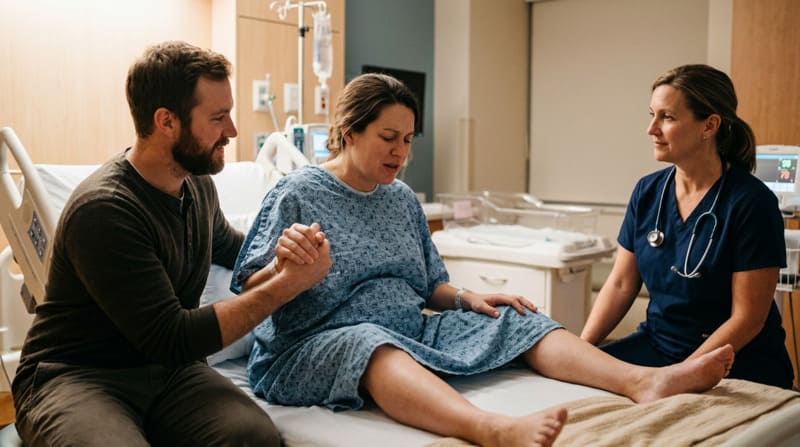
As your due date approaches, every unfamiliar ache or tightening can raise the same question: Is this normal, or is this labour? For many first-time mothers, labour pain feels mysterious, unsettling, and genuinely overwhelming. Advice comes from every direction, Google offers a hundred timelines, and your body often seems to send mixed signals.
Take a deep breath. You are not overthinking it. Labour is different for every mother, but understanding what actually happens, along with the symptoms, stages, and typical timelines, can help you feel far more prepared and in control. Think of this as a calm conversation with an older sister who has been there and wants to walk you through it step by step.
Key Takeaways
- Before active labour begins, your body usually gives you a few gentle (and sometimes confusing) hints.
- Having knowledge of the duration of labour stages helps ease your worries.
- Labour initially begins when contractions become regular, and your cervix starts to dilate.
- The 2nd stage of labour duration begins when your cervix is fully dilated to 10 cm and ends with the delivery of your baby.
- The average delivery time for first-time mothers typically ranges from 14 to 24 hours, with first and second stages combined.
Labour Pain Symptoms Before Delivery
Before active labour begins, your body usually gives you a few gentle (and sometimes confusing) hints. These labour pain symptoms before delivery don’t always follow a strict order, and you may experience some or all of them.
You may notice a dull lower back pain that comes and goes, unlike your usual pregnancy aches. Mild cramps similar to period pain can start, especially in the lower abdomen. Many moms also feel a sense of pressure in the pelvis, as if the baby is settling deeper.
Another common sign is irregular contractions, a tightening of the belly that feels uncomfortable but not unbearable. These are referred to as Braxton Hicks, and while they aren’t ‘real labour’ they help your body practise. You might also notice increased vaginal discharge or the passing of the mucus plug, which can sometimes be streaked with blood.
Labour Pain Starts in Which Week of Pregnancy?
One of the most common questions is: When does labour pain start exactly?
Most women usually go into labour between 37 and 42 weeks of pregnancy. If it happens before 37 weeks, it’s considered preterm. Anything after the 42nd week is called post-term.
If you are a first-time mom, labour usually starts around your due date or slightly later. However, your body does not follow a calendar. Some pregnant individuals feel early labour signs weeks before giving birth, while others may experience active labour with no symptoms.
The most important thing is to pay attention to patterns. Watch for contractions that become regular, stronger, and closer together.
Stages of Labour and Their Duration
Having knowledge of the duration of labour stages helps ease your worries.
The duration of labour stages varies widely, especially for first-time moms, but knowing what’s happening inside your body can make the waiting easier.
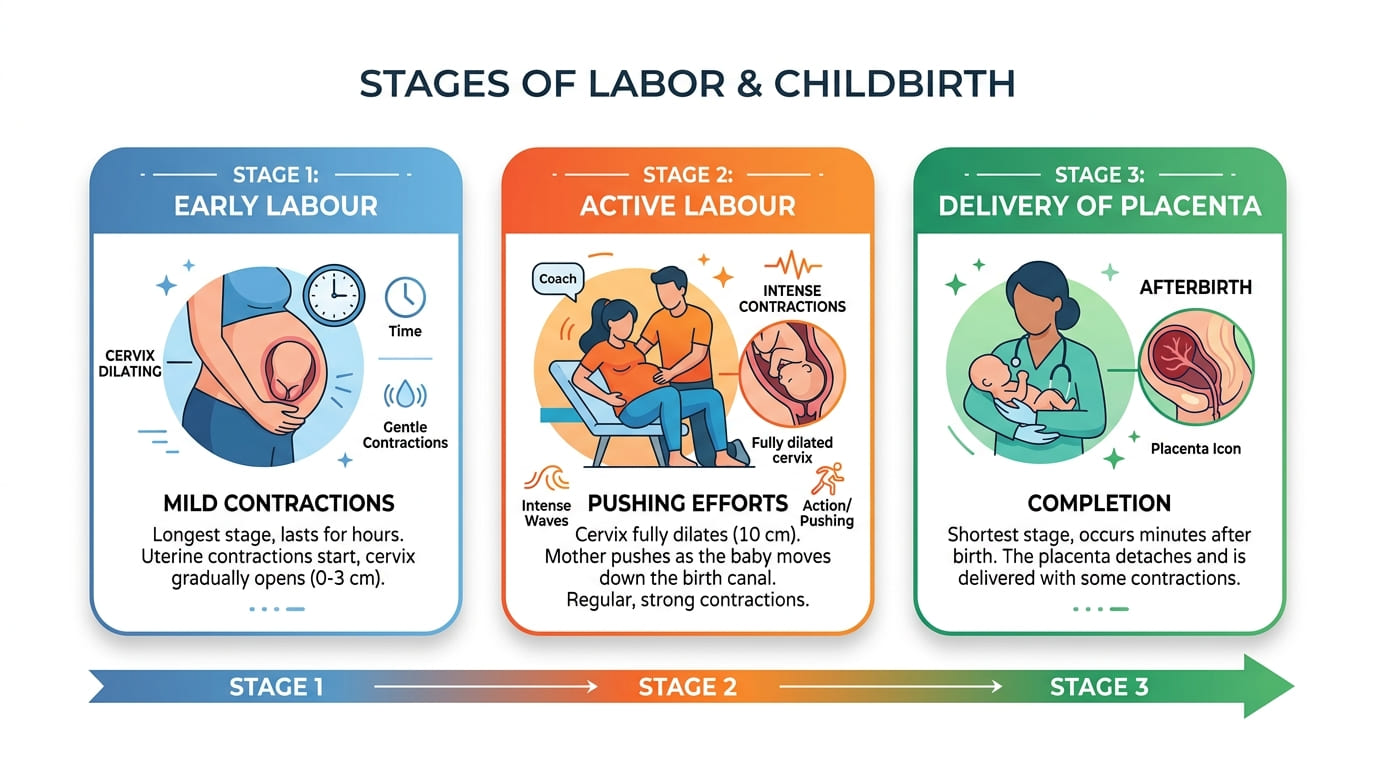
Labour is divided into three main stages, each with its own purpose and pace:
- Cervical Dilation: This stage takes the longest and can feel both physically and emotionally tiring.
- Pushing & Birth: This is when you actively help your baby enter the world.
- Delivery of the Placenta: This stage is usually shorter and less painful than the others.
Let’s break down the first two in detail.
First Stage of Labour: What Happens and How Long It Lasts
Labour initially begins when contractions become regular, and your cervix starts to dilate. This stage involves three phases: early labour, active labour, and transition.
1. Early Labour
Contractions at this stage are mild and irregular, lasting 30 to 45 seconds. This phase can take almost 8 to 12 hours or even longer. You may still be able to talk, walk, and even rest normally between contractions.
2. Active Labour
Contractions become more intense, more painful, and closer together. This phase typically lasts 4 to 6 hours, during which your cervix dilates from about 4 cm to 7 cm.
3. Transition Phase
This is the most intense part of the first stage. Contractions may start to feel overwhelming due to frequency and intensity. This is a shorter phase, usually lasting 30 minutes to 2 hours, but it can feel emotionally intense.
Overall, for a first-time mom, the first stage of labour can range from 12 to 20 hours. It’s long, yes, but your body is functioning perfectly.
Second Stage of Labour: Pushing and Birth
The 2nd stage of labour duration begins when your cervix is fully dilated to 10 cm and ends with the delivery of your baby.
This is when a strong, instinctive pressure guides you, creating an urge to push. You will push during contractions and rest in between. Healthcare providers support you with breathing techniques and help adjust your posture to make pushing easier.
The average pushing time to deliver a baby lasts 1 to 2 hours for first-time mothers. However, the duration may vary depending on your physical health, how your baby is positioned, and whether you are on pain relief like an epidural.
While pushing involves intense physical effort, many mothers find it feels more purposeful than earlier labour, as each push brings them closer to meeting their baby.
Average Delivery Time for First Baby
The average delivery time for first-time mothers typically ranges from 14 to 24 hours, with first and second stages combined. Some deliveries are quicker, while others take longer, and both are completely normal.
Factors like your baby’s size, position, the structure of your pelvis, and emotional support contribute to how long your labour will last. Remember, a longer labour does not necessarily indicate complications or a less successful birth. Every minute brings you closer to meeting your newborn.
Third Stage of Labour: Delivering the Placenta
Many first-time mothers are surprised that labour does not end with the baby — there is a quiet third stage where the placenta is delivered, usually within 5 to 30 minutes of birth. You may feel mild contractions to push the placenta out, often barely noticeable after the intensity of the second stage. Most hospitals in India practice “active management” — a small uterotonic injection (oxytocin) is given as the baby is born, which speeds placental delivery and reduces postpartum bleeding by around 50%. The doctor will check the placenta is complete; any retained tissue can cause heavy bleeding or infection days later.
What Real Contractions Feel Like vs Braxton Hicks
Braxton Hicks (false labour) are usually felt as tightening across the front of the belly, irregular, fade with rest or a glass of water, and never get stronger over time. Real labour contractions wrap around from the lower back to the front, come in a steady pattern that gets closer together (10 minutes apart, then 7, then 5), last longer (30 seconds building to over 60), and intensify regardless of position changes. The “5-1-1 rule” is the standard hospital cue: when contractions are 5 minutes apart, lasting 1 minute, for 1 hour straight, it is time to leave for the hospital.
Pain Relief Options Available in Indian Hospitals
Most Indian hospitals offer a range of pain relief: nitrous oxide (laughing gas) for short bursts during peak contractions, IV opioids like tramadol for early to mid-labour (these can make baby drowsy at birth so are stopped close to delivery), and epidural analgesia, the most effective option, which numbs from the waist down while letting you stay awake and push. Epidurals are now widely available in tier-1 and tier-2 city hospitals — discuss the option with your OB during the third trimester so the anaesthesia team is aware of your wishes when labour begins.
Conclusion
Labour is not a race, and there is no “perfect” timeline. Your body has its own rhythm, and trusting it while staying informed is one of the most empowering things you can do. Surround yourself with support, listen to your instincts, and remember that millions of moms have walked this path before you, proving just how resilient you truly are.
When your little one finally arrives, their comfort depends on the small, everyday choices you make—starting with gentle, reliable diapers like Teddyy that care for your baby’s delicate skin. With one less thing to worry about, you can focus on bonding, resting, and easing into life with your newborn. These early days are tender and emotional, and having dependable essentials by your side can make the journey feel calmer and more reassuring—for both you and your baby.
References & Sources
You May Also Like




Frequently Asked Questions
What are the labour pain symptoms before delivery?
Pre-delivery labour pain symptoms include lower back pain, mild cramps in the abdomen, pelvic pressure, irregular contractions, increased vaginal discharge, and releasing the mucus plug.
Labour pain usually starts in which week of pregnancy?
Labour pain usually starts between 37 and 42 weeks of pregnancy. For first-time moms, it often begins closer to or just after the due date.
How long does each stage of labour last?
The first stage can last 12 to 20 hours, the second stage typically lasts 1 to 2 hours, and the third stage usually takes 5 to 30 minutes.
What is the duration of the first stage of labour?
The first stage of labour duration for first-time moms is typically the longest, averaging 12 to 20 hours.
How long is the second stage of labour and pushing?
The second stage usually lasts 1 to 2 hours and includes active pushing until your baby is delivered.
What is the average delivery time for a first baby?
On average, it takes about 14 to 24 hours to deliver a first baby, depending on individual factors.